
Dog food for young dogs and puppies
During their growth phase, puppies have a high need for high-quality protein and energy-rich ingredients, which are provided in the right proportions in junior dog food. Care should be taken to ensure that the pet’s diet provides an adequate amount of vitamins and minerals, depending on its stage of growth. dog food ( ) is formulated to meet the nutritional needs of puppies between 3 and 14 months of age, while for younger dogs and nursing bitches, we have developed a special line: Dolina Noteci Premium Starter.
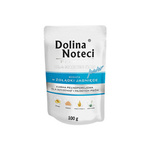
Dolina Noteci Premium Wet Dog Food for Junior Small Breeds, Rich in Lamb Stomachs, 100 g pouch
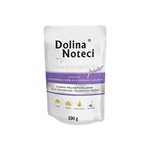
Dolina Noteci Premium Wet Dog Food for Junior Small Breeds, Rich in Rabbit Liver with Venison Tongues, 100 g pouch

Dolina Noteci Premium Wet Dog Food for Junior Small Breeds, Rich in Turkey Hearts and Goose Liver, 100 g
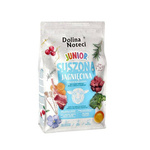
Dolina Noteci s Premium Junior Lamb Dry Dog Food, 4 kg
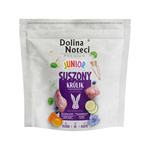
Dolina Noteci Premium Junior Rabbit Dry Dog Food, 1 kg

Dolina Noteci Premium Wet Dog Food for Junior Small Breeds, Rich in Chicken Stomachs with Veal Liver, 100 g pouch
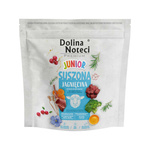
Dolina Noteci Premium Junior Lamb Dry Dog Food, 1 kg
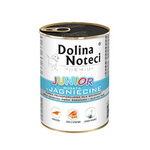
Dolina Noteci Premium Junior Dog Food, Rich in Lamb, 400 g Can
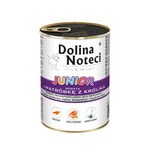
Dolina Noteci Premium Junior Wet Dog Food, Rich in Rabbit Liver, 400 g Can
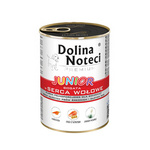
Dolina Noteci Premium Junior Wet Dog Food Rich in Beef Hearts, 400 g Can
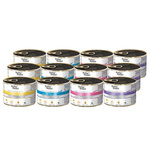
Dolina Noteci s Premium Junior Mix Wet Dog Food, 12 x 185 g
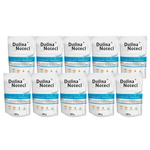
Dolina Noteci Premium Wet Dog Food for Junior Small Breeds, Rich in Lamb Stomachs, 10 x 100 g Pack

Dolina Noteci Premium Junior Wet Dog Food, Rich in Turkey Hearts, 400 g
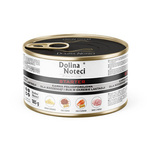
Dolina Noteci Premium Starter Wet Food for Puppies and Lactating Dogs, 185 g
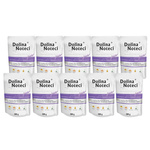
Dolina Noteci Premium Wet Dog Food for Junior Small Breeds, Rich in Rabbit Liver and Venison Tongues, Set of 10 x 100 g

Dolina Noteci Premium Junior Wet Dog Food, Rich in Chicken Stomachs, 400 g
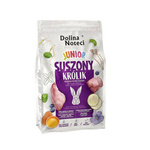
Dolina Noteci Premium Junior Rabbit Dry Dog Food, 4 kg

Dolina Noteci Premium Starter Wet Food for Puppies and Lactating Dogs, 12 x 185 g
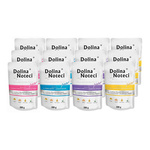
Dolina Noteci s Premium Junior Mix Wet Dog Food, 12 x 100 g

Dolina Noteci Premium Wet Dog Food for Junior Small Breeds, Rich in Turkey Hearts and Goose Liver, Set of 10 x 100 g
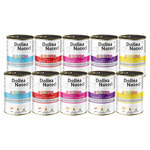
Dolina Noteci Premium Junior Mix Wet Dog Food, 10 x 400 g
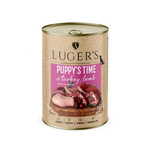
Luger's Puppy's Time Wet Dog Food for Puppies with Turkey, Lamb, and Cranberries, 400 g
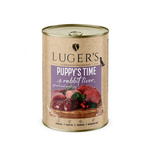
Luger's Puppy's Time Wet Dog Food for Puppies with Rabbit Liver, Spinach, and Cranberries, 400 g
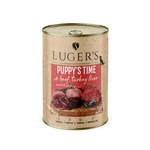
Luger's Puppy's Time Wet Dog Food for Puppies with Beef, Turkey Liver, and Blueberries, 400 g
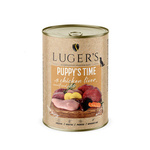
Luger's Puppy's Time Wet Dog Food for Puppies with Chicken Liver, Carrots, and Potatoes, 400 g
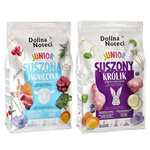
Dolina Noteci s Premium Junior Dry Dog Food, Mixed Flavors, 2 x 4 kg
Dolina Noteci Premium Junior Wet Dog Food, Rich in Lamb, 300 g pouch
Dolina Noteci Premium Junior Wet Dog Food, Rich in Rabbit Liver, 300 g pouch
Luger's Puppy's Time Wet Dog Food for Puppies with Beef, Turkey Liver, and Blueberries, 185 g
Luger's Puppy's Time Wet Dog Food for Puppies with Turkey, Lamb, and Cranberries, 185 g
Luger's Puppy's Time Wet Dog Food for Puppies with Rabbit Liver, Spinach, and Cranberries, 185 g
Super Rafi Pure Line Junior Wet Food for Puppies and Young Dogs - Lamb with Sweet Potatoes, 800 g
Dolina Noteci Premium Wet Dog Food for Junior Small Breeds, Rich in Turkey Hearts and Goose Liver, 185 g Can
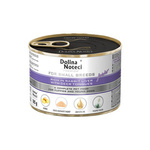
Dolina Noteci Premium Wet Dog Food for Junior Small Breeds, Rich in Rabbit Liver and Venison Tongues, 185 g Can
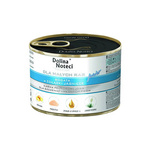
Dolina Noteci Premium Wet Dog Food for Junior Small Breeds, Rich in Lamb Stomachs, 185 g Can

Dolina Noteci Premium Junior Wet Dog Food Rich in Beef Hearts, 300 g pouch
Dolina Noteci Premium Wet Dog Food for Junior Small Breeds, Rich in Chicken Stomachs with Veal Liver, Set of 10 x 100 g
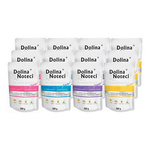
Dolina Noteci Premium Junior Mix Wet Dog Food, 40 x 100 g
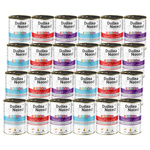
Dolina Noteci s Premium Junior Mix Wet Dog Food, 24 x 400 g
What kind of food for puppies?
Are you wondering what kind of food to choose for your puppy? Would you like your pet to develop properly and receive the essential nutrients needed to support digestion and bone mineralization? In addition, you want his coat to look shiny and his immune system to protect him from getting sick? This junior dog food was developed with those needs in mind. It contains essential omega-3 and omega-6 fatty acids, a range of compounds with anti-inflammatory properties, an appropriate calcium-to-phosphorus ratio, as well as many important supplements that meet puppies’ nutritional needs.
Junior dog food – for puppies
Adolescence is a very important stage in a dog's life. Every pet owner wants their pet to develop properly. Choosing the right food for your puppy is a decision that significantly impacts your dog’s health throughout its life. We believe you'll make the right choice, and your pet will stay healthy for many years to come. Our store, dolina-noteci, offers. Junior dog food is available, as well as complete food for puppies and lactating bitches.
A growing puppy needs proper nutrition to develop healthily. For this reason, puppy food should be carefully balanced. At this stage of life, even the dog’s adult size matters, since while the development of small and large breeds follows a similar pattern, it takes a completely different amount of time. For this reason, junior dog food should always be tailored to the dog’s target size—as closely as possible. For mixed-breed dogs, a veterinarian can help determine the optimal size and appropriate food.
Food for large-breed puppies
The large-breed puppy food in our product range has been enriched primarily with ingredients that support the healthy development of your dog's bones and joints. This allows the skeleton to grow at the right rate. At the same time, puppy food in this case has slightly lower protein and fat content compared to food for small breeds. This is important because it prevents excessive weight gain, which in large-breed puppies puts a strain not only on the circulatory and respiratory systems, but above all on the entire musculoskeletal system. Puppies of large and giant breeds continue to grow for several years, so their weight gain should be slow and gradual.
Junior food for small-breed puppies
The situation is different when choosing food for junior dogs of small and medium breeds. These dogs usually mature much faster—in the case of miniature breeds, they may be fully physically developed as early as 10 to 11 months of age! For this reason, food for small-breed puppies is rich in high-quality protein and fat, which provide all the nutrients necessary for their rapid growth.
Choose the right food for your little one
Each junior dog food is formulated with feeding guidelines tailored to the different stages of a dog's growth. As the puppy grows, it eats more and more at first, and then the portion size begins to decrease. We have provided specific feeding guidelines for each product, so that pet owners know exactly how much food to serve in each case. Of course wet dog food may be digested differently by dogs of similar sizes, so it’s important to observe your pet and assess whether the portion size needs to be reduced or increased.
Every puppy food in our range is made with high-quality ingredients. There is no excess of carbohydrates in this food, so it doesn't cause puppies to gain too much weight and provides them with healthy nutrition. Wet food for junior dogs is perfect when served in toys or on licking mats.
High-quality puppy food
Complete food for small-breed puppies is specially formulated for pets that have completely different nutritional needs than adult or senior dogs. That is why manufacturers choose this category and strive to ensure that food for junior dogs supports their proper development, gives them the energy to explore the world, and helps them develop healthy eating habits. When choosing the right brand, type of meal, or texture, other factors are often taken into account as well. So you can find food for puppies of medium or small breeds, or giant breeds. There are also options available for pets with health issues and allergies. All of this means that food for young dogs can be perfectly tailored to their individual needs, allowing you to take care of your little friend every day.
Why a complete and balanced dog food is a good choice
Unlike food for adult dogs, food for puppies of small or large breeds requires a specific feeding method. It is important to remember that animals should be fed exclusively on their mother’s milk or, if necessary, milk substitutes until they are about three weeks old. This period is followed by the weaning period. It lasts three or four weeks, during which time the sucking reflex disappears and the puppy gets used to solid food. Eventually, this will be food for adult dogs, but for now we still have to wait. Introducing a new routine is also often linked to other important events in a puppy’s life. In such cases, he usually moves, and that’s another major upheaval. To ensure your puppy has everything it needs after being fully weaned, it is essential to feed it a complete dog food. It must provide significantly more calories and nutrients than is the case with a diet for adult dogs. Puppies grow rapidly, and large and giant breeds in particular require nutrients that will minimize the risk of musculoskeletal disorders. On the other hand, the food must be easily digestible so as not to strain the stomach or intestines and cause digestive problems.
What kind of dog food should you choose for small and medium-sized breeds?
Junior dog food should be introduced gradually. Once the puppy arrives at its new home, you should continue to feed it the food provided by its first owner for about two weeks. A change that is too sudden can lead to digestive problems. That is why pet owners who, for various reasons, have decided to switch to a different food need to be patient and introduce it gradually. It’s also a good idea to consult with your veterinarian during this process. Over time, the amount of new food is increased, and eventually it is the only food in the puppy’s bowl—and often later in the adult dog’s bowl as well, though of course in a different variety.
The choice of dog food is therefore of great importance for a dog’s proper development and will have a significant impact on its future, health, physical condition, and eating habits.
Homemade or store-bought food?
Many owners of puppies and dogs—whether small, medium, or giant breeds—wonder whether homemade food might not be the best way to feed their puppies. Experts, however, unanimously agree that a specially formulated commercial dog food is far more effective, as it contains all the necessary nutrients in optimal proportions. That is why many manufacturers offer separate diets for large, medium, and small breed puppies, as their nutritional needs vary greatly. Creating and preparing a meal plan on your own would be very complicated and likely ineffective. The same applies to food for nursing female dogs and adult dogs, although at first glance it seems fairly straightforward in theory. The food for your pet is prepared by experts in the field, so you can be sure that every bag of junior dog food contains exactly what it should. Above all, a meal provides much-needed energy and natural nutrients that are essential for a rapidly growing body. On the other hand, ready-to-eat full-portion meals come in a variety of options—flavors, textures, and consistencies—so you can easily add variety to your diet and, of course, enjoy a delightful culinary experience. No wonder, then, that they’re drawn to the bowl by meat chunks, patties, creams, and crunchy kibble in a variety of options.
What matters is the quality of the food
Complete food for puppies, adult dogs, and pregnant dogs is, above all, high-quality protein. It is the composition of the food that is the key factor to consider when choosing meals. Checking the label is an essential step when shopping at a professional pet store, whether in-store or online. Most often, dog foods for small and giant breeds are based on chunks of high-quality chicken, veal, or lamb. As you can see, these are fairly mild varieties that are easily digestible and generally do not cause digestive problems or allergies. The ingredients in the food should be the first thing we look for. It’s best if the ingredient list isn’t too long, because then you can be sure that the can or pouch doesn’t contain any harmful, random, low-quality fillers that aren’t healthy or nutritious. The best dog food is primarily meat, which provides the protein essential to a dog’s diet and is a source of essential nutrients such as vitamins and valuable omega-3 fatty acids.
When choosing food for large or small breeds, it’s also a good idea to consider the size of the kibble or pellets if you’re looking at dry food. The point is for the pet to be able to eat on its own. With wet food, this isn't an issue, though it's important to remember that the meals are lower in calories. On the other hand, the rich flavor is sure to tempt you to take a peek into the bowl. Many caregivers opt for a mixed feeding regimen. The portions will be delicious, and the kibble will not only provide the necessary energy—which is extremely important as puppies grow. Plus, it's a great way to take care of your oral health. Dry food is also easier to store and easier to take with you, for example, on vacation.
FAQ - Frequently Asked Questions and Answers
How to Choose the Right Food for a Junior Dog?
When choosing junior dog food, it’s important to consider the puppy’s stage of development, breed size, and growth rate. A well-balanced puppy food should provide the right amount of protein, fats, vitamins, and minerals to support the development of bones, muscles, and the nervous system. It is also important that the ingredients list be transparent and based on high-quality raw materials.
What should set good puppy food apart?
Good puppy food should contain high-quality meat and ingredients that support the rapid growth of a young dog. What matters is, among others, omega-3 and omega-6 fatty acids, as well as calcium and phosphorus in the right proportions. Junior dog food should also be easy to digest, and the kibble size should be tailored to the needs of young dogs.
Is junior dog food different from food for adult dogs?
Yes, junior dog food is formulated to meet the needs of a growing dog. It contains more energy, protein, and nutrients that support bone and joint development than products designed for adult dogs. Puppy food also has a texture and calorie content that are specifically tailored to the puppy’s stage of growth.
How often should you feed a puppy?
Puppies need regular meals spread out over several feedings a day. Puppies usually eat 4–5 times a day, and as they get older, the frequency of feedings can be gradually reduced. Feeding puppy food on a regular basis helps maintain healthy digestion and supports balanced growth.
How much junior dog food should I feed per day?
The daily amount of food for a junior dog depends on the dog's age, weight, activity level, and expected adult size. It is best to follow the feeding guide on the package and monitor your pet's condition. The right portion of puppy food supports healthy growth and doesn't put a strain on the body.
Is it possible to overfeed a puppy?
Yes, overfeeding can lead to rapid weight gain and put strain on the joints. Therefore, food should be served in portions tailored to the young dog's needs. Regularly monitoring your pet’s body condition and weight allows you to quickly spot any abnormalities and adjust the amount of food you feed.
Does junior dog food affect the immune system?
A properly balanced diet for a young dog can support the body's natural immune system. Vitamins, minerals, and fatty acids help develop the immune system and support the proper functioning of a young dog’s body. The presence of ingredients that support gut microbiota is also important.
How to tell if your puppy's food is the right choice?
The right puppy food supports proper development, helps maintain energy levels, and keeps the coat and skin healthy. The puppy should have a good appetite, be in good health, and maintain a healthy weight. Regular digestion and adequate exercise are also important indicators.
What to do if your puppy won't eat?
If your puppy refuses to eat its food, it’s a good idea to gradually get it used to the new taste and establish a regular feeding schedule. Sometimes it helps to lightly moisten junior dog food with lukewarm water to bring out the flavor. If your pet continues to have a poor appetite, you should consult your veterinarian.
How to switch your puppy to a different food?
Changing a puppy's food should be done gradually over several days. It's best to mix the new junior dog food with the current food, gradually increasing the amount. This process helps reduce the risk of digestive problems and allows your dog to get used to the new taste.
How long should I feed my dog junior food?
Junior dog food is designed for growing dogs, but the appropriate age for feeding it depends on the dog's size and breed. Small-breed dogs mature faster than large-breed dogs, so the timing of the transition to adult dog food may vary. It’s a good idea to monitor your pet’s development and adjust its diet to meet its needs.
How to store puppy food?
Opened puppy food should be stored according to the manufacturer’s instructions for that specific product. It is best to store dry or dehydrated food in its original, tightly sealed packaging, in a dry, cool place away from direct sunlight. Once opened, wet food should be stored in the refrigerator and used within 48 hours, as indicated on the package or in the product description.