
Winter Diet for Dogs
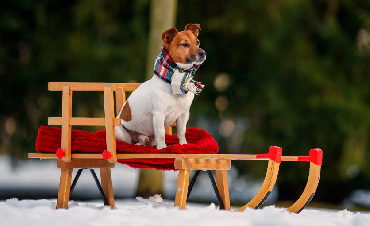

In winter, many animals go into hibernation after having built up sufficient energy reserves.Admittedly, others don’t fall into such a deep sleep, but they are forced to change their eating habits.Although this does not apply to animals domesticated by humans and living with them, but rather to those living in the wild, mainly in forests, our four-legged friends should still be fed slightly differently during the winter than at other times of the year.
Backyard vs. Home
When the temperature outside drops and it gets cold and windy, dogs need more energy to maintain a constant body temperature.This ensures that he maintains an optimal body weight, good physical condition, and good health.And more energy means more calories consumed.It has been calculated that for every 5-degree drop in temperature, the caloric content of a normal dose should be increased by approximately.7.5%.It is generally accepted that during the winter, the caloric content of dog food should be increased by about.10 to 30 percent.However, a dog’s winter diet should be varied depending on the conditions in which the pets live on a daily basis.Outdoor dogs are fed differently than those living indoors.
For backyard dogs and more active dogs
Outdoor dogs need food that is much higher in calories.If they were fed once a day during other seasons, they should now eat at least twice a day, and at least one meal should be warm (not hot), preferably homemade.This could be, for example, groats or rice with meat.Do not add lard or bacon fat, because what you need most of all is high-quality protein.Let’s make sure our pet’s meals are more nutritious with added nutrients.It’s best to ask your veterinarian what kind of food your pet should eat.You should also make sure your pet has water, which should be lukewarm and changed frequently.Under no circumstances should you pour salt into a bowl of frozen water to thaw it!
For "couch potatoes" – even a little less
Dogs that live indoors with their owners generally don’t need extra calories, unless they love going for walks and are active outdoors.In that case, you can slightly increase the calorie content of their meals or add an extra meal.However, if your dog isn’t as active as it is during other times of the year, or if it tends to gain weight, you might even want to consider reducing its portion sizes.It’s also important to remember, especially when the air in the house is overheated and dry, to make sure your pet always has access to water.
Attention:
- A winter meal should therefore be tailored to the pet’s physiological needs, breed, size, health, and level of physical activity.Miniature and small-breed dogs, as well as lean, muscular, and athletic dogs, lose more energy in the winter than their larger counterparts.
- In breeds with a gentle temperament, the loss of energy is slower.