
Why is the dog panting?
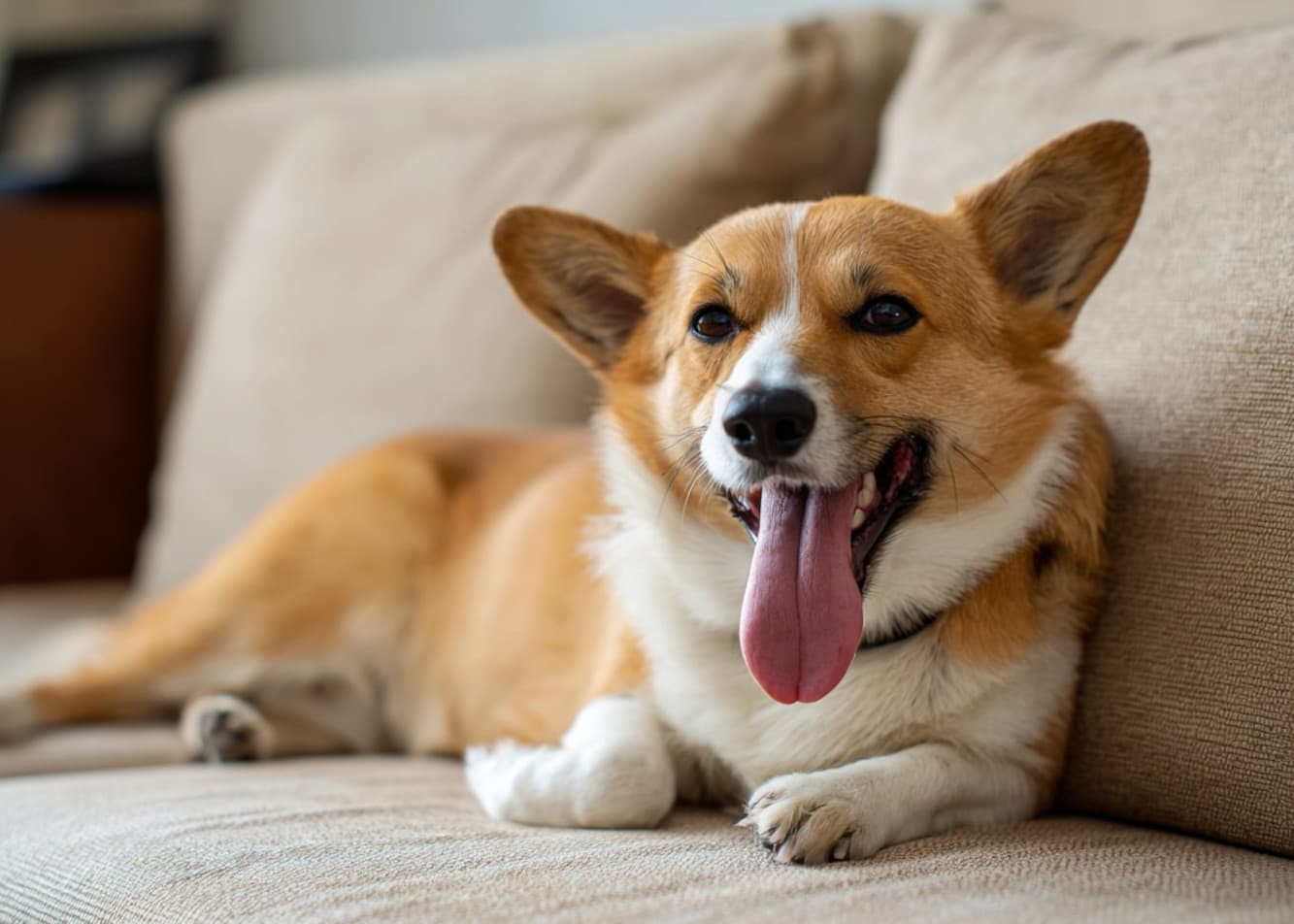
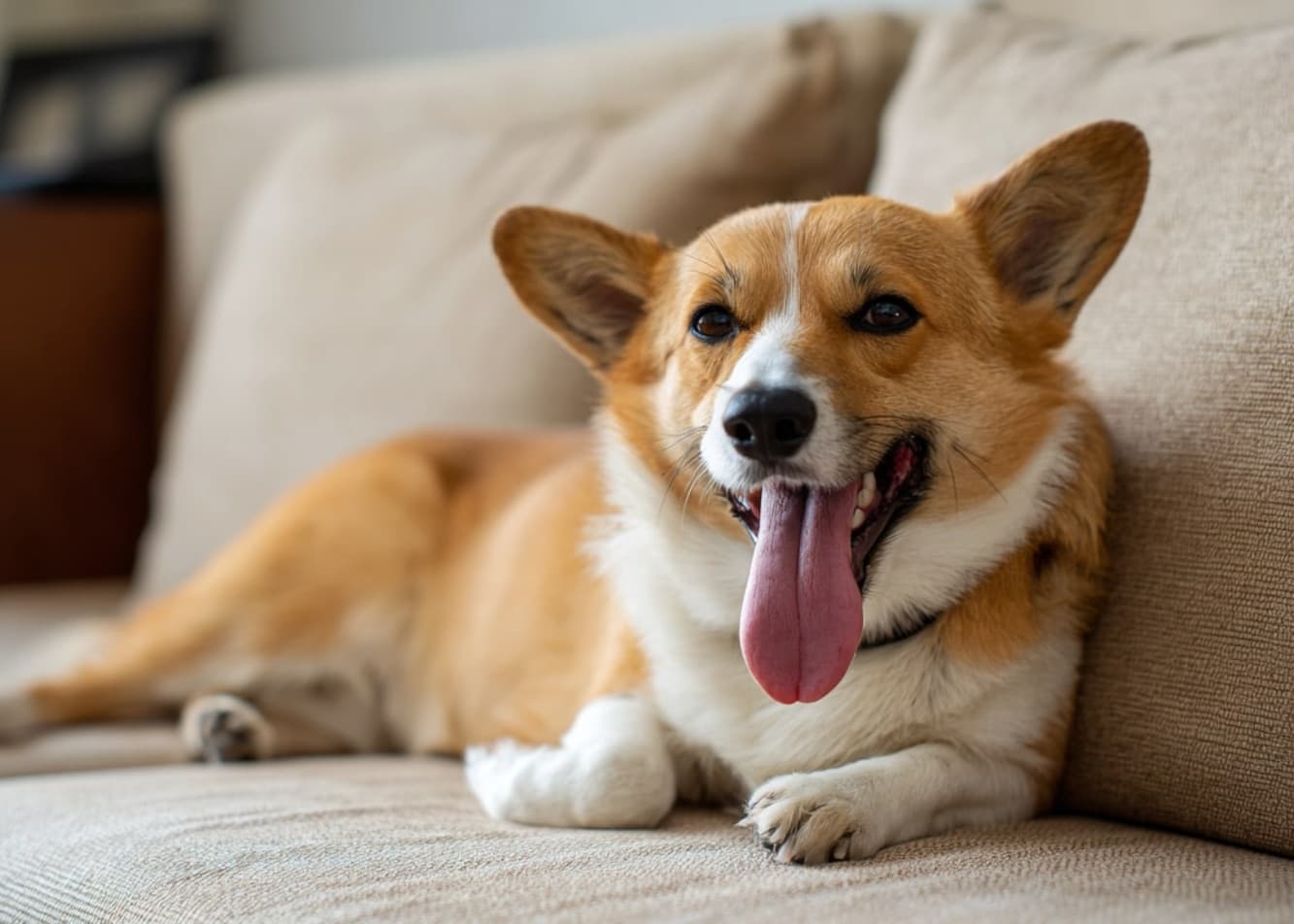
Although many pet owners have grown accustomed to seeing their four-legged companions roaming around the house or yard with their mouths open and tongues hanging out, not everyone knows exactly what this behavior means.Sometimes it comes on suddenly, in the middle of the night or in a seemingly calm situation, raising questions and doubts.Why is my dog panting when it's not hot, he hasn't been running, and he hasn't been under any stress??Is this a natural bodily reaction, or could it be a sign of a more serious health problem??
The concern that arises when a dog is panting for no apparent reason is completely understandable—especially among new dog owners or owners of older dogs.Breathing, as a form of body temperature regulation, operates through mechanisms that are entirely different from those involved in human sweating.How to recognize them, when to brush them off, and when to take action?Read on to find peace of mind and gain the knowledge you need to better care for your pet's comfort.
Table of Contents:
- Why is my dog panting??Natural causes of shortness of breath in pets
- When is a dog’s panting normal, and when should it be a cause for concern??
- Health issues that cause excessive panting in dogs
- How to tell if your dog is panting due to stress or pain?
- What to do if your dog is panting too much?First aid and recommendations
- When to see a veterinarian immediately?Warning signs
Why is my dog panting??Natural causes of shortness of breath in pets
Panting in dogs is a natural process that helps regulate body temperature, especially since dogs don't sweat like humans do. Their sweat glands are located only on the pads of their paws, which is why most of their heat—and, incidentally, moisture—is released through heavy panting with their mouths open.This is how the body protects itself from overheating.
It is worth noting that dogs pant not only when they are physically active.Excitement, stress, and sudden stimuli—such as an encounter with another animal—can also trigger increased breathing.Sometimes, your pet may breathe heavily during car rides, after a walk on warm days, or after vigorous play.
In some dogs, especially brachycephalic breeds—such as pugs, bulldogs, and Pekingese—the answer to why a dog is panting lies in the structure of its respiratory tract.A flattened snout makes it difficult to breathe, leading to more frequent panting even during light exertion.
When is a dog’s panting normal, and when should it be a cause for concern??
First and foremost, the circumstances must be taken into account.If panting occurs after a brisk walk, on a hot day, or when the dog is excited, there is no cause for concern.However, these types of reactions should subside after a few minutes of rest.
You should be concerned if your child is panting, especially if:
- it appears suddenly, for no apparent reason,
- takes much longer than usual,
- occurs at rest, especially at night,
- it is accompanied by other symptoms—anxiety, trembling, drooling, or smacking one's lips.
In such situations, it’s a good idea to grab a notebook and write down exactly when the wheezing occurs and what triggers it. This knowledge may prove invaluable when you visit the veterinarian.
Health problems that cause excessive panting in dogs
If your dog is panting and panting, and can't seem to settle down, it's worth considering a medical cause.One of the most common is pain—invisible at first glance, but felt by the animal. Shortness of breath can be the body's response to problems with the spine, joints, or digestive tract.
It also happens that a dog pants and shakes as a result of a fever, an infection, or shock.Especially in older dogs, a common cause is heart failure, which leads to hypoxia, and this, in turn, causes rapid breathing. Other serious conditions, such as liver disease, Cushing’s syndrome, or poisoning, can also cause excessive panting.
Owners should keep in mind that older dogs pant more often, even without any obvious reason.As pets age, their respiratory and cardiovascular systems become less efficient, meaning they need to work harder to maintain stable vital signs.
How to tell if your dog is panting due to stress or pain?
Both stress and pain can cause a dog to pant and become restless.Sudden changes in the environment, loud noises, loneliness, or the presence of strangers can trigger strong emotions, which manifest themselves in rapid breathing. In such cases, the pet is unable to calm down; it often paces back and forth, seeks contact with its owner, or, conversely, isolates itself.
Pain is usually accompanied by other symptoms: loss of appetite, lameness, and difficulty moving.It’s worth remembering that dogs rarely whine or howl in pain—their suffering often takes a very subtle form.It is good practice to observe your dog’s behavior when you touch it, especially around the belly and spine.
| A symptom associated with wheezing | Possible cause | Recommended action |
|---|---|---|
| Going in circles | Stress, separation anxiety | Provide a calm environment and contact with a caregiver |
| Isolating oneself | Pain, discomfort | Watch to see if your dog avoids being touched; consult your veterinarian |
| Loss of appetite | Pain, chronic stress | Have your pet checked by a veterinarian |
| Lameness | Injuries, joint conditions | Avoid overexertion; see a specialist |
| Difficulty moving around | Pain (e.g., back, hips) | Examine the dog, especially when touching it |
| Panting with its mouth wide open | Sudden stress, inner pain | Quick response – medical consultation required |
What to do if your dog is panting too much?First aid and recommendations
If your dog is panting heavily with its tongue hanging out, it’s best to provide it with a quiet, cool place with access to water.You can also lightly dampen their paws and the area around their belly with lukewarm water—this will help cool them down.If you suspect your child is stressed, it helps to play some calm music, dim the lights, and provide comfort.
Here are 5 steps you should take if your dog is panting excessively:
- Make sure the ambient temperature is comfortable—avoid walking in direct sunlight;
- Make sure your dog has access to fresh water around the clock;
- Don’t force your pet to exercise—especially if you have an older dog or a brachycephalic breed;
- Check your pet’s weight regularly—being overweight can make breathing problems worse;
- If in doubt, consult your veterinarian.
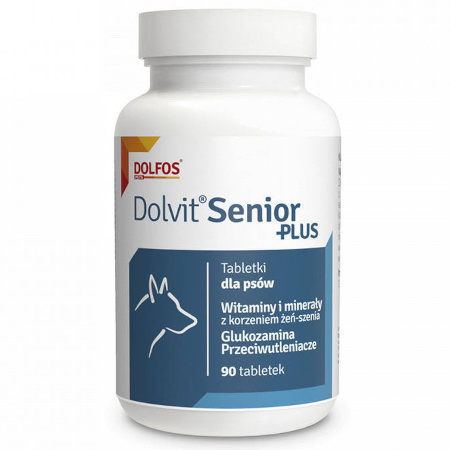
For pets that are sick, elderly, or recovering from illness, appropriate dog supplements—such as those found at and —can provide support by helping to maintain cardiovascular health, immune function, and respiratory function.


When to see a veterinarian immediately?Warning signs
Sometimes the question of why a dog is panting can’t go unanswered for more than a few minutes.The appearance of concerning symptoms requires an immediate response.Such situations include:
- shortness of breath – the dog opens its mouth but has trouble breathing,
- blue discoloration of the tongue or gums,
- lack of response to stimuli,
- loss of consciousness,
- vomiting or diarrhea, accompanied by heavy panting.
Acting quickly can save a life—in cases of poisoning, respiratory failure, or a heart attack, every minute counts.
| What to do? | Why it's important? |
|---|---|
| Stay calm and assess the situation—breathing, consciousness, the dog’s reaction | Panic will hinder your ability to act; a quick assessment allows you to take the right steps |
| Keep your dog on a leash – approach gently and avoid sudden movements | A stressed dog may react aggressively or run away |
| Place the dog on a blanket or a hard surface (such as a board)—on its side, with its head slightly raised | Makes breathing easier and prevents choking |
| Carry it safely to the car—avoid jerking it; it’s best to have two people | Minimizes the risk of deterioration or injury |
| Head to the nearest veterinary clinic | Time is of the essence—it’s better to get moving right away than to wait until you’re there to ask for help |
| Call the vet while you're driving—describe the symptoms, your dog's condition, and how long it's been going on | The veterinarian will prepare for the appointment and take the necessary steps |
| Do not give any medication or food without a doctor’s approval | It may worsen the dog's condition or interfere with the diagnosis |
Panting can be completely natural for a dog—but it can also be a subtle warning that something is wrong.Careful observation, an understanding of your pet’s behavior, and the ability to distinguish between normal reactions and signs of distress are the foundation of responsible pet care.Take care of your dog’s health and comfort every day—because you are their most important source of support.