Why is my dog always hungry?
The vast majority of dog owners would probably agree that their dog is always hungry.This is mainly due to an inability to set and enforce boundaries, which can lead to the dog eating anything within its reach.Why does this happen, and how can you address it to improve your pet’s quality of life at any age??You'll find out in the post below.
Why is my dog always hungry??
If you notice that your dog is often hungry, you should consider what might be causing it.A dog's constant hunger syndrome doesn't just come out of nowhere—it's often the result of intense, frequently negative emotions.These can include stimuli that cause your pet anxiety, such as excessive noise, a place or situation with unpleasant associations, or even the presence of a person or another animal that makes the dog feel threatened.Overeating everything that happens to be within sight may be a reaction to a stimulus—an attempt to improve the situation by turning it into something pleasant, namely food.
Another possible cause of excessive appetite in dogs may be the failure to meet their basic needs.Many breeds, especially hunting breeds, have a strong need for exercise, tracking, or hunting.If these needs are not adequately met, the dog may end up looking for a way to let off steam.A pet that gets enough exercise won’t look for other ways to relieve stress or meet its needs.
If a dog that is constantly hungry has all its needs met in terms of nutrition and exercise, the problem may be due to an inappropriate diet.Perhaps you aren't providing him with the right amount of nutrients, or his diet is lacking in vitamins and minerals.To ensure that a dog that’s always hungry stays well-fed, you need to provide a varied diet with adequate amounts of protein, fatty acids, and minerals—nutrients that support growth, health, and even vision and coat condition.
Increased appetite in dogs—how to deal with it?
If you notice that your pet has an excessive appetite, it may mean that its diet isn't properly tailored to its needs.What to do when your dog has an uncontrollable appetite?First and foremost, it is essential to establish a regular feeding schedule with consistent mealtimes—tailored to the dog’s weight, gender, and breed.On the one hand, it is essential to choose high-quality food; on the other hand, you should feed your dog enough so that it can eat its fill, which will minimize the risk of hunger pangs.It is also important to establish healthy eating habits and ensure your pet’s emotional stability — by eliminating factors that trigger increased appetite, you reduce the risk that your dog will constantly beg for food, as its attention will be diverted (e.g., by a walk, playtime, or learning new commands).
A dog's age should also be taken into account to some extent when feeding it.Your puppy is always hungry?This is understandable, since not only is it growing and developing rapidly, but it is also actively exploring its surroundings.Puppies are very active, and as their activity levels increase, so does their caloric need—something to keep in mind when choosing a balanced diet that meets these needs.
How to feed your dog?The Basics of a Healthy Diet for Your Pet
To help a perpetually hungry dog stop feeling excessively hungry, it is essential to provide it with high-quality food.The perfect choice for highly active dogs is this functional dog food , which has been developed by specialists to minimize the risk of developing or exacerbating diseases and various health issues.It is enriched with ingredients that support metabolic processes, essential fatty acids, and prebiotics that promote gut health.
Another excellent option is superfood dog food , which is highly nutritious and rich in minerals and vitamins.Another component of a high-quality diet can be a single-protein dog food , which is an excellent solution for dogs with food intolerances.You can choose from both dry and wet products.
In addition to regular meals, it’s a good idea to include dog treats in your pet’s diet , which not only serve as rewards during training but can also help prevent tartar buildup and maintain oral hygiene.It’s worth giving your dog treats and various dog snacks , such as the veal strips available at and, because they help your pet release energy and keep them occupied, so they don’t have to focus on their appetite—which the treats also satisfy.
A dog's insatiable appetite—is there cause for concern??
An excessive appetite in dogs should be addressed, as it can lead to many health problems, including obesity.If your dog hasn't previously experienced sudden, excessive hunger, this could be a sign that something is wrong.Unless the loss of appetite is due to a change in living conditions, a stressful situation, or a change in diet, your pet may be suffering from a metabolic disorder, parasites, or an inflammatory condition.What should you do if your dog is losing weight even though it's eating??This may indicate the development of underlying health issues, especially if you notice a sudden increase in appetite in an older dog—this requires immediate consultation with a veterinarian.
What to do about a dog's constant hunger?Ways to reduce a dog's appetite
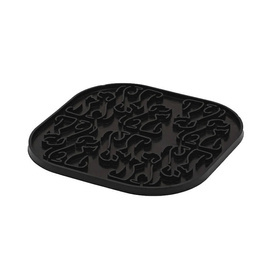
In addition to the previously mentioned methods for reducing a dog’s appetite—such as providing high-quality food, ensuring adequate exercise, and minimizing stress—a great approach is to use special feeding toys that slow down food intake, which can come in the form of toys and balls.Bowls and mats with special raised ridges, such as Dolina Noteci LOLLIPOP , are also a great idea. They require your pet to put in a little effort to get the food out, which significantly lengthens the entire process.Thanks to the slow-feed bowls, the dog cannot gulp down its food without thinking, which has a positive effect on digestion and more.You can find a variety of accessories and top-quality dog treats at the online store www.Noteci Valley.en - Visit us if you're looking for ways to make your pet happy.