
Where do cats like to be petted?
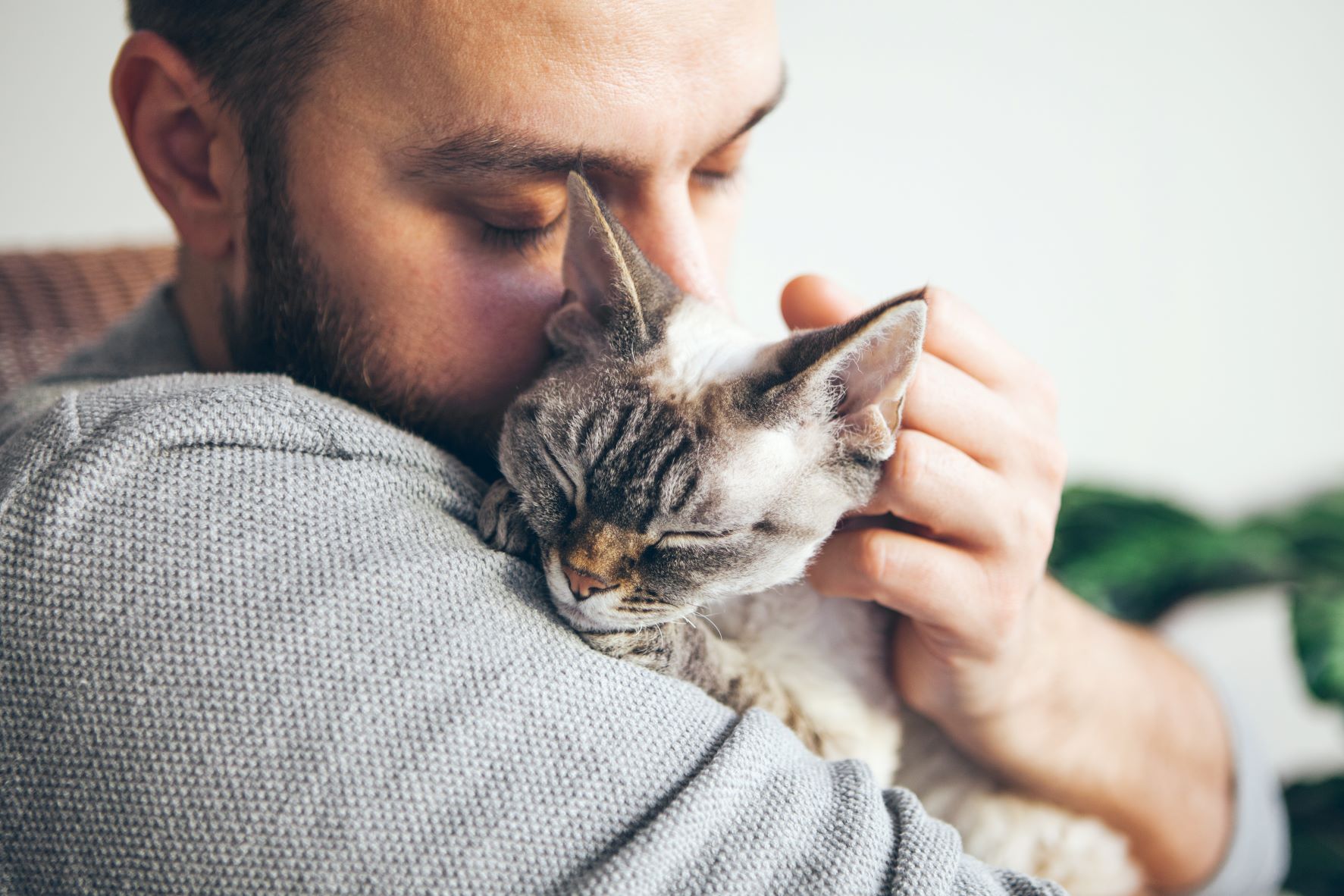

When thinking about this topic, it’s a good idea to start with the question, “Do cats like being petted?”?".The answer, as is often the case in the animal world, is: it depends.Touch is, after all, a very direct form of contact for a cat, and not all animals will tolerate it well.Much depends on a cat’s early experiences—that is, on what the cat learned during the so-called period of primary socialization.This is the first 12–16 weeks of a cat’s life, during which the animal learns about the world and the rules that govern it.It turns out that cats who were exposed to human touch more frequently and intensely during their early lives tolerate it better as they get older, and many of them actually enjoy this form of contact (assuming, of course, that the touch was pleasant for them in the early stages).However, if no one pets, picks up, or cuddles the little kittens, they may find this uncomfortable later in life, or simply...unnecessary.There’s really nothing wrong with this—it’s just a trait of a cat that doesn’t care for being touched, and it has every right to feel that way.
Signs of a cat's affection
The most common way we usually pet cats is by running our hand from their head down their back to their tail.However, when we look at how cats communicate, there is no such element in it!Cats do touch each other, but this contact is usually concentrated around the head and serves a very strong social function.It is precisely this rubbing of heads that marks the beginning of a cat’s friendly interaction, known as “butting heads”.Interestingly, cats have also extended this gesture of greeting and friendship to humans, thereby creating an interspecies message that says, “I like you.”!".
Now that we know this, we also have the answer to the question, “Where should I start when it comes to physical contact with a cat?”?".That's exactly right: starting from the top.It’s worth sticking out a finger at your cat and waiting to see how it reacts.If they rub their snout against you, that means it’s okay to keep touching them.If the dog merely sniffs your finger and backs away without touching it, we should also stop trying to close the distance further.
Other areas where a cat enjoys being touched by a human hand are usually behind the ears, under the chin, and, for many cats, along the lower back and near the base of the tail.However, we must remain vigilant here because:
- Not all cats like being touched there, and some may react negatively, including by swatting with their paw or making a play-bite,
- In unneutered female cats (including spayed females), stimulation of this area can produce effects similar to those of estrus,
- In cats with Fluttering Skin Syndrome (FHS), intense stimulation of the lower back (whether through petting or brushing) can trigger an episode of the condition; therefore, special care should be taken during direct contact with animals affected by this condition.
Where not to pet cats
Cats also have so-called "off-limits areas" on their bodies, which usually include their paws, belly, and often their tail as well.Under no circumstances should you pull a cat by the tail, as this can damage its delicate vertebrae and cause permanent disability.When it comes to touching their paws, it’s a good idea to get your pets used to it as part of their nail care routine—if you want to trim your cat’s nails regularly, your pet should be comfortable with having its paw pads and toes touched.As for the belly—there are two types of animals here: those who love having their bellies rubbed and those who hate it.It’s always a good idea to tailor our actions to our cat’s preferences, so that being touched is a pleasure for our pet, not a chore.
CAT BEHAVIOR EXPERT
Małgorzata Biegańska-Hendryk