
When do kittens open their eyes?
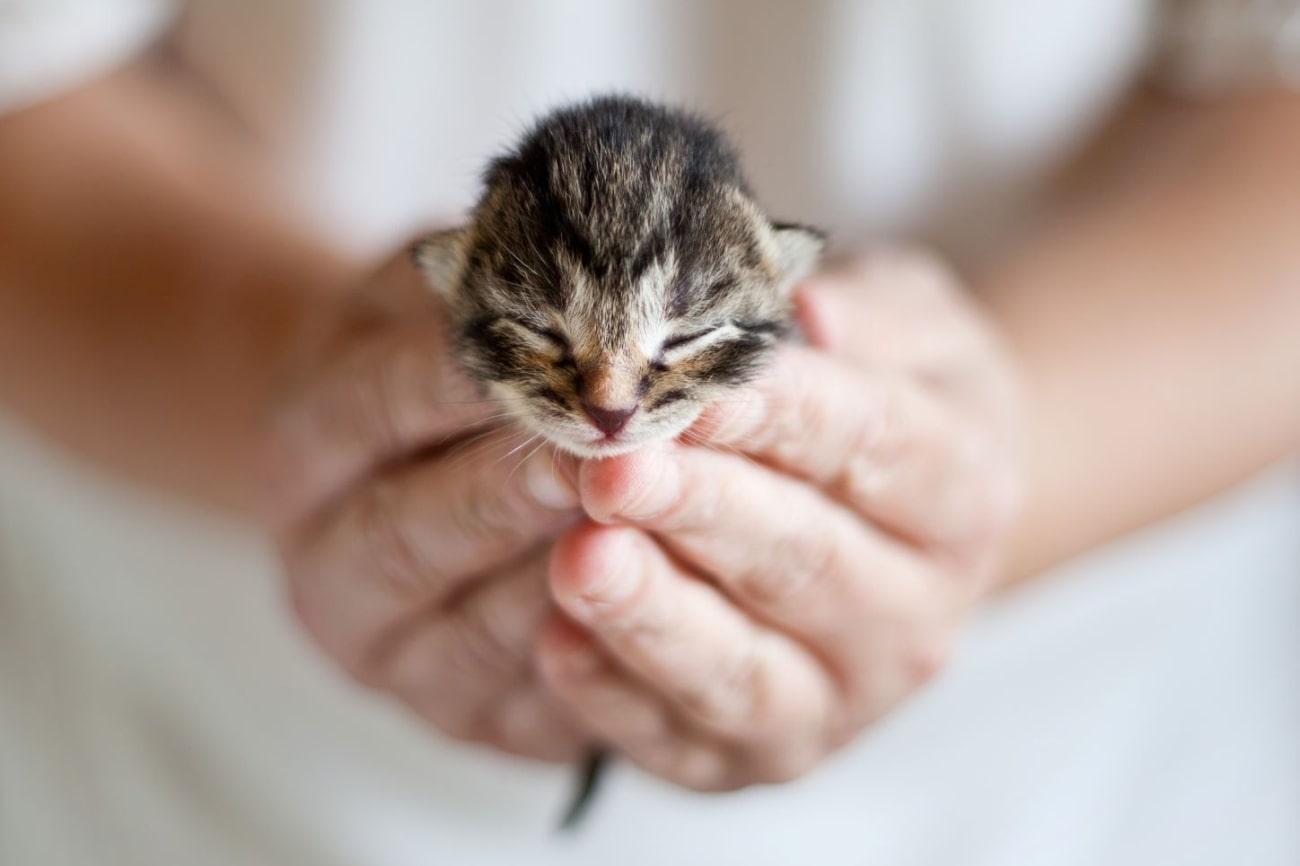
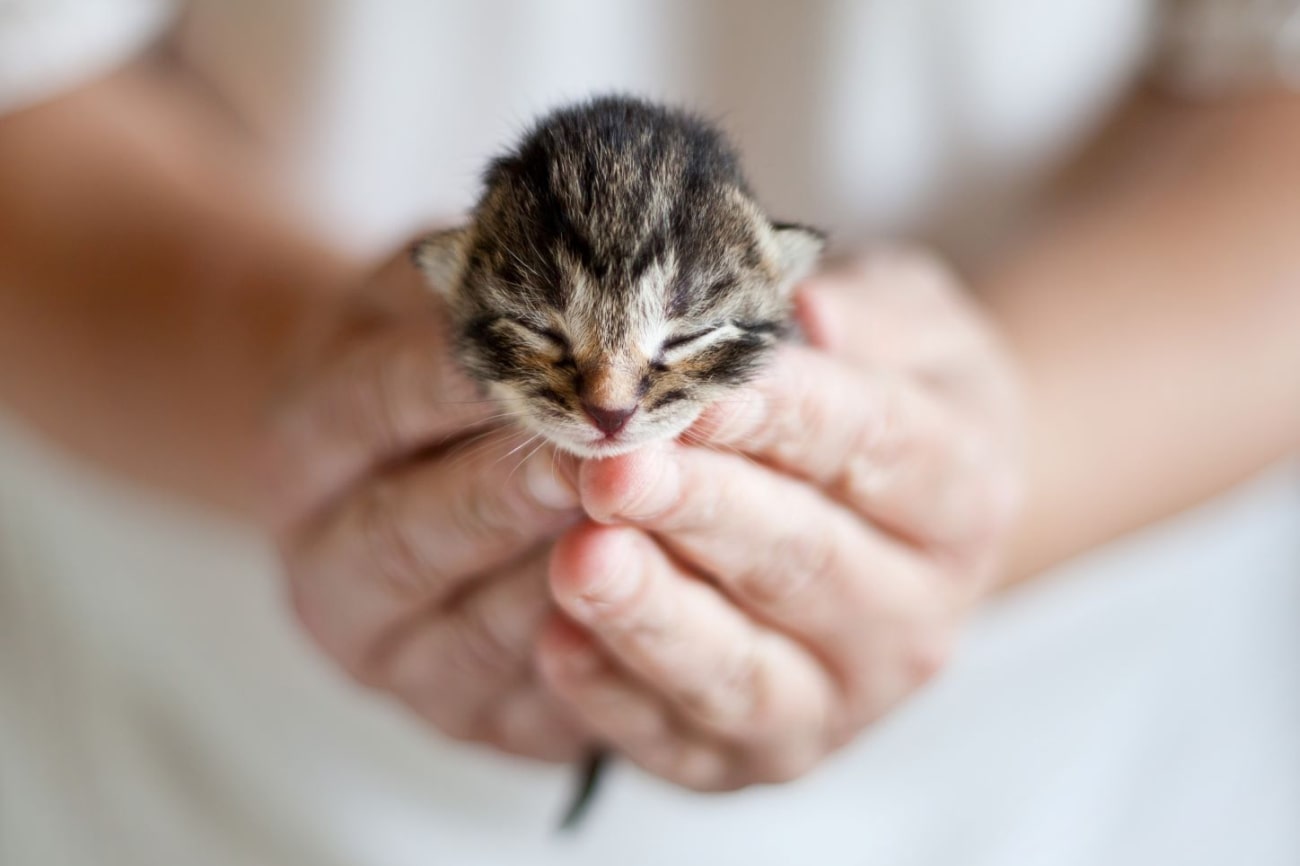
Cats belong to a group of animals whose members are born with very limited sensory function.Sight, which is one of the key ways of perceiving reality, is the third sense to develop in them—after smell and the sensation of heat and cold.Kittens usually begin to open their eyes during their second week of life, between 8 and 14 days after birth.Interestingly, in male cats, this process may begin later and last longer than in female cats.
Proper development of cats
Light is essential for the proper development of vision in cats—without it, kittens’ eyes will function less effectively.That is why it is so important for young children to have access to natural light.If, for example, they are born in a dark basement and grow up entirely inside it, without any exposure to sunlight, their eyesight will be weaker.
Unfortunately, the process of kittens opening their eyes can be accompanied by many complications.The most dangerous of these is what is known as neonatal purulent eye syndrome.This is a condition in which a young kitten becomes infected with a disease that most commonly affects the upper respiratory tract and the eyes, leading to bacterial growth and the discharge of pus from under the eyelid, which is still closed.If that happens, the eye that should be opening up may find itself literally sealed shut, allowing bacteria to penetrate the eyeball and cause its destruction.Such kittens may go blind even before their eyelids open.
When kittens open their eyes?
The process of opening the eyes should therefore be closely monitored, but it should not be artificially accelerated.Attempts to forcefully pull the eyelids apart on your own are absolutely unacceptable.If you have any concerns about the process of kittens opening their eyes, you should consult a veterinarian immediately.
Most kittens have stunning blue irises once their eyes open.Unfortunately, for most of them, the eyes don’t reach their final color until after they’re 6 weeks old, and the color changes to more common shades such as sandy, golden, or the increasingly rare green.However, if the child’s blue iris pigmentation persists, this should be taken into account when caring for them in the future.Cats with blue eyes may be highly allergic to Ivermectin (a medication used to treat parasites), while white cats with blue eyes may be genetically deaf.
Caring for Kittens
Proper eye care is also very important—both in early childhood and later in life.Forget the once-popular advice about rinsing your eyes with chamomile tea—it’s very dangerous because chamomile dries out the eye’s mucous membrane, which can lead to further health complications.If it is necessary to rinse the eyes, this can be done using a cooled eyebright infusion, saline solution, or specialized veterinary products.In turn, any discharge around the eyes, redness, swelling of the eyelids, or a third eyelid clearly covering the eyeball (which is normally hidden at the inner corners of the eyes) is a sign that you should see a doctor as soon as possible.It is worth noting that in veterinary medicine, ophthalmology is a separate specialty, so it is advisable to consult an ophthalmologist for more complex cases.
Recommended

Dolina Noteci Premium Junior Wet Cat Food: Cod and Sardine Meal, 85 g