
When a cat becomes a senior – changes in behavior and habits
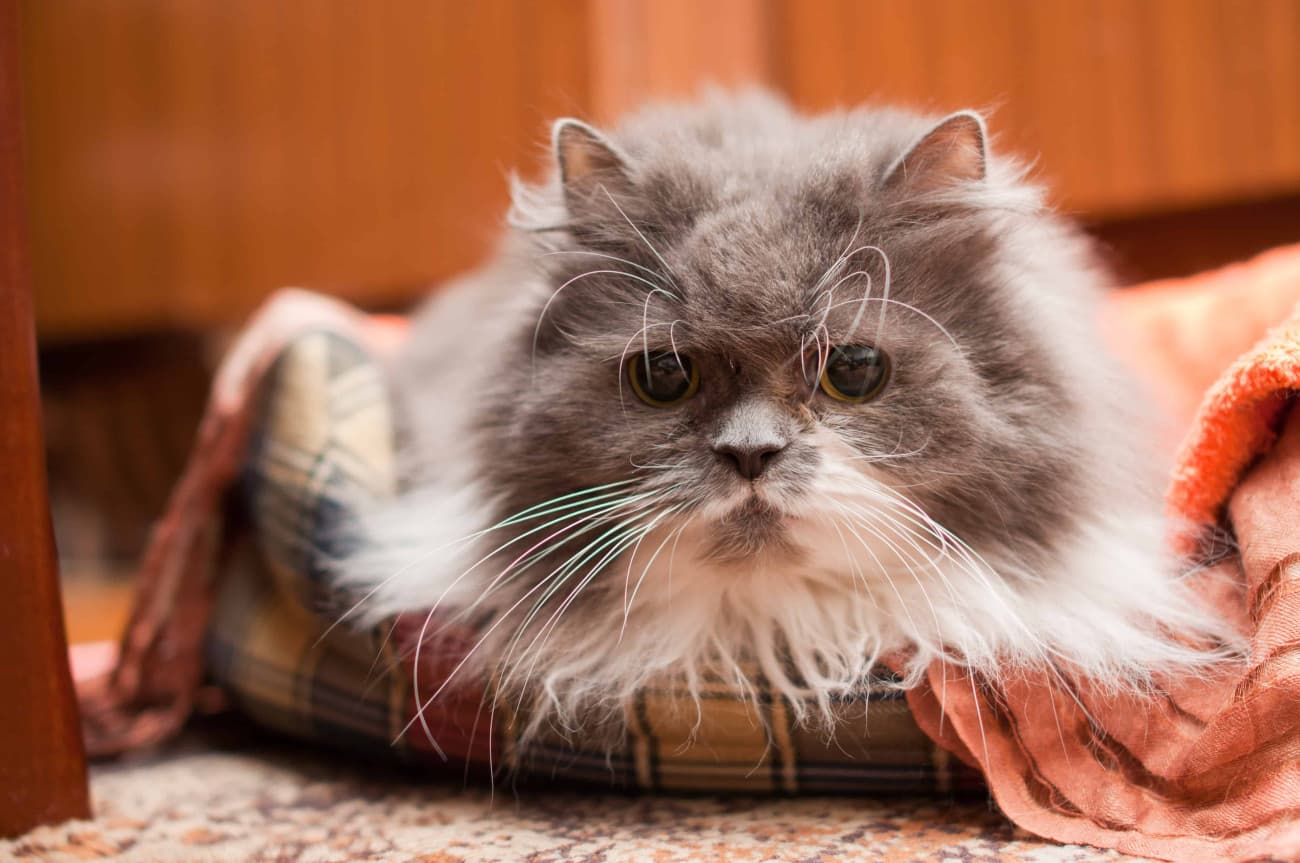
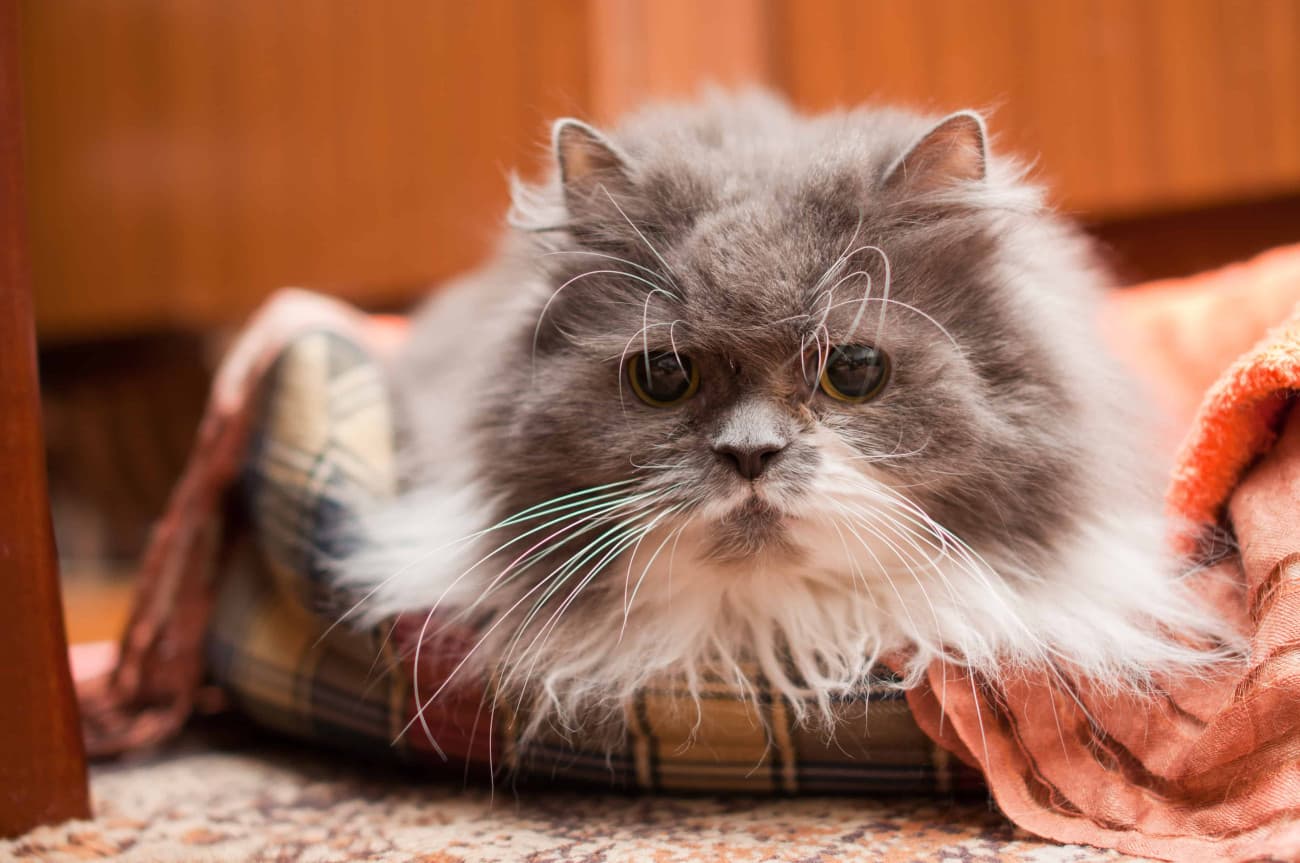
Cats, like humans, are living longer and longer.These days, cats living into their teens are no longer a surprise, and many easily live past the age of 20.However, this longevity comes with certain consequences—the cat becomes a senior relatively quickly, and then a geriatric, thus requiring specialized care.
The Stages of a Cat's Life - When a Cat Becomes a Senior?
Cats' lifespans have increased significantly thanks to safe living conditions, a healthy diet, and comprehensive veterinary care.In the wild, a cat that has no human support survives for about.6–8 years (fun fact: that’s roughly how long a cat’s teeth are expected to last; in older cats, they often begin to deteriorate and require specialized dental care).We can therefore divide a cat’s life as follows: from birth until the end of the second year of life—a period of growth, reaching sexual maturity, and finally, psychological maturity,
- between 2 and 8–10 years old – an adult cat,
- 8–10 to 15 years old – mature (senior) cat,
- over 15 years old – a senior cat.
As you can see, cats often spend nearly half their lives as senior or elderly animals.Therefore, close attention should be paid to a number of related issues.
Cat Health and Examinations
For adult cats, it is absolutely essential to follow preventive health care guidelines.In addition to the standard annual checkup (which includes a complete blood count, blood chemistry panel, comprehensive electrolyte panel, urinalysis with sediment evaluation, and a dental exam), you should also have your thyroid and heart checked.Cats over 8 years of age are prone to developing hyperthyroidism, and cats over 10 years of age face an increased risk of developing heart conditions, including hypertension, which will further strain their delicate kidneys.
In addition, older cats must be regularly examined to assess the condition of their musculoskeletal system, as many of them begin to develop inflammatory and degenerative joint conditions between the ages of 10 and 12.They limit a cat's mobility and cause chronic pain, which prevents the animal from living a peaceful and comfortable life.
Another issue is the teeth, as mentioned earlier—their poor condition not only causes chronic pain and eating disorders, but also puts a strain on the kidneys due to the bacteria multiplying in the mouth, which poison the body.All of this must therefore be under constant veterinary supervision, and the caregiver must remain vigilant and respond to any change in the pet’s behavior.
Further consequences of old age
As they age, older cats lose some of their sensory acuity—primarily their hearing, and often their vision as well.These factors, combined with reduced mobility, mean that a cat’s living space needs to be adapted to the needs of an older cat.Older cats feel the cold more easily and have weaker immune systems, which makes them more susceptible to infections.You should therefore make sure they are not exposed to drafts and cold air, that they have access to their favorite spots (sometimes this requires building steps or ramps for them) and to make it easier for them to perform daily activities (e.g., by purchasing a suitable litter box with a lowered entrance so that the elderly cat doesn’t have to strain its joints when getting inside).
For older cats, a proper diet and the right wet cat food are very important .Targeted supplementation and the right vitamins for cats are also important .Older cats have a reduced ability to absorb energy, so their energy intake must be monitored regularly.Without this, the pet may start to lose weight, which in turn can lead to age-related physical decline—a condition that should be avoided.Under no circumstances should older cats have their protein intake restricted simply because of their age—on the contrary: senior cats may actually need even more protein than before to help their bodies recover and manage chronic conditions.
How does a senior cat's behavior change??
An elderly cat needs peace and quiet every day so it can rest properly and get enough sleep.Therefore, it is important to make sure he has his own safe space, away from children, noise, or younger animals that might bother him.Any unnecessary stress can worsen the overall health of an elderly person, which is highly inadvisable.
Old age in cats is a natural process.Appropriate, attentive care—provided on multiple levels simultaneously—combined with an understanding of the unique needs of this stage of a cat’s life can ensure that a senior cat leads a happy and peaceful life, surrounded by the love of its caregivers.Let’s keep in mind that older cats should also play and enjoy various activities—of course, ones that are suited to their abilities and needs.New tasks stimulate the brain and keep it in better shape, which reduces the risk of cognitive impairment in the elderly.
CAT BEHAVIOR EXPERT
Małgorzata Biegańska-Hendryk