
What's the deal with taking cats for walks?
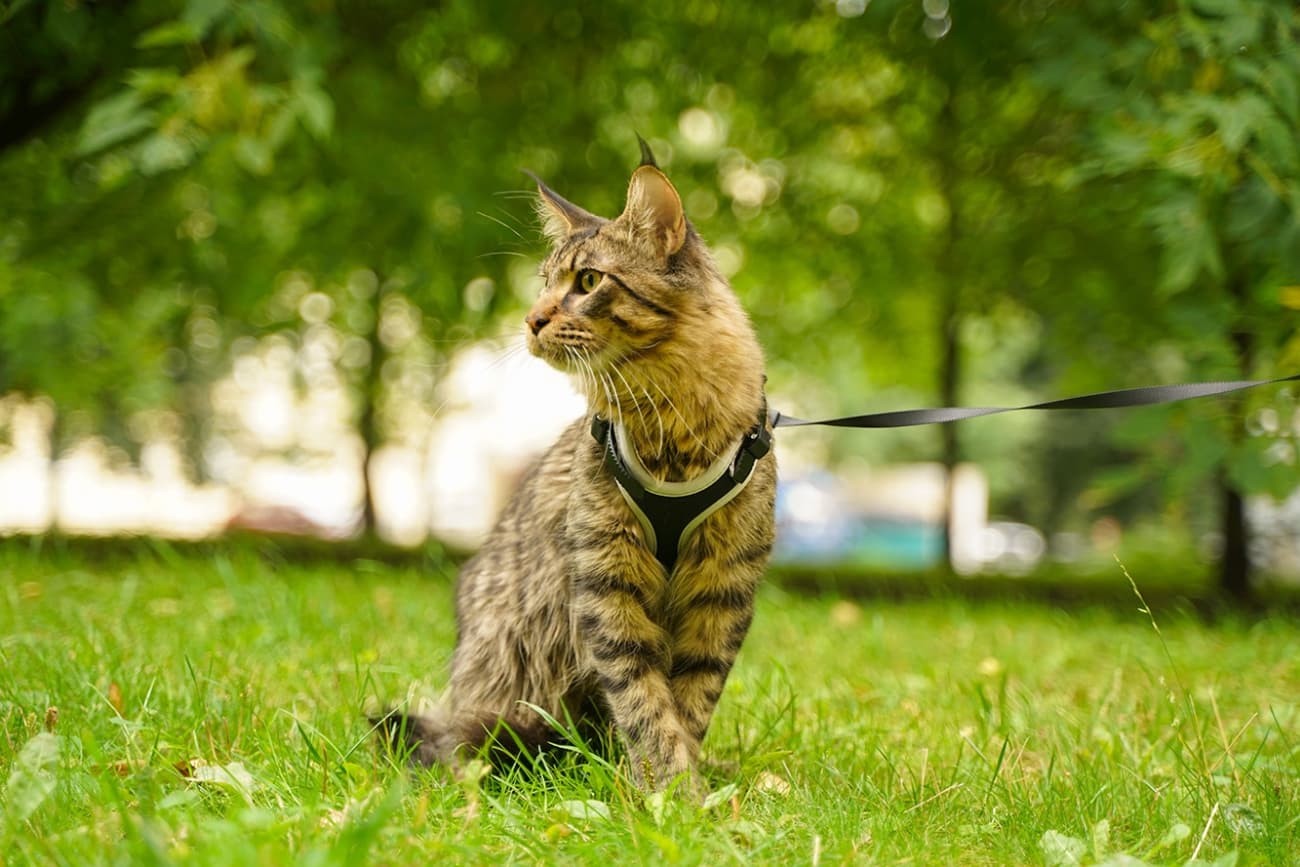
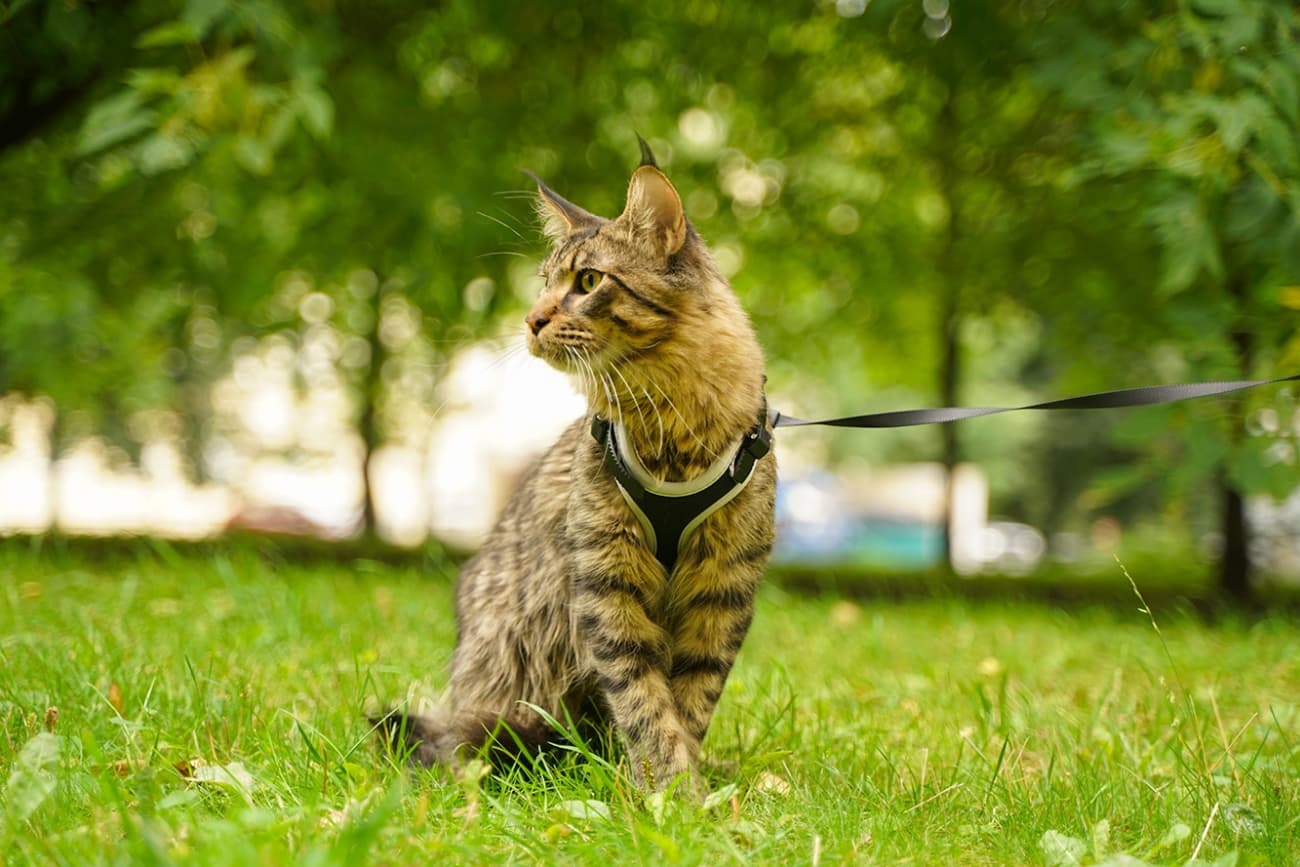
In recent years, there has been a noticeable increase in the sense of responsibility that cat owners feel toward their feline companions.More and more people are choosing to keep their cats indoors, which is the best way to ensure their safety.Sometimes, however, people also think about taking their pets for walks.Unfortunately, this isn't always a good idea, and a lot depends on the pet itself.
Do cats need to go for walks??
If there are enough things to keep the cat entertained at home, and the cat is properly cared for and has the opportunity to act on its instincts, there’s no need to get it used to going for walks.The very act of taking a pet outside can be an interesting change of pace and give it more opportunities to explore its surroundings, but it’s certainly not something that every pet will feel deprived of.
Forcing a cat to leave the house can be a huge burden for it and a major source of stress.This is because cats generally like predictability and a certain stability in the world around them, whereas on a walk everything changes rapidly: sounds, smells, people, animals, and scenery.In cats that are fearful or withdrawn, or those unaccustomed to change, this can cause unnecessary stress.
We can consider taking our cat for a walk when our pet:
- He is brave, eager to learn new things, and does not exhibit any anxiety-related behaviors,
- is gradually taught that leaving the house does not make things worse for him (e.g., a trip to the vet), but is an interesting addition,
- He has no trouble adjusting to new surroundings, and it comes easily to him when he is with his caregiver.
What do we need for a walk??
First and foremost, the right accessories.When walking your dog, make sure to use a properly selected and well-fitting harness that your pet cannot slip out of.The model should be selected based on the individual's build, size, and coat.
The second step is a leash—usually a retractable leash or a long walking lead—which the cat will use to explore the neighborhood.Make sure to check the quality of the carabiner so that you don’t lose control of your pet if it jerks.
We'll also need a carrier or a bag.When you go for a walk, it’s a good idea to bring along a “carrier” where your cat can hide at any time, as if it were a safe haven.This is very important in moments of potential danger, because it helps the pet regain its balance more quickly.There are also cats that wander quite a distance but insist on coming home...carry.In such a situation, the right bag or backpack can be very helpful.(NOTE!Cat carriers with transparent plastic walls heat up very easily and have relatively poor ventilation, so you must be careful not to lock your pet in a backpack “aquarium,” exposing it to heatstroke!).
Special strollers designed for cats have also been available on the market for several years.This is a great way to take your pets out for longer walks—the cat has its own safe space from which to observe the world, and at the same time, we don’t have to carry anything.
Before deciding to take your cat for walks, make sure it is protected against external parasites and has up-to-date vaccinations against viral diseases!
How to get started?
Before taking your cat for its first walk, it’s a good idea to start by gradually getting it used to the harness at home.It’s best to do this in short sessions, with plenty of treats as rewards for behavior that follows the principles of positive reinforcement.
Unfortunately, not every cat will be thrilled at the idea of being dressed up in anything.Some animals experience what is known as "harness paralysis"—they roll onto their side and lie motionless.This is one of the survival strategies an animal employs when it senses a serious threat.So if your pet behaves this way and you can’t get it to stop, that’s a sign you’re better off skipping the harness (and walks).
Walking Pitfalls
There are several, but the most important one has to do with a cat's need for access to its food supply.Cats are animals that need to have access to their litter box whenever they want.When that is not possible, they may begin to loudly demand that their needs be met.Take, for example, the annoying meowing at 4 a.m. in July, when it’s already light out and the cat would love to go for a walk, or at 10 p.m. in November, when it’s cold and raining outside, but the cat is dry and warm inside, so it doesn’t understand that the weather outside isn’t conducive to going out.
Such unmet needs can have far-reaching consequences related to coercion, increased frustration, and in extreme cases even manifest behaviors such as, for example, communicative urination outside the litter box or elements of transference aggression.So, before we decide to embark on a walking adventure, let’s think carefully about whether we’re ready for it, because the consequences may turn out to be completely different from what we initially expected.
