What to do about constipation in dogs? A Guide for Concerned Caregivers
Constipation in dogs can be mild and temporary, but in some cases it may be a sign of a more serious health problem.If a dog hasn’t had a bowel movement for an extended period of time and is also experiencing bloating, restlessness, or a lack of appetite, the owner must act quickly—ideally based on their knowledge and observation of the animal’s behavior.
Before visiting the vet, it’s worth knowing some proven home remedies for constipation in dogs, which—when used sensibly—can provide quick relief.Staying properly hydrated, following a high-fiber diet, and engaging in light physical activity are methods that often work effectively without the need for medication.
Are you wondering how to help your dog with constipation without causing it stress or subjecting it to unnecessary procedures??In this article, you'll find a practical guide to help you identify the problem, take safe steps, and keep your pet's digestive system healthy.
Table of Contents:
- What is constipation in dogs and how to recognize it?Key symptoms
- The most common causes of constipation in dogs—diet, lifestyle, and medical conditions
- Home remedies for constipation in dogs
- Diet and food for constipation
- When should you take your dog to the vet for constipation??
- How to Prevent Constipation in Dogs?Effective prevention
What is constipation in dogs and how to recognize it?Key symptoms
Constipation in dogs is a condition in which the animal has difficulty passing stool or does so much less frequently than usual.The symptoms are usually obvious—the child frequently tries to have a bowel movement without success, adopts a tense posture, and behaves in a way that suggests discomfort.
Characteristic symptoms include:
- hard, dry stools or a complete lack of them,
- excessive licking of the anal area,
- apathy or anxiety,
- abdominal bloating,
- sometimes also vomiting or a fever.
It’s important to remember that occasional difficulties are no cause for alarm, but if your dog’s constipation persists for more than 48–72 hours, you should consult a veterinarian.
The most common causes of constipation in dogs – diet, lifestyle, and medical conditions
Bowel movement issues can have many causes—ranging from dietary mistakes to diseases of the gastrointestinal tract or the perianal glands.In everyday veterinary practice, the most commonly diagnosed causes are:
- not enough fiber in the diet,
- dehydration,
- lack of physical activity,
- ingestion of a foreign object,
- Constipation in dogs caused by bones – bones are hard, remain in the digestive tract for a long time, and can lead to painful blockages – you should not give them to your pet,
- side effects of medications or anesthesia,
- stress and environmental changes.
Ignoring these factors over a long period of time can lead to chronic constipation and even poisoning from toxins accumulating in the intestines.
Home remedies for constipation in dogs
For mild constipation lasting less than two days, it is worth considering safe measures to promote bowel motility.First and foremost, make sure to stay properly hydrated and increase the amount of fiber in your meals.
Here are some proven methods you can try:
- adding a small amount of vegetable oil (such as flaxseed or salmon oil),
- more fresh water—preferably in several places around the house,
- cooked pumpkin or grated carrots – these fiber-rich vegetables can stimulate digestion,
- abdominal massage and longer walks,
- dietary changes, such as switching to a wetter food.
When it comes to home remedies, a common question is whether milk is effective for treating constipation in dogs.Although it is sometimes used as a mild laxative, it should be administered with great caution.Most adult dogs are lactose intolerant, which can lead to diarrhea or stomach pain.Therefore, it’s a good idea to consult your veterinarian before using milk—it’s not a one-size-fits-all or safe solution for every pet.
Diet and food for constipation
One of the cornerstones of healthy digestion is a properly selected dog food.Foods rich in fiber and ingredients that support bowel movements, such as inulin and flaxseed, can effectively prevent constipation.
Changing your diet can be a key step in managing chronic constipation.It’s a good idea to choose foods with a higher moisture content, such as wet or semi-moist foods—they help keep your dog hydrated and make it easier for them to pass stool.
| Ingredient | Effects on the digestive system | Natural source |
|---|---|---|
| Dietary fiber | Increases stool bulk and stimulates peristalsis | Wheat bran, beet pulp |
| Inulin | A prebiotic that supports beneficial gut bacteria | Chicory, Jerusalem artichoke |
| Flaxseed | It moisturizes the intestines and facilitates the passage of stool | Flaxseeds |
| Pumpkin | A natural source of fiber, gentle on the stomach | Cooked pumpkin or pumpkin powder |
| Linseed oil | It acts as a natural stool softener | Flaxseeds |
| Beet pulp | It regulates digestion and provides fiber | Sugar beets |
| Meat broth (unseasoned) | Increases the moisture content of the food and enhances the flavor | Clear meat broth, without seasoning |
When should you take your dog to the vet for constipation??
Although home remedies often provide relief, there are situations that require immediate professional attention.If your dog hasn’t had a bowel movement for more than 48–72 hours and is also showing concerning symptoms—such as vomiting, weakness, or a distended abdomen—you should seek veterinary care immediately.
Recurrent digestive problems, a decreased appetite, or a sudden change in behavior may also indicate an underlying condition that requires diagnosis and treatment of constipation in dogs in a clinical setting.
How to Prevent Constipation in Dogs?Effective prevention
Prevention is far better than cure—this principle also holds true for digestive problems.What matters most here is paying attention to your diet, staying active, and eating meals at regular intervals.
Effective preventive measures include:
- feeding a properly balanced diet rich in fiber,
- ensuring that your dog has free access to clean water,
- avoiding feeding bones and hard-to-digest kitchen scraps,
- making sure to take regular walks and stay physically active,
- Monitoring bowel movements – responding quickly to any abnormalities.
Supporting digestive health is a process that requires attention and consistency.If you're wondering how to help your dog with constipation, it's best to start with daily habits that promote regular digestion.
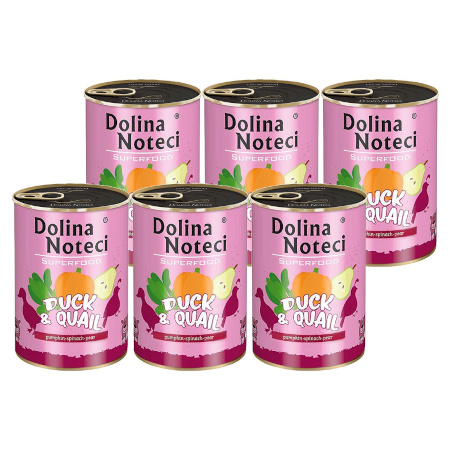
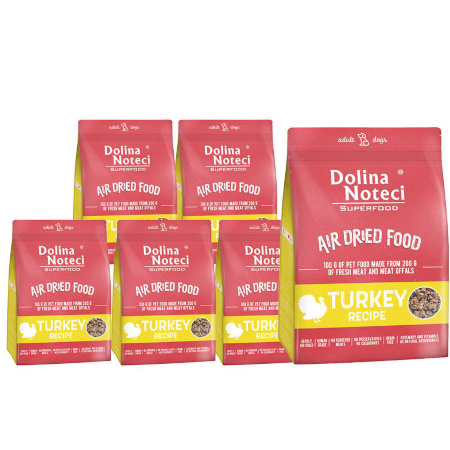
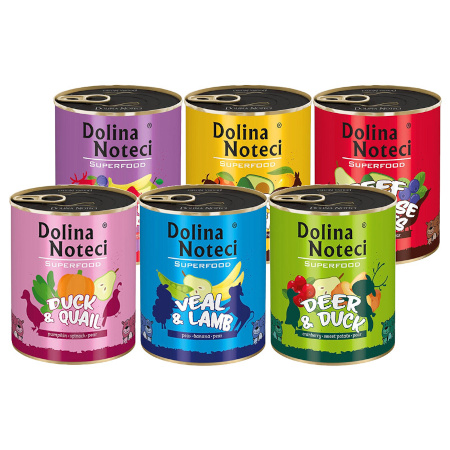
Temporary home care, appropriate food, and a quick response to concerning symptoms can effectively prevent bowel movement problems.Knowing what really works for constipation in dogs is crucial—especially since there can be many causes of constipation, and ignoring them can sometimes lead to serious complications.
Watch your dog closely, don’t ignore warning signs, and don’t hesitate to ask your veterinarian for help if your pet’s behavior concerns you.By ensuring a healthy diet and daily exercise, you can effectively protect your pet from the unpleasant problem of constipation—for the long term.
Recommended
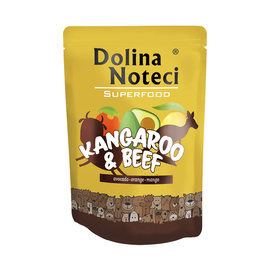
Dolina Noteci Superfood Wet Dog Food with Kangaroo and Beef, 300 g pouch
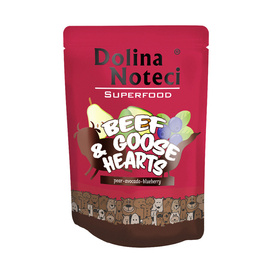
Dolina Noteci Superfood Wet Dog Food with Beef and Goose Hearts, 300 g pouch