
What sounds might cats be afraid of?
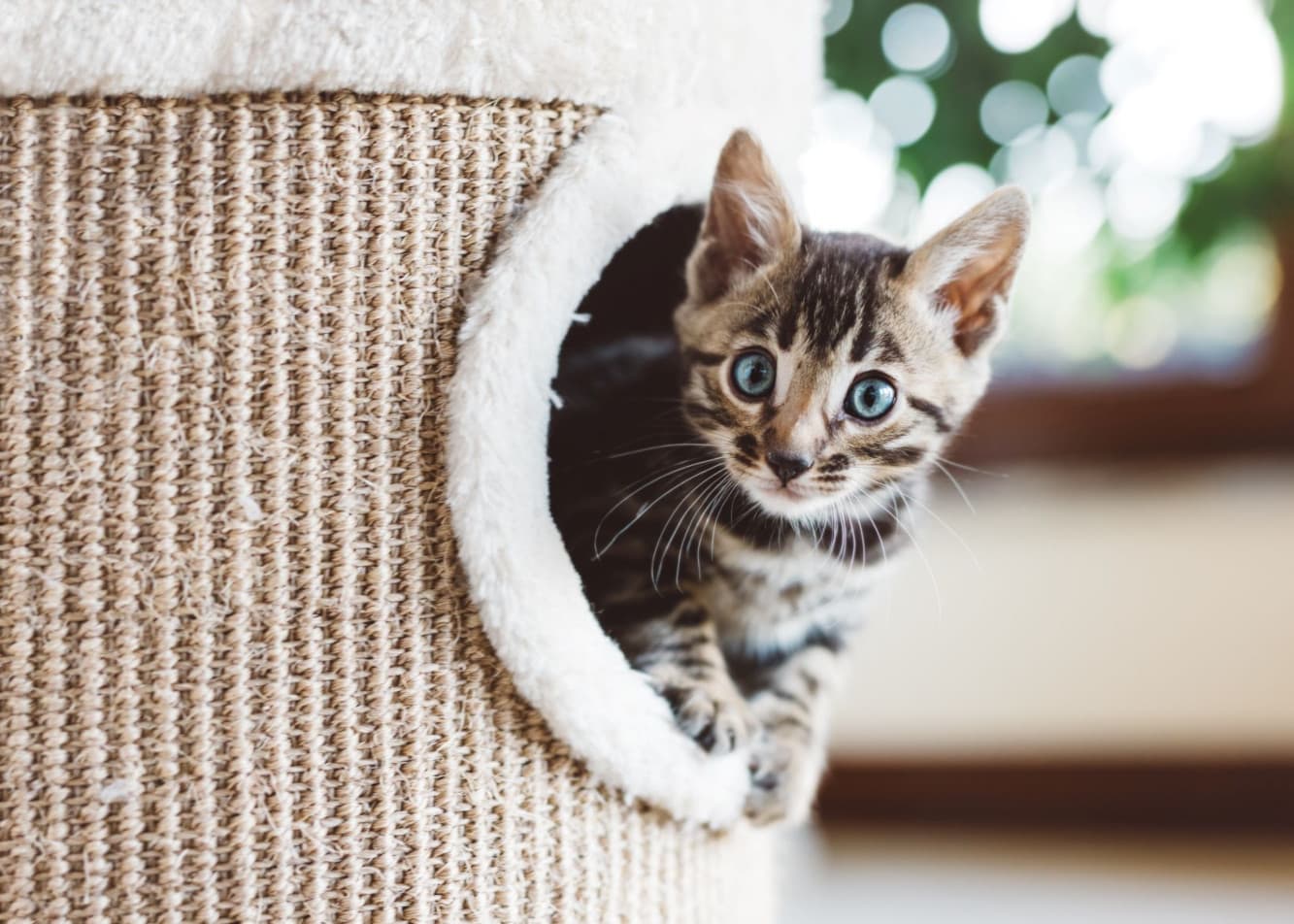
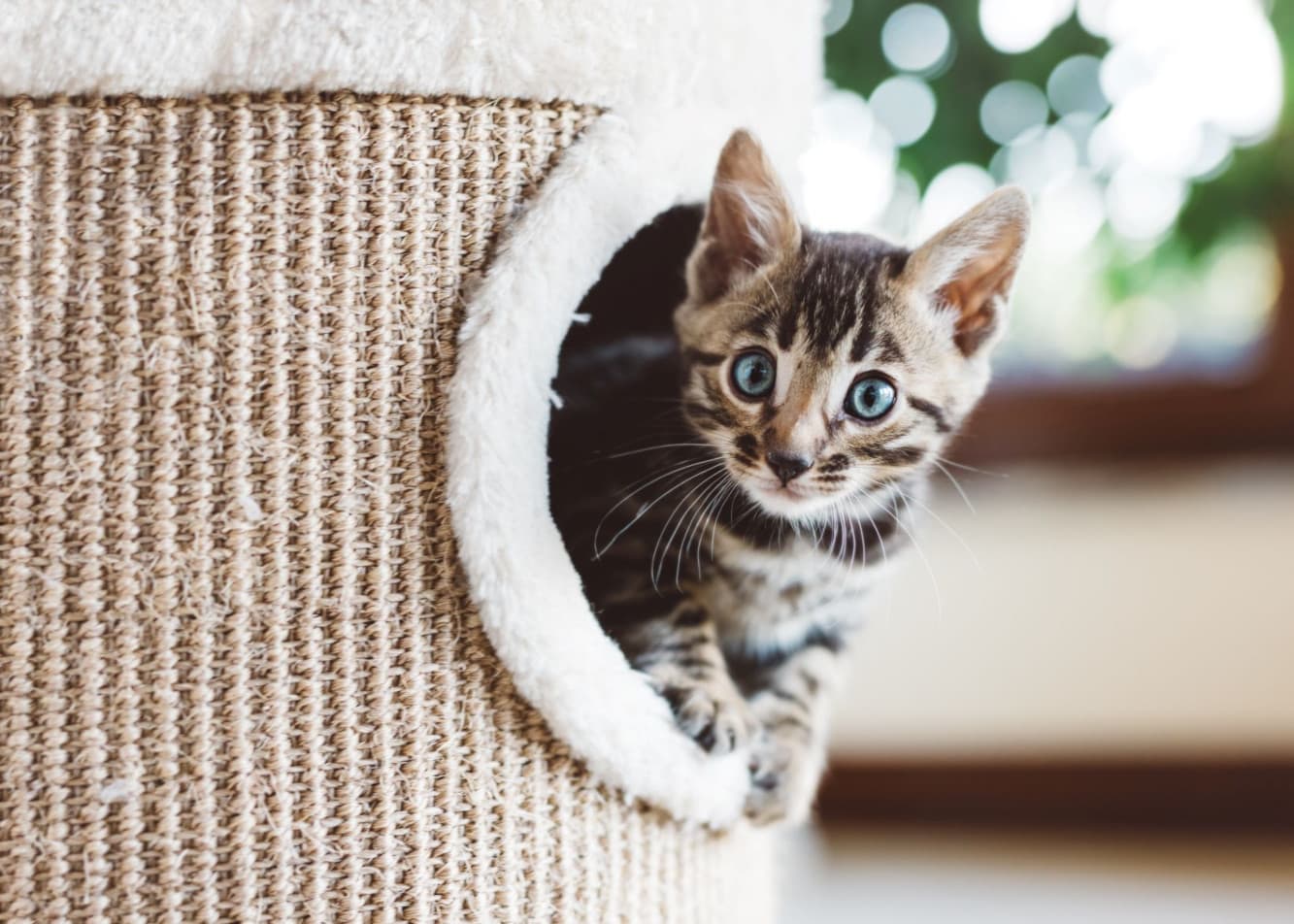
Cats have excellent hearing.This is one of the ways they have adapted to their role as predators—they are often able to hear small prey in the underbrush before they can see it.A cat owes its sensitivity to sound to m.in.large ear cups that allow the user to hear sounds at particularly high frequencies.Another important factor is the highly developed outer ear, whose shape can amplify any noise, making it even more clearly audible as a result.He moves his ear.30 muscles that allow them to turn their heads precisely toward the source of the sound.Interestingly, cats can move their ears independently, with a range of motion of up to 180 degrees, allowing them to pinpoint the source of a sound with an accuracy of 5 degrees.Studies have shown that cats are able to locate objects up to 1 meter away from them using only their hearing in less than 1 second.They also hear best when they are completely still; that’s why, when trying to pinpoint the source of a sound, they often freeze for a moment, their ears scanning their surroundings like little radars.
What sounds do cats respond to?
Cats can detect a very wide range of sounds, much wider than humans.While the range of human hearing is between 16 Hz and 20 kHz, a cat’s hearing range is approximately.20 Hz to as high as 65 kHz!This means that it detects ultrasound in a range comparable to that of bats!In addition, cats have 25% more nerve fibers in their auditory nerve than we do, which means that more auditory information reaches their brains, allowing them to process it more efficiently.
What sounds can scare a cat??
Once we realize just how sensitive and complex a cat’s sense of hearing is, we begin to understand what a challenging environment modern domestic cats have to live in.After all, the world around them is filled with dozens of sounds, many of which are bothersome or even unpleasant to animals.Above all, their intensity plays a significant role here.Any loud or sudden noises that suddenly appear in a cat’s environment can cause distress.Among the most disliked are vacuum cleaners and all kinds of loud noises (e.g., firecrackers, fireworks, and gunshots) — which is why many cats have a terrible time during the New Year’s season, and exposure to these types of sounds can even lead to health issues such as stress-induced cystitis.With a vacuum cleaner, on the other hand, the biggest problem is the amplified noise that echoes off the walls of the room where the appliance is in use.That’s why many cats run away at the mere sight of a vacuum cleaner, or, for example, seek refuge in closets or under the covers, where it’s quieter.Many cats are also bothered by loud music, a TV that’s constantly on, loud phone conversations, and children’s shouting and screaming.It’s a good idea, then, to make sure your cat has its own quiet, peaceful retreat at home—that’s where it will recharge its batteries.
The sense of hearing
It is also very important not to expose a cat’s hearing to sharp, repetitive sounds, such as the sound of a bell.Many cats don't like loud, jingling toys, and putting a bell collar on them is pure torture.This solution was once recommended for outdoor cats, so that the sound of the bell would warn birds of an approaching predator.We now know that this is not only ineffective but actually harmful: birds do not associate the bell with danger (no predator in nature rings a bell!), so cats are able to kill them anyway, but their sensitive hearing is impaired by constant exposure to loud noise.Therefore, to prevent cats from hunting birds, we should not let these little hunters roam unsupervised, thereby protecting them from the many other dangers lurking outdoors.So let’s forget about the bells and keep a close eye on our cats—that way, life will be better for both wildlife and our pets!