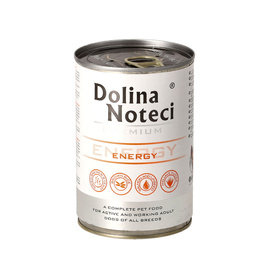
What should the diet for active dogs look like?
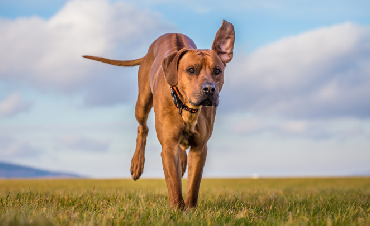

Your dog is definitely not the type of pet that loves to lounge on the couch?On the contrary—he loves to be active and can spend hours on end walking, during which he never runs out of energy?Learn how to feed an active dog and make sure it always has the energy to play.
Getting the right amount of nutrients is essential
Just as with humans, a properly balanced diet must form the basis of a dog’s nutrition.The body needs a daily supply of essential nutrients—including macronutrients such as protein and fats, as well as many vitamins and minerals.Be sure to feed your dog high-quality dog food , made primarily from meat and vegetables, and free from ingredients of unknown origin or additives such as preservatives and flavor enhancers.It is also important that the food contains only small amounts of grains, since these should be limited in the pet’s diet.
Remember that for dogs, fats are the main source of energy, not carbohydrates—as is the case with humans.It is fats that prevent excessive weight loss in dogs during periods of increased activity.So make sure that the dog food you choose contains enough fat for your dog.
There is one more point worth mentioning.It’s no wonder that many dog foods are compared to low-quality human food and fast food—and can have a negative impact on a dog’s health.So make sure that the foundation of your dog’s diet—regardless of its activity level—is high-quality, properly balanced food that provides all the necessary nutrients.
Consult your veterinarian about your pet's diet
If your dog spends many hours being active, you may want to consult your veterinarian about its diet.As a general rule, dog food packaging includes information on exactly how much food to feed your dog based on its age and weight.For very active dogs, their caloric needs may be higher.The same applies to athletes—people who train a lot need more calories.So, during your visit, it’s a good idea to ask your vet if you should give your dog slightly larger portions, since he’s much more active than other pets.
Go for wet food
A dog that is very active has an increased need not only for calories but also for water.In addition to providing your dog with fresh water (which it must always have access to)!) it's also a good idea to feed him wet food.This food is a very good alternative to dry food.First and foremost, it contains a lot of water, which helps keep your dog hydrated.In addition, it is easier to digest, and dogs often prefer wet food to dry food because it is tastier and more filling.
The fact that wet dog food is more easily digestible is very important.If a dog takes a long time to finish a meal, it certainly won’t feel well during a walk or a run—and in some cases, this may lead to vomiting.For this reason, it’s best to feed your pet wet food before any planned activity—of course, making sure to leave a few hours between eating and the activity.
So don’t limit yourself to feeding your dog dry food; try to balance its diet to include wet food as well. dry dog food should only be part of your dog's diet.Your dog will definitely appreciate it.
Don't feed your dog leftovers from dinner!
This is one of the most common mistakes made by dog owners.It’s probably happened more than once that while you and your family were eating dinner, your dog would stare at you with sad eyes and look REALLY hungry.Of course, that was just a false impression—there was probably food waiting for him in his bowl, or he had just finished eating.On the other hand, it’s sometimes hard not to give in, and from there it’s just a short step to giving your dog a bite of something from your plate.Unfortunately, that's a mistake.First of all, this teaches your dog that begging is an effective way to get a treat.Second, dogs aren't always able to digest human food properly, which can lead to digestive problems.So try to feed your dog only things that you’re certain won’t harm him in any way.
Nutrition for Active Dogs – Summary
The most important principles of healthy dog nutrition remain the same, regardless of the dog’s activity level.Your diet should be well-balanced and rich in essential nutrients.However, it is important to remember that active dogs have higher caloric needs, and the proportion of fats in their diet should also be increased slightly.Access to fresh water is also extremely important—especially when playing outdoors.If you have any concerns, it’s a good idea to consult your veterinarian.
Recommended