What should I do if my dog nips at me?
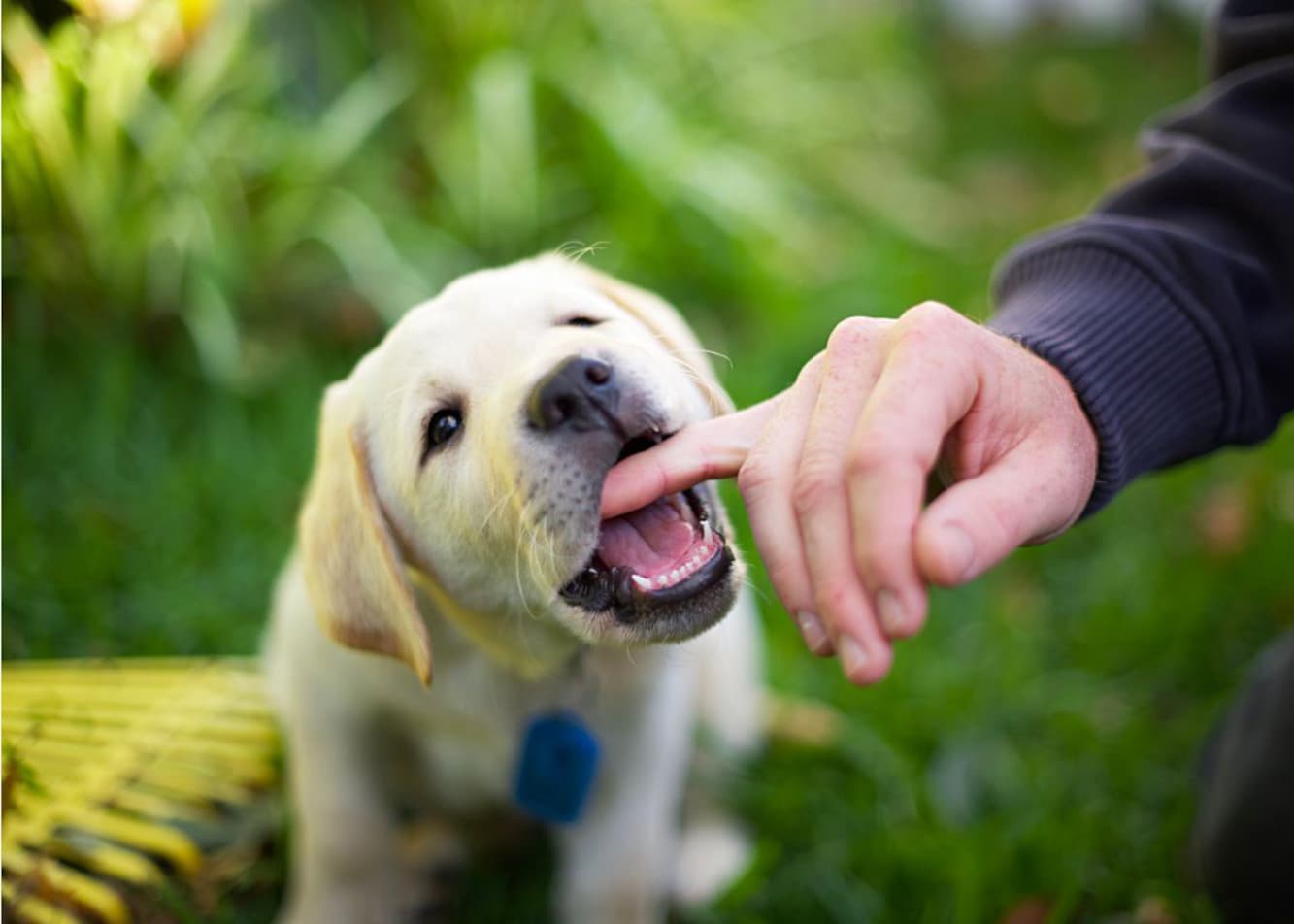
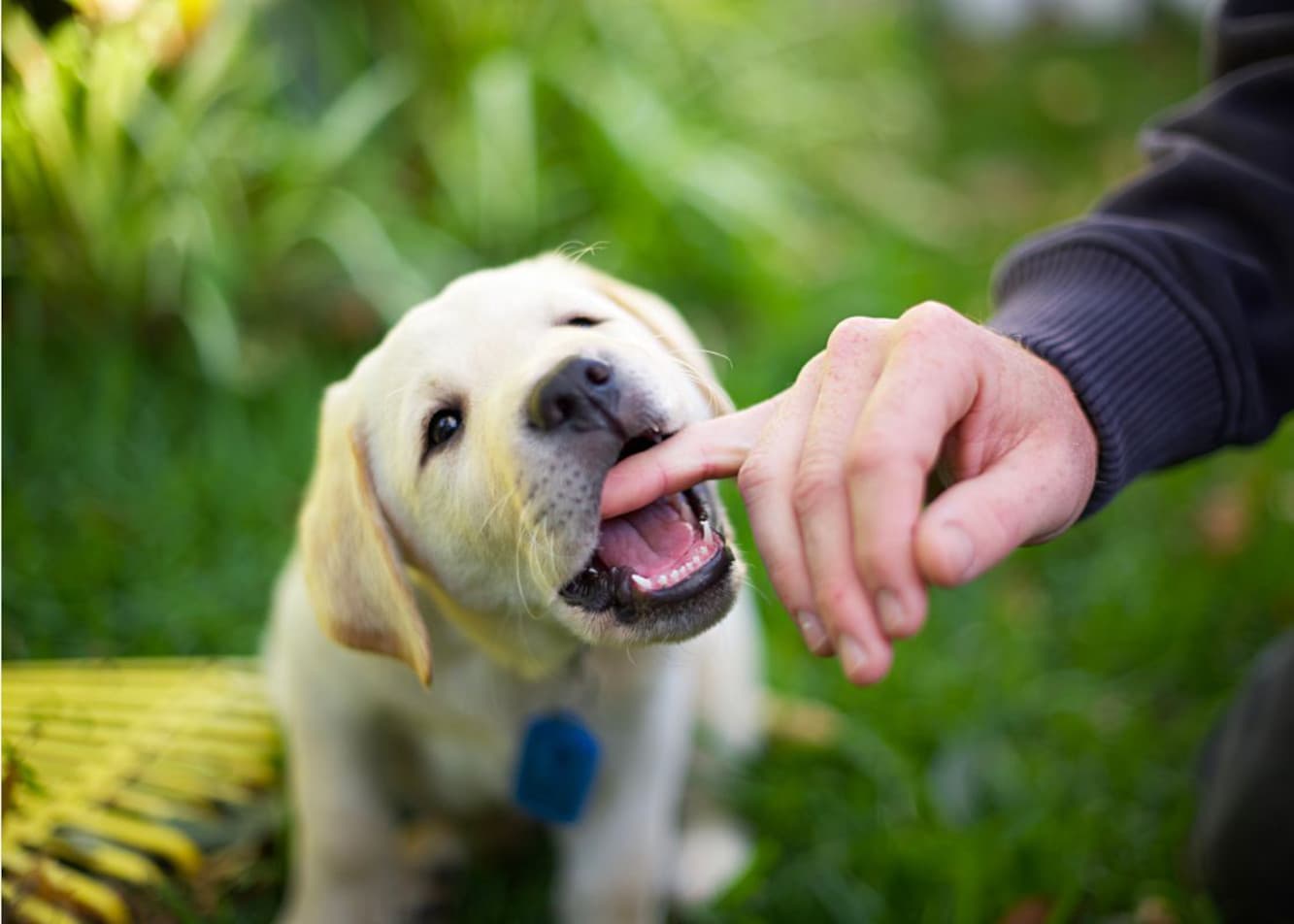
Biting is natural for dogs and is a part of their lives.You can't expect them to suddenly stop chewing, but it's worth paying attention to what they're chewing on!Behaviors such as pulling on pants legs or other clothing, destroying various objects, and the dog biting its owner are unacceptable.How to stop your pet from behaving this way?
First and foremost, it is important to remember that the causes of the problem can vary greatly.An adult dog usually nips at its owner for a completely different reason than a puppy does.Analyzing the behavior of a pet and the people who care for it helps identify the cause of such behavior and take appropriate steps to address it.
It is worth noting that the problem of biting mostly affects puppies, not adult dogs.This does not mean, however, that it is completely absent in the latter group.The lower incidence of this phenomenon among adult dogs is the result of responsible training during the puppy stage.A dog that has had boundaries set for it and clear rules of conduct established from the very beginning is less likely to exhibit undesirable behaviors.
Why does my puppy bite??
Biting in puppies is often related to teething and the loss of baby teeth.That's when the problem of itchy gums arises, which can be very bothersome for your pet.Another reason is that young, playful puppies aren’t yet aware of how hard they can bite, or that their bite might hurt someone.The role of the dog mom is important in this training.It has been noted that the inability to control the biting reflex in adult dogs may result from being separated from their mother too early.It is generally accepted that a puppy should remain with its mother until at least 8 weeks of age.When a puppy bites while playing with its mother or siblings, it naturally learns not to bite too hard.Naughty puppies quickly learn from their mother that biting hurts when she demonstrates this by nipping one of them herself.This is how he sets boundaries and teaches the puppies good habits.
Why does a dog nip at its owner??
There can be various reasons why an adult dog bites its owner.It is often a desire to attract attention.A pet that isn't given enough stimulation often chews out of boredom.This may be due to a lack of appropriate toys and activities, such as longer walks that are appealing to your pet.When an adult dog bites its owner, it may also mean that the dog is in pain.Pain resulting from illness or injury can cause a dog to lose control of its behavior.A dog in pain may then bite involuntarily, even though it doesn't actually want to hurt its owner.
Bites inflicted on people by pets are often simply the result of irresponsible behavior on the part of the person themselves.Hugging your dog too tightly, leaning over it, or waking it from a nap may trigger a defensive reaction.Other inappropriate behaviors that can trigger aggression include starving the dog or restricting its freedom, such as confining it in a crate for hours on end.An adult dog will also nip at its owner if the owner does not have a strong position "in the pack" and the dog is competing with the owner for dominance.As we mentioned above, bites can also result from separating a puppy from its mother too early.
My adult dog nips—how can I stop him??
To address behavioral issues in pets, it is essential to identify their causes.You can look for them on your own, but often you’ll need the help of a specialist.It’s worth keeping in mind that some dogs may have had traumatic experiences (e.g., shelter dogs that were taken into custody following an intervention).In their case, bad habits and aggression (which often stems simply from fear) can be deeply ingrained.
The way a dog owner behaves is crucial for establishing a healthy relationship with the dog, even if the dog has not had any traumatic experiences.To prevent your pet from biting you, make sure its basic needs are met.It is essential to provide constant access to fresh water and high-quality wet dog food.It is important to take walks that are suited to your pet’s activity level and to satisfy its need for interaction with its owner.From the very beginning, it is also important to establish boundaries in the relationship between humans and dogs.When playing together, you must not let the dog (even if it’s a puppy) bite your hands.This is one of the most common mistakes made by caregivers.Young dogs usually bite gently, and many people don't mind this kind of play.However, as they grow, they become bothersome and painful.It will be hard to explain to your pet why it used to be allowed to tug on your pant leg or bite your hand, but now it can't.It’s definitely better to establish clear rules right away that everyone will follow.Therefore, when a puppy or an adult dog bites its owner, you should give a firm "no" command and offer the dog a substitute in the form of a toy.If that doesn't work, we repeat the command and call it a day.This will help your pet quickly understand what behavior is not tolerated by its owner.
While training your dog, it’s important to also educate your family members and others in the dog’s environment.Being aware of what behaviors to avoid (hugging the dog too tightly, disturbing it while it’s resting in its bed, petting its paws or tail, etc.).) will help avoid situations that could lead to a bite.Special attention should be paid to children who need such guidance and who are usually most at risk of being bitten.
It’s also important to remember that intellectual stimulation is essential for meeting a dog’s needs.A snuffle mat is perfect for this—you can hide treats inside it—or a Kong-style toy filled with wet dog food.This kind of play is very engaging and extremely appealing to dogs.It also helps tire them out, and thus calm them down.You can treat your pet to this kind of fun at the end of playtime with you.
What to do if your dog is aggressive toward its owner?
If an adult dog nips at its owner, it may be a sign that the dog has had a difficult past.In that case, working with him will definitely be more difficult.Traumatic experiences, such as being beaten, locked in a cage, or subjected to other forms of violence, which later cause animals to distrust humans.Given that some dogs may have endured many months, and sometimes even years, of such experiences, it is hardly surprising that they behave this way.Dogs like these require a great deal of patience and consistent, long-term training.It is important that they find a responsible owner who can handle a dog with such a heavy emotional burden.It is also not uncommon to need the help of a behaviorist, who assists dogs and their owners in working together to overcome past trauma and develop appropriate behaviors.
If a dog bites its owner or family members and displays aggression toward them, this behavior may also be the result of improperly conducted guard dog training.In this case, the consequences can be very serious, so it’s best to contact a behaviorist right away for professional help.
It is important to remember that the owner’s attitude—as well as that of other family members—plays a crucial role in establishing a healthy relationship between the dog and its owner.It is essential to establish clear house rules that both family members and their pets must follow.There are very few situations in which a dog actually wants to harm a person.Most of these issues are caused by people who don't understand how important it is to meet all of their pet's needs and to interpret its behavior correctly.That’s why it’s a good idea to get to know your dog better and familiarize yourself with “dog language” and the warning signals a dog sends to humans when it feels threatened.You should also respect a dog’s personal space and avoid overstepping boundaries that could lead to potentially dangerous situations.