What is the Peterbald cat's temperament?? Appearance, temperament, and requirements
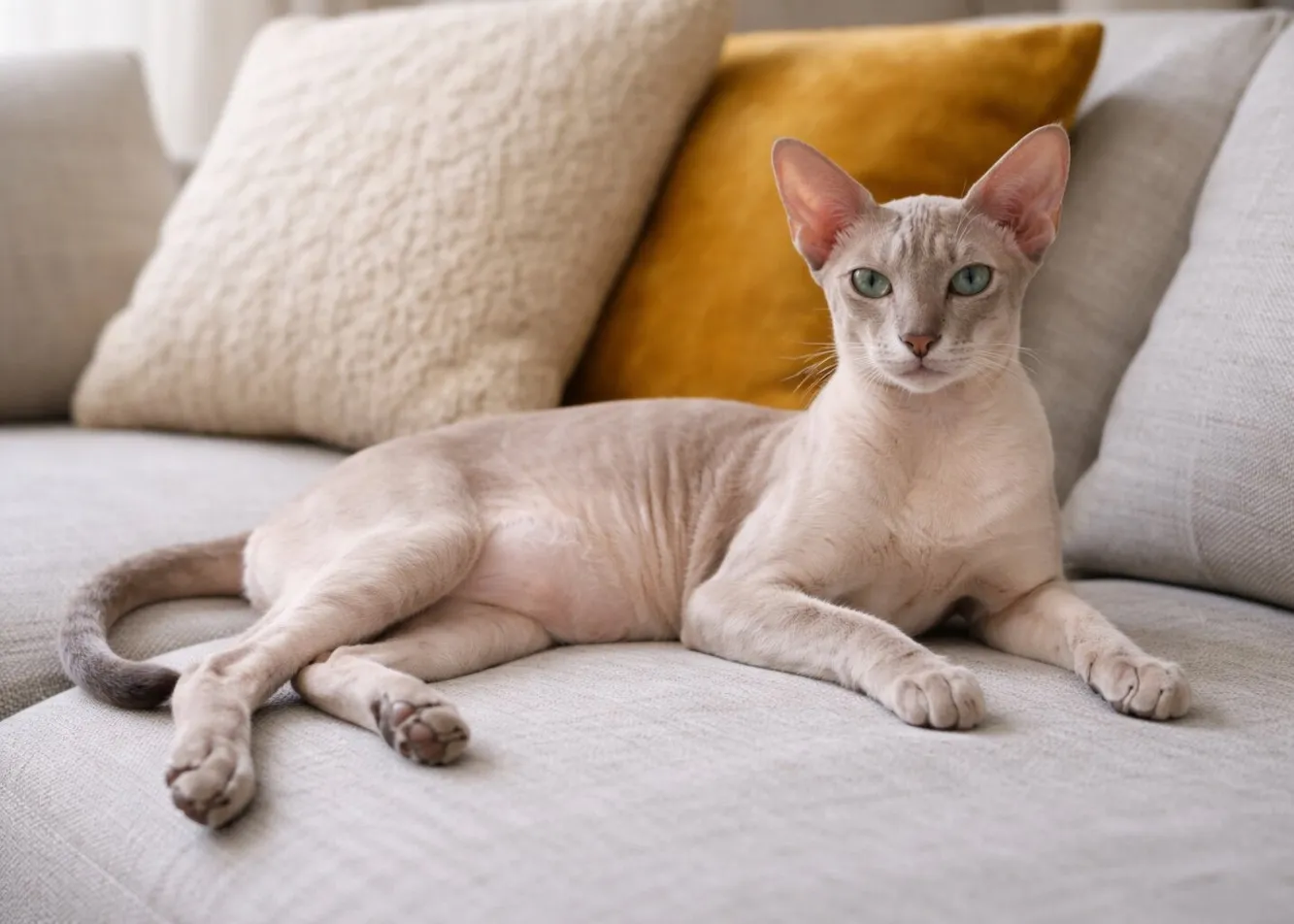
If you're looking for a cat that not only looks unique but also loves to be by your side, a Peterbald might just steal your heart.This is a Russian breed from the Oriental group: slender, elegant, with large ears and a variety of coat types—ranging from smooth, bare skin to short, brush-like hair.He is usually very sociable, smart, and full of energy, and he considers interacting with people his favorite activity.However, it is important to remember that this “out-of-this-world” appearance comes with specific requirements: a preference for warm conditions, regular skin care, and enhanced preventive health measures.
What is a Peterbald??Breed description, temperament, grooming, and health
The Peterbald is best suited for people looking for a cat that is very sociable, active, and eager to interact.This isn't a breed for everyone—many dogs demand a lot of attention, playtime, and physical contact.If you're often away from home and your cat would have to spend long hours alone, a Peterbald might handle it worse than more independent breeds.On the other hand, in a home where someone is usually around (or where there’s another pet for company), it can really thrive.
Basic information about the Peterbald breed
- Origin: Russia.
- Body weight: approx..2 kg (females) – 4 kg (males).
- Average lifespan: usually 12–15 years, sometimes longer with good care.
- Build: slender, muscular; long neck; long, slender limbs.
- Head and eyes: wedge-shaped head, elongated muzzle; almond-shaped eyes; usually green, and in colorpoint cats—usually blue.
- Ears and tail: ears very large, broad at the base; tail long, thin, tapering toward the tip.
- Coat type: Due to the breed’s origins (a cross with the Don Sphynx), several coat variations are observed in Peterbalds; however, the distinction between them can be quite subtle, and it takes a trained eye to determine which group a particular individual belongs to.The following types are distinguished:
✔ rubbery – completely hairless skin; the cat may even lack whiskers; it feels like rubber to the touch; kittens of this variety may have their eyes open at birth,
✔ bald – hairless, but their skin feels like suede (similar to classic Sphynx cats),
✔ fuzzy – may have very sparse hair (long.about.(1 mm), which disappears and reappears depending on m.in.depending on the season; the vibrissae are usually wavy and brittle,
✔ bristly – hair longer than 1 mm; their fur feels like a brush to the touch; this variety has whiskers,
✔ hair – hair covering the entire body (like in Siamese cats), long and strong whiskers.
- Fun fact: The name comes from a combination of the words "Peter" (from St. Petersburg) and "bald"—referring to a lack of hair.
The History and Origins of the Peterbald
The Peterbald is a relatively new breed.Its origins date back to the 1990s.20th century – the first specimens were bred in St. Petersburg, and from the outset, the breeding program focused on combining an oriental body type with a gene that reduces hairiness.In practice, this means that there are various coat variations within the breed, and the final appearance of the coat may not stabilize until the cat reaches maturity.
Peterbald – Appearance and Characteristics
This is a cat with a very elegant, "elongated" silhouette: it has a long body, long legs and tail, and a distinctive wedge-shaped head.Compared to many other breeds, it looks light and athletic, yet it can be surprisingly strong and agile.
Body type
The Peterbald is agile, fast, and very active.He usually feels right at home up high: ledges, tunnel-style scratching posts, elevated beds, and lookout spots are all part of his daily routine.This is a breed that often “organizes its own” activities—provided it has the right conditions.
Skin, fur, and types of hair
Due to the origin and function of the gene responsible for reduced hair growth in Peterbalds, several coat types are found, which, as mentioned earlier, are classified as rubber, bald, flock, brush, and hair.The "rubber" variety refers to skin that is completely bare, feels like rubber to the touch, and is sometimes even devoid of vibrissae.Cats described as "bald" also lack fur, but their skin feels more like suede.Flock-type individuals have very sparse hair, usually about 1 mm long, which is sometimes seasonal, and their whiskers are often brittle.The brush-type is characterized by longer, "bristle-like" hair, and whiskers are usually present.The "hair" type, on the other hand, has a full coat of hair, similar to that found in Siamese and Oriental cats; however, such cats are not considered suitable for further breeding because they lack the gene that reduces hair growth.
The Peterbald's personality and temperament
Peterbalds are most often:
- very sociable and very attached to people,
- energetic, quick, and curious,
- intelligent (they learn routines and tricks easily and respond to their name),
- talkative and outgoing,
- bold, sometimes even "nosy".
Many people describe them as kittens in adult bodies—because they love being the center of attention and know how to demand it.If they suddenly become lethargic, hide, avoid contact, or refuse to play, you should take this as a warning sign and check if there’s a health issue.
Peterbalds and children and other animals
It usually thrives in an active household, provided that the family members respect the cat's boundaries.He usually gets along well with other cats and dogs—especially if he’s been properly socialized and has his own space (hiding spots, shelves, resting areas).
How to care for a Peterbald?Requirements and Care
This is a breed where grooming isn't about brushing, but about caring for the skin, ears, eyes, and maintaining a comfortable body temperature.
Home decor and accessories
- tall scratching posts and sturdy climbing structures,
- shelves, tunnels, hiding places,
- interactive toys and fishing rods (regular "hunting"),
- warm beds, blankets – Peterbalds often seek warmth.
Skin, ear, and eye care
- baths from time to time (using gentle, specialized products), because with reduced hair coverage, excess sebum may appear,
- Regular inspection and cleaning of the ears and the area around the claws (dark discharge may accumulate),
- cleaning the corners of the eyes (in many animals, protective secretions accumulate due to the lack of eyelashes; if redness, swelling, or pain occurs, this is a sign that a veterinary consultation is needed).
Temperature and sunshine
- The Peterbald is heat-sensitive—in cooler homes, clothing works well (preferably soft, cotton, and not restrictive),
- Their skin may be sensitive to the sun: in the summer, it’s best to avoid letting them lie in direct sunlight for long periods; if your cat likes to bask in the sun, make sure they stay safe (by monitoring their exposure time).
Peterbald Health – Common Health Issues
In Peterbalds, the following are more commonly mentioned:.in.:
- cardiovascular diseases, including hypertrophic cardiomyopathy (HCM),
- progressive retinal atrophy (PRA),
- skin problems (sensitive skin, irritation—depending on hair type),
- dental problems,
- gastrointestinal complaints,
- greater susceptibility to colds.
Regular checkups with a veterinarian, monitoring the skin and eyes, and choosing a kitten from a breeder who prioritizes preventive care and health screenings are essential.
Feeding a Peterbald
A Peterbald cat's diet should be well-balanced and provide plenty of energy, as the lack of fur makes it easier for the animal to lose body heat.In your pet's daily diet, it's best to choose foods that are rich in high-quality protein and contain the right amount of fat.
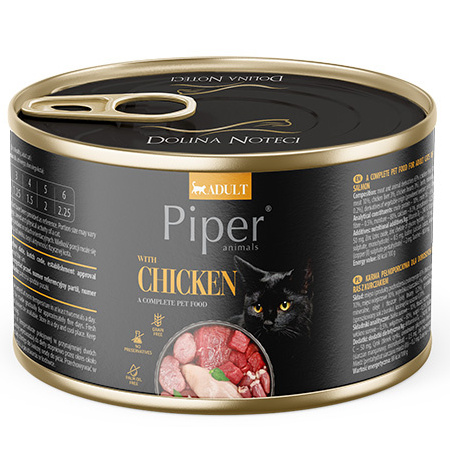
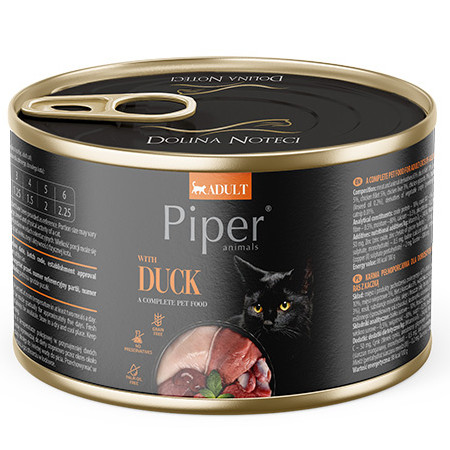
Wet cat food is often a good option , as it helps keep your cat properly hydrated and supports healthy skin.High-quality wet food can also help ensure that all essential nutrients are provided.
Because of the higher-calorie diet, it’s a good idea to monitor your cat’s condition regularly.If you have any concerns or if your pet experiences digestive issues, we recommend consulting a veterinarian and monitoring your pet’s health regularly.
Who is the Peterbald for??
This is a good choice for people who:
- They want a cat that is very sociable and an active part of their daily lives,
- have time for play, affection, and constant interaction,
- will provide a warm and safe space for climbing at home,
- have no trouble with regular skin care and keeping their ears and eyes clean.
It might not be the best choice for someone who is often away for hours at a time, is looking for a very independent cat, or doesn't want to be too involved in grooming.
How to Choose a Good Breeder?
A purebred cat should have a multi-generational pedigree and come from a legally operating, ethical cattery.It is safest to choose breeders affiliated with federations under the World Cat Congress (WCC)—this increases the chances of proper socialization and ensures that kittens are not sold before they are 12 weeks old.week of life.Otherwise, it is easy to unwittingly support breeding practices focused solely on profit at the expense of animal welfare.
FAQ - frequently asked questions
Is the Peterbald an active cat??
Usually, yes.This is an active, lively, and curious breed.
Does this breed need to be bathed??
That's often the case.For many animals, due to sebum and the absence (or scarcity) of fur, regular bathing and wiping down the skin help maintain hygiene and comfort.
Can a Peterbald get cold??
Yes—it's a heat-loving animal.In cold apartments, they may need warm beds, blankets, and sometimes even clothes.
Author: M.Biegańska-Hendryk
Recommended
Dolina Noteci Premium Wet Cat Food: Tuna Meal 10 x 85 g + a free 85 g tuna meal
Natural Taste Wet Cat Food: Chicken – Chicken Delight, 12-pack (185 g each)