
What is a Cane Corso?? Breed description, temperament, health issues, and much more
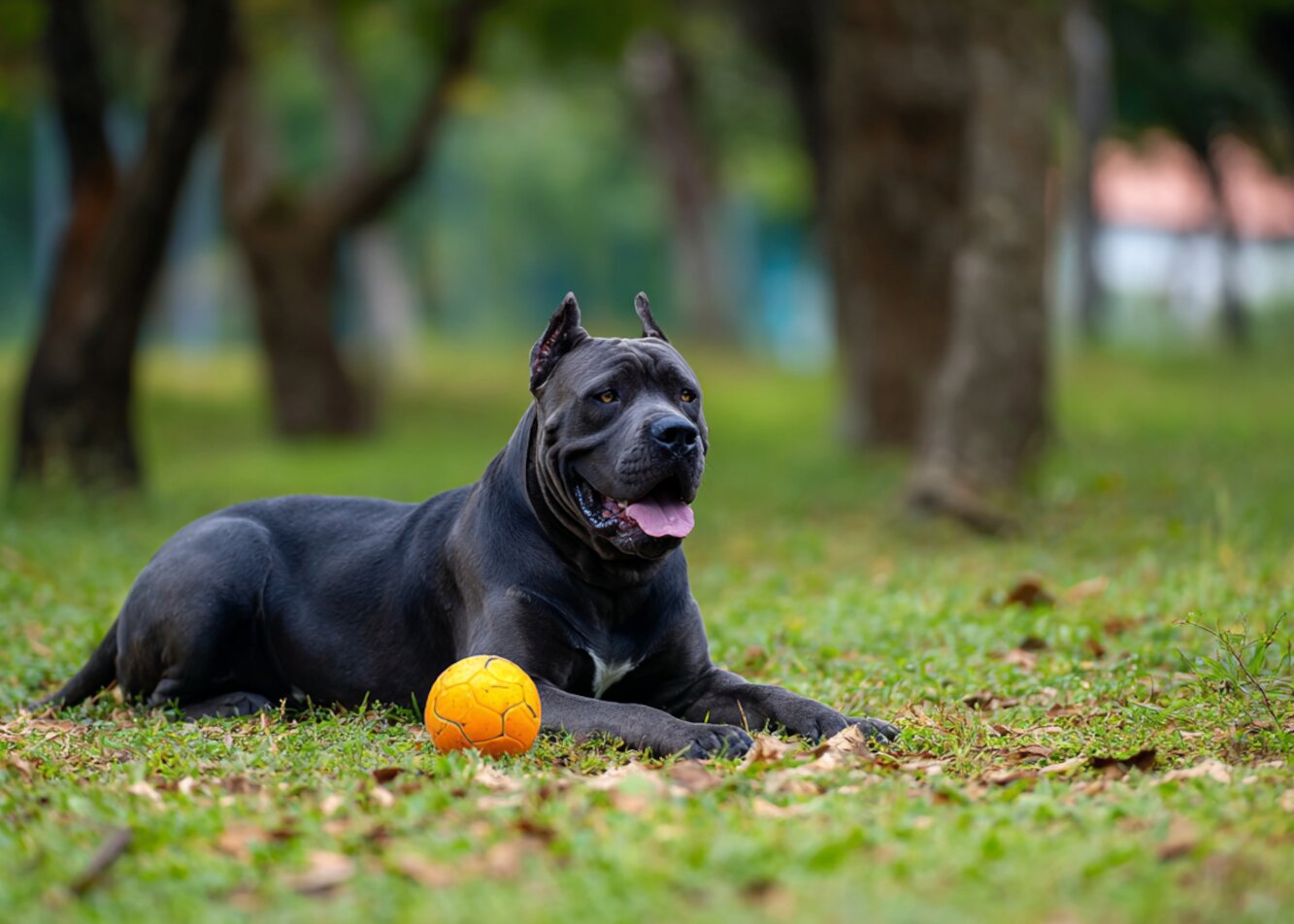
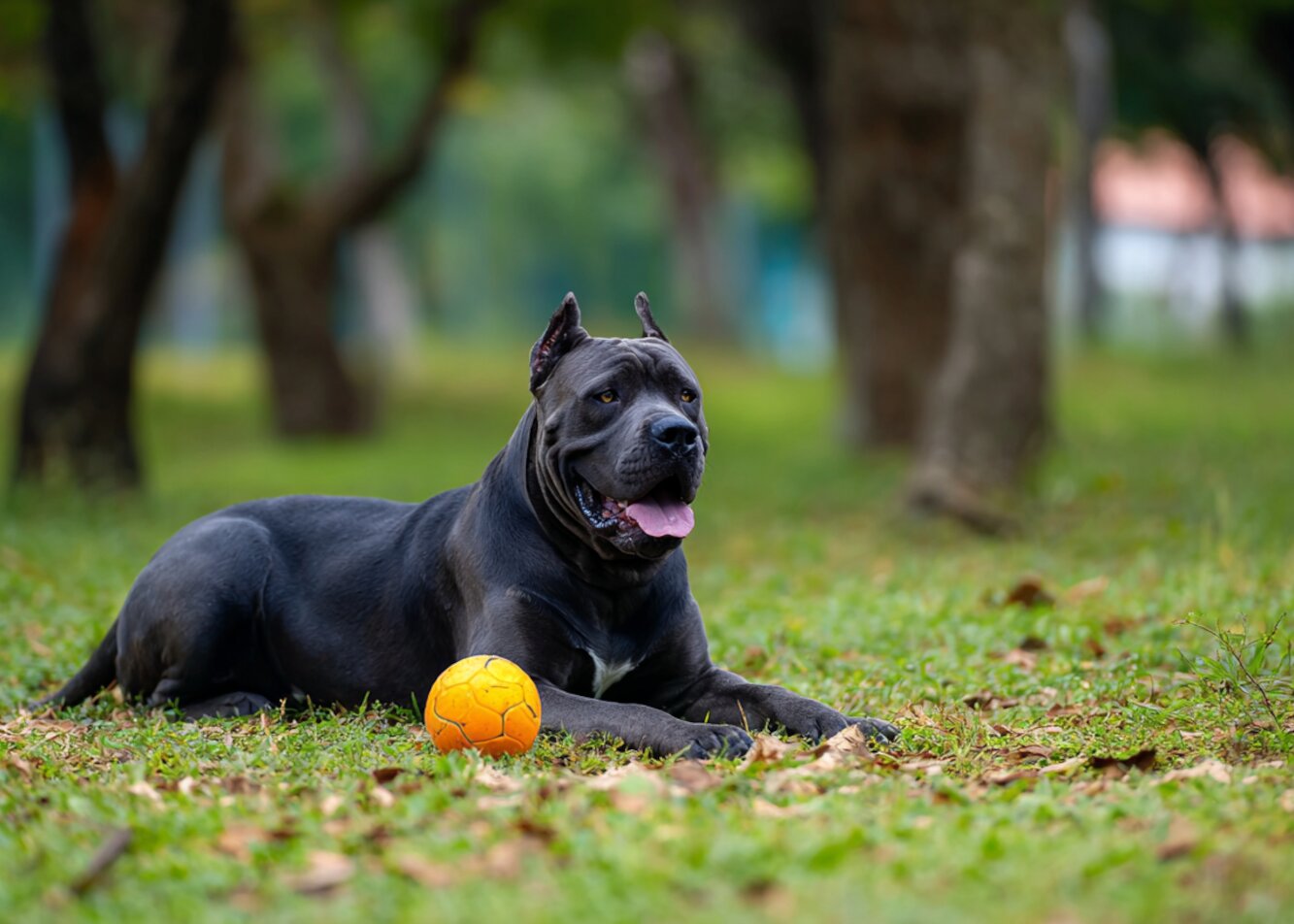
Are you looking for information about a powerful yet well-balanced dog that can become a devoted member of your family??The Cane Corso evokes strong feelings—some see it as a fearsome guard dog, while others appreciate its gentleness toward family and its unwavering loyalty.When considering this Italian Molosser breed, it’s worth learning about both its wonderful personality traits and its needs in terms of training and healthcare.
The Cane Corso requires a responsible owner who is prepared for a long-term commitment, so the decision to adopt one should not be made hastily.The history of this breed dates back to ancient Rome, where its ancestors served as fighting dogs and estate guards.Modern representatives have retained their genetic predisposition to protect, while also developing the ability to adapt to family life with proper socialization.
Check out this comprehensive guide to the breed, which will help you determine whether a Cane Corso is the right choice for you and your family!
Table of Contents:
- The History and Origins of the Cane Corso – From Roman Molossers to the Present Day
- Cane Corso – Appearance and Characteristics of the Breed
- The Cane Corso’s Temperament and Disposition – What This Dog Is Really Like?
- How to raise a Cane Corso?Here's what you need to know!
- Health issues in the Cane Corso
- Cane Corso Nutrition – How to Properly Feed This Breed?
- What does caring for a Cane Corso involve??
- Who is the Cane Corso for??Is this a breed for everyone??
- FAQ.Frequently Asked Questions About the Cane Corso Breed
The History and Origins of the Cane Corso – From Roman Molossers to the Present Day
The ancestors of today's Cane Corso dogs accompanied Roman legions on their conquests, where they proved themselves as camp guards and combat assistants.After the fall of the empire, the descendants of these mighty Molossers found work on farms in southern Italy, where they guarded herds, hunted wild game, and protected the farms from intruders.The history of the Cane Corso breed is full of dramatic twists and turns, as the breed found itself on the brink of extinction in the 20th century due to social changes and the industrialization of agriculture.
The revival took place in the 1970s., when a group of enthusiasts began a systematic search for surviving members of the breed in the rural areas of Apulia and Calabria.Thanks to their determination, the breed was successfully revived; the first official breeding program was established in 1983, while international recognition from the Fédération Cynologique Internationale (FCI) did not come until 2007.
Cane Corso – Appearance and Characteristics of the Breed
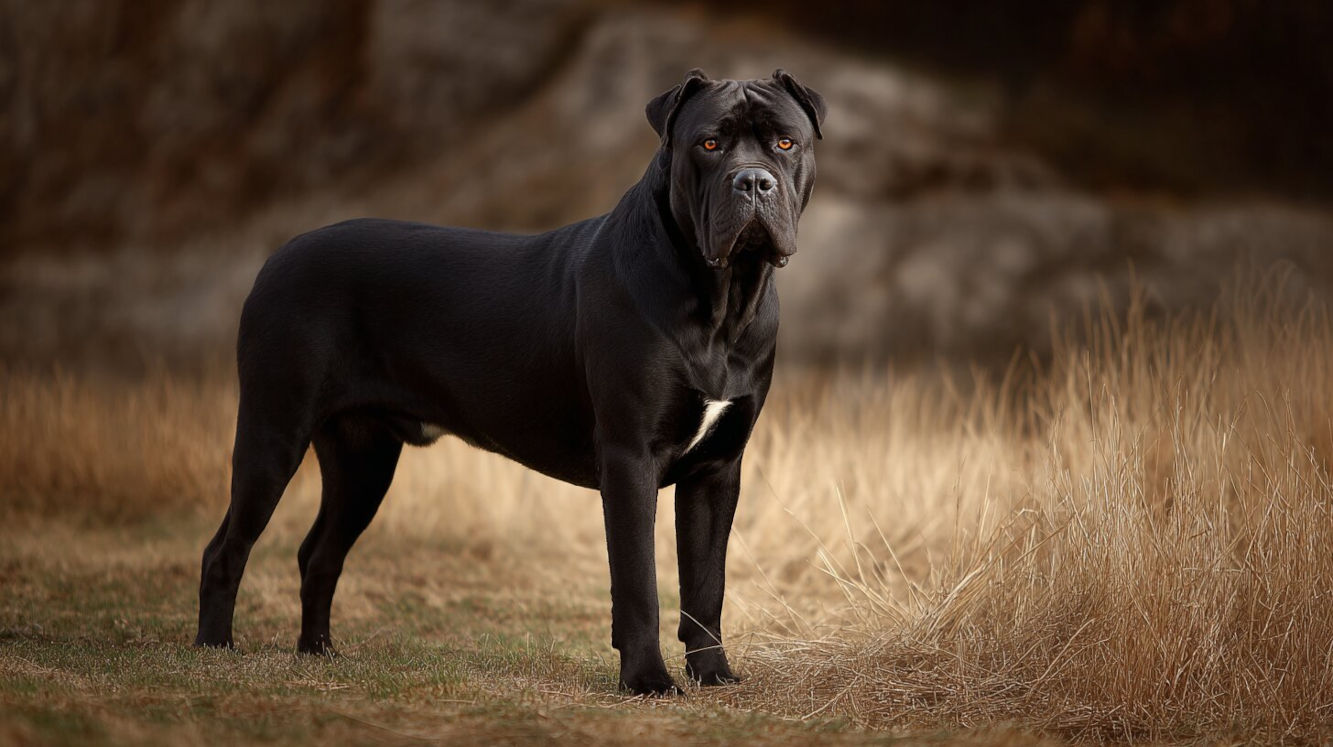
The Cane Corso breed belongs to the Molosser type, characterized by an athletic build and an imposing presence that commands respect without being overly bulky.The body's proportions form a harmonious whole, where strength is combined with remarkable agility, enabling quick reactions when defending its territory.
Body structure and measurements of the Cane Corso
Males stand 64–68 cm tall at the withers and weigh 45–50 kg, while females stand 60–64 cm tall and weigh 40–45 kg, exhibiting distinct sexual dimorphism.A muscular build highlights the functionality of every anatomical feature—a broad chest ensures efficient breathing, strong limbs guarantee exceptional speed, and a powerful jaw enables a firm grip. The distinctive head, with a snout-to-skull ratio of 2:1, emphasizes the majestic appearance of this breed.
Coat color and coat types of the Cane Corso
The short, smooth coat comes in several color variations, with Cane Corso colors including black, graphite, red, and various shades of fawn.Dogs with black or gray coats may have a distinctive dark gray mask that does not extend beyond the eyes, while small white markings on the chest, toes, and bridge of the nose are acceptable under breed standards.The hair's structure provides natural protection against the elements without requiring intensive care.
The Cane Corso’s Temperament and Disposition – What This Dog Is Really Like?
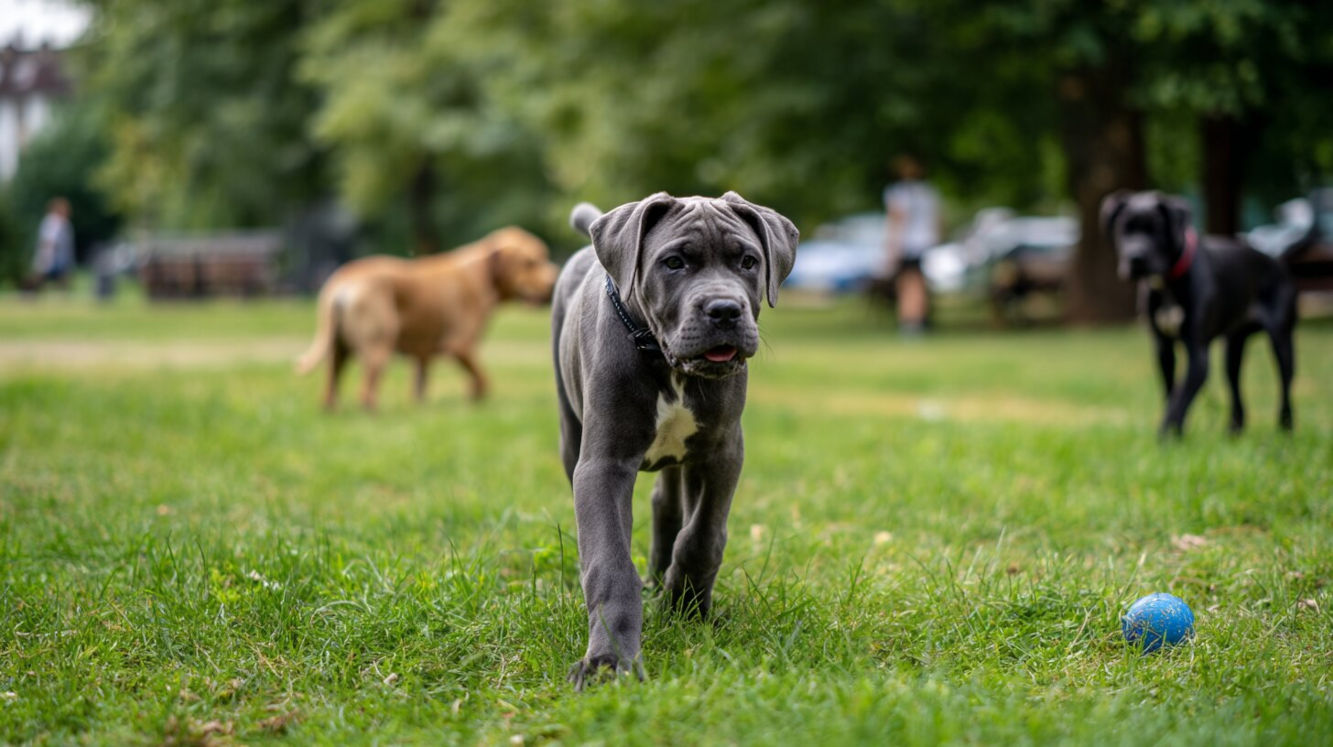
The Cane Corso’s temperament combines seemingly contradictory traits—on the one hand, unwavering self-confidence and a readiness to defend, and on the other, a deep attachment to the family and a surprising sensitivity to the moods of household members.Dogs of this breed are highly intelligent and learn commands quickly, but they require consistent guidance from an owner who understands the specific needs of guard dogs. A Cane Corso's temperament is primarily shaped during the first two years of life, when proper socialization determines its future behavior toward strangers and other animals.
The Cane Corso in the Family – Relationships with Household Members
The bond between the Cane Corso and its family is evident in its constant awareness of its surroundings, combined with a gentle, even affectionate, attitude toward its loved ones.These dogs have an intuitive ability to recognize stressful situations, offering emotional support to family members going through difficult times. A well-trained dog of this breed can adjust the intensity of its behavior to the age and condition of the household members—it will play energetically with young people while remaining calm around older people.
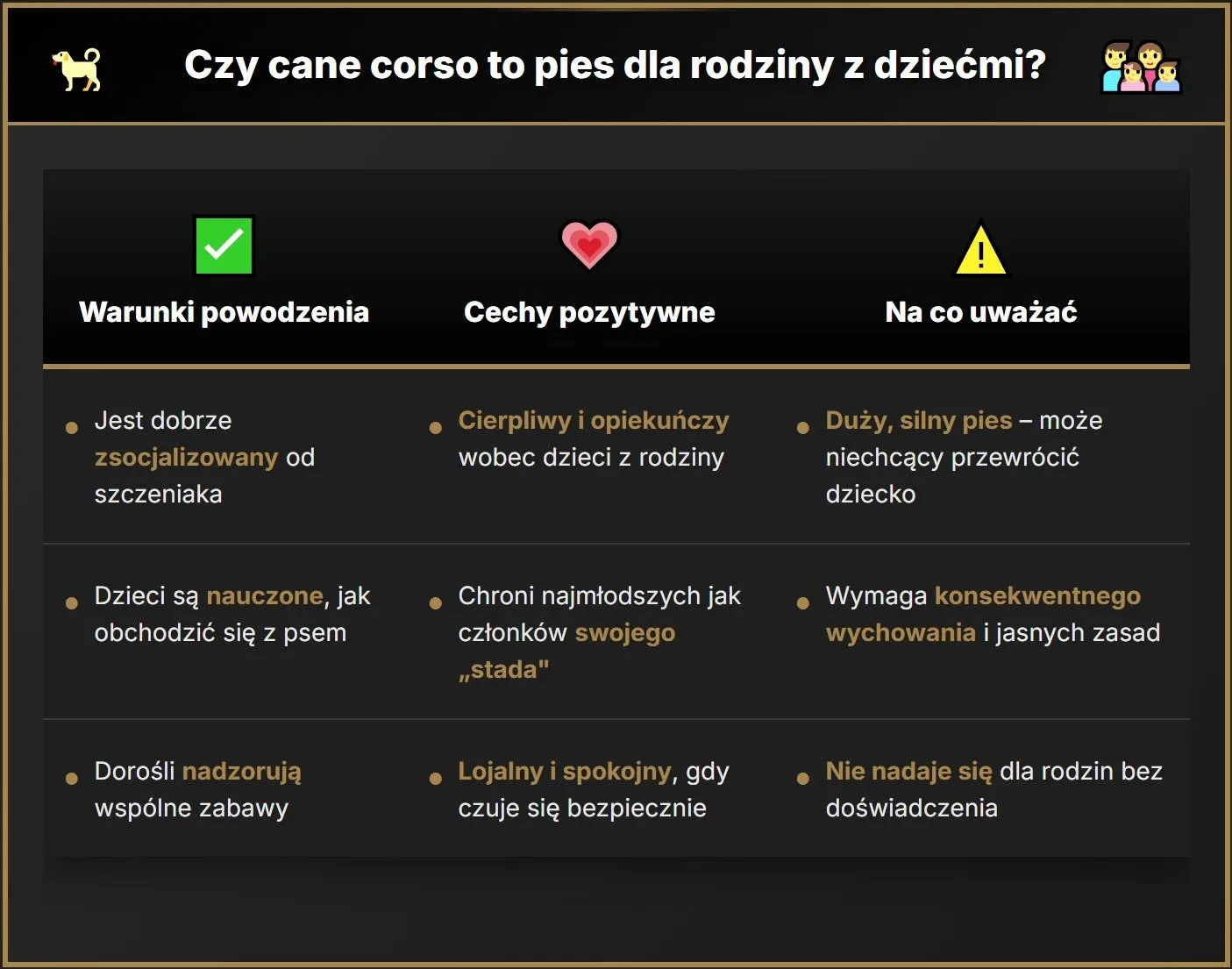
Cane Corso and children – is it a safe choice??
The relationship between a Cane Corso and children requires careful adult supervision and teaching both the dog and the youngest family members the rules for safe coexistence.Well-socialized dogs show angelic patience toward the little ones in their "pack," protecting them from danger and accepting their inevitable childish antics. However, it’s important to remember the impressive size of an adult animal, which could accidentally knock over a small child during a joyful greeting.
The guarding and protective instincts of the Cane Corso
A genetically determined tendency to protect one's territory manifests itself in vigilant observation of the surroundings and an immediate reaction to unusual sounds or people approaching the house.The Cane Corso can distinguish between a real threat and ordinary visitors, but it needs to be trained to accept people invited by its owner, as its natural reaction is to block access to strangers. Properly channeling a dog’s guarding instincts through appropriate training results in a dog that is confident in its actions and makes decisions based on a realistic assessment of the situation rather than overreacting.
The Cane Corso's reactions to various stimuli and the impact of training
| A stimulus in the environment | The reaction of an untrained dog | The dog's reaction after training |
|---|---|---|
| Doorbell | Immediate barking, running to the door | Stay alert, but remain calm |
| The person standing behind the fence | Aggressive barking, an attempt to scare away | Assessment of the situation, possible warning |
| Guest speaker | Blocking the entrance, barking, or ignoring the caregiver | Admission of a visitor following a signal from the caregiver |
| A stranger approaching the property | Immediate defensive reaction, state of alert | Observing from a distance, avoiding unnecessary aggression |
| An unusual sound at night | Loud barking, high alertness | A calm response; assessing the situation before making a decision |
How to raise a Cane Corso?Here's what you need to know!
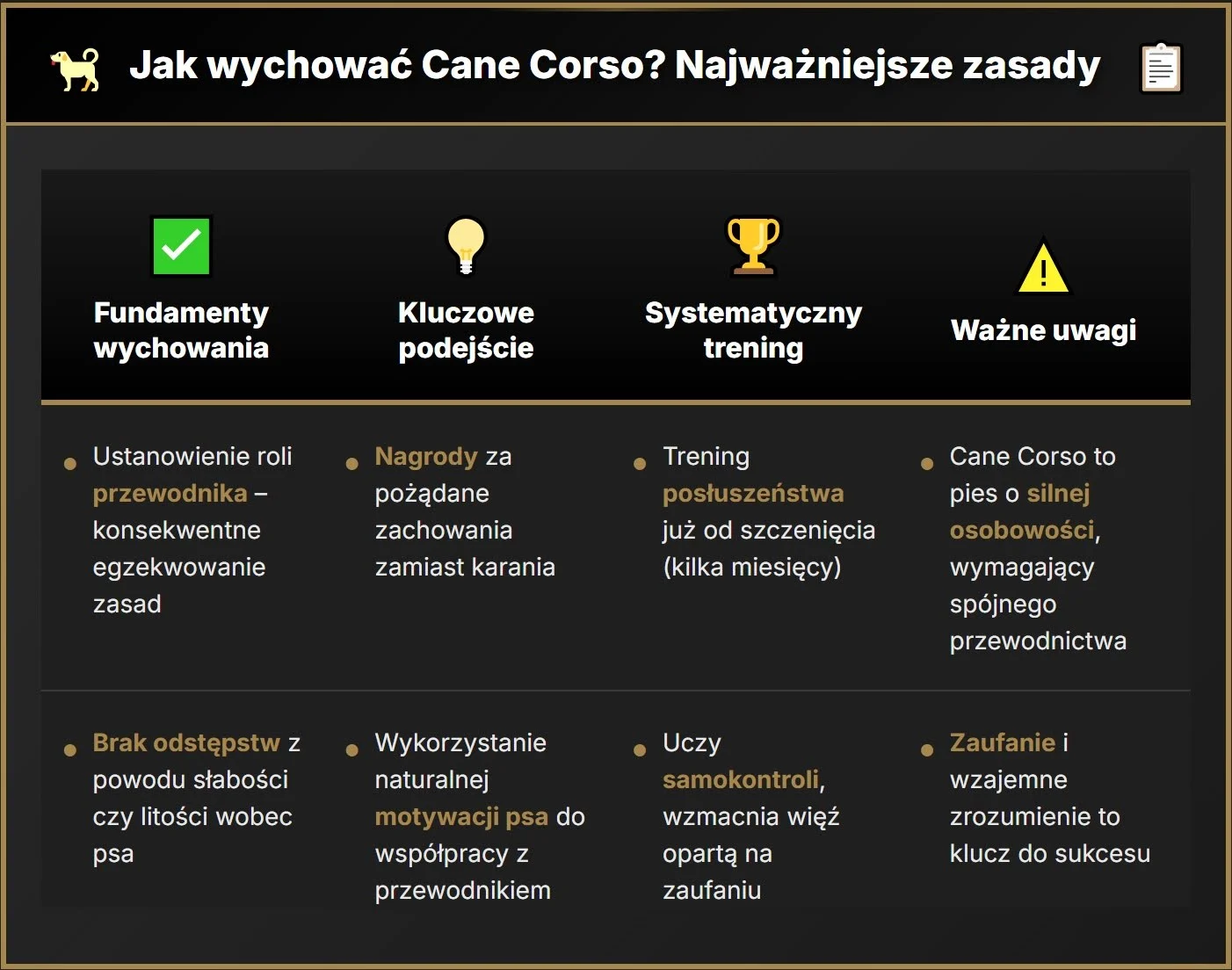
Raising a dog of this breed is a fascinating challenge that requires a combination of consistency, patience, and a deep understanding of canine psychology, as mistakes made during the puppy stage can lead to behavioral problems that are difficult to correct in an adult dog.A strong personality and a natural instinct to dominate require the owner to be able to set clear boundaries without resorting to aggression, which will only instill fear or rebellion rather than respect.
Socializing a Cane Corso puppy
The period between 8.and 16.The first week of life is crucial for shaping attitudes toward people, animals, and various environmental stimuli; therefore, a young Cane Corso should be exposed to as wide a variety of situations as possible under controlled conditions.Interacting with friendly people of all ages, socializing with other puppies during group training sessions, and being exposed to typical urban noises help build confidence, which prevents fear-based aggression.
How to raise a Cane Corso?Key Rules
The foundation of successful training lies in establishing the caregiver’s leadership role by consistently enforcing established rules without making exceptions due to momentary weakness or pity for the dog’s pleading gaze.
How to Train a Cane Corso Effectively?The key lies in rewarding desired behaviors rather than punishing undesired ones, by tapping into a dog’s natural desire to cooperate and its strong motivation to please its handler. Regular obedience training, started when the puppy is just a few months old, teaches self-control and strengthens the bond based on mutual trust.
Health issues in the Cane Corso
Health issues in the Cane Corso stem in part from genetic predispositions typical of large Molosser breeds; however, proper preventive care and responsible breeding significantly reduce the risk of serious health conditions.Health issues in Cane Corsos can affect their quality of life and shorten their lifespan; therefore, being aware of potential risks allows for early detection of symptoms and prompt treatment.
Hip and Elbow Dysplasia
Dysplasia in the Cane Corso involves abnormal joint development, leading to pain, limited mobility, and early-onset osteoarthritis, which worsens as the dog ages.Because the condition has a genetic basis, breeders must perform X-rays on breeding animals and remove those with the defect from the breeding program. Puppies should be fed a balanced diet that prevents them from growing too quickly, as excessive body weight and intense physical activity during the growth period increase the risk of the disease developing.
Risk factors for joint dysplasia in Cane Corso dogs
| Type of agent | Risk factor | Impact on the development of dysplasia |
|---|---|---|
| Genetic | Family history, lack of X-rays of the parents | The strongest factor—abnormal joint development—may be genetically inherited |
| Nutritional | High-calorie diet, excess calcium, rapid growth | Excessively rapid skeletal growth puts strain on immature joints |
| Motor | Excessive activity in puppies | Microtraumas and excessive strain lead to joint deformities |
| Body weight | Overweight and obesity | Increased stress on the joints accelerates their wear and tear |
| Environmental | Slippery floors, lack of adequate conditions for movement | It increases the risk of injury and abnormal limb development |
| Lack of control | Lack of regular visits to the veterinarian | It hinders early detection and treatment |
Gastric torsion in the Cane Corso
Gastric torsion in Cane Corsos is a life-threatening condition requiring immediate veterinary intervention, as the stomach twists around its own axis, blocking blood flow and preventing breathing, leading to death within a few hours.Preventive measures include serving meals in smaller portions, avoiding strenuous exercise immediately before and after feeding, and using slow-feeding bowls for dogs that eat too quickly.
Symptoms of gastric torsion in Cane Corso dogs
| Symptom | Description | Importance for the caregiver |
|---|---|---|
| Severe abdominal bloating | The dog's abdomen quickly becomes tense and swollen | A sudden symptom that requires immediate action |
| Unsuccessful attempts to vomit | The dog is trying to vomit, but nothing comes out | A common and very alarming sign |
| Excessive salivation | Excessive drooling in dogs | It may be subtle, but it's unsettling |
| Anxiety, nervousness | The dog is pacing and whining; he can't settle down | A sign of severe discomfort |
| Rapid breathing | Difficulty breathing, shortness of breath | A sign of an advanced turn |
| Weakness or loss of consciousness | Without immediate help, the dog becomes lethargic and may faint | A life-threatening condition |
Eye conditions (entropion, ectropion)
Entropion (inward turning of the eyelid) is characterized by the eyelid turning inward, causing the eyelashes to rub against the cornea and leading to chronic inflammation, whereas ectropion (ectropion) involves the eyelid turning outward, exposing the conjunctiva to external factors.Both conditions require surgical correction, as left untreated they can lead to corneal damage and vision loss.
Entropion vs. Ectropion in Dogs
| Feature / Symptom | Entropion (eyelid inversion) | Ectropion (eyelid eversion) |
|---|---|---|
| Direction of the eyelid | Inward-turning eyelid | Ectropion |
| Eye irritation | Yes—the eyelashes rub against the cornea, causing irritation | No—but the conjunctiva is exposed to dust and wind |
| Common symptoms in dogs | Squinting, watery eyes, rubbing the muzzle | Watery eyes, dry eyes, redness of the conjunctiva |
| Potential complications | Corneal damage, ulcers, blindness | Chronic conjunctivitis, discomfort |
| Treatment | Most commonly surgical – eyelid surgery | Most commonly surgical – eyelid reshaping |
Cardiomyopathy and other heart conditions
Dilated cardiomyopathy weakens the heart muscle, resulting in reduced pumping capacity and causing symptoms such as fatigue, coughing, and fainting during physical activity.Regular cardiac checkups allow for the early detection of abnormalities, when medication to support heart function can significantly extend the life of a sick dog.
The Most Common Heart Diseases in Cane Corso Dogs and Their Symptoms
| Heart disease | Description of the condition | The first symptoms in a dog |
|---|---|---|
| Dilated cardiomyopathy (DCM) | Weakening of the heart muscle, deterioration of left ventricular function | Fatigue, cough, shortness of breath, fainting |
| Mitral valve regurgitation | A heart valve leak causing blood to flow backward | Cough, rapid breathing, exercise intolerance |
| Cardiac arrhythmias | Heart rhythm disorders, abnormal electrical conduction | Dizziness, sudden fainting, irregular heartbeat |
| Hypertension | High blood pressure, often as a complication of other diseases | Weakness, anxiety, visual disturbances |
| Congenital heart defects | Congenital anomalies (e.g., patent ductus arteriosus) | Rapid fatigue, blue tongue, difficulty breathing |
How to Keep Your Cane Corso Healthy?
Preventive healthcare is based on regular veterinary checkups that include a clinical examination, weight monitoring, and periodic diagnostic tests to detect diseases in their asymptomatic stage.The average lifespan of a Cane Corso is 9–12 years, though dogs from responsible breeders who receive proper care often live well beyond the lower end of that range.
The question of how long Cane Corso dogs live depends on many factors, among which genetics, diet, and age-appropriate physical activity play a decisive role.
Cane Corso Nutrition – How to Properly Feed This Breed?
Proper nutrition is essential for skeletal development, muscle health, and immune system function; therefore, food for Cane Corso dogs should meet high quality standards that take into account the specific needs of large breeds.
Determining how much a Cane Corso should eat requires taking into account its age, weight, activity level, and health, as both malnutrition and excessive calorie intake can have serious health consequences.
Cane Corso puppy food
Puppies require food with a higher protein content to support muscle development; however, excess energy leads to accelerated skeletal growth that outpaces the joints’ ability to mature.Specialized formulas designed for giant breed puppies contain the appropriate ratios of calcium and phosphorus to prevent bone mineralization disorders.Feeding should take place three times a day until the baby is six months old, after which you should switch to two meals a day.

Food for adult Cane Corso dogs
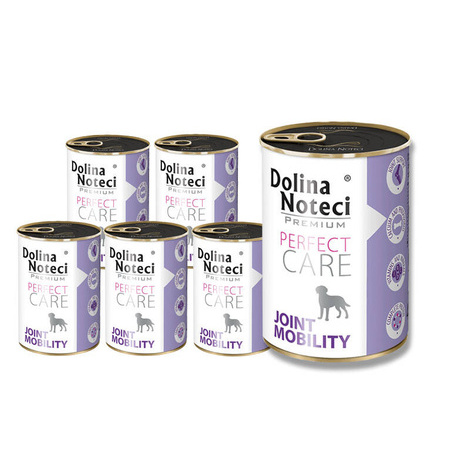
Adult dogs need a balanced diet that helps them maintain a healthy weight without becoming obese, which puts extra strain on their joints and heart. dog food for large breeds should be highly digestible to minimize stool volume, contain adequate levels of chondroitin and glucosamine to support cartilage health, and include omega-3 fatty acids with anti-inflammatory properties.
Supplements for joint health in Cane Corso dogs
Supplementation becomes particularly important for dogs predisposed to dysplasia or showing the first signs of joint discomfort; supplements containing glucosamine, chondroitin, and hyaluronic acid help slow the progression of degenerative changes.Supplementation should be discussed with a veterinarian, who will tailor the type and dosage to your dog’s individual needs.
Comparison of active ingredients in joint supplements for Cane Corso dogs
| Active ingredient | Effects on the joints | The most common form |
|---|---|---|
| Glucosamine | It supports the regeneration of joint cartilage and has anti-inflammatory properties | Glucosamine sulfate, hydrochloride |
| Chondroitin | Improves joint flexibility and reduces cartilage degradation | Chondroitin sulfate |
| Hyaluronic acid | Improves joint lubrication and acts as a joint "lubricant" | In oral solutions or injections |
| MSM | It has analgesic and anti-inflammatory effects | In powders and tablets |
| Type II collagen | Supports cartilage regeneration and improves joint mobility | Hydrolyzed collagen, main.made from chicken |
| Omega-3 (EPA/DHA) | Reduces inflammation and supports overall joint health | Fish oil, capsules |
What does caring for a Cane Corso involve??
Caring for a Cane Corso is relatively simple thanks to its short coat, which does not require professional grooming or frequent baths; however, regular hygiene routines help prevent skin problems and allow for the early detection of skin changes.Brushing with a rubber glove once a week removes dead hair, stimulates blood circulation in the skin, and allows you to check the skin for parasites or wounds. Baths given once every 2–3 months, or when the dog is very dirty, should use mild shampoos formulated for dogs, as frequent washing disrupts the skin’s natural lipid barrier.
Ear care requires special attention in dogs with floppy ears, where restricted airflow creates favorable conditions for the growth of bacteria and yeast.Cleaning with specialized solutions once a week prevents infections while also helping to detect abnormal discharge that may indicate inflammation.Trimming the claws every 3–4 weeks prevents them from growing too long, which can make walking difficult and cause painful curling of the toes.

Who is the Cane Corso for??Is this a breed for everyone??
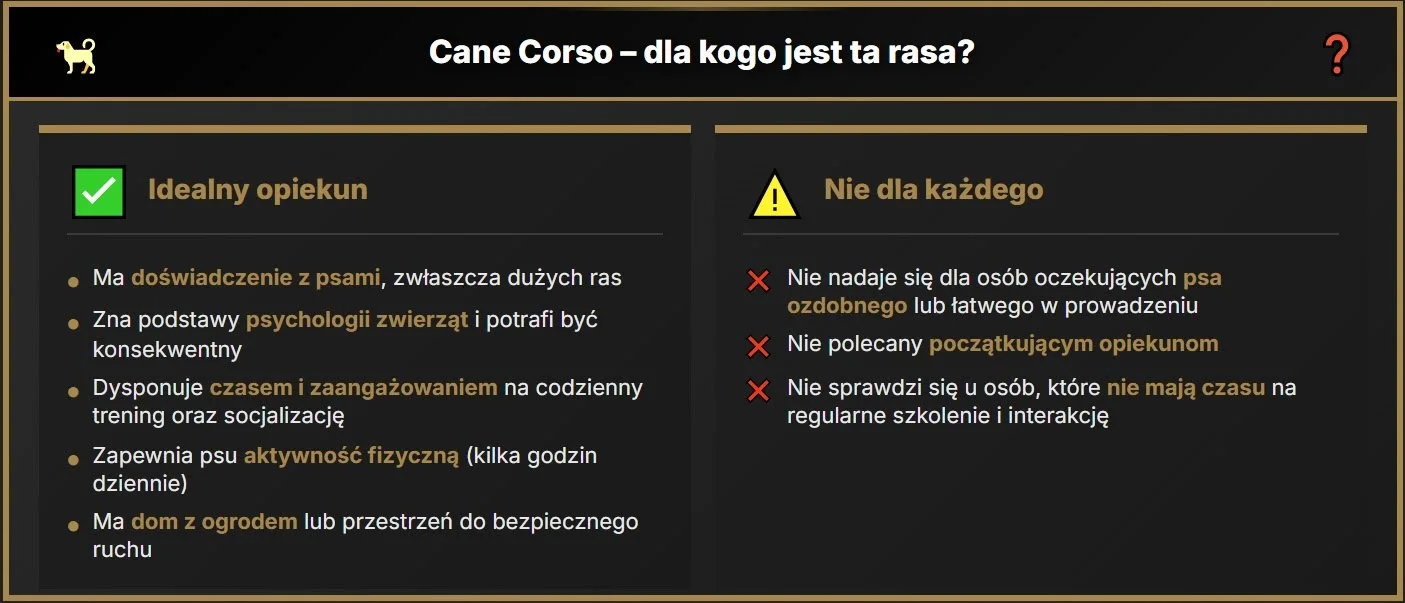
A Cane Corso is suitable as a family dog only for owners who meet a number of criteria regarding experience, lifestyle, and a willingness to make a long-term commitment to raising and caring for a dog with a strong personality.Ideal dog owners have prior experience with dogs, understand the principles of animal psychology, and accept the need for consistent training throughout the dog’s life. A house with a safe yard that allows for free movement provides the ideal environment, although living in an apartment may be acceptable as long as several hours of daily physical activity are ensured.
This breed is absolutely not suitable for people looking for a lap dog, who require minimal attention, or who are comfortable with their pet making its own decisions.
The question of whether Cane Corsos are dangerous requires a precise answer—properly trained and socialized dogs do not exhibit unwarranted aggression, however, their protective instincts and physical strength can pose a threat if they are mistreated or if their owner lacks proper training.
FAQ.Frequently Asked Questions About the Cane Corso Breed
Is the Cane Corso a good breed for a first-time owner??
This breed requires an experienced handler who understands the specific needs of guard dogs, which is why first-time owners often face behavioral issues resulting from improper training.A strong personality and a dominant instinct require the ability to establish authority without resorting to violence, whereas inappropriate methods lead to the reinforcement of undesirable behaviors that are difficult to correct in an adult dog.
How much exercise does a Cane Corso need??
Adult dogs require at least two hours of daily activity, including walks, play, and mental stimulation through obedience training or other forms of interaction with their handler.Puppies need shorter but more frequent exercise sessions to avoid overloading their developing joints.
Does the Cane Corso shed a lot??
Short-haired dogs shed seasonally (spring and fall), resulting in moderate hair loss that can be managed with regular brushing.The amount of shedding is significantly less than in long-haired breeds.
How much does a Cane Corso from a reputable breeder cost??
The price of a Cane Corso from a reputable breeder who conducts genetic testing and ensures proper socialization of the puppies ranges from 4,000 to 8,000 zlotys, with dogs of particularly valuable pedigree commanding higher prices.A lower price often indicates a substandard breeding operation that skips health tests, fails to screen for genetic defects, and does not provide proper care for the puppies.
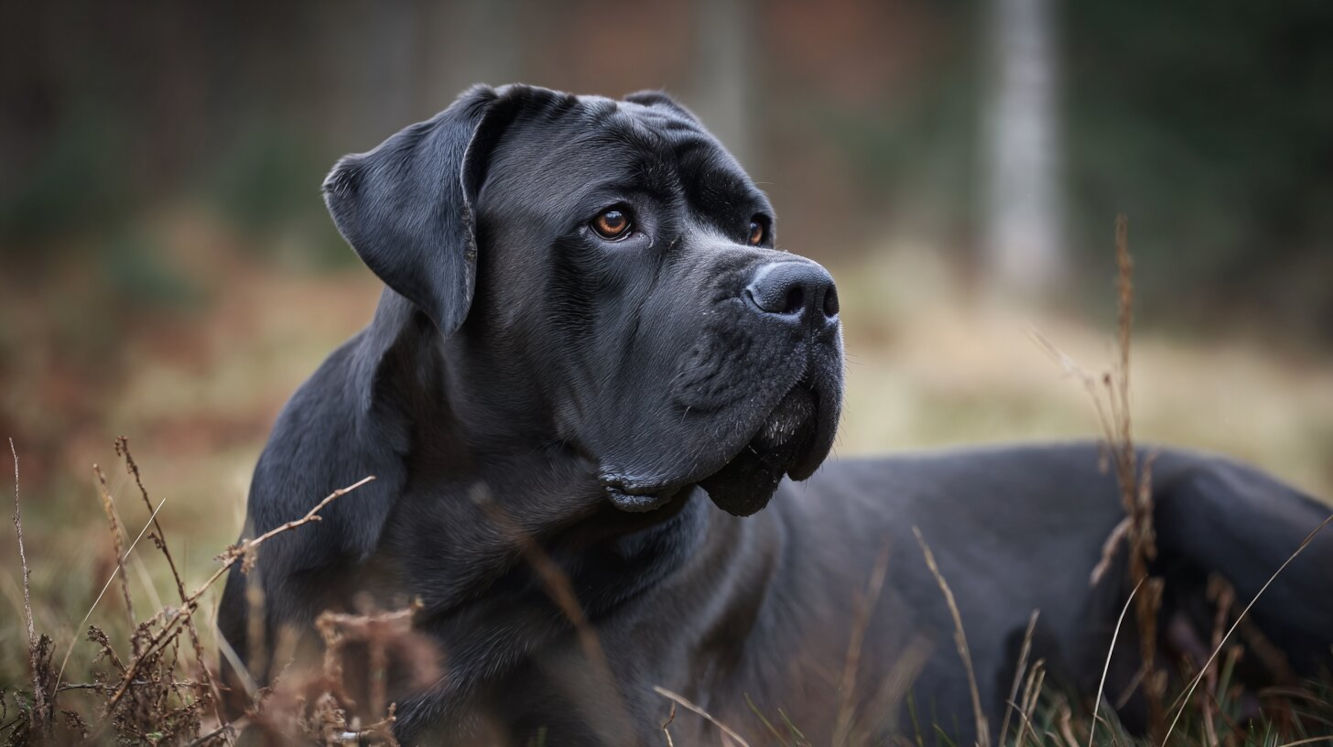
The decision to bring a Cane Corso into your family requires a careful assessment of your own capabilities and a commitment to many years of training and caring for a dog with unique needs.Representatives of this wonderful Italian breed reward responsible owners with unwavering loyalty, intelligence, and a gentle demeanor toward their loved ones, but they require consistent guidance throughout their entire lives.
Make sure your Cane Corso gets proper nutrition, regular veterinary care, and daily training—this will help it become not only an effective guard dog, but above all a beloved member of the family whose presence will enrich your lives for many years to come!
Author: Jacek Wilczak