What is a British Shorthair cat?? Temperament, health, and requirements
If you're looking for a pet with a calm temperament and plenty of charm, a British Shorthair cat might be a great choice.This breed has a sturdy build, a gentle disposition, and moderate energy levels, making it a good fit for homes that value stability and a daily routine.Find out what British Shorthairs are like, how to care for them, and what to look out for when it comes to their health.
What is a British Shorthair cat??Breed description, temperament, grooming, and health
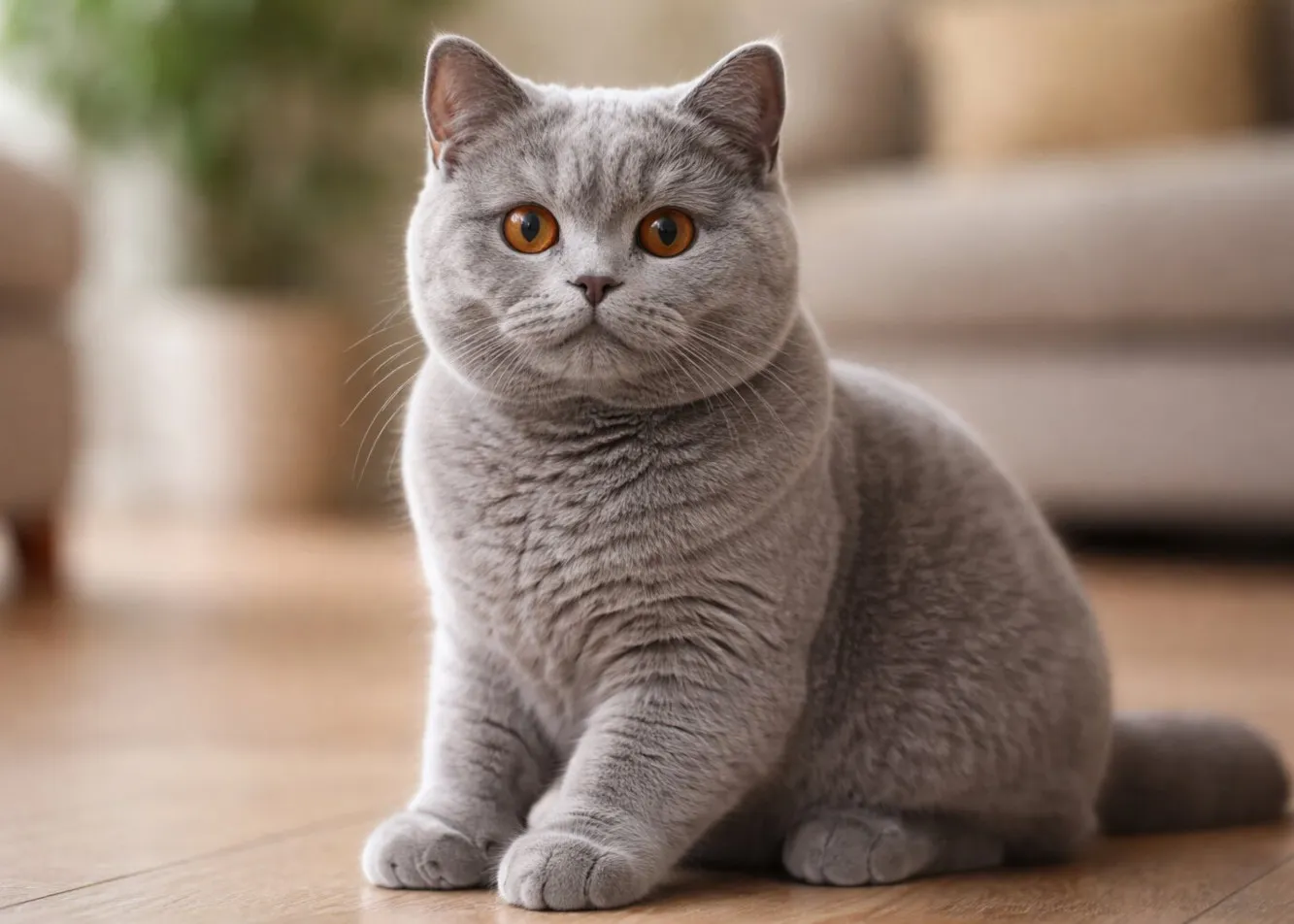
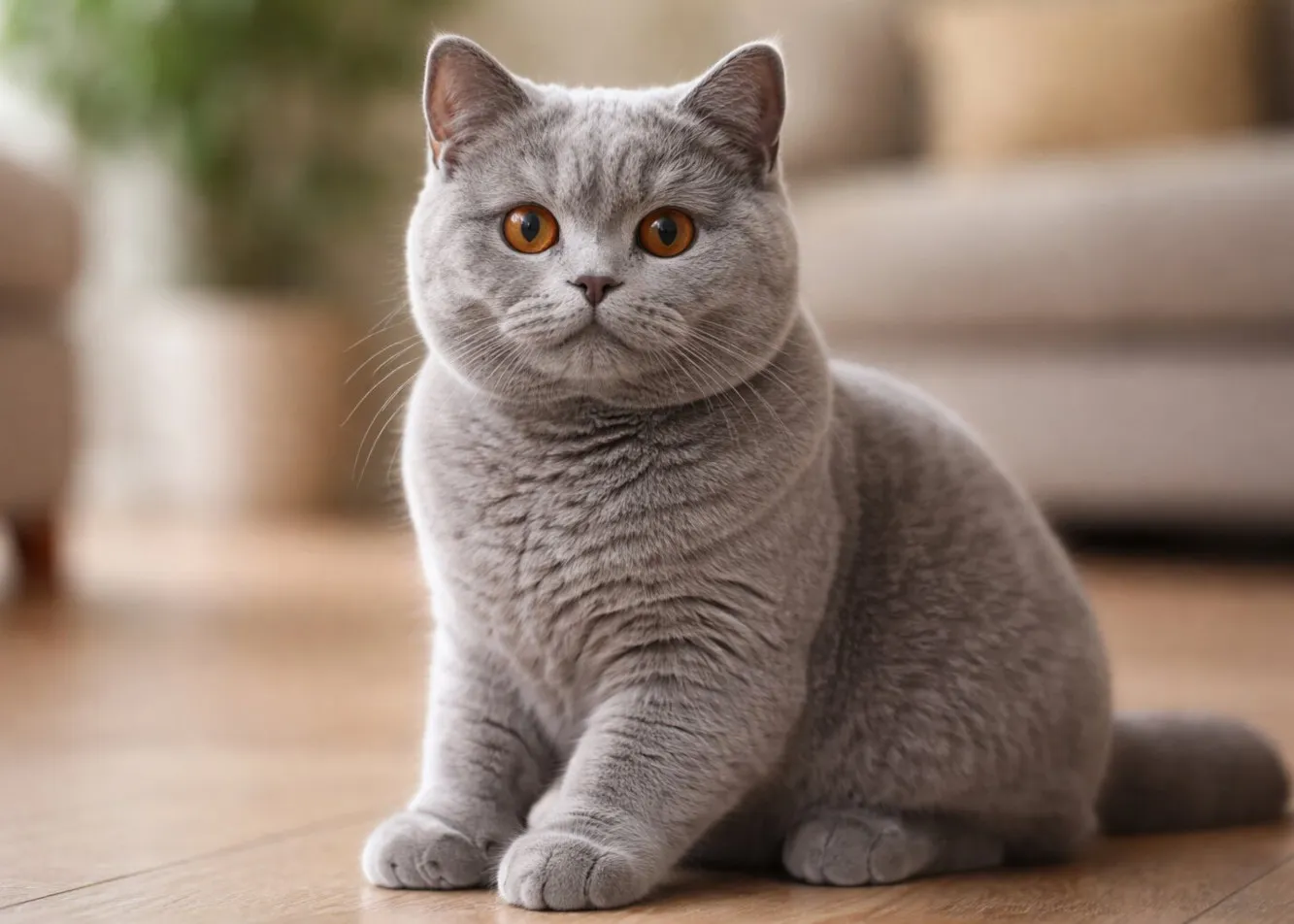
The British Shorthair is one of the most recognizable cat breeds in the world.It is distinguished by its round head, chubby cheeks, and thick fur, which is reminiscent of a teddy bear.At home, he is usually a calm, well-balanced companion: he enjoys human company, but often on his own terms.He's not usually the type to wear knee pads, though it depends a lot on the individual.
It’s worth remembering that his stocky build makes him prone to weight gain, which can lead to orthopedic problems.Therefore, when caring for a cat of this breed, the following are essential: weight management, a balanced diet, and daily exercise.
Basic information about the British Shorthair cat breed
- Country of origin: United Kingdom
- Body weight: approx..4 kg (females) – 8 kg (males)
- Average lifespan: usually 12–18 years, and with good care, even up to.20 years
- Build: massive, stocky, strong bone structure; short, strong neck
- Head and eyes: large, round head; full cheeks; large, round eyes set wide apart (color depends on coat color)
- Ears and tail: ears of medium size, broad at the base, rounded at the tips, and set wide apart; tail of medium length, thick, with a rounded tip
- Coat: short, very dense, with a thick undercoat (usually standing slightly away from the body); it should feel “prickly” to the touch, with sharp-tipped hairs
- Fun fact: It was the British Shorthair cat that served as the inspiration for the famous Cheshire Cat from Lewis Carroll’s book “Alice’s Adventures in Wonderland”.
History and origins
The original British Shorthairs were a natural breed; however, following a decision made by the British Cat Federation (GCCF) after World War I, only cats with a documented pedigree going back three generations and individuals from younger generations resulting from crossbreeding with Persians began to be recognized as true representatives of the British Shorthair breed.Therefore, only these animals were eligible to participate in purebred cat shows and be included in planned breeding programs.This initially led to a decrease in the number of individuals eligible for further breeding, and plans for the breed’s development were further thwarted by World War II.
When efforts to rebuild the British Shorthair cat breed resumed after the war, it turned out that there was so little breeding stock available that “injections” were once again needed — from the already well-known Persian, but also from another breed with a distinctive blue coat, namely the Russian Blue..The procedure was successful, but it affected the British Shorthairs' appearance—as a result, modern British Shorthairs developed a flatter muzzle, and long-haired individuals began to be born.Thanks to these efforts, British Shorthair cats—whose popularity continues to grow—have been saved.Today, the long-haired variety, though initially overlooked, has also been recognized as a breed and has found its place in the feline world.
Appearance and characteristics
This is a cat with a "round" appearance: a round head and eyes, a compact body, and a very thick coat.
Body type
Dogs of this breed have a stocky, muscular build, with short, strong legs.Despite its "teddy bear-like" appearance, it's agile and can be surprisingly fast—especially in short bursts.
Coat and color
The coat of the British Shorthair cat is:
- short, very thick,
- with a distinct undercoat,
- soft and plush to the touch.
The breed comes in a variety of coat colors—from solid to brindle or tortoiseshell.In practice (depending on the cat breed association), a very wide range of colors is permitted, and the eye color should complement the coat color.
The personality and temperament of the British Shorthair
The most common pets of this breed are:
- calm and balanced,
- friendly but not pushy,
- gentle, though they can be stubborn,
- moderately active – they enjoy comfort, warmth, and routine.
They are often referred to as “floor cats” in descriptions, because they usually prefer stable surfaces to constant climbing.However, this is an individual trait: some of them readily occupy high vantage points.It’s best to set up your home so that your cat has options—and can decide for itself where to rest.
The British Shorthair Cat: Children and Family Life
This is a cat that can thrive in a family setting, but needs its boundaries respected.When he feels uncomfortable, he can give a clear signal (and sometimes defend himself).That is why it is especially important to teach everyone in the household—especially children—about cat communication and the fact that we should not disturb a cat that is resting.
How to care for a cat of this breed?Requirements and Care
Although these animals aren't considered "difficult," there are certain aspects you need to focus on.
Diet and Weight Management
British Shorthair cats are prone to being overweight, so it is essential to:
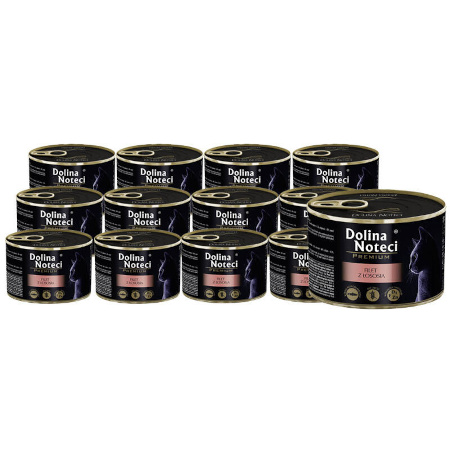
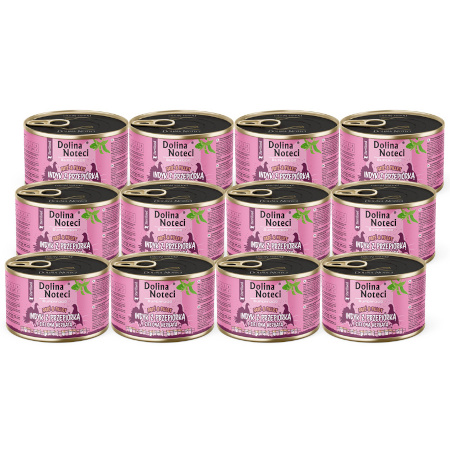
- wet cat food, high-meat, well-balanced diet,
- keeping track of daily portions,
- regular weigh-ins and monitoring your body composition.
Activity and Fun
You don't have to be an athlete, but daily physical activity is essential:
- short play sessions (fishing rod, ball, "hunting" for a toy),
- puzzle toys and scent mats,
- exercise appropriate for one's age and physical condition.
Fur Care
- usually once a week,
- during shedding seasons: more frequently, to reduce the amount of hair in the house and the risk of choking,
- For long-haired cats (if you have a longhair breed at home): they may require more intensive grooming, and sometimes a professional groomer.
A place to relax and feel safe
Despite being sociable, cats of this breed need their own hiding spot:
- a doghouse, a bed in a quiet spot, a shelf in the closet, a basket on the scratching post,
- Rule for the family: if the cat is resting, we don't disturb it.
The Health of the British Shorthair Cat – Common Health Issues
The most commonly mentioned hereditary diseases include:
- hypertrophic cardiomyopathy (HCM),
- polycystic kidney disease (PKD).
In addition, dogs of this breed often struggle with:
- overweight, and consequently orthopedic problems (especially in older cats).
That is why it is important to visit the veterinarian regularly, monitor your pet’s weight, and (if recommended) have cardiac examinations performed.
For cats of this breed, it is also important to have them neutered early enough to reduce the risk of behavioral issues associated with puberty and hormonal changes.At the same time, the decision regarding the optimal timing of the procedure should always be made on a case-by-case basis, after consulting with a veterinarian.
Who is the British Shorthair cat for??
This is a good choice for people who:
- they want a calm, stable companion,
- they enjoy spending time with their cat, but don't need to be with it all the time,
- are ready to keep an eye on their diet and weight,
- will provide your cat with a routine, comfort, and its own space.
It may not be the best choice for those looking for an extremely active cat or one that always wants close contact with people, no matter where they are.
How to Choose a Good Breeder?
A purebred cat should have a multi-generational pedigree and come from a legitimate, ethical cattery.The safest option is to choose catteries that are members of federations affiliated with the World Cat Congress (WCC).This usually means greater attention to animal welfare, socializing the kittens, and placing them in new homes no sooner than 12 weeks after birth.week of life.
FAQ – Frequently Asked Questions About This Breed
Is the British Shorthair a good choice for first-time cat owners??
Usually, yes—as long as the cat owner understands the importance of weight management and respects the cat’s boundaries.
Do dogs of this breed like to climb??
It depends on the individual.Many cats prefer lower levels, but some enjoy using shelves or scratching posts.
Do these cats shed a lot??
They may shed their fur seasonally.Regular brushing significantly reduces the amount of pet hair in the house.
Author: M.Biegańska-Hendryk