What foods should you avoid feeding your dog?
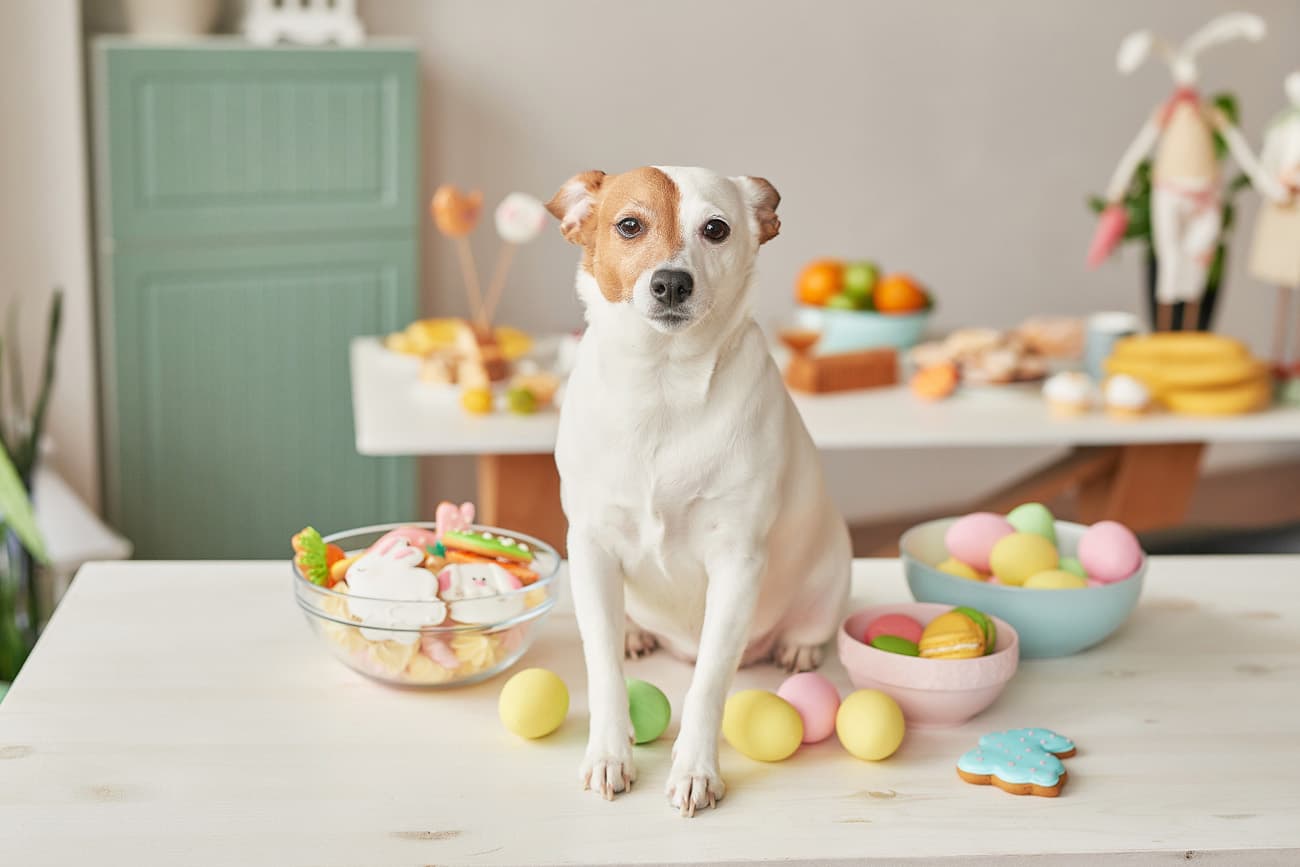
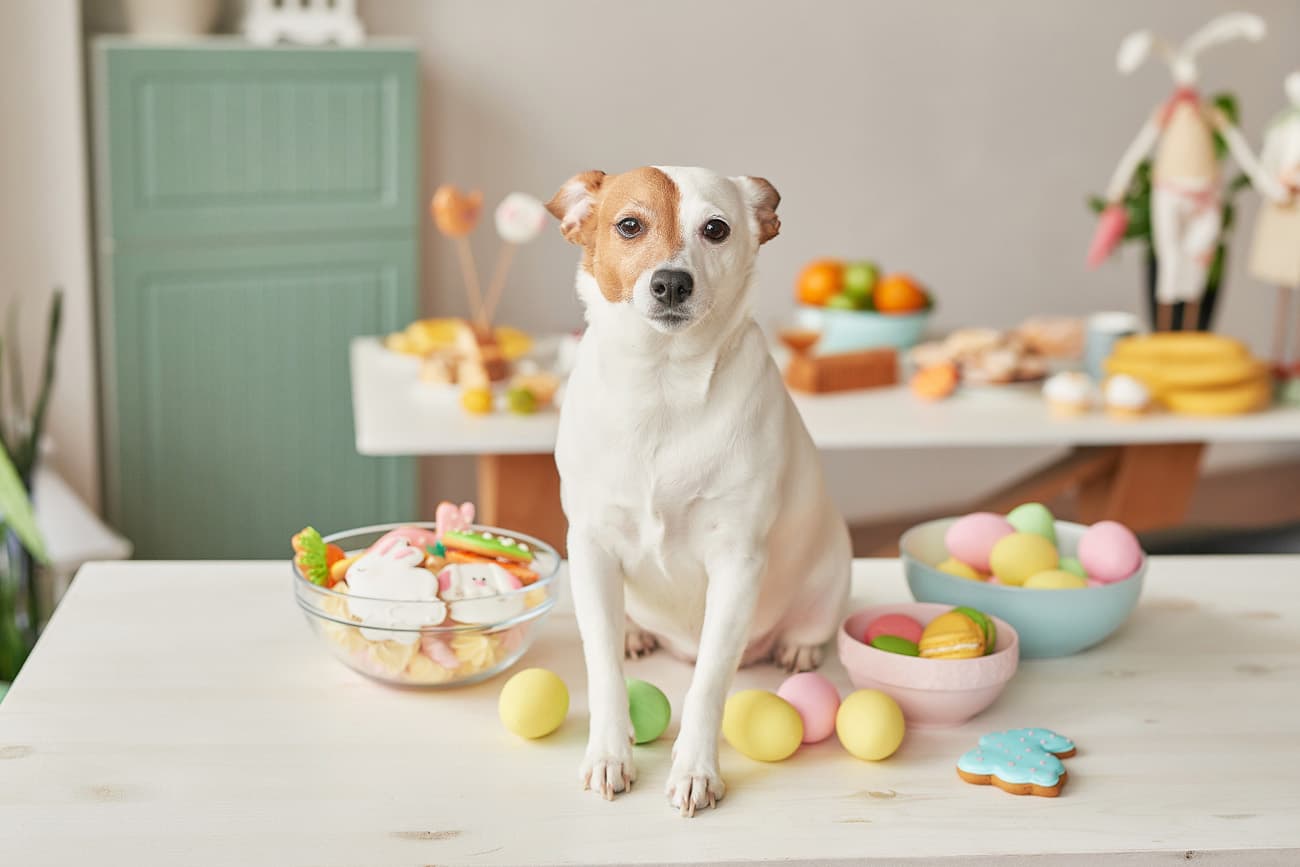
Easter is just around the corner, and with it come the holiday feasts.Dogs, who are, after all, full-fledged members of the family, also enjoy taking part in them.Unfortunately, indulging in holiday treats isn't good for anyone's health—especially not for our four-legged friends…
Why You Shouldn't Feed Your Dog Human Food?
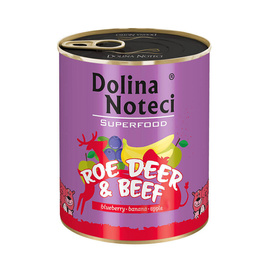
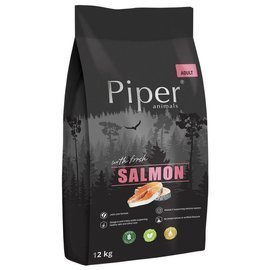
Physiological differences between dogs and humans mean that we have quite different nutritional needs; for example, our daily protein requirements are completely different.In an adult, it is approximately.0.9 g/kg of body weight, and for dogs – 2.2–2.5 g/kg of body weight.The daily menu should take into account your pet's specific nutritional needs.Feeding your dog table scraps rarely fully meets its nutritional needs and can lead to deficiencies, therefore, it is definitely a better idea to feed your pet ready-made wet food formulated to meet its nutritional needs or dry. Furthermore, the rate and type of biochemical processes differ between humans and dogs.Sometimes, foods that are completely harmless to humans can be dangerous to dogs.

What foods should you not feed your dog??
- Xylitol – if people with diabetes are sitting at the holiday table, there might also be a cake made with this popular sweetener.This substance is very dangerous for dogs because their bodies react to it completely differently than ours do.In humans, insulin is not released after consuming it, whereas in dogs, this hormone is produced very quickly, causing a sharp drop in blood sugar—hypoglycemia.Lethargy, excessive salivation, and uncoordinated movements—these are dangerous symptoms of xylitol poisoning.
- Yeast cake – Fortunately, eating a Christmas cake isn’t particularly dangerous, but the excess simple carbohydrates it contains can cause the bacterial flora to start fermenting them, leading to unpleasant gas in your dog.An enlarged stomach that presses against the diaphragm can make it difficult for the animal to breathe.Another problem is the raisins added to the dough, which are highly toxic to dogs and can lead to life-threatening kidney failure.
- Milk and dairy products – some dogs are lactose intolerant.Eating it causes them to have diarrhea.It's an especially annoying problem, especially if you're planning a holiday trip.
- Raw eggs – eating raw eggs carries a risk of salmonella poisoning.In addition, avidin, a protein found in raw egg whites, breaks down vitamin H (biotin), which has a beneficial effect on the coat's appearance.In larger quantities, this substance can weaken the hair and cause it to deteriorate.To get rid of this compound, all you have to do is boil an egg.
- Salty foods – Dogs need salt in the right amount, but too much of it is harmful.It's unlikely that a dog would want to eat salt on its own, but there's quite a bit of it in human foods, especially in cheese, crunchy snacks, and cured meats.Salt poisoning is characterized by excessive salivation, thirst, frequent urination, and diarrhea.
- Alcohol – causes vomiting, diarrhea, and dehydration in dogs, as well as classic symptoms of alcohol intoxication – loss of balance, unsteady gait, and hyperactivity.In larger amounts, it can cause serious liver damage.Fortunately, dogs usually have no interest in hard liquor.
- Citrus fruits – the strong scent of oranges, lemons, or limes is more irritating than appetizing to most dogs, which is why they tend to stay away from them.These fruits have a cholagogue effect, so they may cause vomiting.Some sources report that consuming large amounts of them can lead to a drop in blood pressure and hypothermia.It’s worth noting that citrus fruits, just like in humans, often cause allergies in pets.
- Chocolate – an ingredient in half of all holiday cakes.The theobromine it contains speeds up a dog's heart rate.At doses exceeding 150 mg per kilogram of body weight, it is dangerous.Poisoning from this substance can even lead to a heart attack or internal bleeding.
- Onions and garlic – these vegetables are also hard for dogs to digest, and dangerous disulfides are produced during their digestion.These compounds cause red blood cells to break down, which can lead to hypoxia.It is dangerous to feed an onion weighing more than just 0.5% of the animal's body weight.
Safe treats
If you want to spoil your pet a little this holiday season, treat them to a special snack.Just remember to serve dog treats in moderation, following the instructions on the label.This is an extra meal for your pet, so to help them burn off those extra calories, take them for a long walk.
Recommended