
What does a dog's barking indicate?
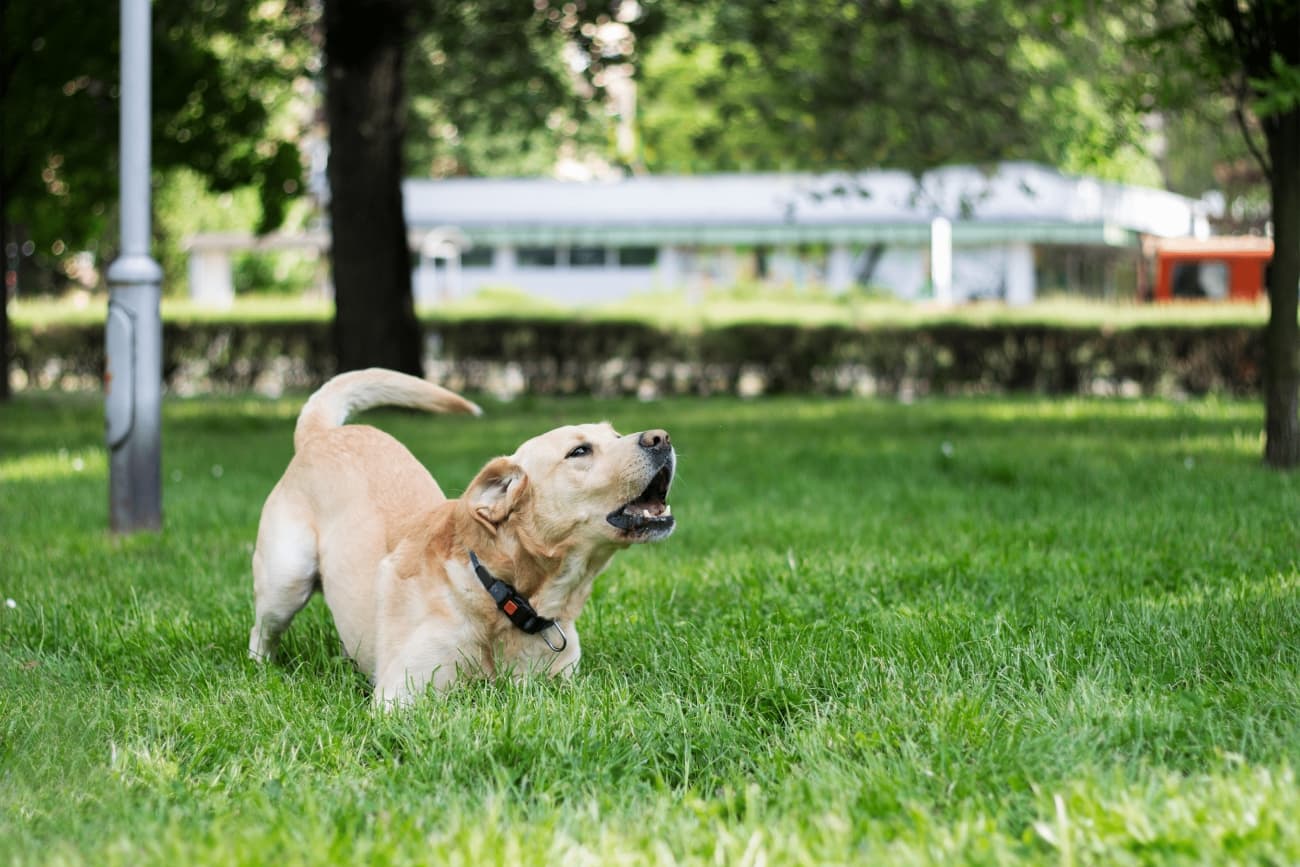
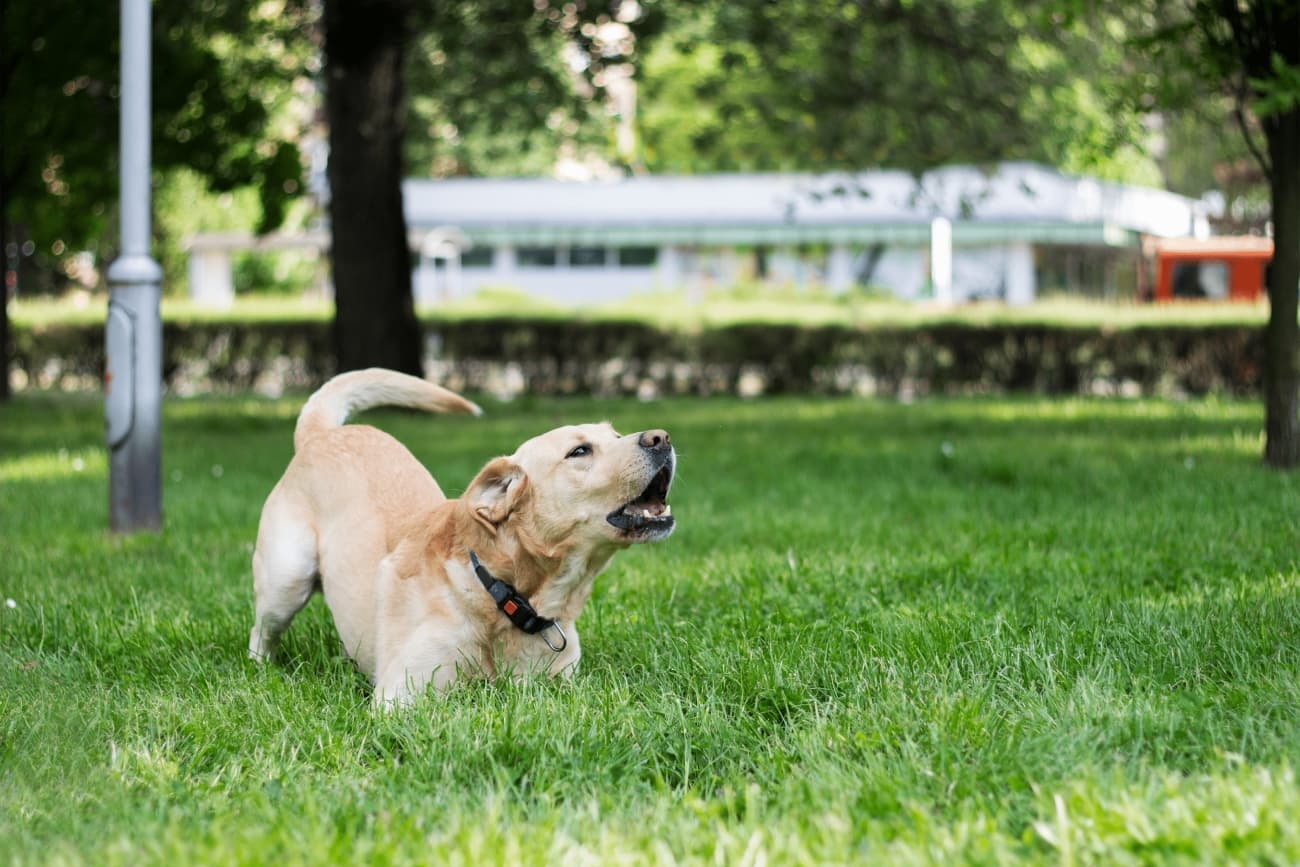
Although it is said that some dogs bark more often than others, one thing is certain—all dogs bark.Wondering why dogs bark is a bit like asking why people talk.The answer is simple—it’s just the way they communicate!Find out exactly what a dog’s barking might indicate and whether there’s anything you can do to stop it.
A dog's barking – what it might indicate?
In the vast majority of cases, a dog’s barking means that the dog wants to communicate something.So you shouldn’t punish your dog—because most of the time, barking stems from a deep concern for you and the other members of your little pack.Your dog is certainly aware that you aren't as observant as he is—which is why he tries to warn you or let you know that something important is happening.
However, there are many other reasons why a dog might bark.These include:
- behavioral issues – these may include, for example, communication problems between the dog and its owner,
- inability to release emotions,
- severe stress,
- aggression – in such situations, growling and a specific body posture also occur,
- inability to meet the dog's needs,
- It may also be an attempt to get the caregiver's attention and encourage them to play.
As a dog owner, you can surely tell the difference between your dog’s moods and determine whether its barking at any given moment is due to excitement and joy, or perhaps stress and dissatisfaction.You’re probably also familiar with a dog’s threatening bark—for example, when your dog meets another pet from the neighborhood that it doesn’t particularly like while out on a walk.
Why does the dog bark in the yard at night??
Dogs that don’t sleep inside the house—but in a doghouse in the yard, for example—often start barking in the middle of the night.What is the reason for this??Think about why you decided to keep your dog in the yard.Probably to warn you of intruders and to protect your home from burglary.So you have to admit that the dog does a good job in this role.Most dogs bark at night in the yard precisely because something has startled them.It could be a person walking by, a wild animal, or a noise the dog isn't familiar with.
However, if your dog reacts nervously to every noise and barks repeatedly throughout the night, consider finding him a different place to sleep.That's better than wondering why the dog barks in the yard at night.You're sure to find a quiet, peaceful spot in your home where your pet can get a good night's sleep.
How to stop your dog from barking?
Many people visit a dog behaviorist, hoping that the specialist will train their dog not to bark.Unfortunately, there is only one answer to the question of how to stop a dog from barking—there is no single effective way to train a dog not to bark.If you don't want your dog to bark too often, start training him when he's still a puppy.When your puppy starts barking, try to distract him with something else.Don’t punish him for barking, as this can lead to frustration in the dog and, later on, to behavioral problems.When you see your dog getting up quickly and about to start barking, distract him with something else—such as a game or a command exercise.To that end, make sure to have dog toys ready in every room .
Be sure to also check that the dog’s barking isn’t caused by some underlying issue.Maybe he's telling you he needs to go outside to do his business?Or maybe the dog food in the bowl is all gone or it's feeding time?Or maybe you forgot to play with your dog using his favorite toy today?You need to be especially careful here.If you don’t want your dog to learn that barking leads to you playing with him, remember: only start playing when your dog is calm and quiet.Otherwise, the dog will learn that it has to bark a little to get you to play with it.Focus on positive reinforcement—if your dog is calm and lying on its bed, reward it.If he barks, just ignore him.This way, the dog will quickly learn that barking doesn't pay.
Learn to understand dog language!
Keep in mind, however, that you’ll never be able to completely break a puppy of this habit.This is natural behavior for a dog, stemming from its instincts.Instead, you can learn to distinguish between different dog vocalizations.Below are a few examples:
- three or four barks, with a brief pause in between – “Everyone, assemble!”!",
- long series of single barks or barking combined with howling – “I’m lonely, is anyone here?”?",
- a dog's continuous, slow, low-pitched barking – "Watch out, intruder!"!We are in danger!",
- a sigh – “I need to rest for a moment” or: “I’ll give it a rest, because I don’t think it’s going to work out”.",
- threatening barking – if accompanied by growling, it may indicate fear or a readiness to fight.
These are just a few examples that frequently appear in dog training guides.However, they will certainly show you that canine communication can be very diverse, and understanding what your dog is trying to tell you can greatly enrich your relationship.