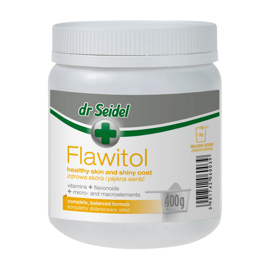
What are the symptoms of vitamin B12 and folic acid deficiency in dogs?


Vitamin B12 and folic acid play a key role in canine health, particularly in blood formation and nervous system function.A deficiency in these vitamins can lead to serious health problems that may affect your pet’s overall well-being.In our guide, you’ll learn about the symptoms of vitamin B12 deficiency in dogs and how to recognize this problem in your pet.
The Role of Vitamin B12 and Folic Acid in a Dog's Health
Vitamin B12, also known as cobalamin, and folic acid are essential for the production of red blood cells, DNA synthesis, and the proper functioning of a dog’s nervous system.Vitamin B12 plays a role in protein and fat metabolism, supporting proper digestion and the functioning of the digestive system.Folic acid, on the other hand, is essential for cell growth, which is particularly important for puppies and pregnant females.
What are the symptoms of vitamin B12 deficiency in dogs??
Symptoms of vitamin B12 deficiency in dogs can be subtle and develop gradually.These are often digestive problems, such as vomiting, diarrhea, loss of appetite, or difficulty absorbing nutrients.A deficiency can also affect a dog’s behavior, causing weakness, lethargy, balance issues, and, in extreme cases, even neurological disorders such as tremors or problems with motor coordination.In dogs with vitamin deficiencies, a deterioration in coat quality and skin changes are also observed.
What are the symptoms of folic acid deficiency in dogs??
Folic acid deficiency in dogs presents with symptoms similar to those of vitamin B12 deficiency, causing fatigue, weakness, pale mucous membranes and skin, as well as digestive problems such as diarrhea and tongue irritation.It can lead to abnormalities in red blood cell production, resulting in anemia.
Is an excess of vitamin B12 or folic acid dangerous for dogs??
Although vitamin B12 toxicity is rare, it can lead to elevated levels of this vitamin in a dog’s body; however, this usually does not cause any adverse effects.Vitamin B12 is water-soluble, which means that any excess is excreted in the urine.On the other hand, an excess of folic acid can be more dangerous, as it can mask a vitamin B12 deficiency, which in the long term leads to neurological damage.
Causes of vitamin B12 and folic acid deficiency in dogs
The most common causes of vitamin B12 and folic acid deficiency in dogs include an improper diet.Vegan or vegetarian foods, which are low in these nutrients, can be particularly problematic.A deficiency may also be caused by digestive disorders, such as pancreatitis, celiac disease, or Crohn's disease, which affect absorption.
What are the effects of a long-term deficiency of vitamin B12 and folic acid in dogs??
A long-term deficiency of vitamin B12 and folic acid in dogs can lead to a number of serious health problems.Megaloblastic anemia, resulting from a deficiency of these vitamins, is just one of the symptoms, and the problem can be much more complex.Causes of folic acid deficiency in dogs may include an inadequate diet, malabsorption in the gastrointestinal tract, as well as liver or intestinal diseases.Low folic acid levels in dogs can lead to weakness, loss of appetite, and, in the long term, even neurological problems such as tremors, numbness in the limbs, or lack of coordination.
In cases of such deficiencies, vitamin supplementation for dogs becomes essential to replenish the missing nutrients and improve their health.A veterinarian may recommend a suitable diet and supplements to prevent further health complications.
How to Prevent Vitamin B12 and Folic Acid Deficiencies in Dogs?
To prevent deficiencies, make sure to eat balanced meals rich in vitamins and minerals.A dog's diet should include animal-based foods such as meat, fish, eggs, and organ meats.If deficiencies are suspected, you can also start giving your dog vitamin supplements to help make up for any deficiencies.
This is important! It’s worth lookingfor dog supplements recommended by well-known and trusted manufacturers.Before making a purchase, it’s a good idea to consult with your veterinarian to ensure you’re buying a quality product.
Natural sources of vitamin B12 and folic acid in a dog's diet
Natural sources of vitamins for dogs are primarily animal-based products, such as meat (especially liver), fish, and eggs.Foods that are good sources of folic acid include leafy green vegetables, legumes, and certain fruits.That's why you should make sure your pet's diet is balanced.This will help protect him from many illnesses.This will help prevent vitamin B12 and folic acid deficiencies in dogs.
| Product | Source of vitamin B12 | Source of folic acid | Health benefits for dogs |
|---|---|---|---|
| Liver | Yes | Yes | A rich source of vitamins, supports the hematopoietic system |
| Red meat | Yes | Not | High protein content, supports growth and energy |
| Fish (e.g., mackerel) | Yes | Not | Supports healthy skin and coat; rich in omega-3 fatty acids |
| Eggs | Yes | Not | Supports muscle and nervous system development |
| Green leafy vegetables (e.g., spinach) | Not | Yes | Supports cell growth and digestive health |
| Legumes | Not | Yes | Regulates digestion; a good source of plant-based protein |
When to consult a veterinarian about vitamin deficiencies in dogs?
Vitamin deficiencies, especially those involving vitamin B12 and folic acid, can be difficult to detect because symptoms may develop slowly and be subtle at first.That’s why it’s important to pay attention to your pet and note any changes from the norm.
Symptoms of vitamin deficiency in dogs include fatigue, weakness, loss of appetite, skin problems, and difficulty moving.If you notice that your dog is trembling, has pale mucous membranes, is having trouble coordinating, or is excessively weak, you should consult a veterinarian immediately.
Early diagnosis can prevent serious health complications, such as anemia or neurological disorders.Regular blood tests to check vitamin B12 and folic acid levels will allow for early detection of problems and the appropriate use of vitamin supplements for dogs.
A deficiency of vitamin B12 and folic acid in dogs can lead to digestive and neurological problems, as well as hematopoietic disorders.That is why it is important to watch for symptoms such as fatigue, loss of appetite, pale skin, or changes in your dog’s behavior.
Recommended
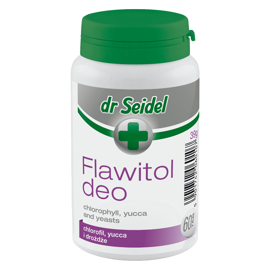
Dr. Seidel Flawitol Deo Dietary Supplement with Chlorophyll and Yucca schidigera, 60 tablets
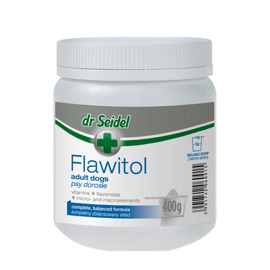
Dr. Seidel Flawitol Dietary Supplement for Adult Dogs, Powder, 400 g