
Vegetables in a dog's diet – which ones are allowed?
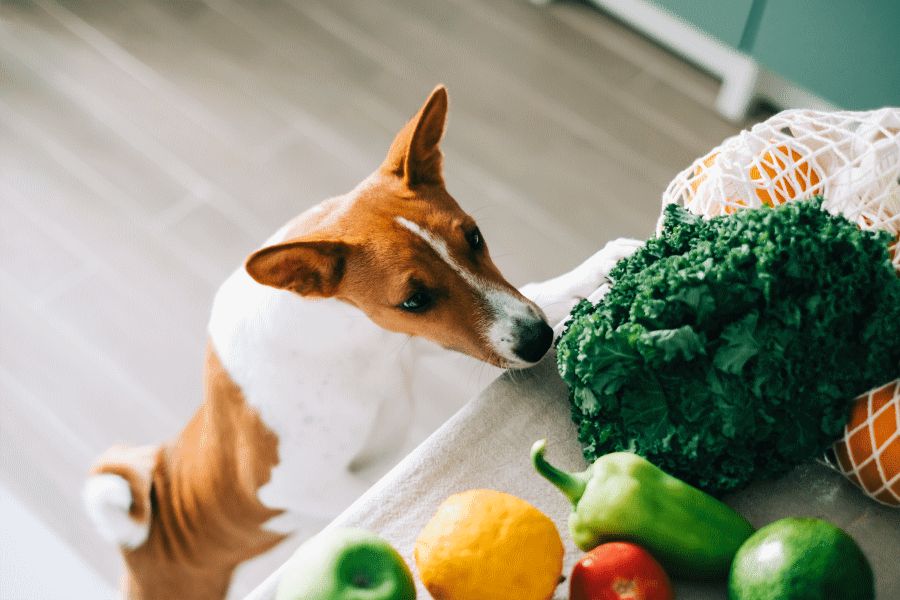
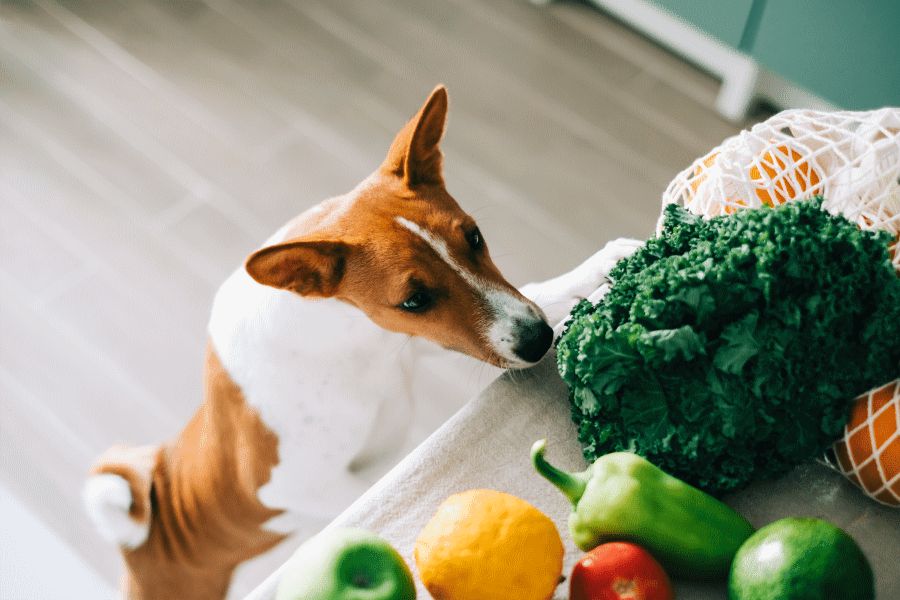
A properly balanced diet has a huge impact on a dog’s health and well-being.As a pet owner, you do your best to ensure your pet’s diet is tailored to its needs?If so, you’re probably wondering whether it’s a good idea to feed your dog fruits and vegetables.
Fruits and vegetables for dogs – is this a good idea??
Definitely yes!Fruits and vegetables are an excellent source of vitamins and minerals, which—as we know—are essential for the body to function properly.It’s a good idea to include them in your dog’s diet to add variety and provide essential nutrients.However, before you decide to feed your dog vegetables or fruit, be sure to check that the food you choose isn’t harmful to dogs.There are, in fact, fruits and vegetables that dogs simply cannot digest—and, on the contrary, they can cause a variety of digestive problems.Below, we have compiled answers to frequently asked questions from dog owners!
Can dogs eat beets??
Beets contain many valuable nutrients, which is why many people wonder if dogs can eat them.Yes, dogs can eat beets.However, be careful not to give your dog too much of them.Too many beets in a dog's diet can negatively affect its digestive processes.It’s best to choose cooked beets—but you should never feed your dog canned or pickled beets, as this will almost certainly cause diarrhea or vomiting.So, to answer the question of whether dogs can eat beets—yes, but in moderation and only if they’re cooked.Note: Beets are not suitable for dogs with urinary tract problems.
Can dogs eat carrots??
Carrots are one of the best vegetables you can give your dog.You can serve it either cooked or raw, though—to protect your dog’s digestive system—it’s best to choose cooked carrots.Raw carrots make a great chew toy or snack, but for dogs with particularly sensitive digestive systems, raw vegetables aren’t the best choice.Just boil the carrots for 15–20 minutes, then cut them into small pieces.You can add these cooked vegetables to your dog’s meal (both dry and wet food ) or use them as treats.You can also place carrot pieces in the snuffle mat.This will certainly be an interesting change of pace for the dog.Carrots are packed with vitamins and minerals.It is particularly rich in vitamin A, which is beneficial for a dog's eyesight.It’s also a good idea to give your dog carrots when he’s suffering from constipation—cooked carrots may be the best remedy in this case.
Can dogs eat potatoes??
Potatoes are an extremely popular vegetable in our kitchens, which is why many people wonder if dogs can eat potatoes.In this case, the answer is: not exactly.Unfortunately, dogs shouldn't eat these vegetables—especially if they're leftover potatoes from dinner, fried, or served with fatty sauces.Under no circumstances should you feed your dog raw potatoes.Of course, your pet will certainly eat it happily, but the consequences—in the form of stomach problems—will set in very quickly.The only option is to feed your dog potatoes that have been cooked for a very long time.However, it is important to remember that these foods have a very high glycemic index, so they may contribute to weight gain in your pet.In short, feeding potatoes to your dog isn't the best idea.However, if you want to feed them to your dog, cook them thoroughly and do so only occasionally.
Can dogs eat tomatoes??
Are you wondering if dogs can eat tomatoes??In most cases, it is generally accepted that dogs should not eat tomatoes, as there is a very high risk of poisoning.Unripe tomatoes are particularly dangerous, as are the green parts of the tomato, such as the stem.The same applies to all tomato products.However, if your dog really loves tomatoes, you can give them to him every now and then.Make sure, however, that the tomatoes are fully ripe and free of any green parts.Keep in mind, however, that high-quality dog food is the better choice !
Can dogs eat cabbage??
Cabbage is packed with vitamins and minerals, and it’s a common staple in our homes.It's no wonder that many people wonder whether dogs can eat cabbage.Yes, feeding your dog cabbage can be a pretty good idea, as it can have a positive effect on your dog’s overall health.Dogs can eat green and red cabbage, both cooked and raw.However, make sure the cabbage doesn't cause your dog any stomach problems.Remember to introduce each new food gradually—not all at once in large quantities.Interestingly, you can also feed your dog sauerkraut.However, these must be small amounts.It’s a good idea to add this vegetable to your dog’s diet during the fall and winter months.It will certainly have a positive effect on your dog's immune system.
Can dogs eat kohlrabi??
Kohlrabi is a vegetable that seems very safe.It turns out, however, that dogs can't always eat it.This vegetable can cause severe stomach upset in dogs, including diarrhea and abdominal pain.Kohlrabi is, in fact, hard to digest.It’s not worth the risk—it’s much better to choose other vegetables that are safe for dogs.Note: Kohlrabi can interfere with thyroid function, so it must not be fed to dogs suffering from thyroid disorders.
Summary
Feeding dogs is a difficult task.Feeding your dog fruits and vegetables is a great way to provide your pet with important vitamins and minerals.However, it is important to keep in mind that dogs do not always digest fruits and vegetables the same way humans do.It is completely safe to feed your dog carrots or cabbage, but you should avoid giving them kohlrabi or potatoes.Before giving your dog any vegetables or fruit, make sure the food is safe for dogs.And if you're unsure, choose a dog food that's definitely safe for your pet.