Vaccinations for dogs and cats
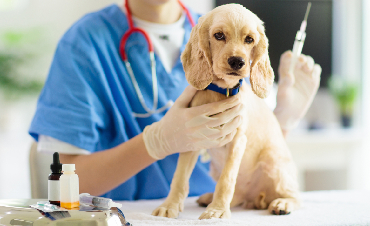
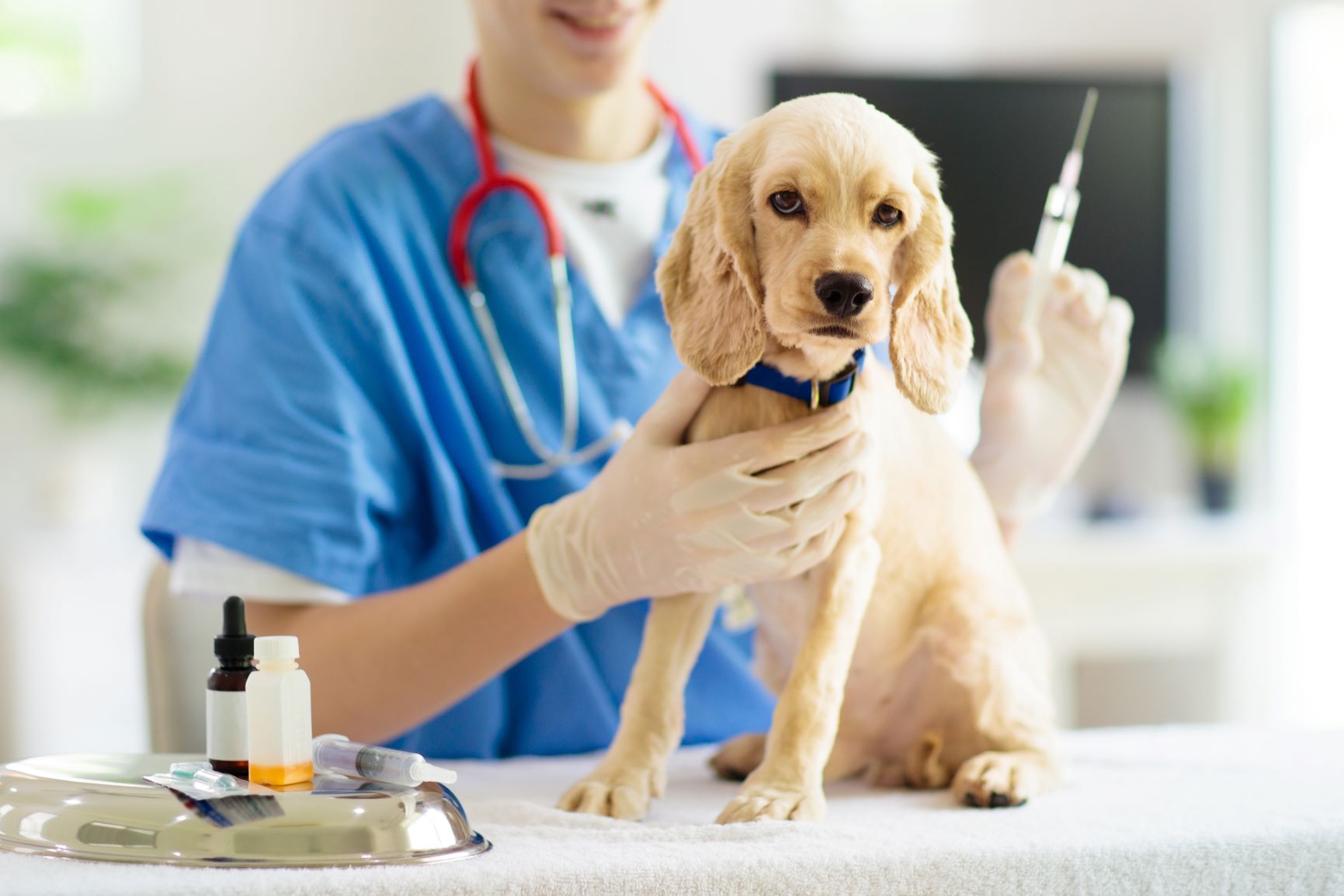
When to vaccinate your dog and cat?
Puppy vaccination schedule:
- 6–7 weeks of age - distemper and parvovirus
- Weeks 9–10 - distemper, parvovirus, Rubarth's disease, kennel cough, leptospirosis
- Weeks 12–13 - distemper, parvovirus, Rubarth's disease, kennel cough, leptospirosis
- Weeks 15–16 - rabies vaccination
The law requires that adult dogs be vaccinated against the rabies vaccine, which should be repeated annually.Vaccinations against other infectious diseases in adult dogs are recommended every two years.
Kitten vaccination schedule:
- 6 weeks of age - panleukopenia, calicivirus, herpesvirus (cat flu)
- 9–10 weeks - panleukopenia, calicivirus, herpesvirus (cat flu), chlamydiosis
- Weeks 12–13 - panleukopenia, calicivirus, herpesvirus (cat flu), chlamydiosis

Resistance
Immunity usually develops 2–3 weeks after vaccination.If the same vaccine is administered again, the animal develops immunity immediately after vaccination.Please note that we vaccinate only healthy dogs and cats.If we visit a veterinarian for this purpose, the veterinarian will ask the pet owner detailed questions about the pet’s health in the days leading up to the consultation.The veterinarian also listens to the animal's chest and checks to see if its body temperature is normal.Vaccinations are usually given as an injection, and an experienced veterinarian administers them in such a way that the animal doesn't even realize it happened.
When you shouldn't vaccinate your dog or cat?
Do not bring your dog or cat for vaccination if it is currently undergoing treatment, immediately before or after surgery, undergoing dental treatment, or undergoing parasite treatment.Vaccination is not recommended for pregnant dogs and cats
What you should know before getting vaccinated
We usually administer a deworming medication one week before vaccination.After deworming, we can take the pet to the vet.Immediately after receiving the vaccine, please wait for half an hour in the waiting room to ensure that no adverse reaction occurs, which is extremely rare.On the same day after the vaccination, your pet may seem a bit lethargic and less eager to play.If this condition lasts longer than one day, contact your veterinarian immediately.
Recommended
Dolina Noteci Premium Junior Wet Cat Food: Cod and Sardine Meal, 85 g
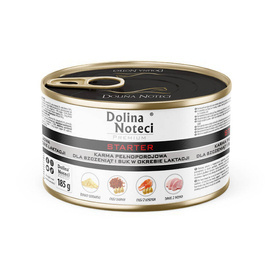
Dolina Noteci Premium Starter Wet Food for Puppies and Lactating Dogs, 185 g
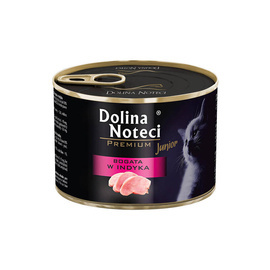
Dolina Noteci Premium Junior Wet Cat Food for Kittens, Rich in Turkey, 185 g