
Vacationing with Your Dog in the Mountains: What to Watch Out For and How to Prepare for Your Trip?
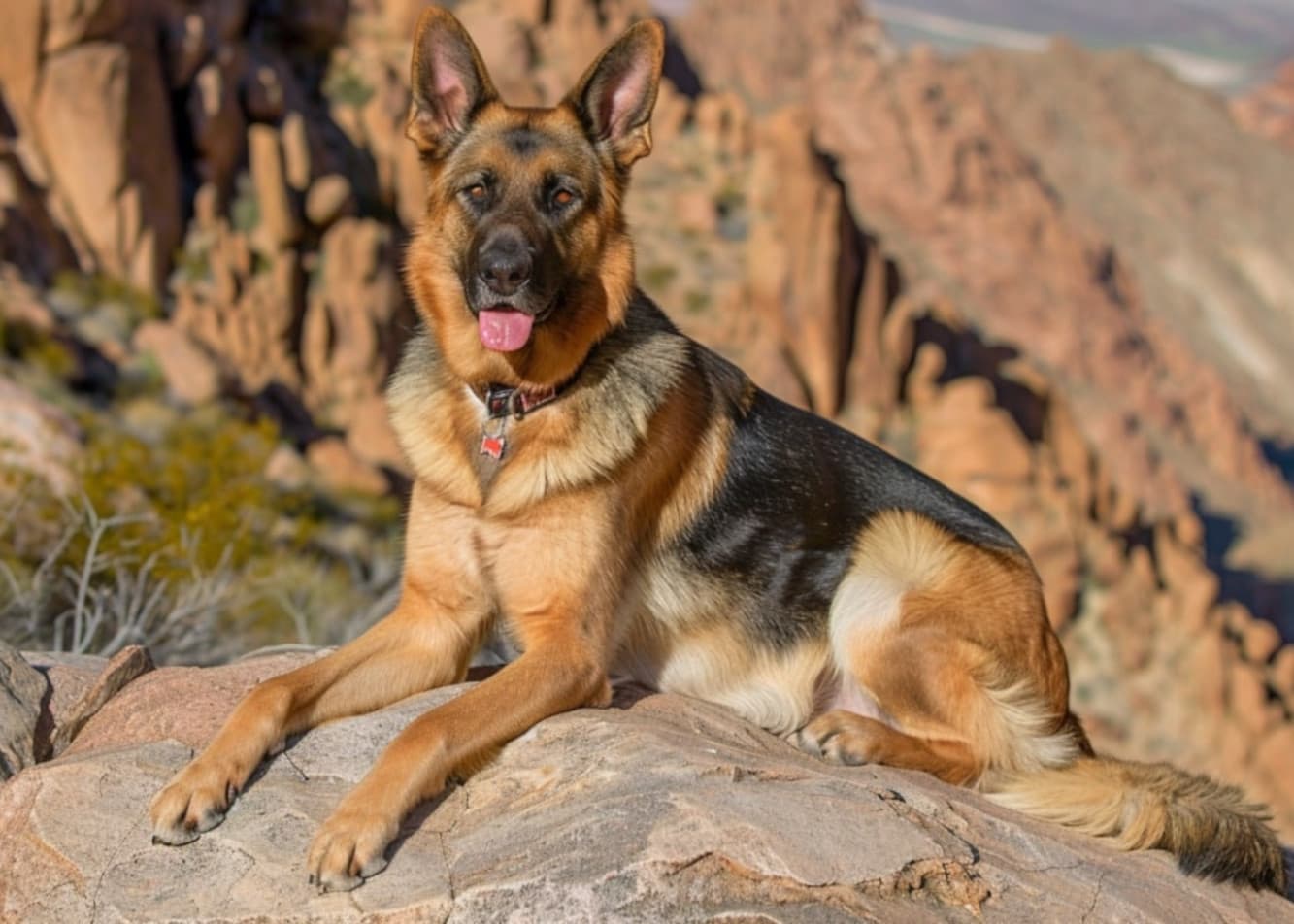
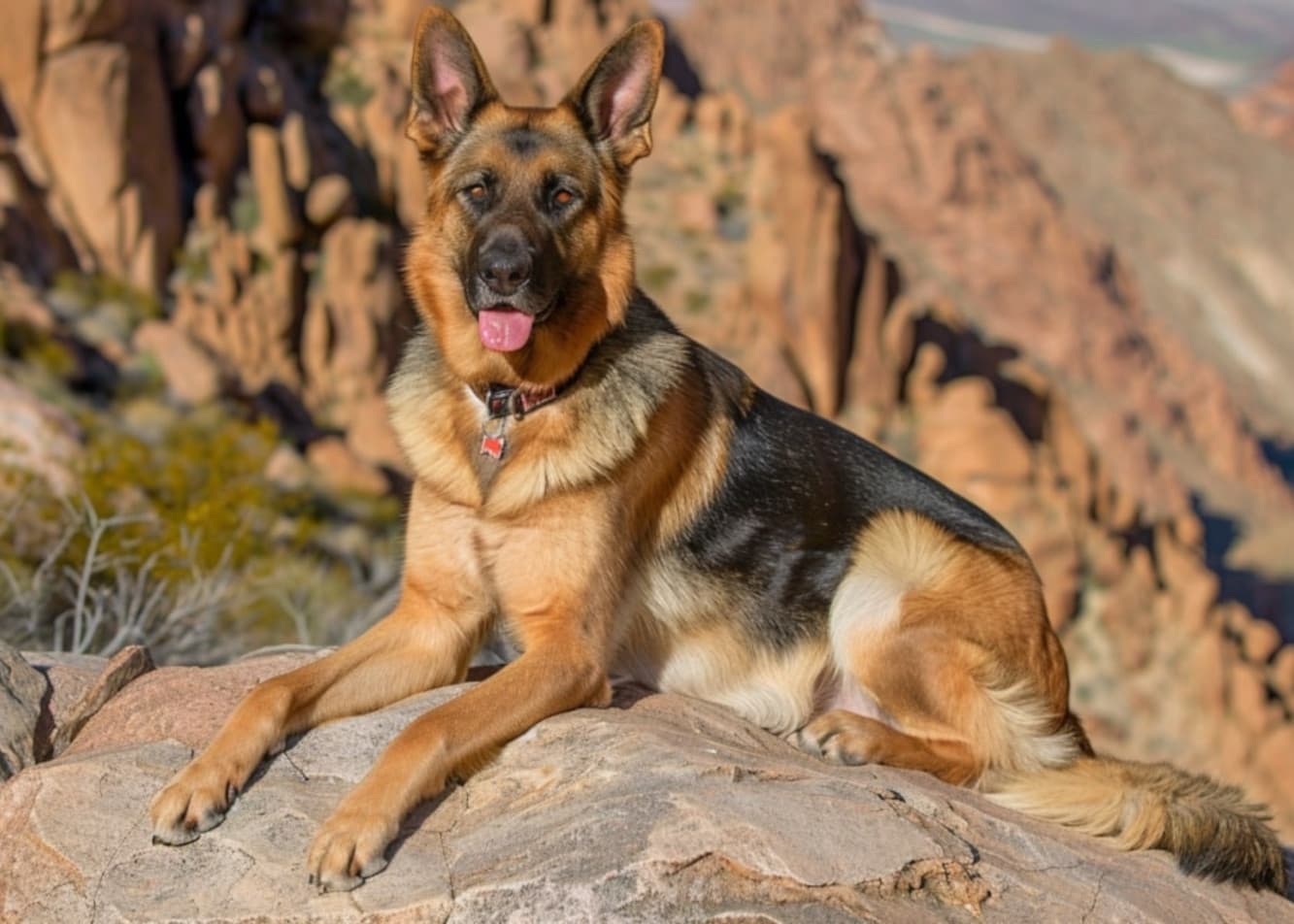
Mountain scenery, fresh air, and wide-open spaces that invite you to explore together—it’s no wonder that vacationing with your dog in the mountains is becoming an increasingly popular way to spend the summer.From a dog’s perspective, the mountains look different than they do to us—intense smells, unfamiliar sounds, the terrain’s slopes, altitude, and temperature all add up to a completely new experience.While they may be an exciting playground for some animals, others may feel stressed or simply physically exhausted.That is precisely why a responsible caregiver should not rely solely on intuition.The key to a successful trip is thorough preparation, tailored to your dog’s actual needs and the unique challenges of the mountain environment.
In this article, we offer tips on how to ensure that a vacation in the mountains with your dog is not only fun, but above all safe and comfortable for both your pet and you.
Table of Contents:
- How to prepare your dog for an active vacation in the mountains?
- Essential accessories for hiking in the mountains with your dog
- Dog Safety in the Mountains: Hazards and How to Avoid Them?
- Proper nutrition and hydration for your dog during mountain hikes
- What to do if your dog gets injured or becomes exhausted during a walk?
How to prepare your dog for an active vacation in the mountains?
Before planning a vacation in the mountains with your dog, it’s a good idea to objectively assess your pet’s capabilities.Race, age, and overall health are key factors here.For example, herding and hunting dogs can handle strenuous exercise and rough terrain.On the other hand, older dogs, those with joint problems, or brachycephalic breeds—such as pugs or bulldogs—may have difficulty breathing and regulating their body temperature during more strenuous walks.To ensure your pet enjoys a vacation in the mountains, it’s best to get them in shape beforehand.To that end, it’s a good idea to take longer walks on varied routes—over uneven terrain, with uphill sections, etc..
We must also not forget about psychological adjustment.It’s best to start with short walks, where you can observe your dog’s reactions, and gradually increase the difficulty of the routes.Before traveling, you should consult your veterinarian, especially if your pet has chronic health conditions or hasn’t had a checkup in a while.The veterinarian will assess whether the dog is ready for exercise and, if necessary, recommend additional supplements to support the joints or the immune system.This approach significantly increases your chances of having a trouble-free and enjoyable vacation with your dog in the mountains.
Read on to find out how to prepare your dog for hiking trips.
Essential accessories for hiking in the mountains with your dog
The basic kit you should bring on a vacation with your dog in the mountains should include:
- Documents – a health record with up-to-date vaccinations and deworming, and when traveling abroad, you must obtain a pet passport.Another important element is the ID tag, which should be lightweight, durable, and clearly visible, and include the caregiver’s phone number;
- a trekking harness or a well-fitting collar – allow you to control your dog in all conditions. 's dog harnesses help prevent neck injuries and are particularly effective on steep inclines;
- protective booties – protect against sharp rocks, hot surfaces, and minor injuries;
- lightweight collapsible bowl – silicone or fabric models fit in any pocket and are easy to clean;
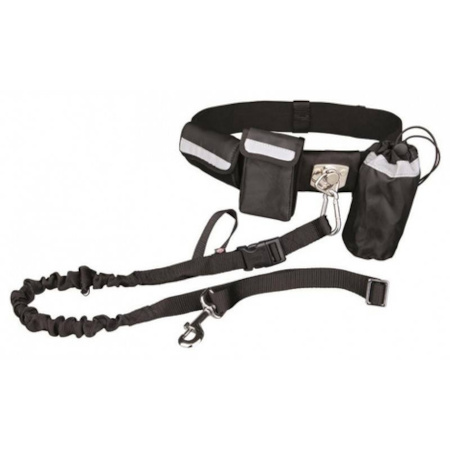
- hip belt with a shock-absorbing leash – allows for comfortable walking of the dog without straining the wrist and provides the owner with freedom of movement;
- a thermal blanket or lightweight mat – useful when resting on a cool surface, protects against heat loss and insulates against moisture.
Choosing the right equipment isn't a luxury, but a key part of responsible preparation.Ensuring your pet's comfort at every stage of the trip makes a vacation in the mountains with your dog a real pleasure.Now that we know what to pack for your dog on a mountain vacation, check out these safety tips for such a trip.
Dog Safety in the Mountains: Hazards and How to Avoid Them?
When planning a vacation in the mountains with your dog, it’s important to remember that even the most beautiful trails may have certain restrictions.National parks and nature reserves have regulations governing the presence of dogs on trails—most often, these require that dogs be kept on a leash, and in some areas, they must also wear a muzzle.In some cases, dogs are completely prohibited from entering.
There is no shortage of potential dangers in mountainous terrain—a dog may panic upon a sudden encounter with a deer, a wild boar, or a bird of prey, such as a hawk.On the other hand, a sudden jerk of the leash on slippery ground can result in injury to both the owner and the dog.
Dog leashes have always been a key preventive measure .The model you choose should be adjustable and have shock-absorbing features, so that you can quickly adjust the length to suit the conditions.Even the best-trained dog should not be allowed to run loose in open mountain terrain.By following basic safety precautions, every dog owner can organize safe hikes with their dog in the mountains and avoid situations that could endanger the dog’s health or life.


Proper nutrition and hydration for your dog during mountain hikes
For longer trips, especially for dogs that are heavy or very active, a high-calorie dog food like —which contains more fat and protein—is a good choice.Meal times during a mountain trip should be adjusted to the daily schedule and the intensity of the activity.It’s better to eat smaller portions before you leave and after you return, to avoid overloading your stomach right before the climb.
For very long trips, it’s a good idea to bring along some light energy snacks, such as dried meat or special dog treats, which you can give your dog during a break.Staying properly hydrated is just as important as eating a balanced diet.A vacation in the mountains with your dog often involves fluctuating temperatures and dry air, which can cause your dog to lose water more quickly than in urban environments.Since access to natural water sources is limited, you should carry a supply of water with you, as well as the foldable bowl mentioned earlier.
Note: Do not give your dog cold water from a stream—its low temperature can lead to a sore throat or other health issues.



What to do if your dog gets injured or becomes exhausted during a walk?
Steep slopes can be hard on your dog’s paws and joints, and changing weather conditions can quickly cause your pet to get too cold or too hot.In such a situation, you should stop walking, take the dog to a safe place, and assess its condition. If an injury has occurred, it will be necessary to immobilize the limb or protect the injured paw from getting dirty.
If your dog shows signs of weakness—such as panting, drooling, or lack of response—you should immediately give it water, provide shade, and let it rest. In moments like these, dog treats can be helpful—they’ll distract your dog from stress, encourage cooperation, and provide energy.
The key to a successful trip is knowing your pet’s capabilities, preparing properly, and tailoring your itinerary to your pet’s condition and needs.The right gear, a well-planned diet, and a focus on safety let you enjoy every moment on the trail.Mountain environments can be unpredictable, so it’s important to be prepared for various situations and ensure your dog’s comfort at every stage of the trip.This will make a vacation in the mountains with your four-legged friend not only an unforgettable adventure, but also an opportunity to build an even stronger bond.
Are you planning to travel abroad with your dog??Find out what you need to do before you leave!