
The most common causes of coughing in cats
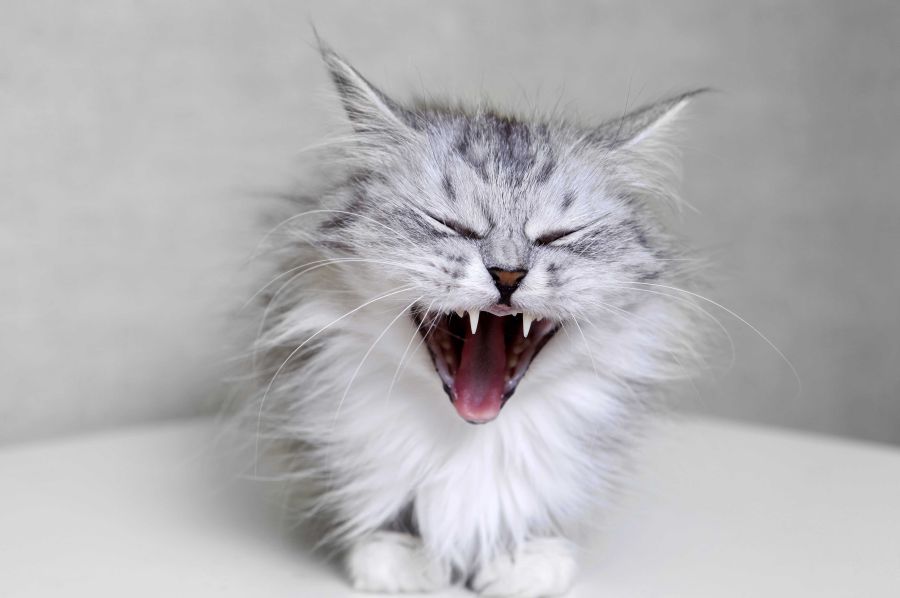
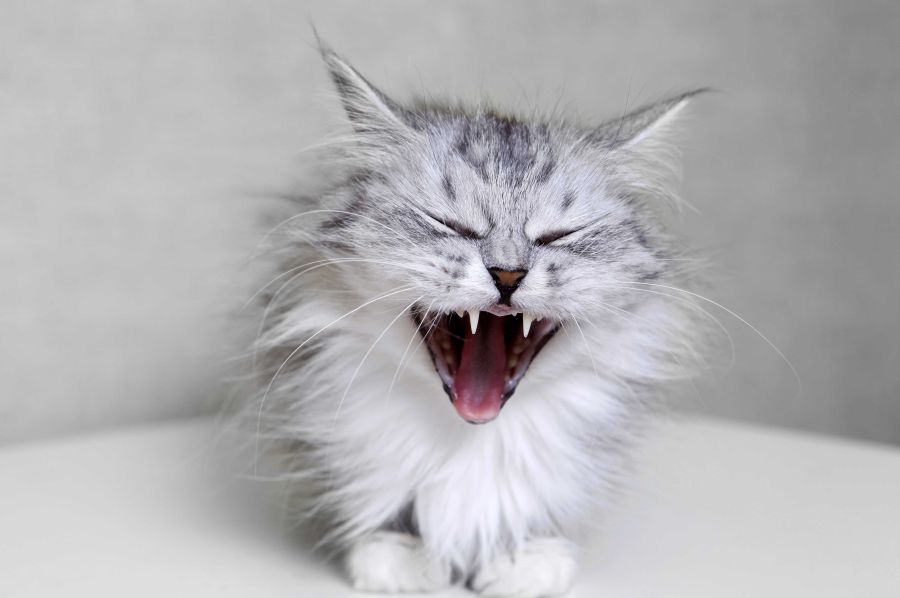
Have you noticed that your cat has started making strange noises??It's a bit like a cough and a bit like a sneeze?Maybe it's just a cat cough.Find out what the most common causes of coughing in cats are.
Causes of a cat's cough
A cat never coughs for no reason—there’s always a cause.That is precisely why, as a cat owner, you should be alert to any unusual sounds coming from your pet’s respiratory tract.A cat's cough can have various causes—here are the most common ones.
Foreign object in the airways
Just like humans, cats can sometimes have foreign objects enter their airways.It could be, for example, a cat hair or a blade of grass.They often get stuck to the cat’s palate—and when the cat tries to get rid of them, it starts coughing.In that case, the cough should go away quickly.You can give your cat a little water to help the foreign object come loose from the roof of its mouth.
A cold or an infection
Although cats are very hardy animals, they can catch a cold too.In such cases, the cough will be accompanied by other symptoms, such as loss of appetite, drowsiness, fatigue, and a lack of interest in playing, as well as a runny nose, sneezing, or a fever.In that case, it’s a good idea to consult a veterinarian, who will prescribe the appropriate medication for your cat.Of course, it’s also important to make sure your pet is comfortable—provide a warm place for them to rest, avoid playing with them, and even give them some warm chicken soup!
Particular attention should be paid to situations where a cough is accompanied by watery eyes and excessive drooling.These could be symptoms of feline rhinitis, which is very dangerous for cats, as well as chlamydiosis.
Seasonal allergies
More and more often, it’s not just people who struggle with seasonal allergies.They are now beginning to affect dogs and cats as well.Symptoms of allergies in cats can include not only coughing, but also sneezing and watery eyes.You may also experience a runny nose.How to recognize an allergy?As a rule, symptoms tend to worsen at certain times—for example, after opening a window or when it hasn’t rained for a long time.These symptoms are not accompanied by weakness, loss of appetite, or a lack of desire to play.If your cat has allergies, it’s a good idea to remove all strongly scented items, such as scented cat litter.
Parasites, fungi, and bacteria
Very often, a cat’s cough is caused by parasites, fungi, and bacteria.Gastrointestinal parasites are particularly common.A common symptom may be a loss of appetite, as well as weakness.As a rule, it is usually enough to give your cat a special deworming medication.The cough usually goes away after just a few days, and the cat begins to regain its energy.
If the cough is accompanied by other symptoms, you should take your pet to the vet for a more thorough examination.It’s not worth waiting for the symptoms to go away on their own, because the disease could progress in the meantime—especially if the cough is caused by pathogens that are dangerous to cats.
Heart disease
Unfortunately, a persistent cough in a cat may also indicate that the animal is suffering from heart disease.Hypertrophic cardiomyopathy is a condition that is particularly common in cats.Heart disease usually develops gradually, and the onset of shortness of breath or a cough may be a sign that the disease is advanced.However, there is no need to worry before the veterinarian makes a diagnosis.This is a natural part of life—especially if the cat is elderly, it may develop valve or blood vessel defects.
Coughing in Cats – Summary
As you can see, there are many possible causes of coughing in cats—ranging from situations where a small piece of lint gets into the cat’s airways to serious illnesses.One thing is certain—a cough in a cat should always be a cause for concern, especially if it lasts for several days.In this situation, it is essential to see a veterinarian as soon as possible.