
The medical needs of senior cats
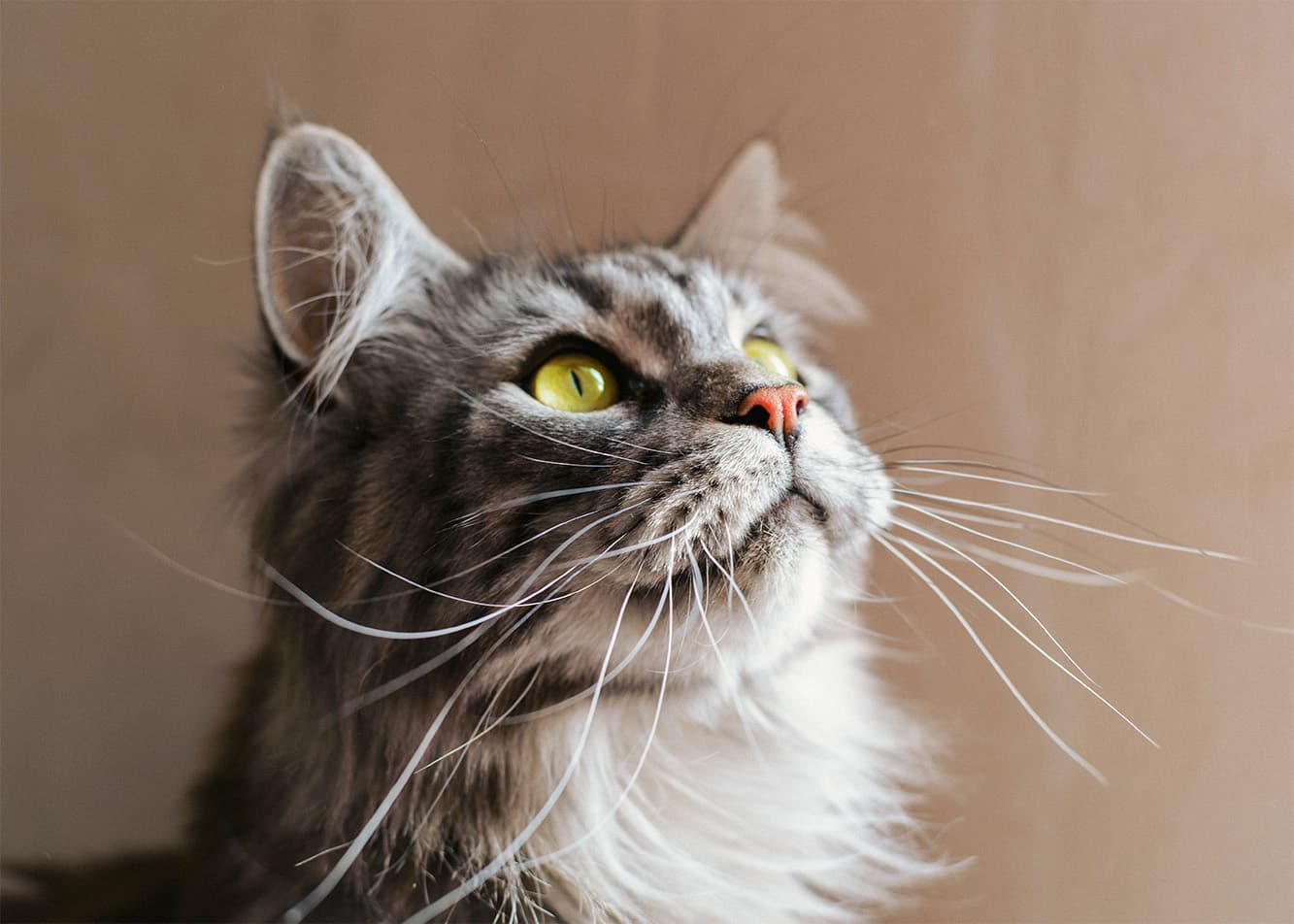
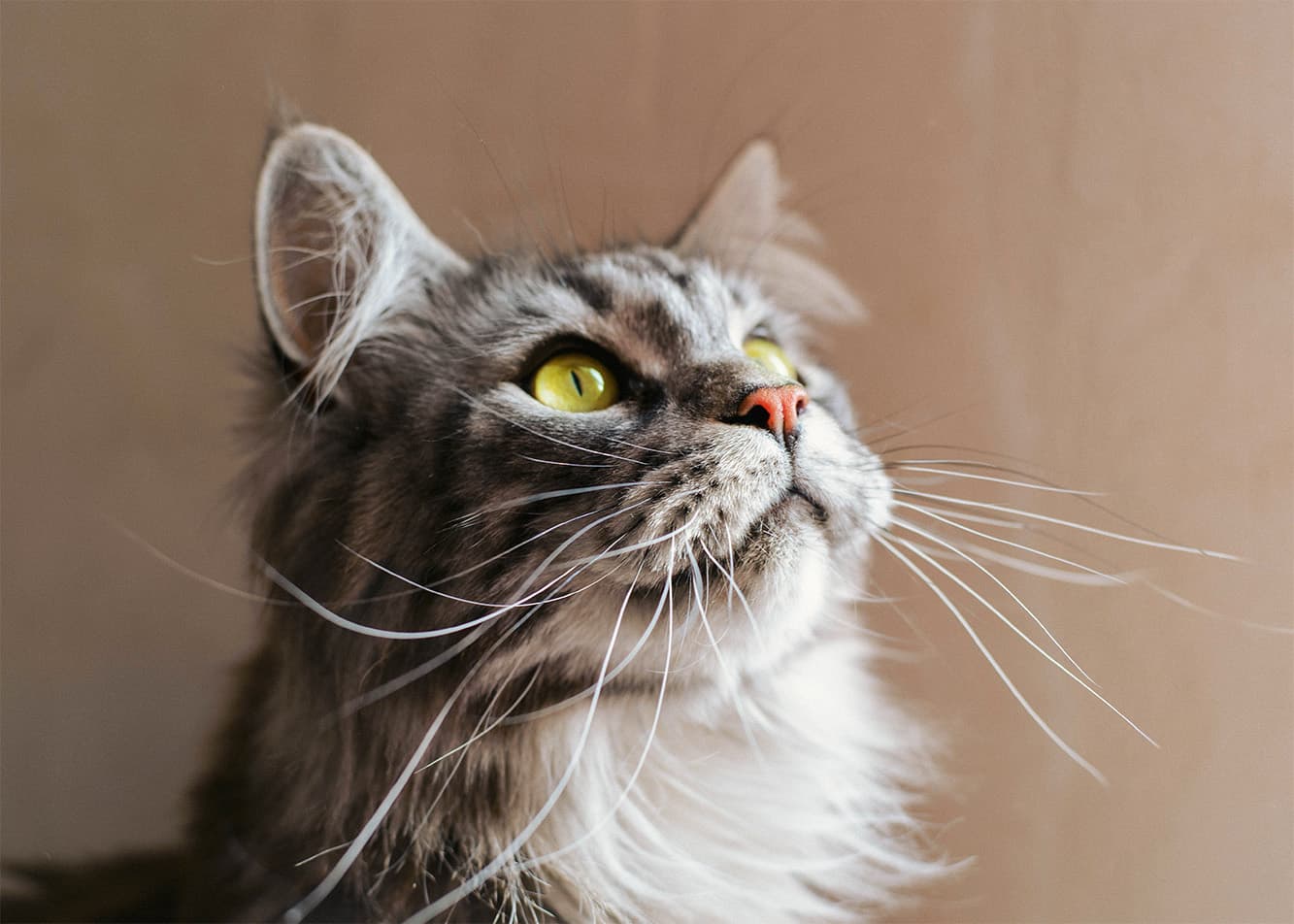
Thanks to greater awareness among cat owners, better veterinary care, a healthy diet, and the creation of a safe environment, cats are living longer and longer.Nowadays, pets that live to be 15 or even 20 years old are no longer the exception, but rather the rule.However, cats, like other creatures, are not spared from old age.It’s therefore good to know how your pet’s needs change as they age, and consequently, how to properly care for a senior cat.
When does old age begin??
That's a rather difficult question, and we won't find a clear-cut answer to it in the sources.Some studies define senior age in cats as starting at eight years of age and older, while others push this back to ten or twelve years of age, given that osteoarthritis often begins to develop during this period, while still other specialists, including myself, prefer to categorize cats as mature (between 10 and 15 years old) and elderly/geriatric, meaning over 15 years old.
Much also depends on the conditions in which the cat has lived so far: the more ailing it was, the poorer its diet, and the more frequently it bred (especially in the case of female cats giving birth to litters several times a year), the faster its body ages.Genetics also play a big role, as proven by the American record-holding cat named Creme Puff, who lived to be over 34 years old, earning a spot in the Guinness World Records as the world’s oldest domestic cat.
Healthcare for Adult and Senior Cats
As our pets get older, they tend to develop more and more health issues.Of course, not all cats experience these changes to the same degree or at the same time, but once our pet starts approaching its teens, we have to be prepared for the possibility that they may occur.The most popular ones include:
- dental and periodontal problemsMany cats over the age of 8–10 begin to experience oral health issues.This may be due to both tartar buildup and the development of other dental problems.For this reason, many cats lose their teeth over time (more or less gradually), and quite a few spend the last years of their lives completely toothless.Importantly, toothless cats not only have no trouble eating high-meat wet food.
- hyperthyroidism– in theory, cats over 8 years of age are at risk, but in practice, younger cats may also exhibit these symptoms.Hyperthyroidism may be environmentally induced: its development is promoted by the presence of items such as saltwater fish, iodized salt, and soy in a cat’s diet.Algae should also not be given to cats with hyperthyroidism.To ensure that the early signs of the problem are not overlooked, it is recommended that every cat over the age of 8 have its thyroid levels checked at least once a year.This makes it possible to implement corrective measures at the right time, thereby controlling the course of the disease.
- Chronic Kidney Disease (CKD)– is the most common metabolic disease in cats.The causes are varied, ranging from genetic factors and individual predispositions to bacterial complications and other infections.Unfortunately, the progression of the disease is also facilitated by an unbalanced diet, especially one that is high in phosphorus and low in calcium.CKD has a total of four stages, and a patient’s prognosis depends on the extent to which their kidneys are able to filter and concentrate urine at each stage.
- high blood pressure and heart conditions— these are also common problems in older cats.Many of them can be managed with medication, provided the condition is diagnosed early.Therefore, every cat over 8 years of age should have an echocardiogram once a year and its blood pressure checked twice a year.
- orthopedic conditions (including osteoarthritis)– the older pets get, the more problems their musculoskeletal system can cause them.Let’s remember that cats are agile and active animals, which means that their bones and joints regularly bear significant loads throughout their lives.Being overweight is a factor that further accelerates the development of musculoskeletal problems.Osteoarthritis (Latin.Osteoarthritis (abbreviated as OA).It is an incurable, progressive condition that causes joint pain and makes it difficult for the animal to move.Therefore, any changes in your pet’s activity levels (e.g., reduced activity, reluctance to play, licking around the joints, difficulty jumping onto higher surfaces, or completely giving up on exploring them) should be discussed with a specialist (preferably an orthopedist) as soon as possible in order to implement measures to mitigate the effects of the disease (including m.in.(appropriate supportive supplementation and pain management).
- Cognitive Disorders Syndrome– is a condition entirely different from those mentioned so far.CDS (Eng.Cognitive dysfunction syndrome is essentially the animal equivalent of Alzheimer's disease in humans.Affected individuals have memory problems, suffer from disorientation, may vocalize persistently, literally get lost in their own homes, have trouble maintaining their usual hygiene, and may even forget to eat and drink.They also often have disrupted sleep-wake cycles and fail to recognize other members of their social group, including their caregivers.Such patients require consultation with a specialist in neurology and behavioral medicine, who can help select appropriate medications and supplements to support brain function, so that a cat affected by this condition can live as comfortably as possible.
The above list is not exhaustive of the health issues that can affect older cats, which also include vision and hearing problems (many cats become completely deaf in old age) as well as issues such as an increased risk of developing cancer, particularly lymphomas.
How often should you take your senior cat to the vet??
When it comes to the preventive care schedule for an adult or senior cat, it should look like this:
| Type of study | How often should you do it? |
| Blood test (geriatric panel) | At least once a year |
| Blood tests for kidney function (if indicated) | At least every 6 months |
| General urine analysis with sediment evaluation and protein-to-creatinine ratio (UP/C) | Every 6 months |
| Ultrasound of the kidneys and abdomen | Every 6 months |
| Thyroid function test | At least once a year |
| Heart Echo | Once a year (or every two years with a cardiologist’s approval for stable patients) |
| Blood pressure measurement | Every 6 months |
| Dental checkup | For cats with teeth, at least every 6 months; for toothless cats, once a year to rule out hyperplastic changes in the gums. |
| Orthopedic examination | At least once a year |
| Eye exam | If you notice any concerning symptoms affecting the eyes (e.g., corneal opacity, changes in pigmentation, and other.) |
Regular veterinary checkups help us keep our feline friend as healthy and comfortable as possible for many years to come.
Unfortunately, most cat owners eventually reach a point where the disease has progressed too far for them to continue helping their cat, or where multiple health issues have accumulated, making a positive prognosis impossible.
