The Thai Cat – Personality, Appearance, Care, and Health
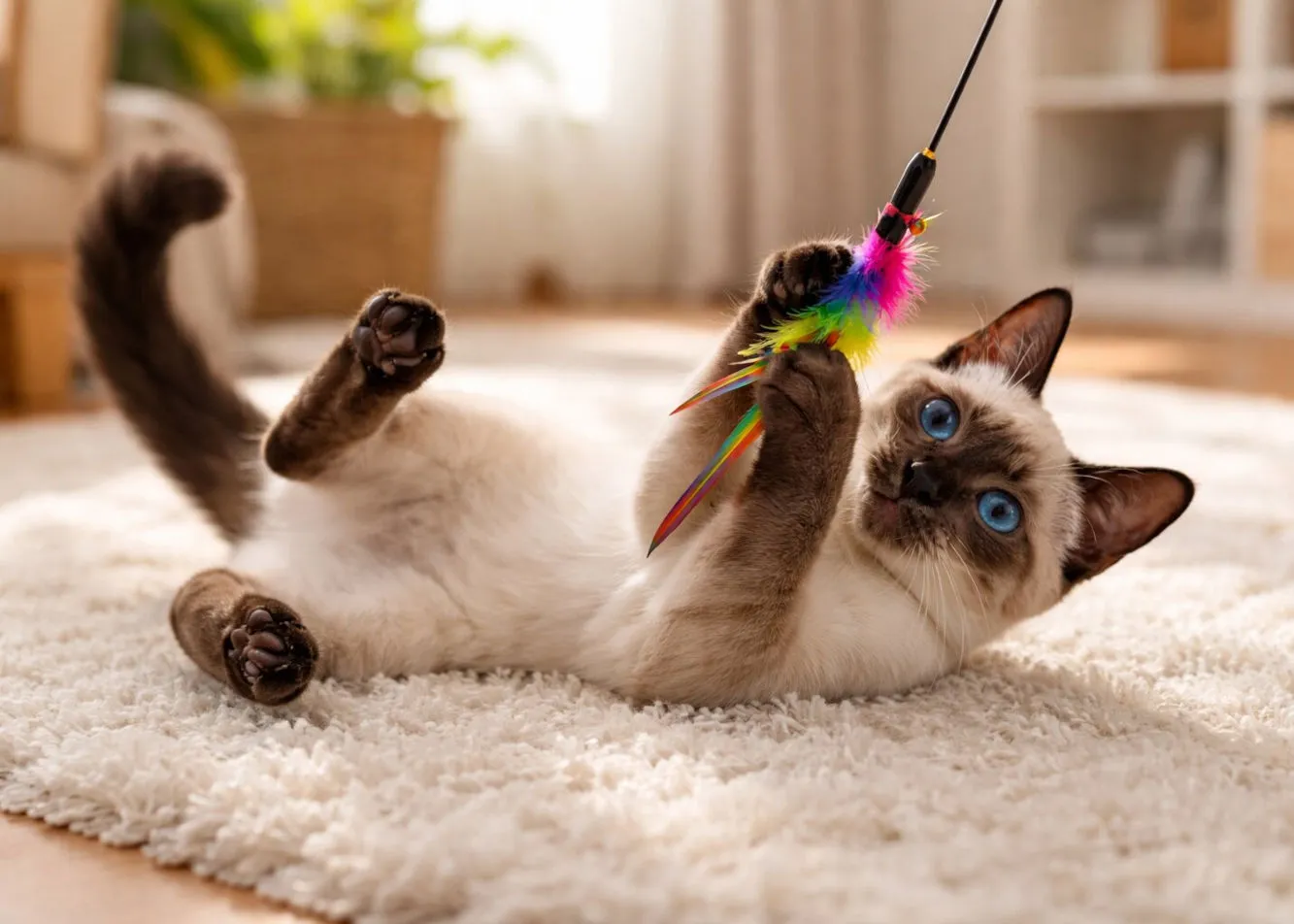
If you're looking for a cat that combines elegance with a need for affection, the Siamese cat could quickly become the center of your world.This is one of the oldest natural breeds, originating in Thailand, with a harmonious build, mesmerizing blue eyes, and a distinctive colorpoint coat.He is usually very sociable, intelligent, and curious, and treats interaction with people almost as a daily duty.It’s worth remembering, however, that behind its charm lie specific needs: a lot of attention, plenty of activity, and the presence of a caregiver or another animal companion.
What is a Siamese cat??Breed description, temperament, grooming, and health
The Siamese cat is best suited for people who are looking for a sociable, active pet that is engaged in family life.This breed is very attached to people—many dogs do not handle loneliness or a lack of stimulation well.If you're often away from home, your Siamese cat may get bored or even stressed.On the other hand, in an environment full of interaction, play, and attention, he can be an extremely devoted, “talkative” companion.
Basic Information
- Origin: Thailand.
- Body weight: approx..2–3 kg (females) – 3–5 kg (males).
- Life expectancy: usually 15–20 years with good care.
- Body: medium-sized, muscular, well-proportioned; less slender than the modern Siamese.
- Head and eyes: head slightly wedge-shaped, with rounded cheeks; eyes large, almond-shaped, intense blue.
- Ears and tail: medium-sized ears, broad at the base; medium-length tail, tapering toward the tip.
- Type of coat: short, silky, without an undercoat, close-fitting.
- Coat color: colorpoint – lighter body with darker markings on the face, ears, legs, and tail.
- Fun fact: Kittens are born almost white—their distinctive markings appear gradually as they grow older.
The History and Origins of the Thai Cat
The Siamese cat is an ancient breed that has been known in Thailand for hundreds of years.It is considered the direct ancestor of modern Siamese cats, although it is now recognized as a separate breed—often referred to as the Old-Style Siamese.
It arrived in Europe in the 19th century, where breeding began.Over time, two types emerged: the modern Siamese (more slender) and the Thai—which retains the original, more rounded build.It was officially recognized as a distinct breed in the 1990s.the 20th century.
Appearance and characteristics
This is a cat with a harmonious, well-proportioned build.It combines elegance with muscularity, and its appearance is more natural than that of many modern Oriental breeds.
Body type
The Thai cat is agile and athletic, but not as slender as the Siamese.It handles movement and jumping well, enjoys using scratching posts and shelves, but just as often chooses to stay close to people rather than explore on its own.
Coat and color
Its coat is short, soft, and silky, with no undercoat.The characteristic point-type coat pattern is caused by temperature—darker patches appear in the cooler areas of the body.The color of the irises can vary (e.g., chocolate, blue, lilac), but the eyes always remain a deep blue.
The personality and temperament of the Siamese cat
Thai cats are most often:
- very sociable and very attached to their owner,
- smart and quick learners (e.g., responding to their name or simple commands),
- active, curious, and lively,
- communicative – they “talk,” though usually more quietly than oriental ones,
- bold and dedicated to family life.
They are often described as "cat-like and dog-like"—they can greet their owner at the door, follow them around the house, and even sit on their shoulders.A lack of attention or boredom can lead to destructive behavior.
Thai cats and children and other pets
He usually does well in families with children, provided his boundaries are respected.He loves to play and socialize, so he can be a great companion for active family members.He usually gets along well with other cats and dogs.
How to Care for a Siamese Cat?Requirements and Care
The Siamese cat requires not only exercise and interaction with its owner, but also regular grooming.Eye and dental care is particularly important for this cat breed , as it helps prevent common health issues associated with this breed.
Home life and activities should include:
- scratching posts and climbing structures,
- interactive toys and regular play sessions,
- window and balcony safety measures (e.g., screens),
- the opportunity to explore and interact with a caregiver.
Coat care and daily hygiene include:
- Brushing once a week (usually sufficient),
- an eye exam (due to breed-related predispositions),
- regular oral hygiene,
- checking ears and claws.
The Health of the Siamese Cat – Common Health Issues
The Siamese cat is a relatively healthy breed, but it may be prone to:
- hypertrophic cardiomyopathy (HCM),
- polycystic kidney disease (PKD),
- amyloidosis,
- eye conditions (e.g., PRA, strabismus, dry eye syndrome),
- dental problems.
Regular visits to the veterinarian and choosing a reputable breeder are of the utmost importance.
Feeding a Siamese cat
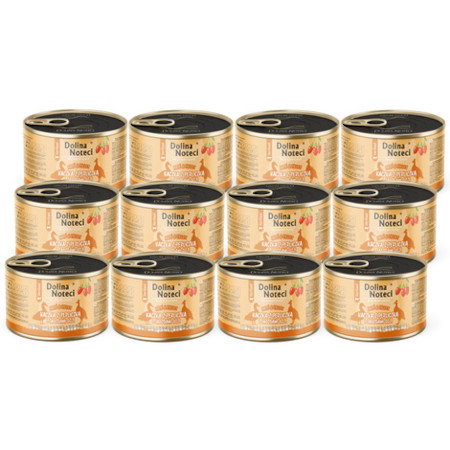
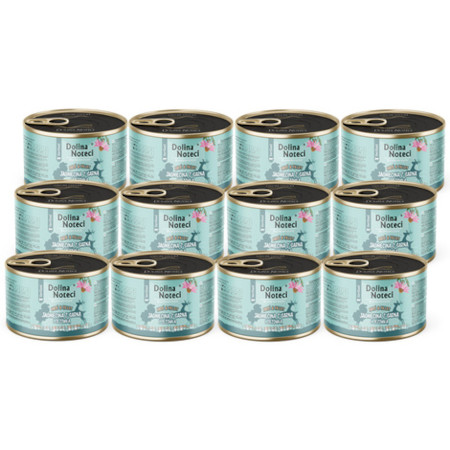
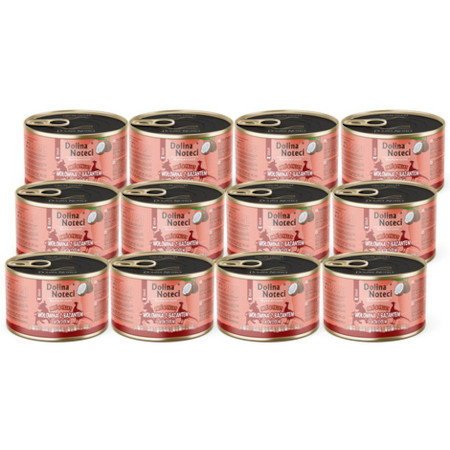
The foundation of a Thai cat’s diet should be wet cat food , which provides high-quality animal protein and the right amount of fat, both essential for the cat’s health and energy.
Who is the Siamese cat for??
This is a good choice for people who:
- They want a cat that’s very sociable and “present,”
- have time for daily play and interaction,
- do not leave the animal alone for long periods of time,
- they like intelligent and sociable animals.
It may not be the best choice for people looking for an independent, low-maintenance cat.
How to Choose a Good Breeder?
A purebred cat should have a multi-generational pedigree and come from a legitimate, ethical cattery.It is best to choose catteries that are members of federations affiliated with the World Cat Congress (WCC).This ensures proper socialization, genetic testing, and that kittens are not released before they are 12 weeks old.week of life.
FAQ - frequently asked questions
Is the Thai cat an active breed??
Usually, yes—they’re an energetic and curious breed.
Does a cat of this breed meow a lot??
He is sociable, but usually less vocal than Oriental cats.
Can a Siamese cat be left home alone??
He doesn't handle being alone well—it's best if he has company or a caregiver present during the day.
Recommended

Dolina Noteci Premium Wet Cat Food with Salmon Fillet, 12-pack (185 g each) + Free DNP Salmon Fillet (185 g)
Natural Taste Niewąska Gąska Wet Cat Food – Goose Flavor, 12-pack (185 g each)
Piper Animals Junior Wet Cat Food with Veal, 12-pack (185 g each)