
The Problem of an Overactive Cat
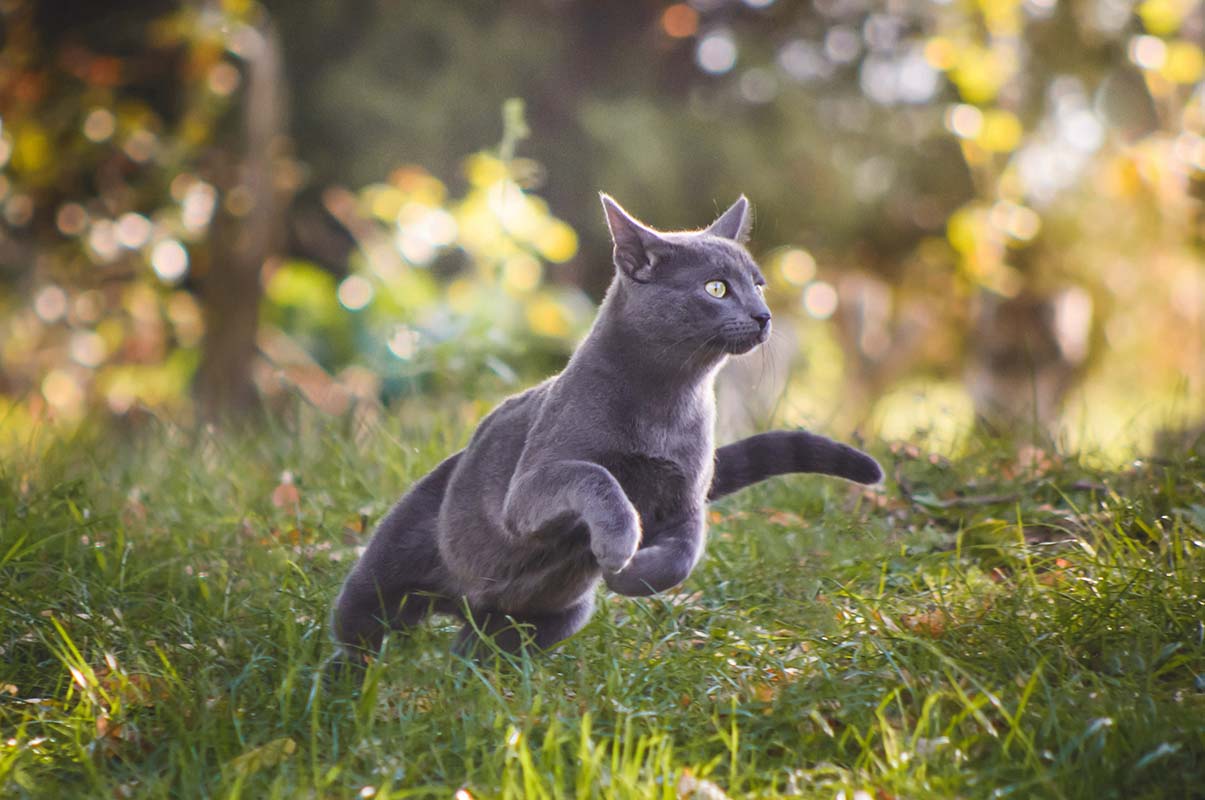
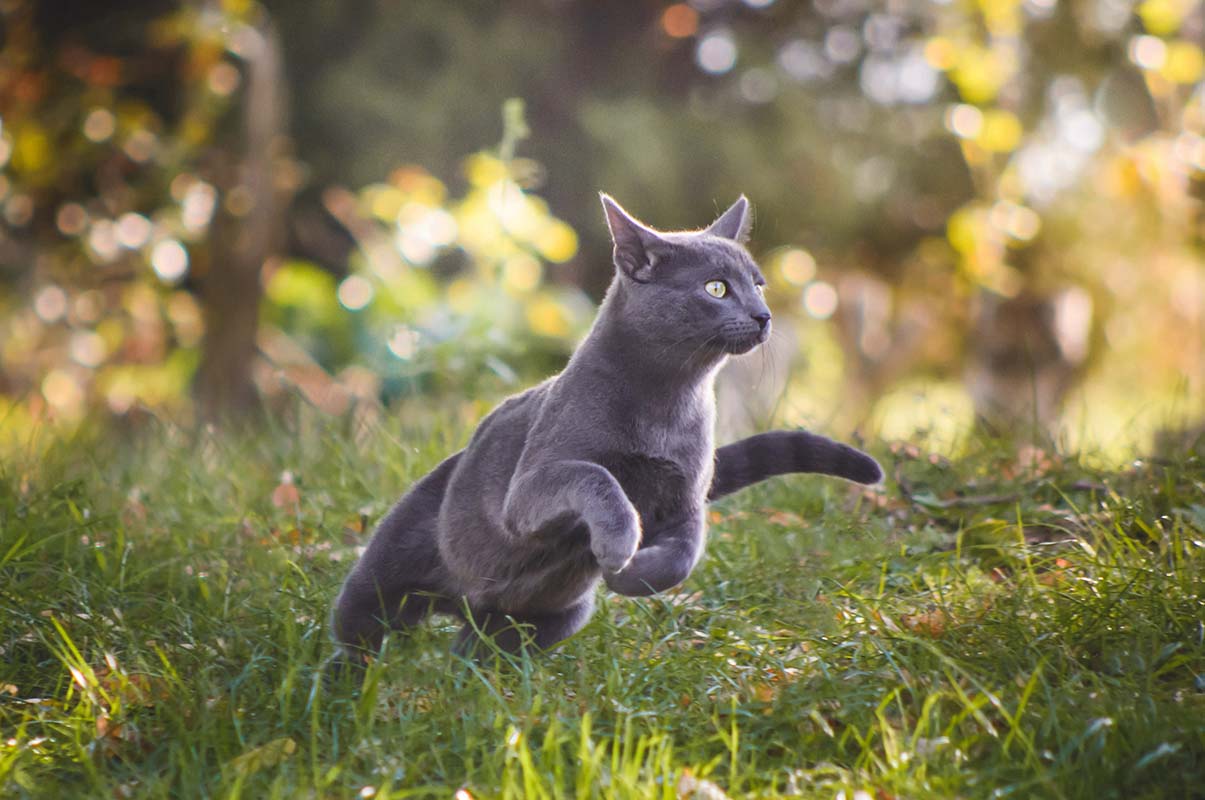
Cats are curious and exploratory animals.In the wild, they spend a lot of time patrolling the territory that makes up their range.To eat, they have to hunt, which also requires movement and effort.So what happens to that energy within these four walls??Sometimes it seeks an outlet, and quite intensely.
Cat activity and its characteristics
When analyzing cats’ activity-related behaviors, it is important to remember that the fact that cats have moved into human homes has not significantly altered either their need for exercise or the instincts that partly drive it.Cats have remained small predators without a shortened hunting instinct, which means that even though they are fed regular, balanced meat-based meals, they may still exhibit a need to hunt.
Cats usually engage in these behaviors during their natural periods of activity, namely in the evening, at night, and in the morning.These are so-called crepuscular animals, which are most active at the transition between day and night.Interestingly, a cat’s sense of smell—which is essential for hunting—is most acute in the evenings, due to the temperature difference between the ground and the air.That’s when hunting becomes easier and has a better chance of success.
A cat's activity at home isn't just about hunting.This also often involves running, jumping, and frantic dashes through the apartment—without paying any attention to obstacles in the cat’s path, such as furniture, knickknacks, or temporary objects (e.g., a cup of tea, a vase, etc.).).There are also cats that run around after using the litter box (this is especially true when they’ve had a bowel movement), and that doesn’t necessarily mean there’s a problem—it’s just part of a cat’s nature.
Motor behavior is also closely linked to age.It’s well known that kittens are most active until they turn one year old, at which point they have only two states of activity: either they’re sleeping or running wild around the house.In theory, these behaviors should gradually diminish by the time the animal reaches 2 years of age and thus achieves psychological maturity.The fact is, however, that an animal’s behavior is also influenced by its individual temperament, its genes, and possibly its breed.After all, no one in their right mind would expect a two-year-old Bengal or Rex to be calm and laid-back, lounging on the couch.We also have many components here.
Normal or a problem?
In many cases, cat owners mistakenly believe their cats are hyperactive.Because of their natural activity levels—which don’t always align with our daily routines—and their high energy levels, cats (especially young and energetic ones) are often labeled as hyperactive.However, their behavior very often does not indicate a behavioral disorder; rather, these are so-called normal reactions that are not accepted by the caregiver.For this reason, they do not lend themselves to typical behavioral therapy, which aims to identify the root cause and then work through the problem until the best possible solution is reached.In this case, however, there is no problem as such!
So when this problem is?When an animal’s behavior prevents it from functioning properly in terms of its circadian rhythm, primarily by disrupting its sleep-wake cycle.
Characteristics of hyperactivity
In human medicine, for about.For 140 years, we have used the term ADHD, which refers to a condition characterized by hyperactivity and inattention.ADHD largely leads to difficulties with learning, development, and social interaction, whereas "hyperactive" animals are usually simply overly reactive.This means that even seemingly trivial stimuli (sounds, smells, environmental stimuli) can easily agitate such an animal to the point where it has trouble calming down, and in severe cases, even sleeping.Therefore, it is very important to provide such a cat with a stable and calm environment so as not to “wind it up” and make the problem worse.
Ways to Deal with an Overactive Cat
To choose the right methods for working with your pet, it’s best to consult a behaviorist, who will visit the animal at home and, based on a discussion with the owner and their observations, select appropriate ways to reduce tension and increase the sense of calm.Establishing a daily routine for your cat, reducing noise levels in the home, using scent-based toys, and administering mild supplements—including melatonin, which helps regulate the sleep-wake cycle in animals—often yield positive results.However, it is important to remember that every pet is different, so the final treatment plan should always be tailored to the individual needs of the patient.
Summary
Just because a cat is very active doesn't necessarily mean it's hyperactive.This is often the result of pent-up energy that is looking for an outlet.Let’s think about how much attention we give our pet each day, what kinds of games we play with them, and what tasks we set for them?