The Norwegian Forest Cat – Personality, Care, and Health of This Unique Breed
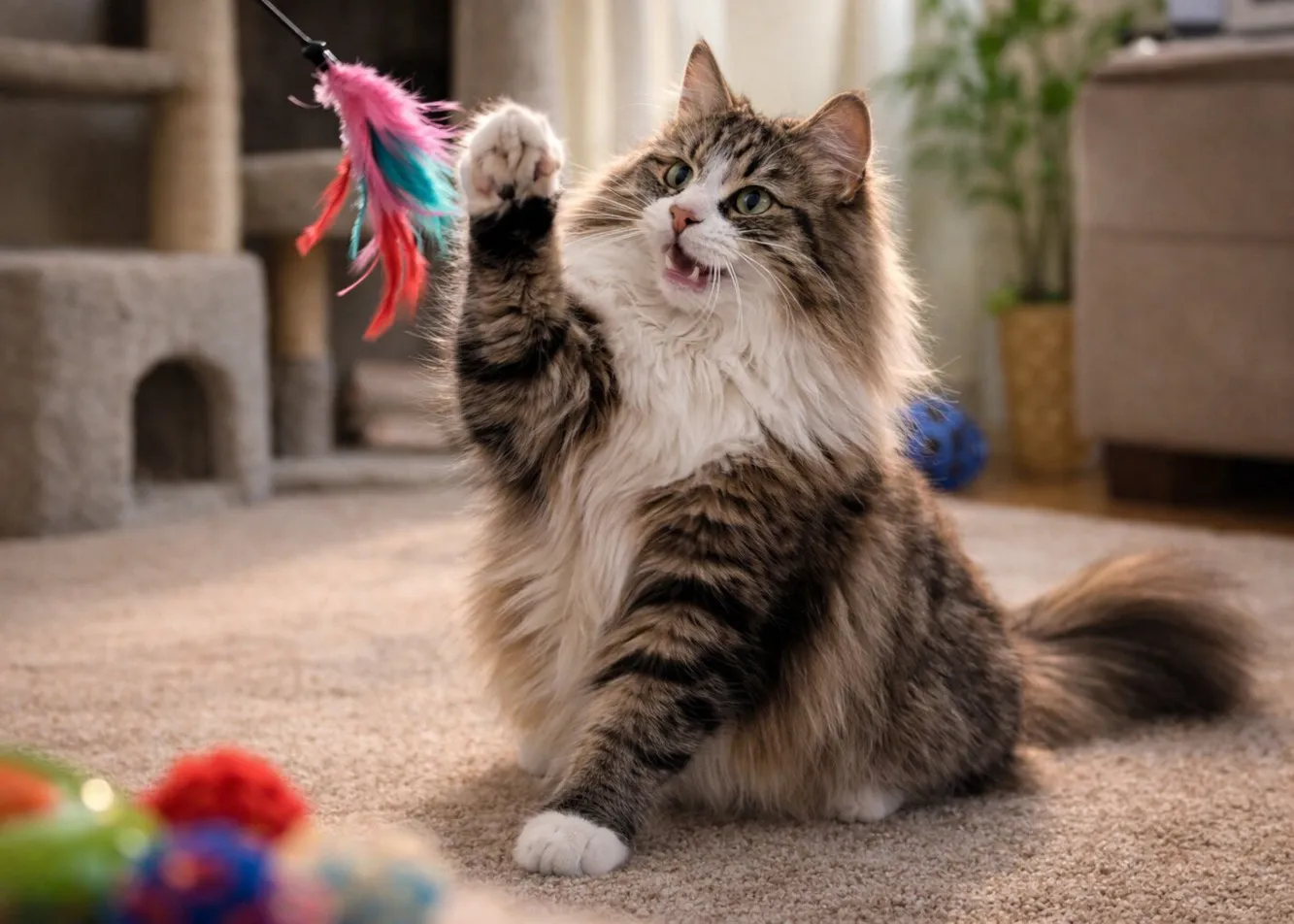
With its impressive coat, sturdy build, and gentle temperament, the Norwegian Forest Cat is one of those breeds that is hard to mistake for any other.This is a natural breed, shaped by the harsh climate of northern Europe, which has resulted in its exceptional hardiness, thick coat, and high level of physical fitness.Find out what the Norwegian Forest Cat is like, what its needs are, and how best to care for its health and coat.
What is a Norwegian Forest Cat??Breed description, temperament, grooming, and health
The Norwegian Forest Cat (norsk skogkatt) belongs to the so-called natural breeds.It likely arose as a result of natural mutations and environmental selection—only the strongest individuals, capable of surviving in Scandinavia’s cool, damp climate, survived.This is how its distinctive, thick, and water-resistant fur developed, protecting it from cold temperatures.
In a home environment, the Norwegian Forest Cat combines the traits of a family cat with those of an independent observer.He is intelligent, calm, and forms a strong bond with his owner, though he usually maintains his own space.
Basic information about the breed
- Country of origin: Scandinavian countries (mainly Norway)
- Body weight: approx..5 kg (females) – 10 kg (males)
- Average lifespan: usually 12–16 years, and up to 18–20 years with good care
- Build: strong, muscular, long limbs; hind legs slightly longer than the front legs
- Head and eyes: triangular head with a straight profile; large, slightly slanted eyes, with a color matching the coat
- Ears and tail: large ears, set wide apart, often with tufts; long, very bushy tail
- Coat: medium-length, with a dense undercoat and a water-repellent outer coat
- Fun fact: Representatives of this breed belong to a small group of cats that can climb down trees headfirst, and they are the only ones that can have an amber coat.
History and Origin of the Breed
The first references to animals that may have resembled the ancestors of the Norwegian Forest Cat date back to 1599.At that time, Peder Claussøn Friis, a Danish clergyman and naturalist living in Norway, described Norwegian lynxes, classifying them as wolf-lynxes, fox-lynxes, and so-called cat-lynxes.It is believed that these descriptions may refer to animals related to today's Norwegian forest cat.
In the 20th century, as a result of extensive deforestation, these cats began to venture closer to human settlements, where they interbred with short-haired domestic cats.This threatened to cause the loss of the breed’s original characteristics, so Norwegian breeders launched a program to protect and rebuild the population.
The first official presentation of the Norwegian Forest Cat took place in Oslo before World War II.A preliminary breed standard was developed in 1972, and the Norwegian Forest Cat Club was founded in 1975.Today, the breed is recognized by all major cat associations and is a source of national pride for Norway.
Appearance and characteristics
The Norwegian Forest Cat is a cat that appears wild and strong, yet at the same time graceful.
Body type
The body is long, muscular, and very agile.The distinctive difference in the length of its legs causes the cat's back to arch slightly.Their broad, rounded paws have tufts of fur between the toes, which made it easier for them to move through the snow.
Coat and color
The fur consists of two layers:
- woolly undercoat,
- long, shiny, and water-resistant guard hairs.
An undercoat is visible on the belly and paws, while longer hair is found primarily on the long ruff extending from the cheeks to the chest (the fur around the cat’s neck) and on the hind legs, forming characteristic “trousers”.The breed comes in many coat colors, the specific standards for which depend on the cat breed organization.
The personality and temperament of the Norwegian Forest Cat
Norwegian Forest Cats are:
- smart and curious,
- gentle and patient,
- strongly attached to their caregiver,
- rather quiet – they don't make too much noise.
They do well in homes with children (as long as their personal space is respected) and in the company of other pets.They like to observe their surroundings from above, enjoy climbing, and often use ledges and scratching posts.
Many of them tolerate water, and some even try to join their caretaker in the bath.Some Norwegian Forest Cats can successfully learn to walk on a leash if they show an interest in this activity.
How to care for a Norwegian Forest Cat?Requirements and Care
Fur Care
As a semi-long-haired breed, the Norwegian Forest Cat requires regular brushing:
- a few times a week,
- during shedding seasons (spring, fall), even every day.
Special care should be taken when grooming the tail—brushing too vigorously can lead to hair thinning.If necessary, it is acceptable to trim the hair around the anus slightly.
Diet and Prevention of Constipation
Long fur means a higher risk of tangling.The following are helpful:
- a high-protein, well-balanced diet.The best option is wet cat food ,
- the presence of omega-3 fatty acids,
- access to catnip (e.g., oats),
- de-shedding pastes, if needed.
The better the quality of the diet, the less shedding and the lower the risk of pilobezoars (hairballs).These are clumps of hair swallowed while grooming that form in a cat’s digestive tract as long, felt-like “rollers”.Cats usually eliminate them naturally—by vomiting or passing them in their feces—but an excess of them can lead to hairballs and, in extreme cases, even intestinal blockage.
Space and Activity
The Norwegian Forest Cat needs:
- tall scratching posts and shelves,
- stable "catwalks",
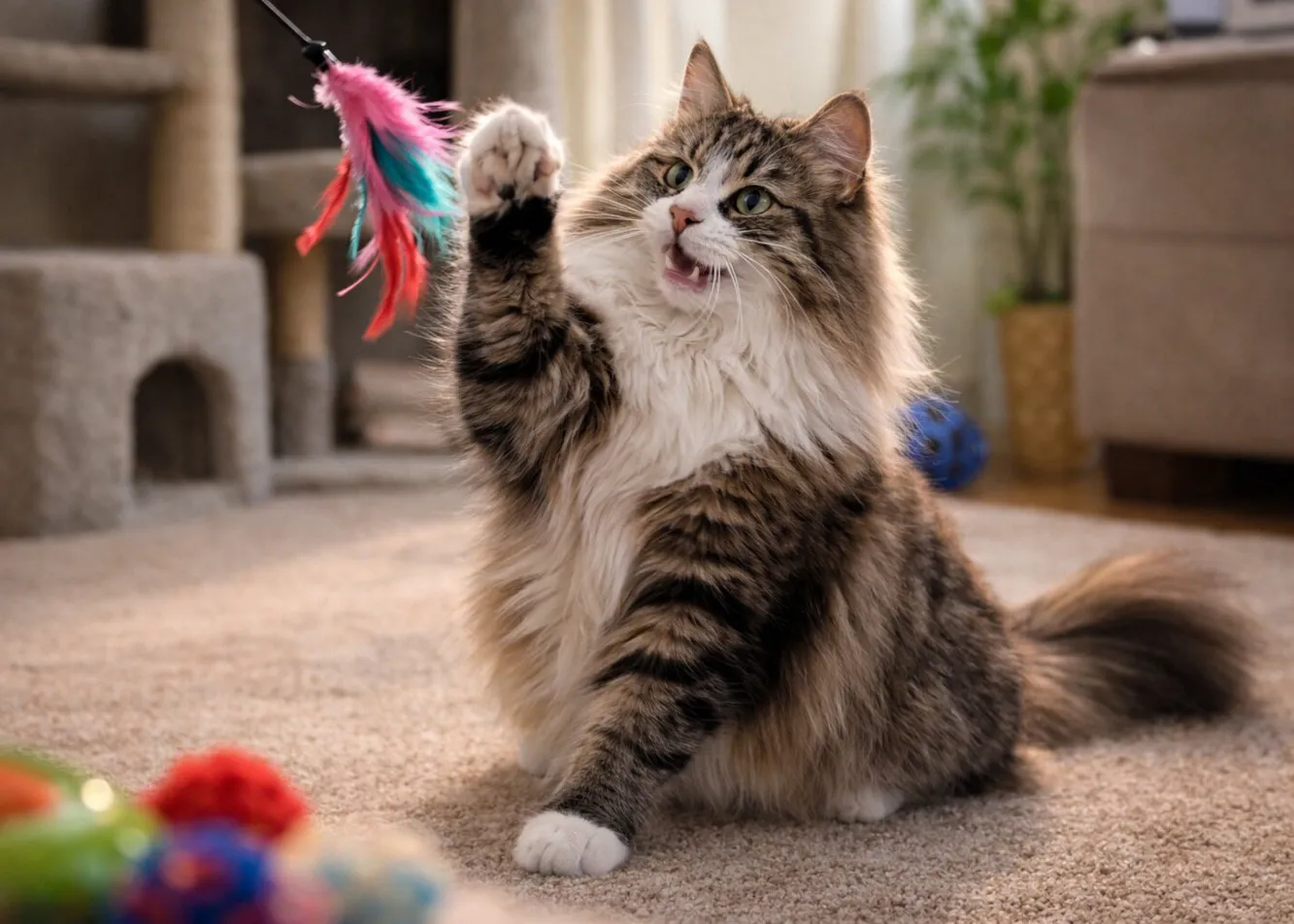
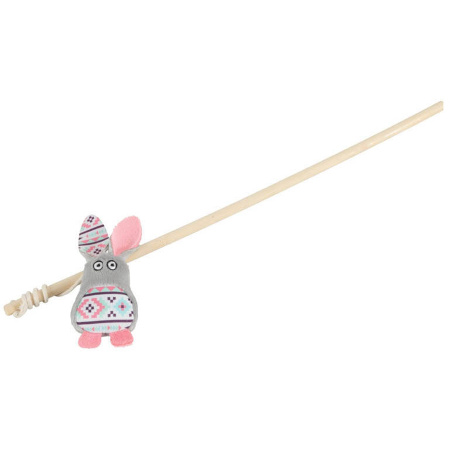
- daily fishing fun, e.g., using a fishing rod , followed by a light meal or a treat.


The Health of the Norwegian Forest Cat – Common Health Issues
This breed may be prone to the following genetic disorders:
- hypertrophic cardiomyopathy (HCM),
- type IV glycogen storage disease (GSD IV),
- hip dysplasia.
Less commonly observed:
- polycystic kidney disease (PKD),
- dental problems (FORL),
- allergies and skin conditions,
- a tendency to be overweight (depending on diet and lifestyle).
When deciding to buy a kitten, you should always ask the breeder for a copy of the test results confirming that neither the kitten nor its parents have any genetic defects.
Who is the Norwegian Forest Cat for??
This is the perfect breed for people who:
- value a cat's natural appearance and independence,
- are ready for regular grooming,
- have room for cat furniture and shelves,
- They want a family cat, but one that isn't too clingy.
How to Choose a Good Breeder?
A purebred cat should have a multi-generational pedigree and come from a licensed cattery affiliated with federations belonging to the World Cat Congress (WCC).Kittens should not be placed in new homes until they are at least 12 weeks old.week of life.
FAQ - the most common questions
Is the Norwegian Forest Cat suitable for first-time owners??
Yes, provided that the owner is prepared to groom the cat regularly and provide it with enough space to climb.This breed is gentle, emotionally stable, and relatively easy to care for on a day-to-day basis.
Is this breed very active??
Moderately.He likes to play, climb, and take in the view from above, but he also knows how to relax for long periods of time.Physical activity is usually broken down into shorter, intense sessions throughout the day.
Does the Norwegian Forest Cat shed a lot??
Yes, especially during seasonal shedding periods (spring and fall).Regular brushing and a well-balanced diet significantly reduce the amount of pet hair in the home and the risk of matting.
Does it get along with children and other animals??
Usually, yes.He is patient and tolerant, but—like any cat—he needs his boundaries to be respected.With proper socialization, it gets along well with both children and other cats or dogs.
Recommended
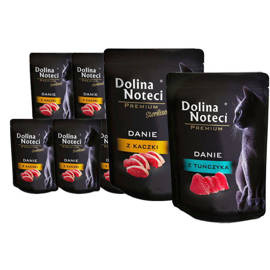
Dolina Noteci Premium Sterilised Wet Cat Food: Duck Flavor 10 x 85 g + Free Tuna Flavor 85 g