
The Impact of the Owner's Emotions on the Dog's Behavior
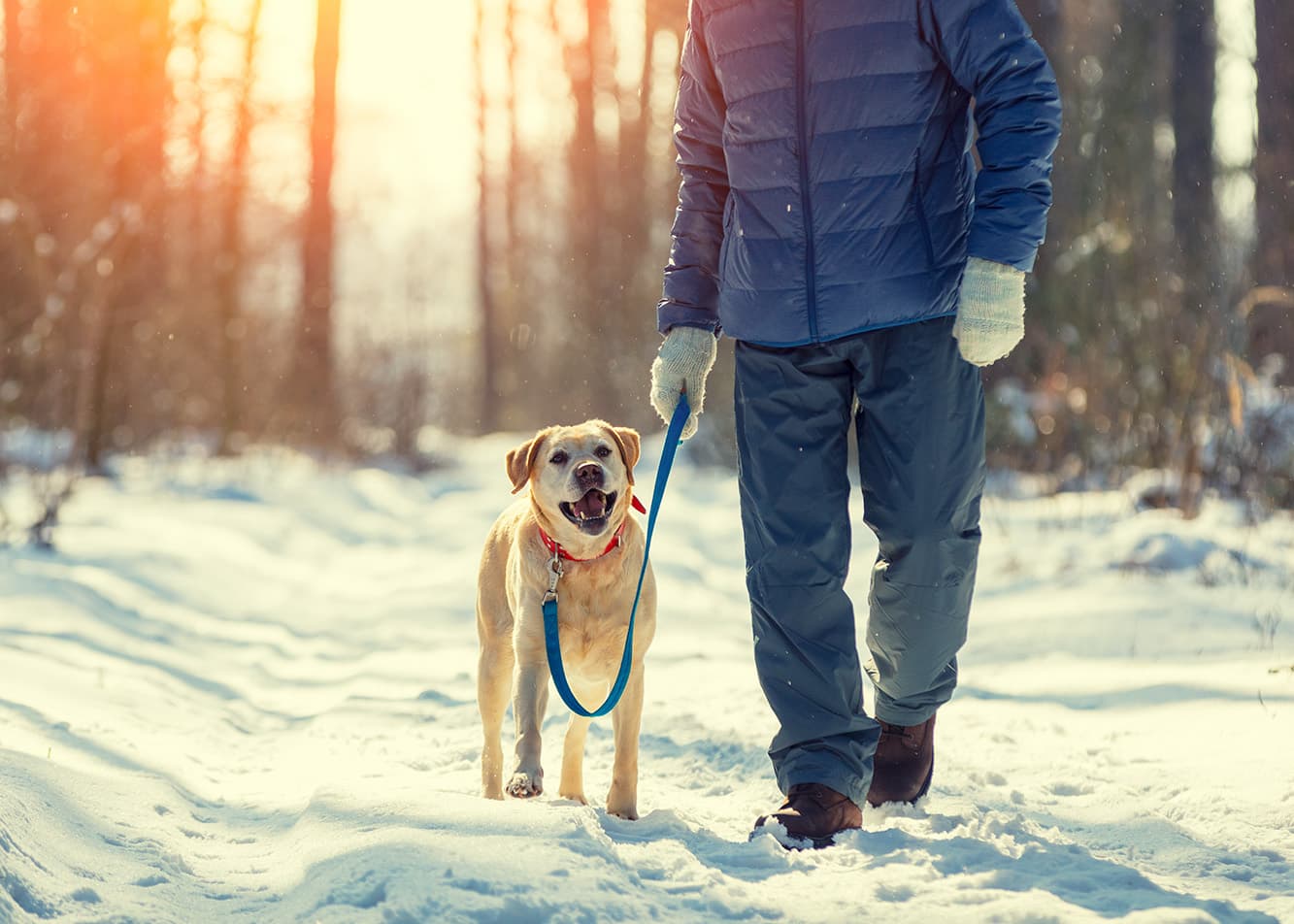
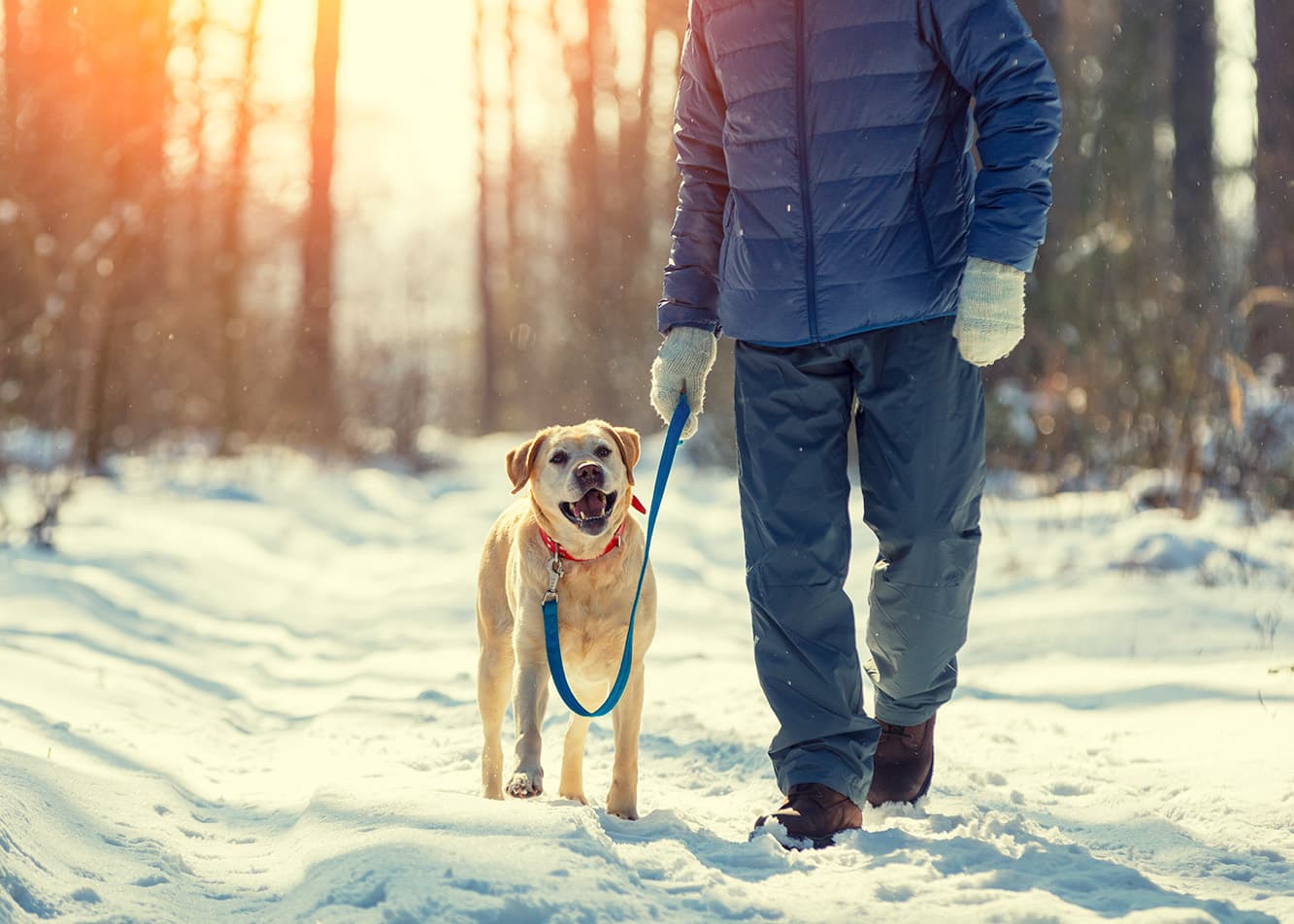
In today's world, life moves at a very fast pace, and this affects our emotions.More stress, less time for our human needs.During walks, our dog explores the world with its nose; it can not only sense our physical condition but also our emotions.That’s why we need to remember that a caregiver’s or handler’s mood can affect walks, training, and life with a dog.
The tone of voice and the way you speak to your dog
It’s not uncommon for our dog to be hyperactive from the moment we leave the house and unable to calm down.Unfortunately, sometimes we are the ones responsible for this emotional state.When we want to let our pet know it’s time for a walk, we say things like “Let’s go for a walk” in a high-pitched, even squeaky voice?And who's going for a walk??".
Let's just put a harness or collar on the dog, clip on the leash, and go for a walk.
The guide is scared—what now??
Some people suggest that to help a dog calm down during a walk, we should provide social support, such as crouching down next to the dog or gently petting it around the shoulder blades.
And yes, it works, but sometimes you have to walk a little further away for the dog to benefit from it.However, first and foremost, we should calm our emotions, though that isn't always easy.
Let’s imagine a situation where our dog barked at a neighbor or another dog.Our emotions in such moments aren't positive; we get upset and stressed out.In that emotional state, we are unable to help the dog.We can say things like, “It’s okay, I understand you’re scared.”.And that’s a good method, but not when the owner or the dog is stressed; while petting the dog, if you’re doing it while highly stressed yourself, you won’t calm the dog down.If we want to understand our pet, we must first let go and calm our own emotions.It's not easy, but without it, social assistance simply won't work.
This applies not only to anxiety-related aggression toward people or other dogs, but also, for example, to hypersensitivity to noises or sounds.If we want to help our pets on New Year’s Eve, we should first help ourselves.I'm sure we've all heard the saying that a good lifeguard is a lifeguard who stays alive.We can use the same approach when working with a dog!A good guide is a calm guide.
The handler's gaze and body language, and the dog's behavior
When we talk about emotions, we rarely think about how someone’s gaze might affect them.It's hard to put it all together.However, if we think about how our feelings can change depending on how someone looks at us, the situation becomes clearer.
Let's imagine a situation where a dog has taken our sock.By focusing our attention on it, we imply that it is important to us.By approaching our pet, we show that we want to get it back.If there is space, the dog will want to move away; if there isn't, it will usually flatten its ears, and in extreme cases, it may defend an object it has in its possession and does not want to give up.In situations like these, both we and our four-legged friend are filled with negative emotions.
By focusing our attention on another object, we redirect the dog’s curiosity away from the prey and toward something else.This is a social learning process that is easy to observe.A dog that won't come because it's doing something important.All you have to do is crouch down and start playing with something on the ground.This will be interesting enough for the dog that it will let go of whatever it’s holding to see what its owner has found that has piqued its curiosity, so the dog comes to us intrigued and calmer.At that moment, they will let go of the object they had previously grabbed, and retrieving it will not cause any negative feelings.
A dog's behavior and emotions are influenced by more than just our gaze.It's also important to position your entire body!And what we communicate to our pet nonverbally affects its emotional state, arousal, and stress levels.
Dogs communicate with us nonverbally, through body language, and learn social skills.If our dog is afraid of another dog and I, as the owner, stand facing it, my dog will feel compelled to approach it.
Summary
A dog's emotions are influenced not only by the way we communicate with it verbally, but also nonverbally.Let’s make sure that our body language or gaze doesn’t put unnecessary pressure on our pet.Let’s be a kind, calm guide for him, and that will be the start of positive changes.
