
The Doberman – an elegant guard dog with a big heart. Breed description, temperament, health issues, and nutrition
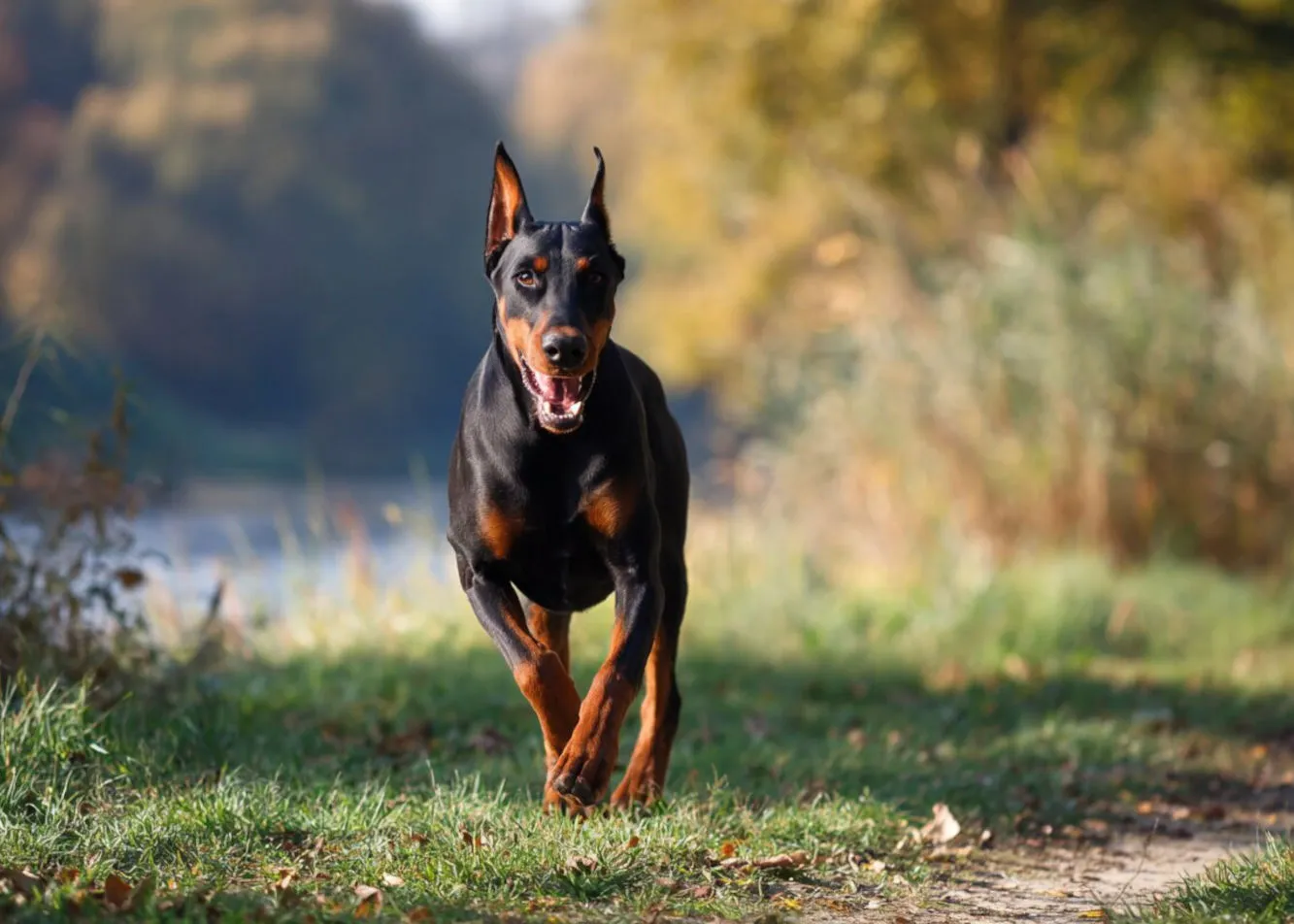
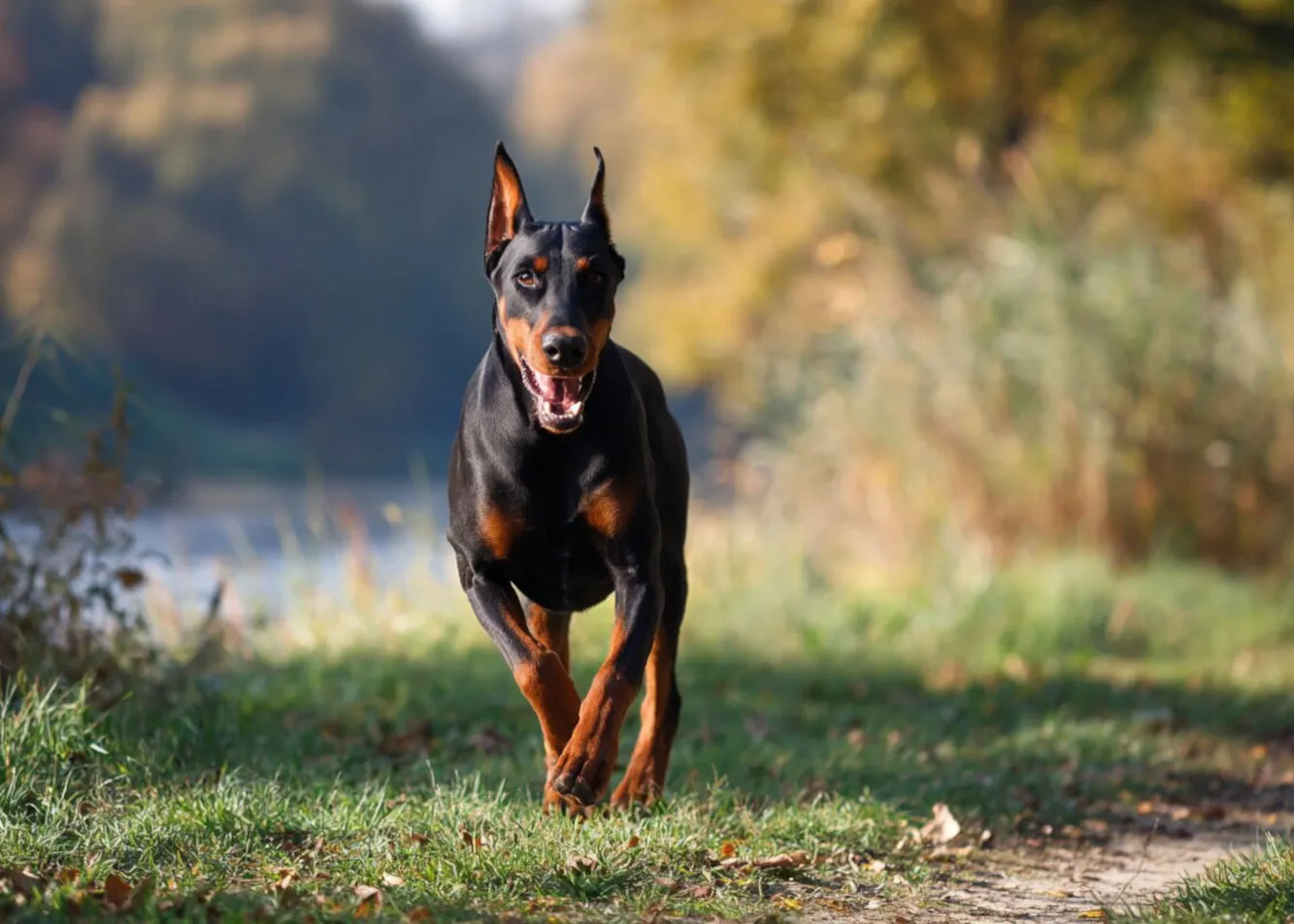
Can the noble Doberman—combining a muscular build with elegance, confident movement, and extraordinary intelligence—become not only a fearless guardian but also a loving member of the family, for whom the bond with its owner is the meaning of everyday life??For over a century, the unique Doberman breed has captivated people with its dignity, loyalty, and devotion, while requiring experience, consistency, and a deep understanding of canine psychology.
Before you decide to bring a Doberman into your home, it’s worth learning not only what a Doberman looks like, but also what personality traits and needs make it a unique dog —both in terms of its aptitude for work and health risks, including dilated cardiomyopathy, which frequently affects this breed.This article is a comprehensive guide to the world of one of the most elegant and demanding dog breeds, providing you with everything you need to know about how to properly care for its development, diet, and emotional well-being.
Table of Contents:
- The History and Origins of the Doberman – From Guard Dog to Family Pet
- Doberman – Appearance and Characteristics of the Breed
- The Doberman's Temperament and Disposition
- Raising and training a Doberman – this is NOT a dog for beginners!
- Health issues in Dobermans – a serious challenge for the breed
- Dilated cardiomyopathy (DCM) – the greatest risk
- Von Willebrand disease – a blood clotting disorder
- Wobbler syndrome – instability of the cervical spine
- Hip and Elbow Dysplasia
- Stomach torsion – a life-threatening condition
- Thyroid disorders in Dobermans
- Skin problems and allergies
- How to Take Care of Your Doberman's Health?Prevention and screening
- Feeding a Doberman – A Diet for Dogs with High Energy Needs
- How to Care for a Doberman?Minimal requirements, maximum impact
- Who is a Doberman suitable for??A dog for experienced and active owners
- FAQ.Frequently Asked Questions About Dobermans
The History and Origins of the Doberman – From Guard Dog to Family Pet
The history of the Doberman dates back to 19th-century Germany, where Friedrich Louis Dobermann, a tax collector from Apolda in Thuringia, decided to breed a dog that combined strength, courage, and loyalty.Taking advantage of his access to the city shelter, he crossbred Rottweilers, German Pinschers, Greyhounds, and likely German Shepherds, aiming to create the perfect guard dog with exceptional vigilance and loyalty to humans.
The first dogs of this line were distinguished by a strong protective instinct and a fiery temperament; therefore, Otto Goeller, who continued his work, softened their temperament while preserving their alertness and courage.As early as the beginning of the 20th century, the Doberman breed had earned the recognition of police and military forces in Europe and the United States, where it was nicknamed the “police dog”.
After the war, the American breeding line became the foundation for rebuilding the population, and the modern Doberman is no longer just a fearless protector, but also a well-balanced family dog that, with proper training, combines elegance, loyalty, and a guarding instinct in perfect proportions.
Doberman – Appearance and Characteristics of the Breed
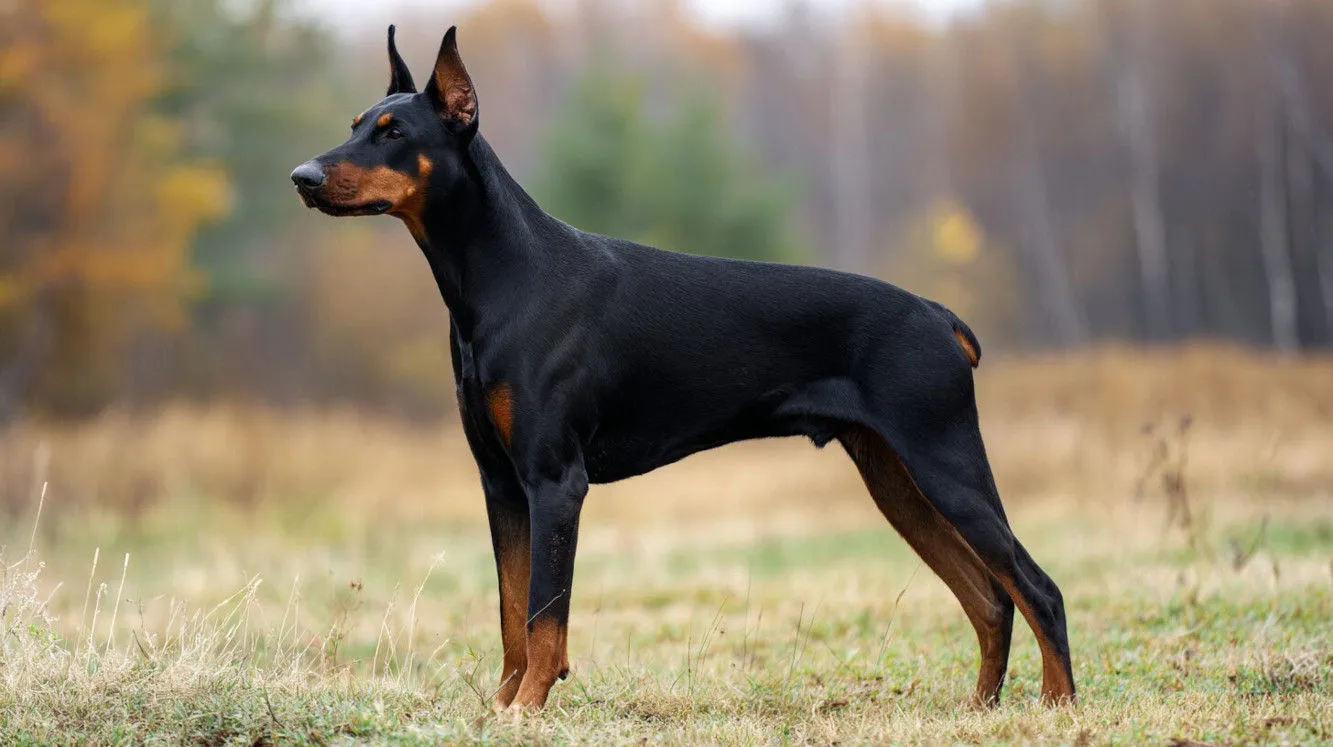
The Doberman’s appearance embodies the very essence of canine athleticism— a slender, muscular build combining strength with elegance, a proud, high-carried head, and a confident stride that signals readiness for immediate action.A well-proportioned build—neither too heavy nor too slender—creates a harmonious physique that exudes both physical strength and the endurance required for intense work.
The Doberman's physique and measurements
The Doberman's athletic and well-proportioned appearance has long been considered the epitome of elegance among guard dogs.With a nearly square build, the dog combines strength with lightness, allowing it to move with remarkable fluidity and precision. A deep chest provides ample space for the heart and lungs, while strong, straight legs ending in compact paws ensure stability during sudden turns and fast running.
Males stand 68 to 72 cm tall at the withers, while females measure 63–68 cm.It’s worth knowing how much a Doberman weighs—adult males typically weigh 40–45 kg, while females weigh 32–35 kg, which highlights the distinct sexual dimorphism.The blunt wedge-shaped head, with strong jaws and dark, almond-shaped eyes, gives the dog an intelligent and alert expression.Currently, naturally drooping ears are the breeding standard, as cropped ears are prohibited by law in most European countries, including Poland.
Coat color and coat
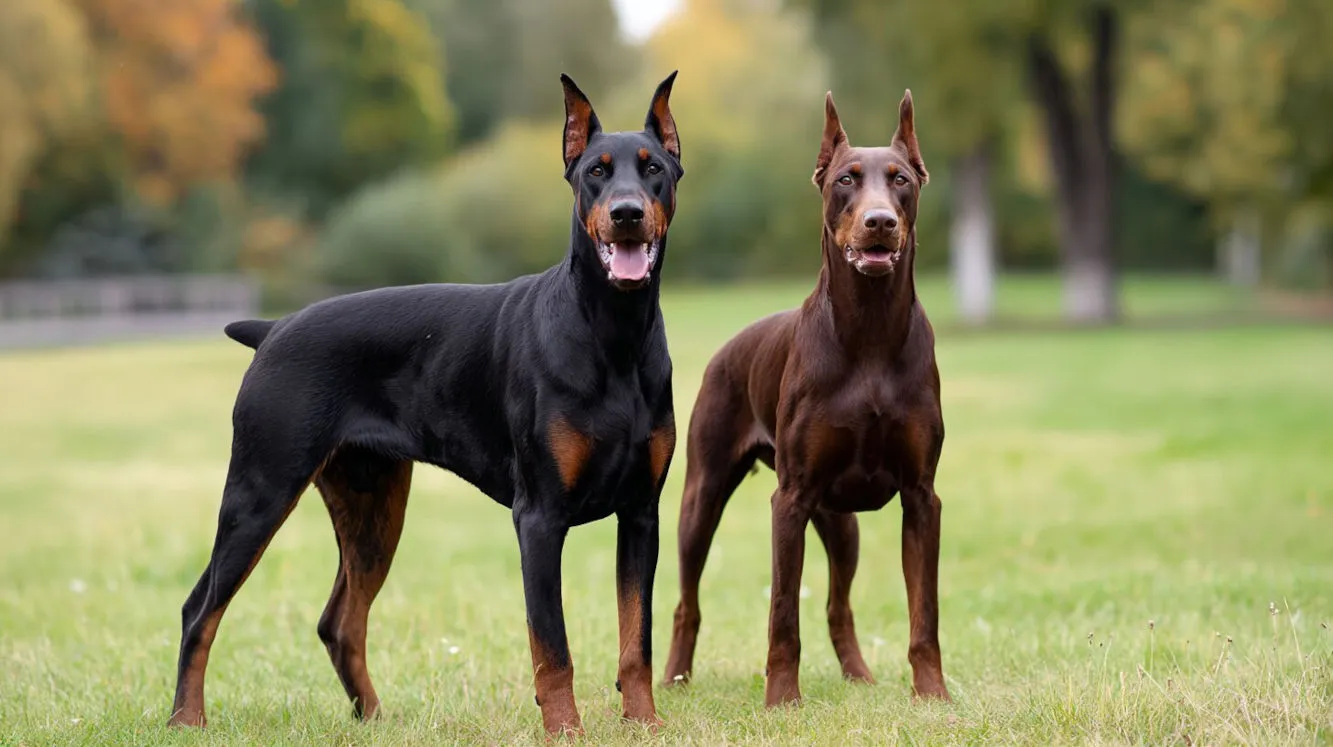
The short, smooth coat, with no undercoat, lies close to the body, highlighting the dog’s athletic build and elegance.As a result, the Doberman always looks impeccable, and grooming it is exceptionally easy.The standard allows for four color variations: black, brown, blue, and fawn (isabel)—all with distinct rust-colored markings above the eyes, on the muzzle, chest, legs, and under the tail.
However, the lack of an undercoat means that the dog does not tolerate extreme cold or high temperatures well, so in winter it is advisable to limit the amount of time spent in the cold or to use lightweight protective clothing.
The issue of cloning ears and tails—it's illegal!
Ear and tail docking remains STRICTLY PROHIBITED in Poland and most European Union countries in accordance with the European Convention for the Protection of Pet Animals, which classifies these procedures as cruel mutilations without medical justification. Historically, these modifications were made to minimize injuries during combat and police work; however, modern Dobermans kept as family pets do not require such anatomical modifications.
Natural, drooping ears and a long, curved tail are currently the desired breeding standard, while breeders who sell puppies are breaking the law and showing a lack of respect for animal welfare.
The Doberman's Temperament and Disposition
The Doberman’s temperament is centered on a deep need to bond with its owner, which manifests itself in a constant desire to learn new skills and perform tasks that provide mental stimulation while strengthening the bond with the family.The Doberman’s temperament combines self-confidence with wariness toward strangers, resulting in a dog ready to protect its loved ones while maintaining emotional control that allows it to assess real threats rather than reacting impulsively to every stimulus.
Intelligence and a willingness to work
The Doberman’s fifth-place ranking in Stanley Coren’s list of the most intelligent dog breeds reflects its exceptional abilities, which are evident in the speed at which it learns new commands, after just five repetitions and their ability to execute commands with 95% accuracy on the first try.Their intense need for mental stimulation requires daily training sessions that include both obedience exercises and games that engage their tracking instincts and problem-solving skills, because a bored Doberman exhibiting destructive behavior is a sign of untapped intellectual potential.
The joy derived from performing tasks assigned by the owner outweighs the desire for food, making the interaction itself a reward for the dog, which seeks to please its owner by executing the command perfectly.

The Doberman in the Family – A Loyal Companion
Due to its strong bond with its owner, the Doberman rarely leaves the family’s side, accompanying them in every daily activity.He usually chooses one person whom he considers the leader, though he protects all family members with equal devotion. He is friendly toward family members but reserved toward strangers, which is why proper socialization is crucial for maintaining emotional balance and confidence when interacting with people.
A Doberman is an excellent family dog if it is integrated into the rhythm of family life and gets enough exercise and mental stimulation.Keeping him outside leads to frustration and behavioral problems, because dogs of this breed need human companionship just as much as they need daily exercise.
Dobermans and Children – A Choice for Responsible Owners
Although Dobermans can form exceptionally close bonds with children, their exuberance and strength require constant adult supervision.A properly socialized dog remains patient with children’s play and often instinctively looks out for them, but every interaction should take place under the supervision of an adult.
Families with young children under the age of six need experience and consistency when raising a large-breed dog. Older children, on the other hand, can participate in training sessions and games, which strengthens their bond and teaches mutual respect.The rule remains the same—never leave a child alone with a dog, no matter how well-behaved it is.
The Doberman's guarding and protective instincts
Their natural alertness and lightning-fast response to threatening stimuli make Dobermans one of the most effective guard dogs.His mere presence and deep, loud bark are enough to scare off intruders before a confrontation even occurs.
However, a strong protective instinct, aimed at safeguarding the family and home, requires proper training.A dog must learn to distinguish between real threats and everyday situations so as not to overreact. A calm, confident handler can instill a sense of security in the dog, ensuring that its vigilance remains under control and its defense is both conscious and effective.
Are Dobermans aggressive??Stereotypes vs. Reality
Is a Doberman dangerous??This myth originated at a time when some breeders placed excessive emphasis on defensive behavior, and training relied on punishment and dominance rather than cooperation.Modern breeding programs, however, emphasize mental balance and controlled instincts, so that a well-trained dog is alert but not aggressive.
A Doberman's temperament is most strongly influenced by upbringing, socialization, and training methods—genetics plays only a secondary role. Dogs from responsible breeders, who are regularly tested for temperament, are emotionally stable and can thrive in a family setting without the risk of undesirable behavior, provided they receive proper training and daily exercise.

Raising and training a Doberman – this is NOT a dog for beginners!
Training a Doberman requires experience, consistency, and daily effort.This is a dog with a strong personality that needs clear rules, long walks, and constant mental stimulation. A lack of socialization or inadequate training can lead to behavioral problems and even aggression resulting from frustration.
Is a Doberman a good choice for a first dog??Definitely not.This breed requires an owner who is confident, calm, and aware that every mistake in training has consequences.Only an experienced caregiver can harness its enormous potential in a safe and harmonious way.
Socializing a Doberman puppy – crucial from the very first days
Proper training of a Doberman begins in the first weeks of life.The period between eight and sixteen weeks is when a young dog learns to respond to the world around it—people, other animals, and everyday stimuli.Regular walks in different places, meeting strangers, and getting used to city noise help build his self-confidence.
Every experience should be positive—rewards and praise reinforce appropriate behaviors, while fear or stress can lead to defensive reactions in adulthood.That is why it is a good idea to participate in socialization classes led by experienced instructors, who can help develop emotional balance and the ability to communicate safely with others.
| The puppy's age | Key socialization activities | Purpose of the activities |
|---|---|---|
| Weeks 8–9 | First walks, interacting with family members, playing | Building trust and relationships |
| Weeks 10–11 | Encounters with other dogs, new smells and sounds | Getting used to various stimuli |
| Weeks 12–13 | Short visits to public places (e.g., a park, the street) | Learning to navigate an urban environment |
| Weeks 14–15 | Practicing commands with positive reinforcement | Improving communication and control over your dog |
| Week 16 | Classes with a coach, meeting different people and experiencing different situations | Building self-confidence and emotional balance |
Consistency and positive training methods
Positive training methods based on rewards, play, and praise yield the best results when working with this breed.Dobermans learn quickly, and their natural desire to please their owners means that training yields much better results than a punishment-based approach.
Consistency is key—everyone in the household should respond the same way so that the dog clearly understands the rules.A professional obedience course is a must for every owner of this breed, as a dog weighing over 40 kg must respond without fail to commands to stop or come.Defense training should be left to the professionals—amateur attempts to encourage aggression can make a dog dangerous.
How much exercise does a Doberman need??Physical and mental activity
How much exercise does a Doberman need??At least two hours a day of intense physical and mental activity.A morning run, a brisk afternoon walk, and evening obedience or tracking exercises are the bare minimum needed to keep your dog in good physical condition and maintain its mental well-being.
A lack of exercise leads to frustration and destructive behaviors, such as chewing on objects or excessive barking.The perfect daily routine includes a variety of activities—from jogging to fetch games and scent training.During hot weather, avoid overexertion, and in winter, make sure to keep them warm due to the lack of an undercoat.
Health issues in Dobermans – a serious challenge for the breed
Health issues in Dobermans include a range of serious conditions that dramatically shorten their average lifespan to 8–10 years, despite a genetic potential of 12–14 years, with dilated cardiomyopathy posing the most frightening threat, affecting over 50% of the population and leading to sudden death in middle-aged dogs without prior warning signs.
Doberman health issues necessitate regular preventive checkups, which result in high veterinary costs, whereas responsible breeders conduct genetic testing to eliminate from the breeding program carriers of genes responsible for hereditary conditions.
Dilated cardiomyopathy (DCM) – the greatest risk
Dilated cardiomyopathy in Dobermans is the most serious disease affecting this breed, leading to heart muscle weakness, arrhythmias, and sudden death.The condition affects more than half the population, and some dogs die without showing any prior symptoms.The disease most often manifests between the ages of five and eight.
Early symptoms include a decline in physical condition, coughing, shortness of breath, fainting, and abdominal swelling.Unfortunately, they often don’t appear until the disease has reached an advanced stage, when treatment can only slow its progression.
Prevention involves annual echocardiograms and Holter ECG monitoring, which can detect abnormalities before symptoms appear.Drug therapy (pimobendan, ACE inhibitors, diuretics) extends life by several to over a dozen months, but does not lead to a cure.Choosing a responsible breeder—one that provides confirmed heart test results—is the only effective way to prevent DCM.
Clinical symptoms of DCM in Dobermans – a comparison of stages
| Stage of the disease | Common symptoms | Prevalence |
|---|---|---|
| Asymptomatic (early) | No visible symptoms; detectable only through ECG/Holter monitoring and echocardiography | More than 50% of cases |
| Early clinical | Decreased exercise tolerance, coughing in the evening and at night | Moderately common |
| Advanced | Rapid breathing, fainting during physical activity, abdominal swelling | Frequent |
| Final (before death) | Blue tongue (hypoxia), sudden cardiac death | 13% die suddenly |
Von Willebrand disease – a blood clotting disorder
Von Willebrand disease in Dobermans is an inherited bleeding disorder caused by a deficiency of the factor responsible for proper platelet aggregation.The condition affects approximately 25% of dogs of this breed, and nearly half of the population are asymptomatic carriers.
Symptoms include prolonged bleeding after injuries, spontaneous nosebleeds, bloody stools or urine, and bruising after minor impacts.The condition often becomes apparent during surgery, when uncontrollable bleeding occurs.
Diagnosis involves genetic testing and measuring von Willebrand factor levels.Treatment is symptomatic—desmopressin is administered before surgery, and transfusions are given in life-threatening situations.Before purchasing a puppy, it is advisable to request a certificate confirming that the parents are free of this mutation.
Symptoms of von Willebrand disease in Dobermans
| Symptom | Clinical description | Importance for a dog's health |
|---|---|---|
| Prolonged bleeding from wounds | Blood does not clot properly after injuries | Prolonged healing time, risk of blood loss |
| Nosebleeds | Spontaneous episodes without trauma | Difficult to control, they can become chronic |
| Blood in the stool or urine | Blood in the stool | It may indicate internal bleeding |
| Subcutaneous hematomas | Bruises from minor injuries | A sign of poor platelet function |
| Bleeding during surgery | Significant bleeding during procedures | Require a transfusion; life-threatening |
Wobbler syndrome – instability of the cervical spine
Wobbler syndrome in Doberman Pinschers is a neurological condition resulting from compression of the spinal cord in the cervical region, caused by vertebral deformity or disc displacement. The disease causes unsteady gait, muscle weakness, and difficulty moving, and in advanced cases, paralysis.
The first symptoms are often subtle: a stiff neck, stumbling, or a reluctance to climb stairs.Over time, visible ataxia and loss of coordination in the hind limbs develop.The diagnosis requires an MRI or CT scan, which can help determine the location of the compression.
Treatment depends on the severity of the condition—mild cases are treated with medication, while more severe cases require costly surgery to stabilize the spine.Prevention mainly involves maintaining a healthy weight and avoiding excessive strain on the neck, as genetic predisposition cannot be eliminated.
Stages of symptom progression in Wobbler syndrome
| Stage of development | Clinical symptoms | Characteristics of a dog's behavior |
|---|---|---|
| Early | - Stiff neck - Reluctance to lift one's head | - The dog avoids moving its head - He may look "hunched over" |
| Initial | - Unsteady gait on the stairs - Occasional stumbling of the hind legs | - Difficulty maintaining balance - The dog is reluctant to walk on uneven ground |
| Intermediate | - Obvious ataxia (impaired coordination) - Falls | - Falling more frequently - Lack of fluidity of movement |
| Advanced | - Inability to control the hind limbs - Paralysis | - The dog can't get up on its own - It can drag its hind legs behind it |
Hip and Elbow Dysplasia
Hip and elbow dysplasia in Dobermans is a developmental defect of the hip and elbow joints that leads to instability, friction between joint surfaces, and painful degenerative changes.The disease has a genetic basis, but its progression is accelerated by dietary mistakes—such as a high-calorie diet in puppies and excessive exercise before they reach maturity.
The first symptoms include stiffness after rest, reluctance to move, limping, and a characteristic "bunny-like" gait. The diagnosis is confirmed by an X-ray taken after the child turns 12 months old and evaluated by an orthopedic specialist.
Treatment depends on the severity of the condition—milder cases require supplementation (glucosamine, chondroitin, omega-3 fatty acids) and reduced weight-bearing, while more severe cases may require corrective surgery or total joint replacement.Breeders committed to the health of the breed examine the litter's parents, removing sick individuals from the breeding program.
Symptoms of dysplasia and a dog’s behavior – what to look for?
| Clinical symptom | Typical dog behavior | When it gets worse? |
|---|---|---|
| Stiffness after resting | The dog "stretches its legs" after a few steps; a slow start | After sleeping or lying down for a long time |
| Pain when moving | He avoids activity and may squeak or growl | While playing or taking a walk |
| A dislike of stairs / cars | He stops at the stairs and refuses to go up | In front of the stairs, in the car, on the couch |
| Limping | Irregular gait; favoring one leg | After a walk or some vigorous play |
| A "bunny-like" gait | Simultaneous push-off with the hind legs | While running |
| Wide stance of the hind legs | Stand with your feet wider apart to reduce pain | When standing and walking slowly |
| Aggression when touched | May growl or run away when you try to pet its paws | When touched around the hips or elbows |
| Reduced activity | He lies around more, avoids playing, and seems tired | Day by day, gradually increasing |
Stomach torsion – a life-threatening condition
Gastric torsion in Dobermans is one of the most dangerous conditions affecting large dog breeds, leading to a sudden blockage of food and blood flow within the stomach.Without immediate surgical intervention, it results in death within a few hours.
Risk factors include eating large portions of food quickly, engaging in physical activity immediately after a meal, and stress.Symptoms develop rapidly—a distended abdomen, unsuccessful attempts to vomit, excessive salivation, weakness, and collapse require immediate veterinary attention.
Symptoms of gastric torsion in dogs – what to look for?
| Clinical symptom | Which means? | Why is it dangerous?? |
|---|---|---|
| Unsuccessful attempts to vomit | The dog is trying to vomit, but nothing is coming out | A feeling of fullness in the stomach – one of the earliest symptoms |
| Excessive drooling | The dog is drooling profusely, even for no reason | Reaction to pain and inability to vomit |
| An enlarged, tight abdomen | My stomach looks like a blown-up balloon | Indicates gas buildup—a key signal of a turn |
| Rapid breathing | Breathing becomes shallow and rapid | Pressure on the organs and pain cause difficulty breathing |
| Weakness and apathy | The dog suddenly becomes weak and reluctant to move | The beginning of the shock |
| Pale gums | The gums turn white or gray | A symptom of circulatory failure |
Thyroid disorders in Dobermans
Hypothyroidism is one of the most common endocrine disorders in Dobermans, affecting up to 15% of the population.It slows down the metabolism, leading to weight gain despite a consistent diet, lethargy, sensitivity to cold, and a deterioration in coat condition, which becomes dull, brittle, and thinning in places.
The diagnosis is made based on blood tests that measure the levels of T4, T3, and TSH.Treatment involves daily administration of synthetic thyroid hormones (levothyroxine), which in most cases produces rapid results—improved energy levels, appetite, and coat condition after just a few weeks.Regular hormone level checks allow for precise dose adjustment and help keep your dog in good health throughout its life.
Symptoms of hypothyroidism in Dobermans
| Symptom category | Specific symptoms | Comments |
|---|---|---|
| Metabolism | Weight gain despite no change in diet | Typical of a slow metabolism |
| Behavior and Energy | Apathy, lethargy, lack of motivation | Often confused with a dog's aging |
| Temperature tolerance | Increased sensitivity to cold | Dogs tend to seek out warm places more often |
| Coat and skin | Dull coat, brittle hair, symmetrical hair loss | Symptoms most commonly observed on the torso |
| Reproduction | Fertility problems | This applies to both males and females |
Skin problems and allergies
About 10% of Dobermans develop chronic skin conditions, such as atopic dermatitis or food allergies.Symptoms include persistent itching, redness, hair loss, and recurrent bacterial or yeast infections.
To determine the cause, allergy testing or an 8–12-week elimination diet is necessary.Only then can the source of the problem be precisely identified and an effective treatment selected.
Treatment and care include:
- removing the allergen from the diet or environment,
- the use of medicated shampoos and products that reduce inflammation,
- omega-3 supplementation to support the skin barrier,
- immunotherapy or immunosuppressive treatment in more severe cases,
- regular care that prevents secondary infections.
With proper care and nutrition, most dogs regain their quality of life, and the symptoms of the disease can be effectively managed for many years.
How to Take Care of Your Doberman's Health?Prevention and screening
A Doberman's long and healthy life depends on regular preventive care.The most important tests are annual cardiac examinations—echocardiograms and Holter ECGs—which, starting at age five, can detect cardiomyopathy before symptoms appear.Equally important are genetic testing for von Willebrand disease, X-rays of the joints, and blood tests to monitor thyroid, liver, and kidney function.
Carefully observing your dog’s daily behavior—such as a drop in energy, coughing, or changes in appetite—often allows you to take action before an illness develops.It’s also worth factoring in the cost of preventive care, which can run into several thousand zlotys a year, or considering pet insurance.Regular checkups are an investment in your dog’s health and well-being—neglecting them can end up costing you much more.
Feeding a Doberman – A Diet for Dogs with High Energy Needs
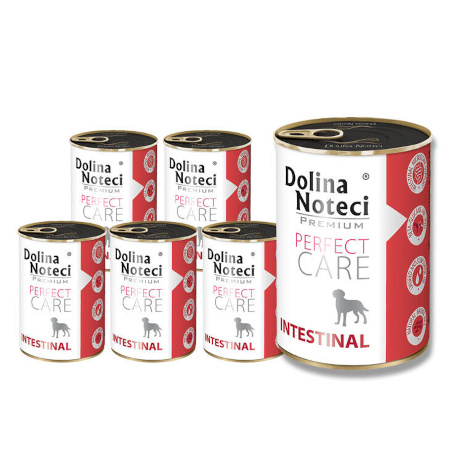
Feeding a Doberman requires high-quality food rich in animal protein to provide the building blocks for its hard-working muscles, moderate fat content to provide energy while avoiding excess weight that strains the joints, and the addition of functional ingredients that support heart, joint, and digestive health while minimizing the risk of gastric torsion.Doberman food should be easily digestible to minimize gas production and feature kibble that encourages thorough chewing rather than rapid swallowing.
Doberman puppy food – muscle and bone development
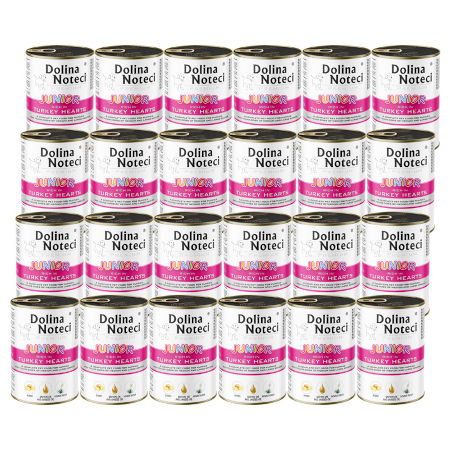
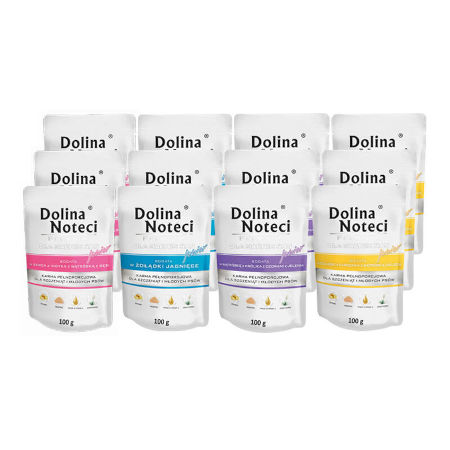
Puppies of this breed need a balanced diet rich in protein (approx..30%) and the right balance of calcium and phosphorus, which support bone and muscle development without the risk of growing too fast. What is the best food for a Doberman puppy??It’s a good idea to choose foods designed for large-breed puppies, with controlled calorie content and high-quality animal ingredients.
Food should be served in several smaller portions throughout the day—younger puppies eat more frequently, while older ones eat two to three times a day.Regular monitoring of weight and body composition helps prevent excess weight, which puts strain on the developing skeletal system.

Food for adult Dobermans – high-protein and high-calorie
An adult Doberman needs a diet that keeps them lean while providing the energy they need for daily activities.The best dog food for large and working breeds should contain at least 25–30% animal protein and 15–20% fat, as well as glucosamine and chondroitin to support joints under heavy strain.
It is recommended to feed twice a day, with portions of 500–700 g of dry food, with the option to increase the amount by 20–30% for very active dogs.It’s a good idea to choose formulas that contain taurine, L-carnitine, and antioxidants, which support heart function and protect cells from oxidative stress.
Supplements for Dobermans – Joints and Heart
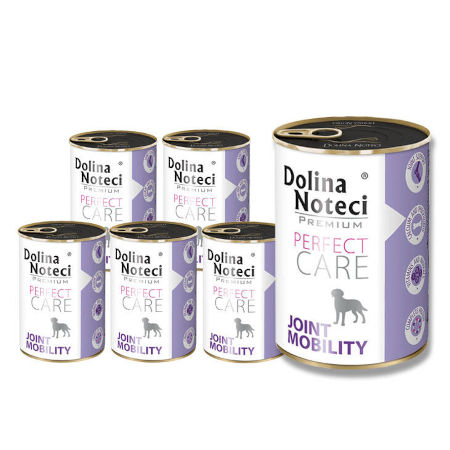
To support the health of a large, active dog, it’s a good idea to regularly give them a few key supplements.Glucosamine and chondroitin are the most effective for joints, which regenerate cartilage and alleviate the effects of overuse, especially in dogs with dysplasia or those involved in dog sports.
The heart needs omega-3 fatty acids (EPA and DHA), which have anti-inflammatory effects and improve circulation.In addition taurine, L-carnitine, and coenzyme Q10 support heart muscle function and energy production, thereby helping to delay the progression of dilated cardiomyopathy.When choosing supplements, it’s a good idea to follow your veterinarian’s recommendations and use products designed for large-breed dogs.
How the active ingredients work – joint and heart health in Dobermans
| Active ingredient | Main function | Area of support |
|---|---|---|
| Glucosamine | Joint Cartilage Regeneration | Ponds |
| Chondroitin | Slowing the progression of degenerative changes | Ponds |
| Omega-3 fatty acids (EPA, DHA) | Anti-inflammatory effects, heart support | Joints, Heart |
| Taurine | Support for myocardial contractility | Heart |
| L-carnitine | Improving the heart's energy metabolism | Heart |
| Coenzyme Q10 | Increasing energy production in the heart | Heart |
How to Care for a Doberman?Minimal requirements, maximum impact
Daily care for a Doberman is simple, but it requires consistency.Short-haired dogs without an undercoat only need to be brushed 1–2 times a week with a rubber glove or a natural-bristle brush, which removes dead hair and gives the coat a healthy shine. Bathing every 6–8 weeks with a mild shampoo keeps the skin clean, and you should avoid washing too often so as not to strip away the natural protective layer.
It’s a good idea to clean your dog’s ears once a week and brush their teeth 2–3 times a week with special dog toothpaste.Teething toys are also helpful , as they naturally clean the teeth and massage the gums.Nails should be trimmed every few weeks—especially for dogs that aren’t very active on hard surfaces.
During hot weather, avoid strenuous exercise; in winter, however, because they lack an undercoat, it’s a good idea to use lightweight protective clothing.Regular grooming and monitoring of your dog’s skin will help keep him in top shape all year round.

Who is a Doberman suitable for??A dog for experienced and active owners
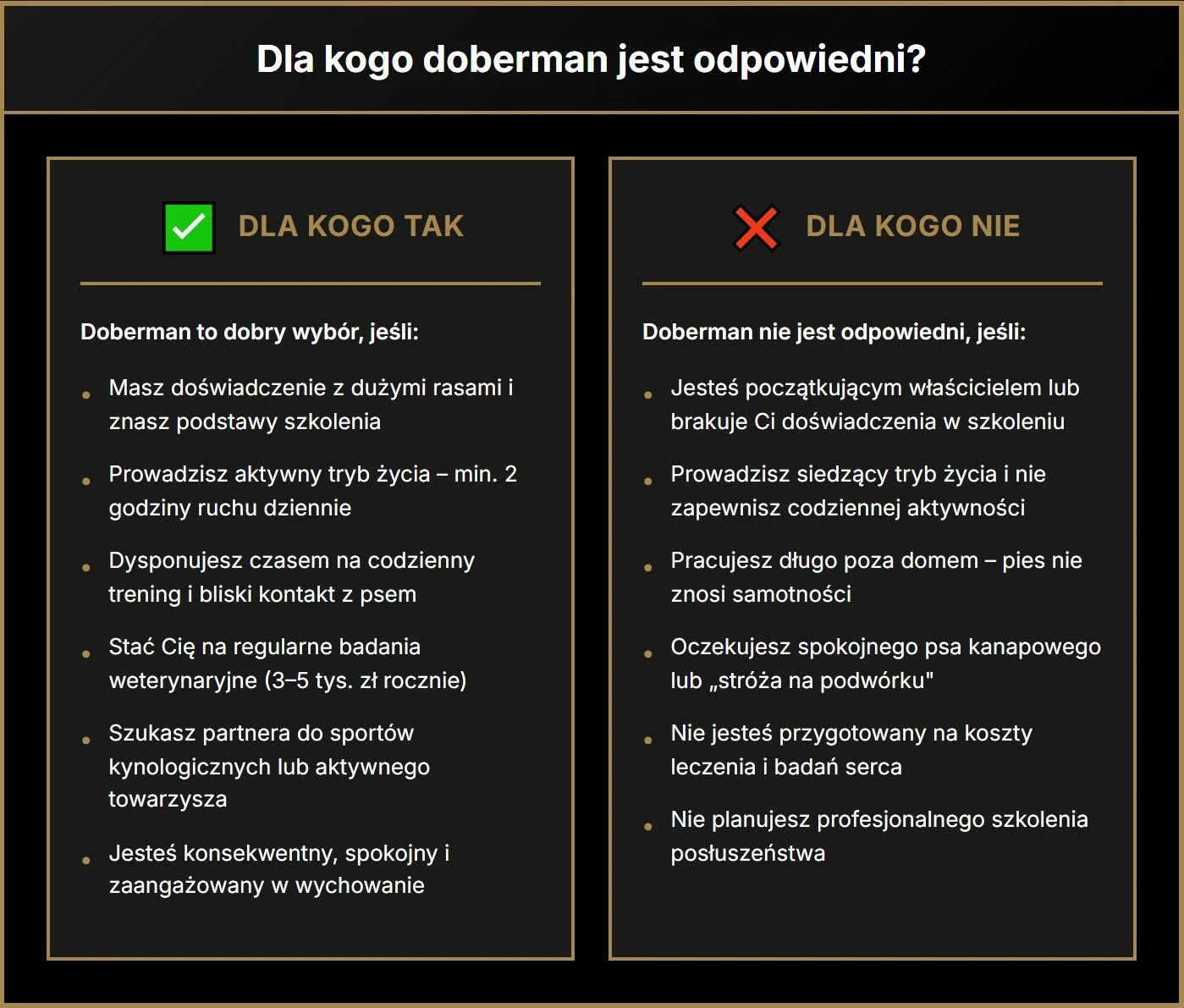
Who is a Doberman the right choice for??This breed is best suited for people with experience handling large dogs, who lead an active lifestyle and have the time for daily, intensive training sessions and long walks. A Doberman owner should be consistent, calm, and aware of the costs associated with preventive health care—especially heart exams, which should be performed regularly.
This dog is perfect for people who participate in dog sports and value teamwork and physical activity.He’s a wonderful companion, but only if he’s kept busy, gets plenty of human interaction, and has clear rules.
The decision to bring a Doberman into your home should be well thought out and preceded by consultation with a trainer and a veterinarian. This is a special dog (loyal, intelligent, and brave), but one that requires your full commitment and responsibility.
FAQ.Frequently Asked Questions About Dobermans
How long does a Doberman live??
Their average lifespan is 8–10 years, significantly below their genetic potential of 12–14 years due to dilated cardiomyopathy and other life-shortening conditions common to the breed.Dogs from responsible breeders who screen out genetic disorders and provide optimal veterinary care can live to be 10–12 years old.
Can a Doberman live in an apartment building??
Yes, provided that children get at least two hours of vigorous outdoor activity each day, since the size of the home is less important than the level of physical activity and mental stimulation.Keep in mind that the dog may bark to alert you to people approaching, which requires training to control its vocalizations in a multi-family setting.
Do Dobermans shed a lot??
Moderate – short-haired dogs without an undercoat shed year-round, though to a much lesser extent than long-haired breeds; however, the fine hairs, which are harder to remove from fabrics, can be a nuisance.Regular brushing minimizes shedding.
Is it okay to crop a Doberman's ears or tail??
Absolutely NOT – the purchase of ears and tails remains completely illegal in Poland and most European Union countries, as it is classified as cruel mutilation with no medical justification.Natural, drooping ears and a long tail are now the desired breed standard.
Do you need a permit to own a Doberman??
In Poland, Dobermans do NOT require a special permit, as they are not included on the list of breeds considered aggressive under the Animal Protection Act.Owners are subject to standard requirements, including dog registration and liability for the animal’s behavior.
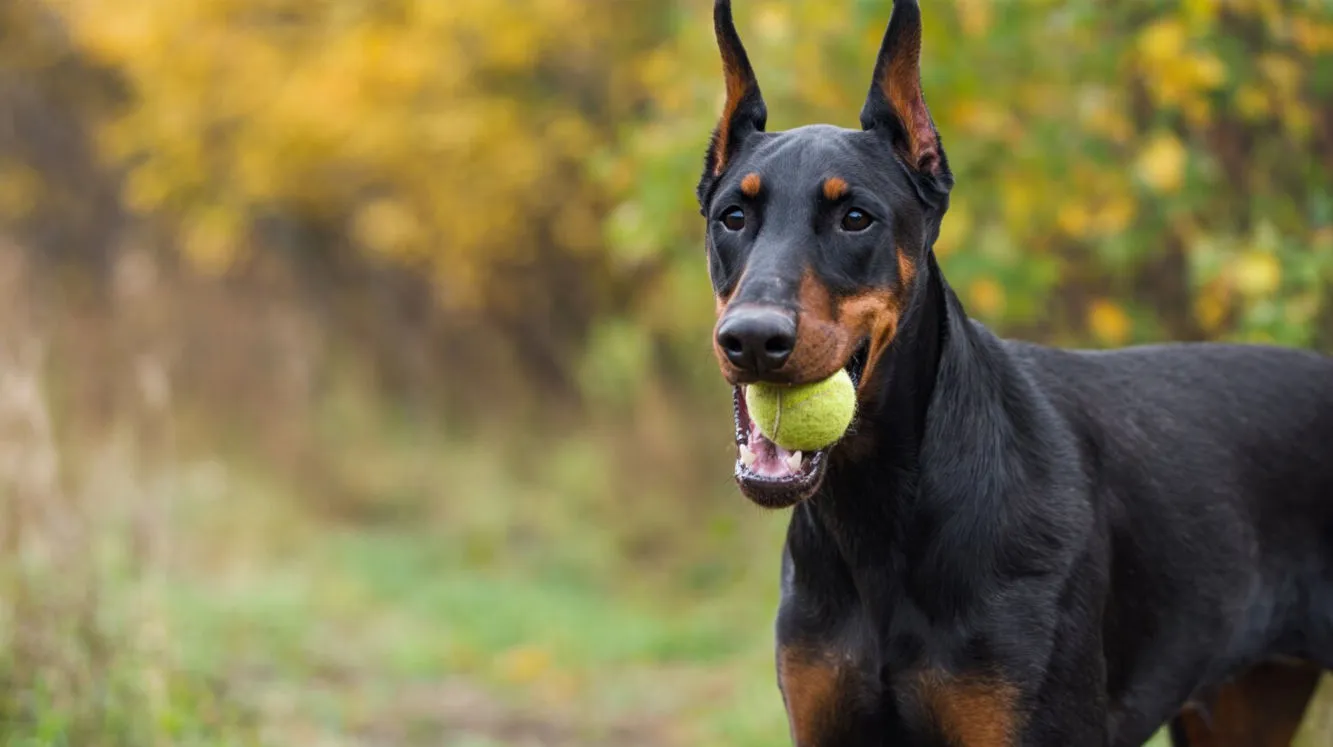
The Doberman is a dog of remarkable intelligence, elegance, and loyalty, capable of being not only a reliable guard dog but also a devoted family companion.However, it requires a responsible, dedicated caregiver who is willing to devote time to daily training, physical activity, and preventive health care.A Doberman that is properly trained and cared for will repay you with unconditional love, vigilance, and devotion, forming a bond unlike any other.
Author: Jacek Wilczak