
Teaching tricks—an activity for your dog
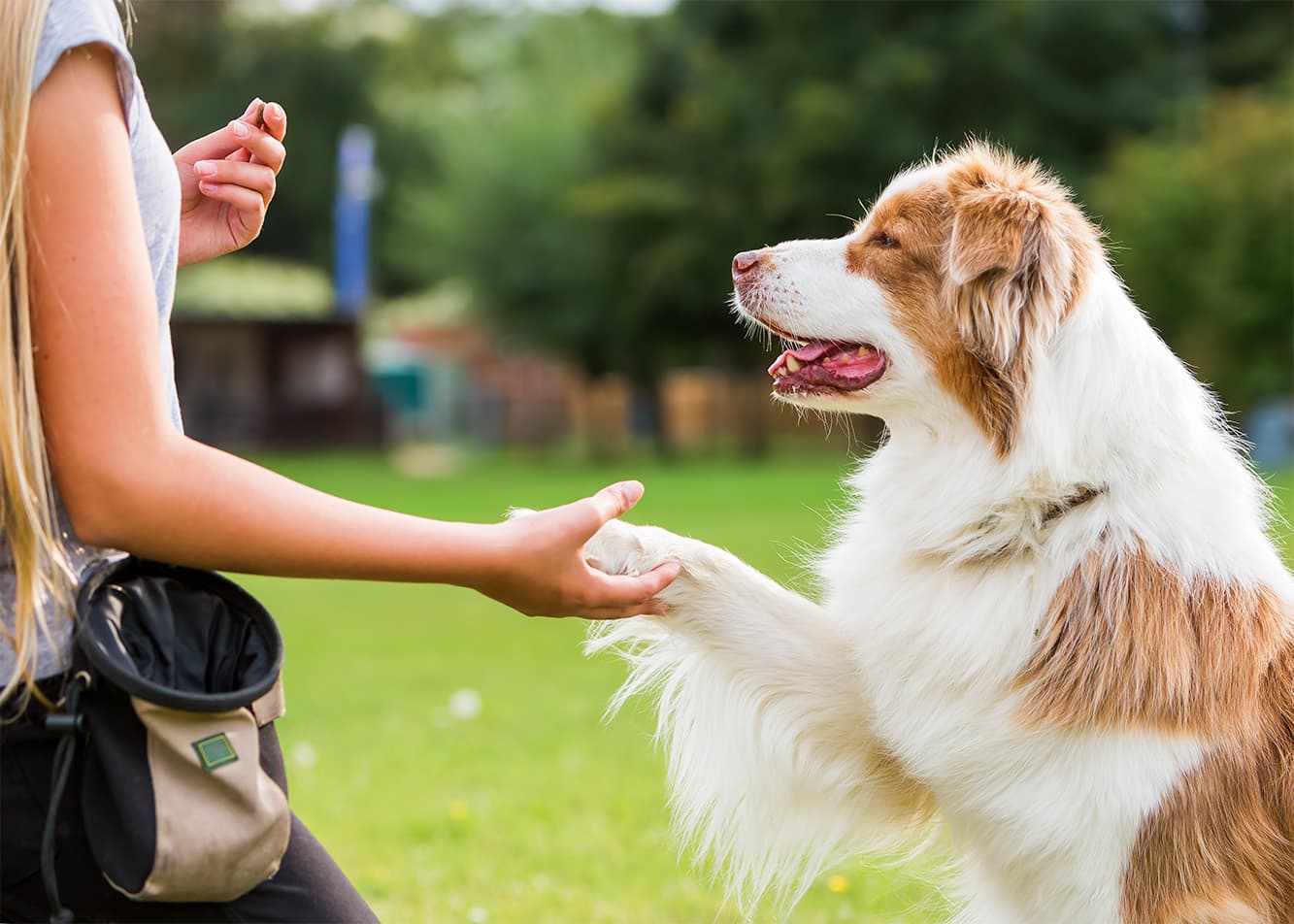
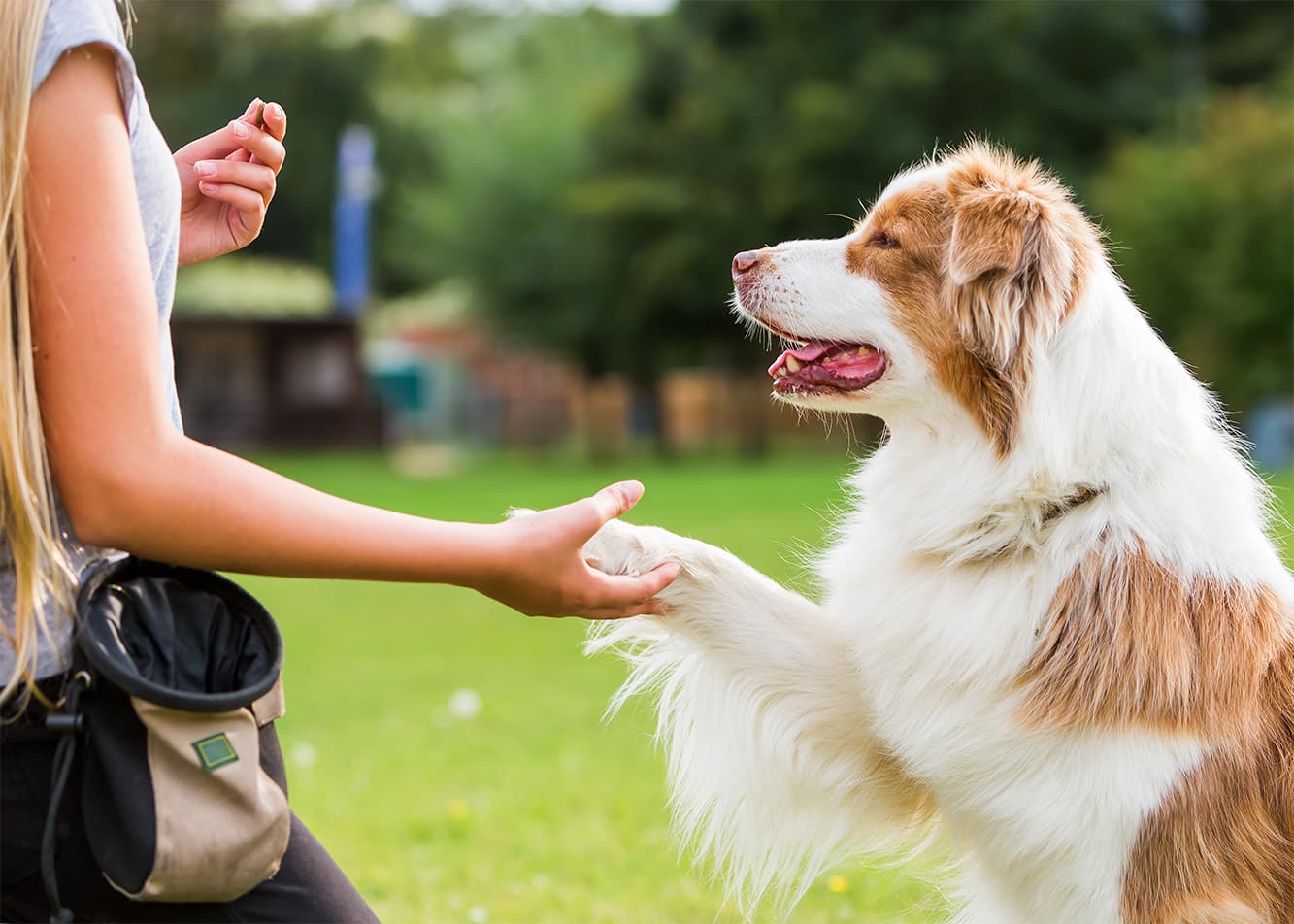
When teaching your dog the tricks mentioned in the title, you may hear comments like, “Why does a dog need to know how to do that?”?".This is because many people associate tricks with something unnatural or with a circus-style skill that adds nothing to a dog’s life.Let’s take a moment to consider whether this kind of activity is useful or not?Does it add anything more to our life with our dog??
The Joy of Training
When teaching tricks, we often approach them with more enthusiasm than when teaching obedience.When training commands such as “No,” “Wait,” or “Stay,” we require a great deal of focus from the dog during training, because we are the same way and expect the task to be performed flawlessly.This causes us to tense up during training.It's different when learning tricks.We treat it as a game, and even if we fail, we don’t see it as a mistake, because we have different expectations for this type of training.We just treat it as a game, and it’s in moments like these that it’s easiest to build a bond with your dog!
It's not just fun!
An interesting fact is that some of these tricks are useful in everyday life.
The "peek-a-boo" trick comes in handy when you want to keep your dog under better control, for example in an elevator or at a crosswalk.When passersby see a large dog between its owner’s legs, they often feel safer than when the dog is sitting at the owner’s side.A small-breed dog doesn't seem threatening, and when people see one like that in training, hardly anyone bothers it.The "dog's dead" trick can be helpful if you want to examine your dog's belly, for example, to check for ticks.You can also teach your dog to wipe its paws, which can be a lifesaver in autumn weather.After playing with the dog, you need to put the toys away.Your dog can help you with that!Just teach your dog to put objects in the bin, and after playing together, you’ll be able to clean up faster.As you can see from the examples given, we can teach our dogs many useful skills through play.
Confidence
Dogs learn by striving for success.When we focus on obedience, we sometimes fail to reward our dog because he didn’t obey the “sit” command or stopped walking by our side.Let’s remember that dogs always succeed when learning tricks.Even if they do a shorter slalom between your legs or the turn isn’t as dynamic, you should always reward the dog with a treat.The more success a dog has, the more eager it is to return to training.And most importantly, he becomes more confident!
Dog fitness – what is it??
An increasingly popular activity for our dogs is dog fitness.A lot of the skills in this sport come from tricks.When we practice turns with our dog, we’re actually incorporating a fitness exercise, just like when we practice going around a cone.When teaching a dog to bow, we also stretch its shoulders.Many tricks, such as climbing onto an object with their hind legs or spinning on a raised platform, engage their hind legs.
A treat as a reward?As much as!
When we hear the word "reward" in the context of working with dogs, we often think of a treat.Let’s remember that there’s also a “social reward”—praising our pet.When a dog performs a trick, always praise it.When the dog is performing tricks, the handler’s role is to maintain a positive attitude, which makes the dog more willing to stay with us and perform the trick.Once the dog comes to you when you say "come," you can also ask it to perform its favorite trick.This greatly strengthens the bond between the dog and its owner!
Can a dog perform any trick??
Tricks can actually be useful skills.But does that mean a dog can learn any trick??Certainly not!
There are tricks, such as the "groundhog," that put a lot of strain on a dog's spine, so it's best not to train them without first consulting a veterinary physical therapist if you're not sure whether your dog should be doing them.It’s a good idea to keep an eye on your pet, and if you have any doubts, ask a specialist what you can do during training.
Another issue is tricks that a dog doesn't like or is reluctant to perform, perhaps because it doesn't feel comfortable or confident enough.Since the main idea is mutual enjoyment, in such a situation it’s best to give up and not force the dog to do one activity over another.Trick training is a great way to have fun with your dog, strengthen your bond, and build a strong relationship.Given the wide variety of tricks available, there’s something for every dog and their owner.Good luck!
