Symptoms and Treatment of Hypothyroidism in Dogs
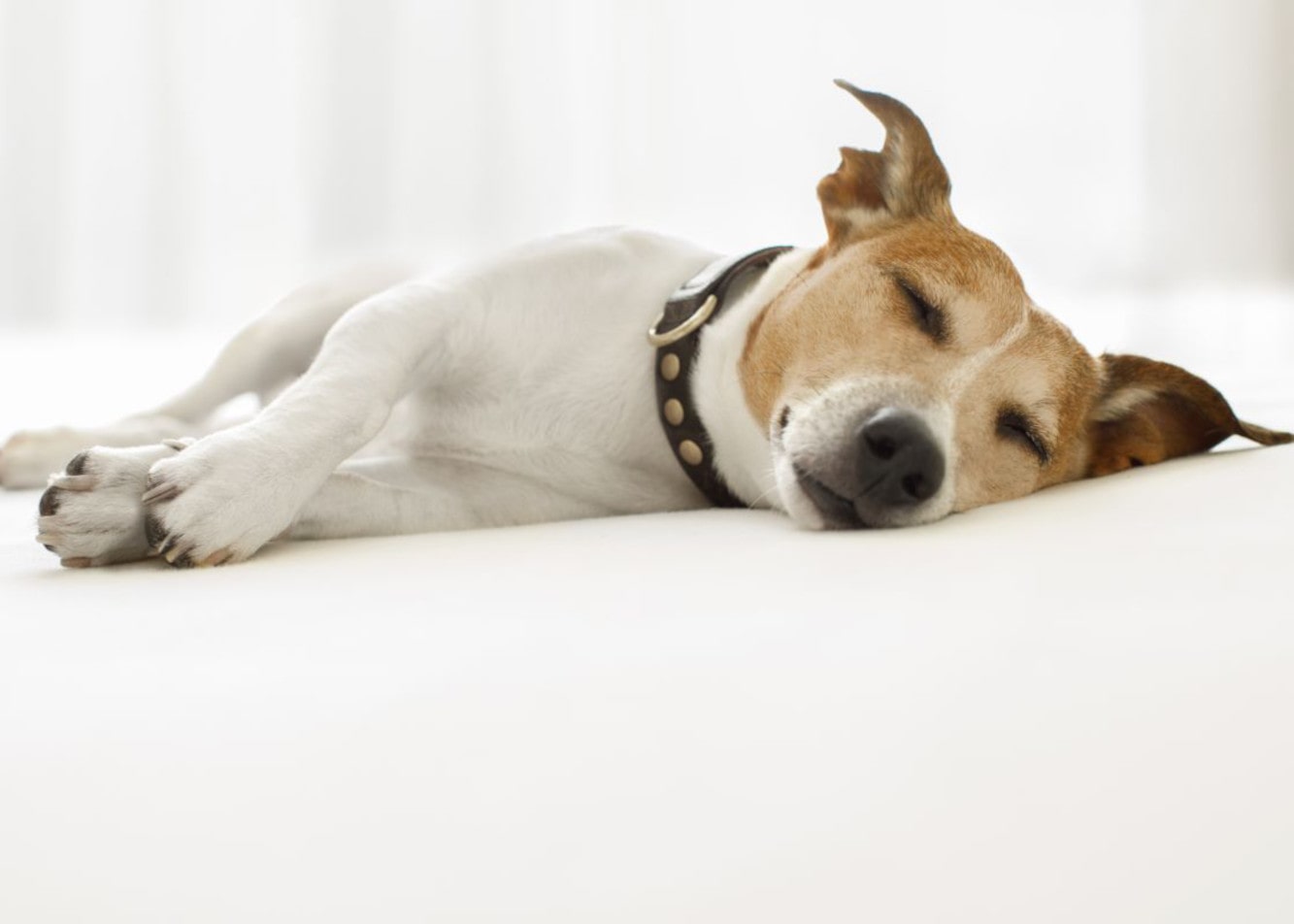
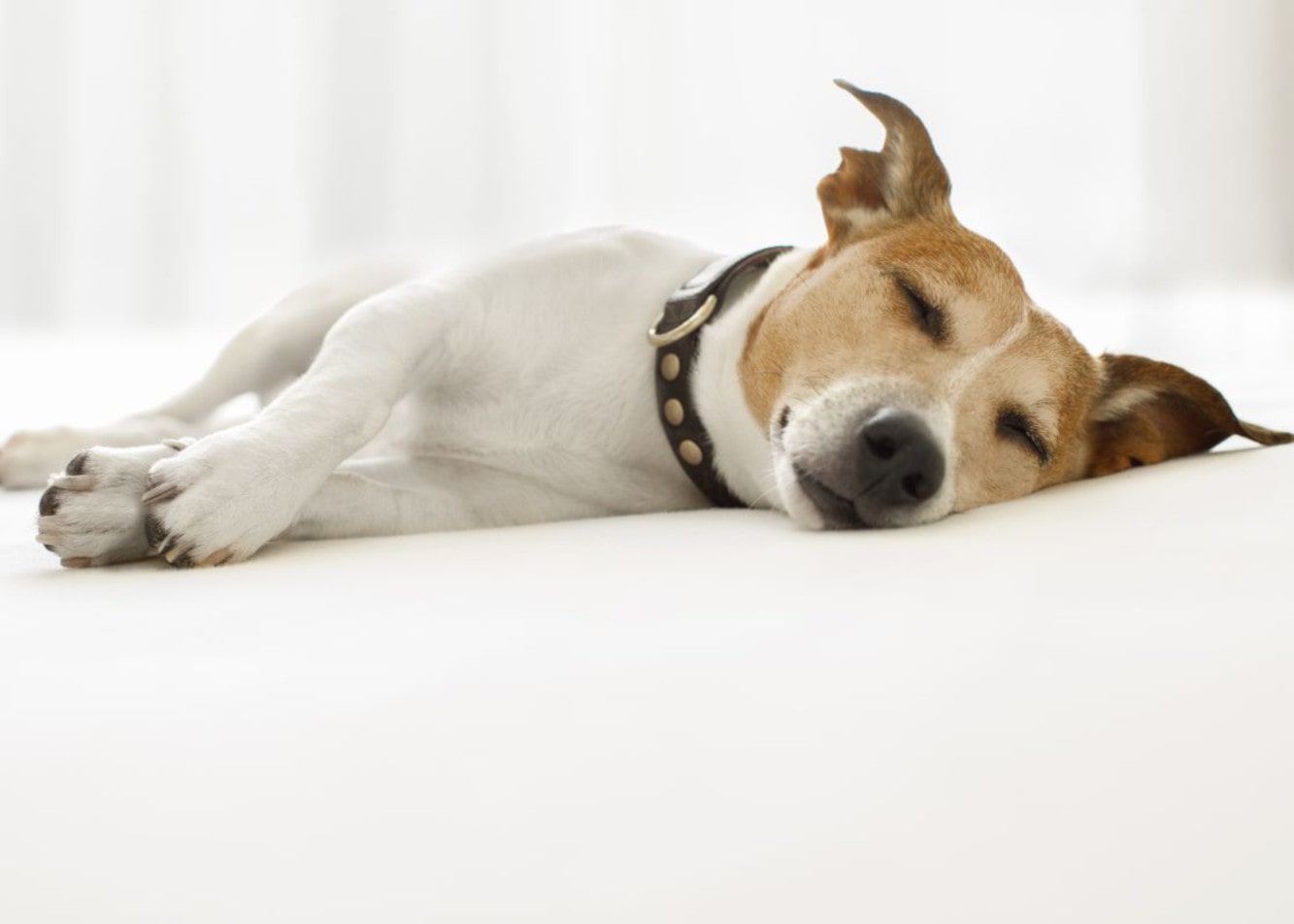
Thyroid disorders affect not only humans but also animals.They are being diagnosed more and more frequently in dogs, where—just as in humans—they can significantly reduce quality of life.Symptoms are not always specific or easy to recognize.Award of this risk, pet owners should keep a close eye on their pets and, if they notice anything concerning, consult a veterinarian.Making the right diagnosis and implementing the appropriate treatment and care can quickly improve your pet’s well-being.
The thyroid gland in dogs is a small gland responsible for producing two hormones that are essential for normal growth and development: thyroxine (T4) and triiodothyronine (T3).Their role is to regulate skin function and cellular metabolism.Thyroid problems in dogs can have various causes, and thyroid dysfunction can take different courses.Hyperthyroidism, or the production of too many hormones, is possible.However, hypothyroidism is much more common in dogs—a condition characterized by an insufficient production of hormones.It is worth noting that this is one of the most common endocrine disorders in dogs.
Thyroid Diseases in Dogs and Their Causes
Hypothyroidism in dogs is a condition that has not yet been fully understood.The causes of its development are unclear, although experts cite several factors that may play a significant role.It is believed that in most cases, the disease is a consequence of autoimmune lymphocytic thyroiditis, which leads to reduced hormone production.This form of the condition is called primary hypothyroidism and is by far the most common.It occurs mainly in middle-aged dogs.In addition to this, we may be dealing with congenital or central hypothyroidism.However, these forms are much less common.
At present, it is difficult to pinpoint exactly why a dog’s thyroid gland is not functioning properly.However, it has been noted that certain breeds are more prone to hypothyroidism than others.Breeds genetically predisposed to this condition include: Irish Setters, German Shepherds, Golden Retrievers, Labrador Retrievers, English Bulldogs, Newfoundlands, Bernese Mountain Dogs, Belgian Shepherds, Dachshunds, Schnauzers, and several other breeds.Other possible causes of the disease include thyroid tumors, radiation, stress, poor air quality, and an unhealthy diet.Feeding foods that contain excessive amounts of grains may be harmful.That is why wet dog food plays a very important role in a dog’s diet; it is made from high-quality ingredients, carefully selected and balanced in the right proportions.
What are the symptoms of hypothyroidism in dogs??
Hypothyroidism in dogs affects the functioning of the entire body.Symptoms may be nonspecific and vary in severity.Some are subtle and barely noticeable, while others are typical and easily recognizable by a veterinarian—and by a pet owner, too, if they know what to look for.An apathetic, sad-looking dog should set him on alert.A lack of interest in the surroundings and a reluctance to play are observed.Some of the most common symptoms are lethargy and a lack of energy.In addition, weight gain sometimes occurs even when the amount of food given does not increase.Skin discoloration, as well as a dull coat and hair loss, may also indicate illness.A characteristic feature is hair loss on the sides of the body and on the tail, a condition known as "rat tail".
Thyroid disease in dogs is very often diagnosed based on skin problems.In addition to hair loss and a dull coat, skin yeast infections, excessive sebum production, and hyperkeratosis may occur.Other symptoms include a slow heart rate and reduced physical performance.Hypothyroidism in dogs can also lead to neurological symptoms.Sometimes certain facial muscles atrophy and the eyelids droop, giving the dog a "sad look".There are also cases of limb weakness, laryngeal paralysis, and vestibular syndrome (turning the head to one side, difficulty maintaining balance).In adult animals, this may lead to decreased libido, estrus disorders, and infertility.In contrast, congenital hypothyroidism in puppies can lead to dwarfism.
How to treat hypothyroidism in your pet?
Since thyroid disease in dogs doesn’t always present with clear and easily noticeable symptoms, it’s important to remember to have your dog’s blood tested regularly as a preventive measure.These should include both basic morphology and testing for thyroid disorders.If it is confirmed that your pet has hypothyroidism, it will be necessary to implement an appropriate diet and medication regimen.Since many dogs with this condition experience an increased appetite, it is essential to monitor both the amount of food given and weight gain.
The good news is certainly that proper treatment can halt the progression of the disease, and even completely reverse the symptoms and significantly improve your pet’s quality of life.It is important to remember that hypothyroidism in dogs is incurable.This, in turn, means that dogs must be given supplements on a regular basis or medications, specifically thyroid hormones and, in some cases, iodine supplements.What can be somewhat challenging and time-consuming is determining the right dose of hormones to ensure adequate levels in the body.However, once we succeed, we'll see a noticeable improvement in the dog.Importantly, with proper treatment, dogs with hypothyroidism can live long and happy lives.The therapy itself, however, does not cause any negative side effects in them.
Recommended
Dolina Noteci Premium Wet Dog Food, Rich in Goose with Potatoes, 150 g pouch