Skin Conditions in Dogs - How to Deal with Them?

Types of dermatological problems in animals and their symptoms
The most common skin disease in dogs is ringworm, which has a severe but easily detectable course.It is characterized by the appearance of bald patches or scabs of various sizes on the animal's body.The dog scratches constantly, often rubs against furniture and other objects, and sometimes blood oozes from its body.What factors might influence its occurrence?M.in.compromised immune system and advanced age.
Another common issue is allergies.Although this seems to be a problem mainly for humans, pets can suffer from it too.Atopic dermatitis, contact allergies (e.g., to nickel, poison ivy, or pine) and food allergies are common conditions in dogs.Many dogs cannot eat certain foods, such as grains, so it is necessary to feed them a specific grain-free diet , which will limit their exposure to allergens.Interestingly, skin allergies in dogs manifest in much the same way as they do in humans.Itching occurs, and rashes, pustules, erythema, and papules appear on the body.In addition, dogs can suffer from allergic flea dermatitis, which is a reaction to flea saliva; therefore, it’s a good idea to take preventive measures to keep fleas from infesting your dog’s skin.You can do this by.in.using special tablets, collars, or topical treatments applied to the neck.
Of course, the options listed above aren't the only ones that could affect your pet.Skin diseases can also be caused by hormonal, neoplastic, or parasitic factors, or they may be acquired by a dog due to genetic predisposition.
Treatment of dermatological lesions
When it comes to treating skin conditions, it’s a very individual matter.Of course, the first step is to take your pet to the vet, who will assess its health.Attempting to diagnose and treat a dog’s skin problems on your own can result in a worsening of its condition, an exacerbation of symptoms, or even death.Each type of skin condition requires a different approach.For example, in the case of fungal infections, these usually include antifungal medications and immune-boosting agents, while in the case of allergies, they involve avoiding foods that cause harm or avoiding exposure to the allergen.
Prevention of skin diseases in dogs
However, you can prevent skin problems from developing in your pet, m.in.through a proper diet.First and foremost, dog food should be rich in vitamins and minerals, which are essential for maintaining a healthy immune system.It is also important to ensure that your diet is balanced and contains the right ratio of proteins, fats, and carbohydrates.It’s also important to make sure your pet stays hydrated, as this helps maintain proper fluid and electrolyte balance.If you notice that your furry friend rarely goes to the water bowl, try switching to wet dog food, which contains much more water than its dry counterparts.
Specialized dietary supplements
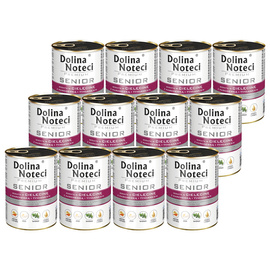
There are also specialized dog foodsthat are a good way to help prevent skin problems.Depending on whether your pet prefers wet dog food or dry food, you can choose the one they’ll enjoy eating and that will have a positive effect on their health.One example is Dolina Noteci Premium dog food for dogs with skin problems.It contains vitamins C, E, and D3, as well as zinc, manganese, and iodine, which are beneficial for the skin.The n-3 and n-6 fatty acids it contains also benefit your pet's skin and ensure a beautiful coat.However, it is important to remember that this type of dog food is only a supplement to other factors and cannot replace proper medical treatment or care.

Choose your cosmetics carefully
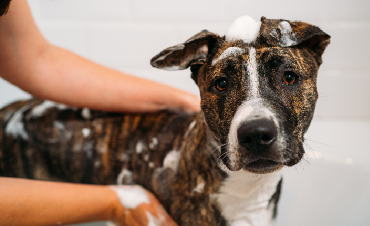
The last thing to keep in mind when it comes to dermatological prevention is the quality and ingredients of the bath products you use.It’s a good idea to choose pet products that are suited to your pet’s breed and coat type.If you notice specific issues, such as a fungal infection, you can ask your veterinarian to recommend specialized treatments to help relieve the itching and discomfort.
Take care of your pet's skin and enjoy seeing them happy every day.
Recommended