Physical Activity and Metabolism
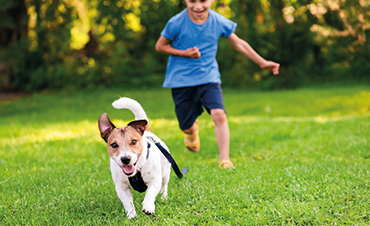
Physical activity is the key to your pet's health and well-being.In addition to helping you stay in shape and being one of the best ways to spend time together, it is also a key factor in determining your metabolic rate, thereby helping to prevent obesity and related health conditions.Why is exercise so important for the digestive system??
What an active dog needs?
Any physical activity a dog engages in requires an additional supply of energy, which comes from high-quality pet food.Given the amount of energy and the rate at which it is released, the most valuable energy source is free fatty acids stored as triglycerides in adipose tissue.Their gradual release and metabolism provide support during prolonged physical activity—unlike carbohydrates, which are a readily available source of energy but are depleted very quickly.On the other hand, an excess of these is one of the factors leading to overweight and obesity.
What kind of food should I feed them??
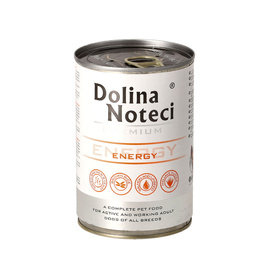
The key factor in ensuring both an adequate energy supply to support the intensity and duration of physical activity and, at the same time, avoiding an excessive volume of food that could strain the digestive tract is the food’s appropriate energy density and the digestibility of its nutrients.Given that digestive functions slow down during physical activity, it is important to plan meal times accordingly.Food designed for physically active dogs should account for their increased need for fat and vitamins—primarily B vitamins (which regulate the metabolic rate of nutrients) and antioxidant vitamins (e.g., vitamin E, which inhibits the spread of oxidative stress caused by physical exertion).
Let’s remember that any form of physical activity helps improve overall physical fitness, triggers adaptive processes in all the body’s systems, and is important for the bond between the pet and its owner—provided, of course, that they engage in these activities together.
Recommended