Omega-3 and Omega-6 fatty acids – an essential part of a pet’s diet
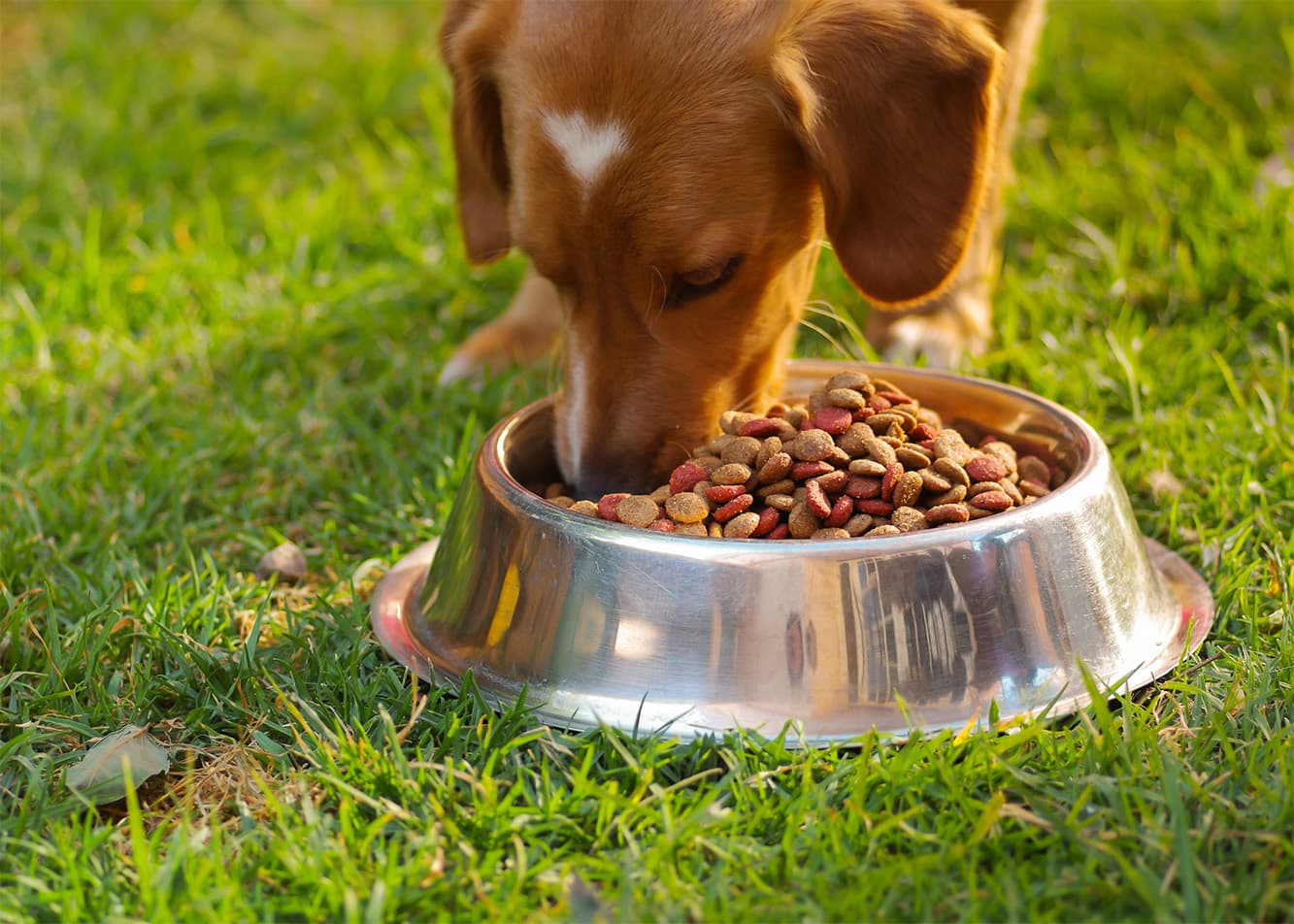
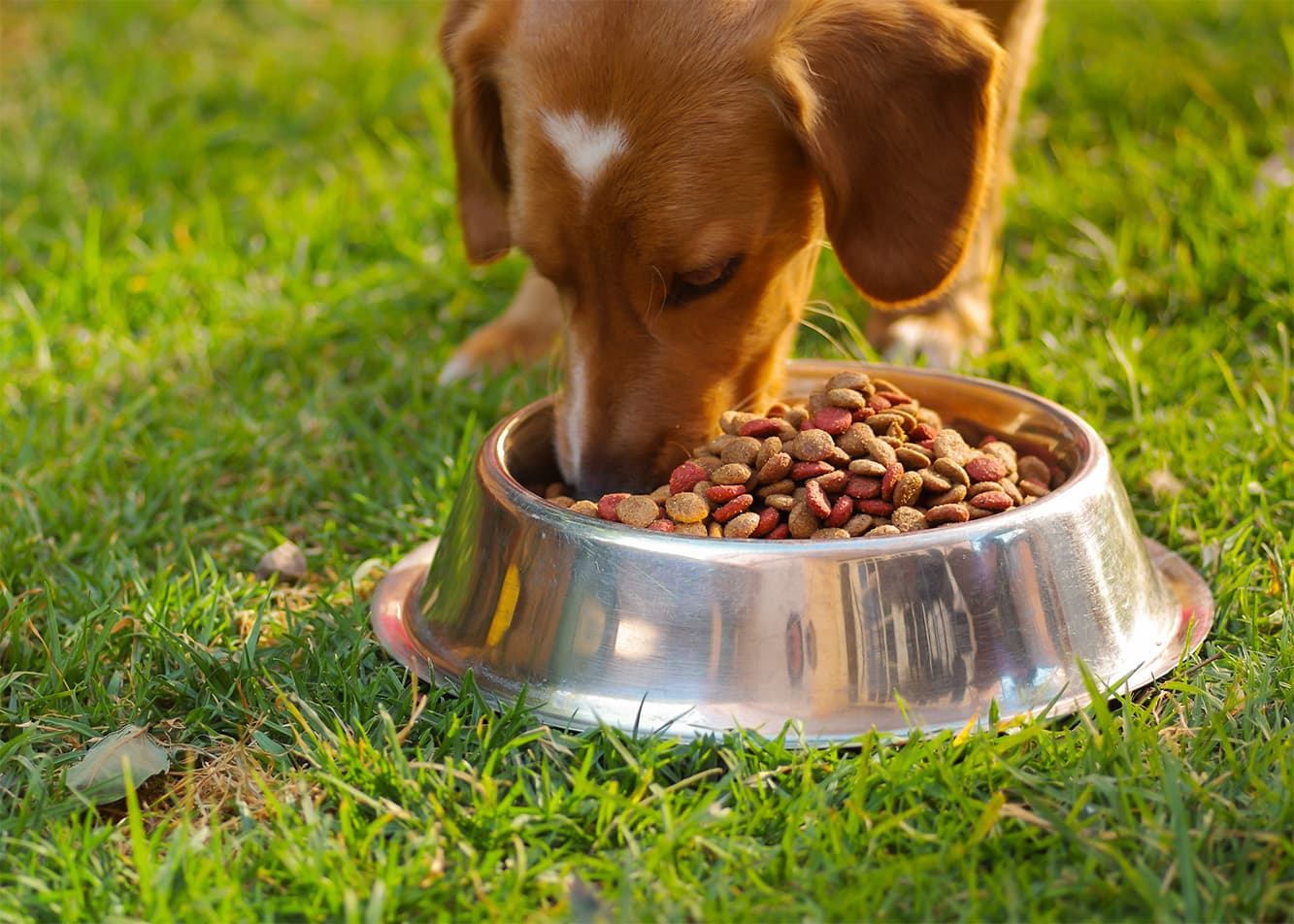
Fats are essential components of the diet for many pets.Both cats and dogs need omega-3 and omega-6 fatty acids to function properly, as these are responsible for many vital bodily processes.Learn the most important facts about them and find out why it’s important to ensure they get enough of them in your pets’ diets.
Omega-3 and Omega-6 Fatty Acids - Characteristics
Fatty acids, including omega-3 and omega-6, are fats that have a positive effect on the body; without them, it would be difficult to talk about proper functioning.It’s worth noting that in order to reap their benefits, they must be obtained through food, since, given their endogenous nature, this is the only effective way.
The most common sources of omega-3 fatty acids are fish and seafood, as well as oils such as flaxseed, walnut, canola, and soybean oils.However, for animals, only animal-based sources are recommended, as animals are unable to properly absorb plant-based sources, and these also provide EPA and DHA.
OMEGA-6 fatty acids, on the other hand, are found primarily in vegetable oils, including sunflower, canola, and hemp oils.However, since vegetable oils aren’t necessary for dogs, supplements specifically designed for pets are a great option—they improve skin health and help prevent issues like excessive shedding.
Classification of Essential Fatty Acids
Essential fatty acids (EFAs) for dogs and cats are divided into monounsaturated and polyunsaturated fatty acids.Among the first group—those based on a single double bond—oleic acid stands out, while the second group is represented by the well-known omega-3 and omega-6 fatty acids, which contain multiple double bonds.The nomenclature of the latter is based on their structure, which includes a carbon atom within the molecule.
When discussing monounsaturated fatty acids, it is important to note that they support the proper functioning of many organs, including the heart.In turn, the omega-3 polyunsaturated fatty acids—ALA, EPA, and DHA (considered the most important)—are responsible for optimal brain function and neurological health, while omega-6 fatty acids—LA, GLA, and AA, we’re talking about supporting digestive system function, as well as minimizing the risk of developing obesity or diabetes.
What is the relationship between omega-3 and omega-6 fatty acids??
When discussing omega-3 and omega-6 fatty acids and the ratio between them, it is important to note that maintaining a balance between them is essential.Unfortunately, a ratio of omega-6 to omega-3 that is too high can have a negative impact on the body, creating conditions conducive to the development of cancer, obesity, or circulatory problems.How to Supplement Omega-3 and Omega-6 Fatty Acids for Cats and Dogs?Experts recommend maintaining a 1:1 ratio—or as close to it as possible—which is often difficult with highly processed foods.So if your pet’s body has too much omega-6, it’s a good idea to add vitamins and supplements for cats or dogs that contain higher amounts of omega-3 to their diet, which will help restore the balance.
Essential fatty acids in dog and cat diets—why they’re so important?
Are you wondering why fats are so important in a dog or cat's diet??Not only do they support the absorption of vitamins D, K, A, and E, but they also help regulate hormones.Omega-3 and omega-6 fatty acids for dogs and cats are essential components of cells and contribute to the proper development and functioning of the nervous system.They also help improve the condition of the coat and reduce any inflammation in the body.
What role do omega-3 and omega-6 fatty acids play in a dog's body??
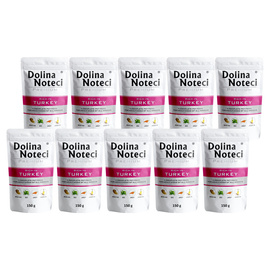
Omega-3 and 6 are undoubtedly beneficial, healthy fats for dogs.They serve many purposes, such as strengthening the body and boosting immunity; they support regenerative processes and help alleviate pain.Fat is important in a dog's diet because it supports brain function and helps regulate appetite, which is often a major issue for pets.What is the best type of fat for a dog??Fish oil, or cod liver oil, is particularly effective.It’s important to remember that adding fats increases the calorie content of a meal, so it’s essential to choose high-quality dry or wet dog food , such as Dolina Noteci Premium, which is rich in turkey , and won’t provide an excessive amount of calories, helping to prevent obesity.
The Importance of Omega-3 and Omega-6 Fatty Acids for Cats
When it comes to a cat's diet, healthy fats are just as important.They affect not only its proper growth, but also the quality of its coat.If a cat's diet lacks sufficient fatty acids, it can lead to heart problems, circulatory issues, or high cholesterol.An imbalanced ratio of omega-3 to omega-6 fatty acids can also lead to negative effects, such as inflammation, swelling, or even cancer.It is a good idea to use fatty acids once a week as a preventive measure to help with hairball removal.However, it is essential to strictly adhere to the recommended dosage, as an excess of acids can be just as dangerous as a deficiency.
Supplementing OMEGA-3 and OMEGA-6 fatty acids in the diets of pets
The use of supplements is recommended primarily for highly active breeds, but also for young, rapidly growing pets.The same applies to animals weakened by illness, for whom functional dog food or cat food enriched with supplements will certainly be much better absorbed.Just as with animals that require extra care—such as cat food for spayed cats or food for older dogs, like Piper Animals with lamb—supplemented with appropriate formulas containing fatty acids, these products will certainly help them recover more quickly.Why are essential fatty acids necessary to supplement??Since the body cannot produce them on its own, it is necessary to introduce them into the body through other, accessible means.
Omega-3 to omega-6 ratio for cats and dogs – how to administer?
Since omega-3 and omega-6 fatty acids are largely obtained through diet, supplementation will depend primarily on the quality of one’s diet.What is the best way to provide unsaturated fatty acids to dogs and cats??Most sources emphasize, above all, the importance of striking the right balance between them.Ideally, OMEGA-6 and OMEGA-3 should be administered in a 1:1 ratio to balance their proportions..Acids can be obtained from foods such as specialized cat food , or wet veterinary food for overweight cats that is rich in unsaturated fatty acids.However, it’s also worth considering products such as Dr. Seidel’s Flawitol Omega-3 with Lecithin dietary supplement—a convenient liquid that can be taken with meals—or even small capsules that can be squeezed out or easily rolled into a treat.
Animal sources of omega-3 fatty acids in the diets of pets
There is a list of products that make it easy—and delicious—to ensure your pets get the right amount of omega-3 fatty acids.These include mainly fish rich in DHA and EPA, such as salmon, trout, sprats, herring, cod, and mackerel, which are sure to appeal to both dogs and cats.Supplements containing essential acids and vitamins are an excellent complement to animal-based acids, ensuring that pets’ diets are fully balanced.
For high-quality pet food and products that support your pets’ growth and well-being, visit our online store at www.Noteci Valley.en
- You're welcome!
Recommended