Neva Masquerade – breed description, personality, care, and health of the blue-eyed cat
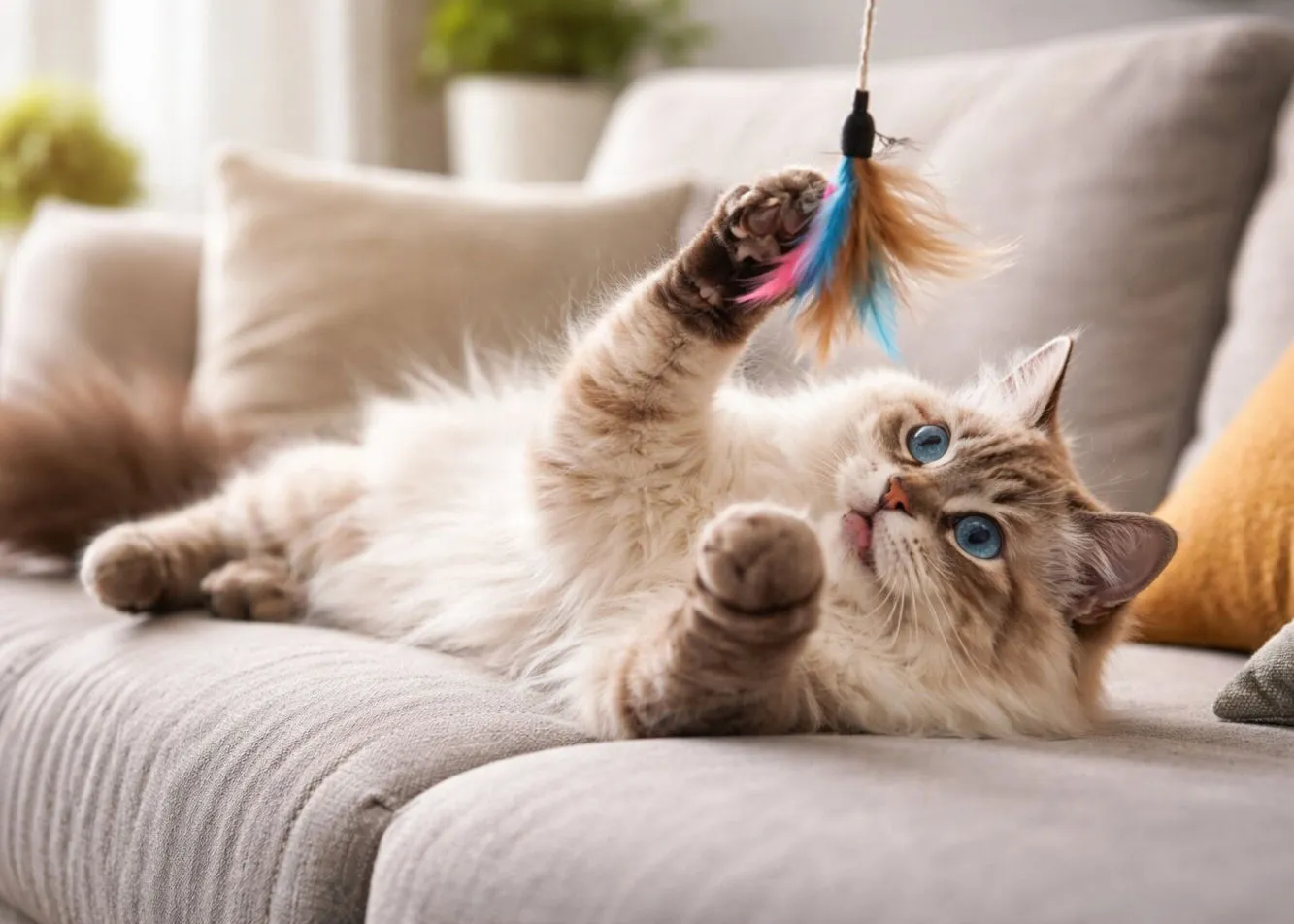
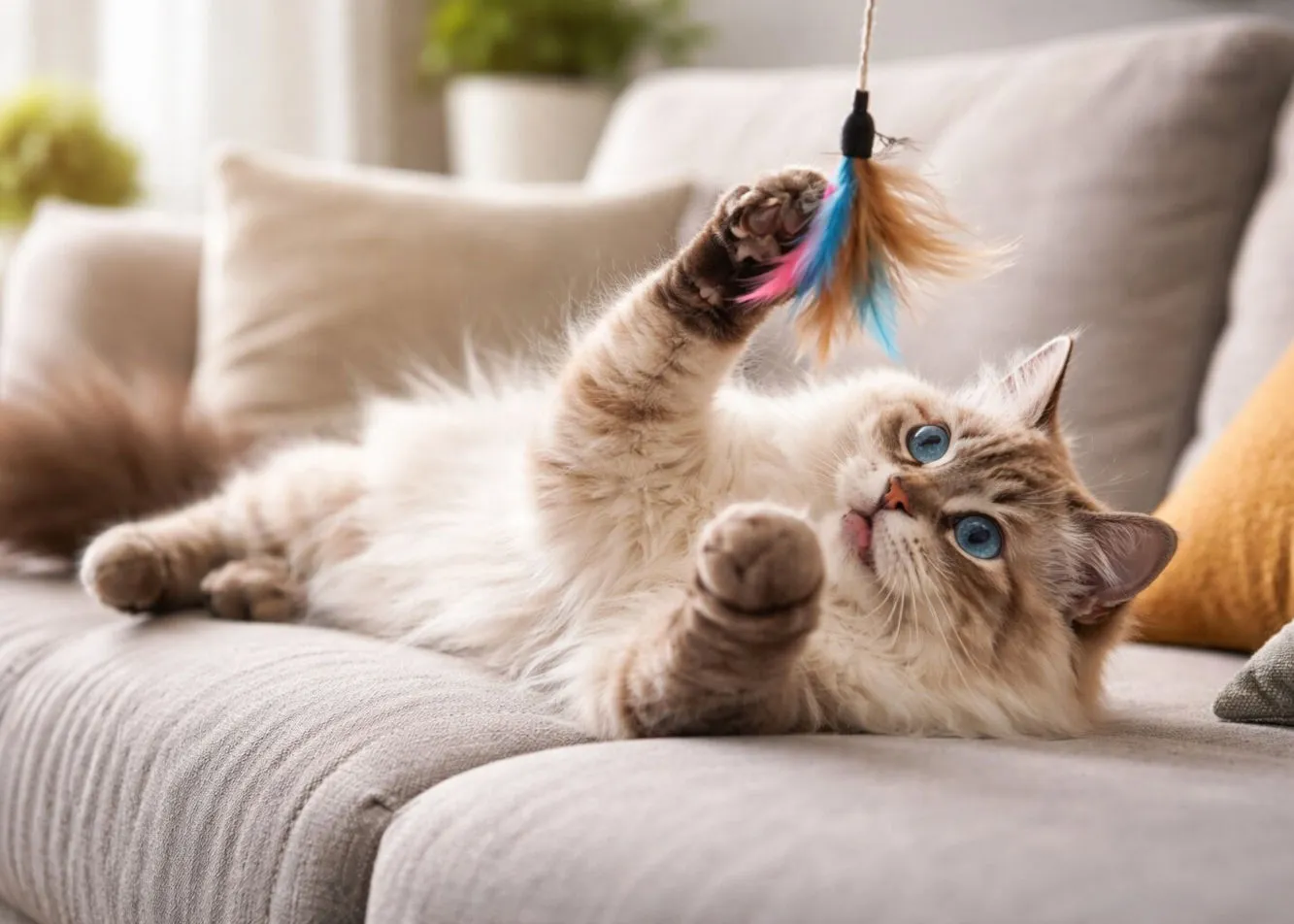
If you're looking for a cat with striking markings and mesmerizing blue eyes, the Neva Masquerade might be the perfect choice.A cat of this breed makes an excellent family pet, even in a home with small children, as long as the children are able to respect the cat’s personal space.This animal is intelligent, full of energy, and eager to play, yet exceptionally affectionate and gentle with the family.In addition to their striking appearance, they are also known for their high energy and playful nature.It is also often pointed out that cats of this breed are generally considered to be healthy.
Neva Masquerade – Breed Profile, Appearance, Temperament, Grooming, and Health
The Neva Masquerade is a natural color variety of the Siberian cat that, over time—thanks to the efforts of Russian breeders—has come to be recognized as a separate breed (although not all federations recognize it to the same extent).Nevas combine an impressive coat, a sturdy build, and a gentle temperament, but it’s worth remembering that they are sociable cats, often “talkative” and in need of interaction with their owners.
Basic information about the Neva Masquerade breed
- Country of origin: Russia
- Body weight: approx..4 kg (females) – 8 kg (males)
- Average lifespan: usually 12–17 years; with good care, some individuals live to be about.20 years
- Build: stocky, strong, with a broad chest; the cats give the impression of being massive and solid.
- Head and eyes: large, slightly rounded head, shaped like an inverted trapezoid; prominent cheeks, gently domed forehead; eyes large, widely set, oval-shaped—always blue (the deeper the shade, the more desirable)
- Ears and tail: ears broad at the base, slightly convex, tilted forward; tail bushy, of medium length
- Paws: sturdy legs, of medium length; characteristic tufts of fur between the toes
- Coat: medium-length, “double” (topcoat and undercoat), usually not prone to matting
- Fun fact: The breed’s name derives from the term “newska maskaradnaja,” which Russian breeders used to refer to these cats in memory of the old St. Petersburg masquerade balls.At the same time, this ties in with the fact that the first cats of this type came from St. Petersburg.
Origins and history – what we know, and what remains a matter of speculation?
There are several theories regarding the origins of the Nevy Masquerade.The most commonly mentioned are:
- crossbreeding Siberian cats with Siamese cats,
- a cross between Siberian and Himalayan lines (a variety of the Persian),
- the fixation of a mutation or genetic variant within the Siberian cat population.
It is known that the specific colorpoint coat pattern is associated with a recessive gene; therefore, it is impossible to determine with certainty today whether this variety “emerged” solely through natural means or was supported by selective breeding involving the introduction of other bloodlines.Livestock farming in Russia has been growing since the 1960s.in the 20th century, and the breed standard was established in 1987.The issue of whether individual federations recognize the Neva is described inconsistently in various sources; therefore, it is best to follow a practical rule: the breed’s status depends on the feline organization, and in some of them, the Neva is classified as a color variety of the Siberian cat.
Appearance and characteristics
The Neva Masquerade catches the eye with its contrasting coat color, darker muzzle—the so-called "mask"—and intense blue eyes.This is a cat that looks very "fluffy," especially in winter, when its undercoat becomes thicker.
Fur and the seasonality of outerwear
Their coat is adapted to a cool climate: in winter, their fur tends to be noticeably thicker, while in summer, the undercoat often thins out.The good news is that in many dogs, the coat isn't particularly prone to matting, though regular brushing is still recommended.
Coat color
The breed (or variety) comes in many different coat colors.
The nature and disposition of the Nevy Masquerade
Nevy are usually described as cats:
- calm, balanced, and gentle,
- very attached to their caregivers,
- curious and intelligent,
- sociable – they don't handle long periods of solitude well,
- communicative (they often meow and can "carry on a conversation").
Despite their gentle nature, they can have a strong hunting instinct and love to play—especially if given fishing rods, balls, interactive toys, or simple treat-based puzzles.
Neva Masquerade Cats and Children and Other Pets
They usually get along well with children at home, as long as the kids respect the cat's personal space.They usually get along with other cats without much trouble, especially if they have similar temperaments and activity levels.
Requirements and care – how to care for a neva?
Home and Activities
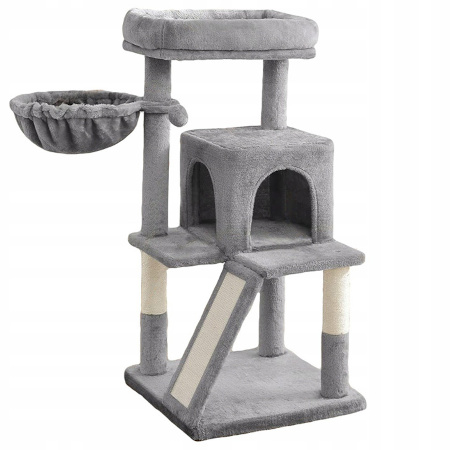
Although Nevas aren't always "lively" (due to their stockier build), they enjoy climbing and observing their surroundings from above.It is a good idea to ensure:
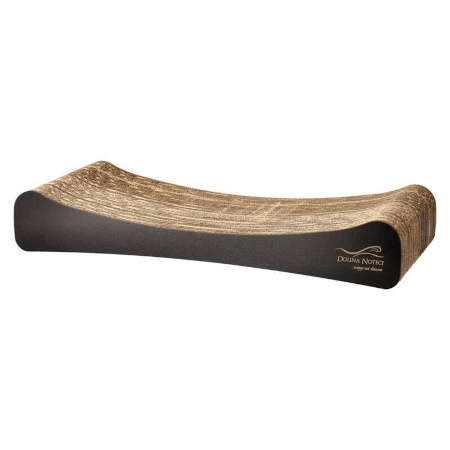
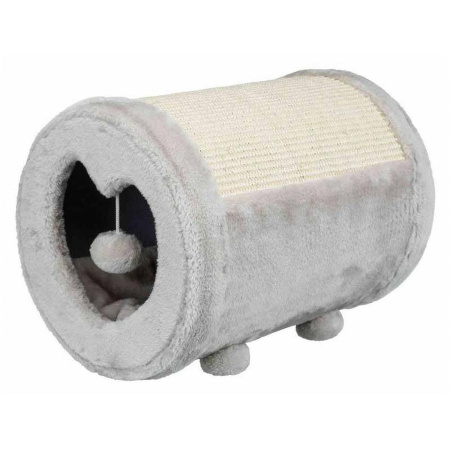
- sturdy, tall scratching post,
- shelves or cat "pathways" for safe walking,
- regular playtime (short sessions a few times a day work best).
A balcony can be a great addition, but only if it's properly secured.
Fur Care
- Outside of the winter season: usually, just brushing is enough.once a week.
- In winter/during shedding season: it’s a good idea to brush more often, because the fur is thicker.
- Preventing hairballs: For cats that groom themselves extensively, hairball remedies may be helpful (when used judiciously, as directed by a veterinarian).
Health and the "Nevy Masquerade" – What to Look For?
Nevas are generally considered to be fairly hardy cats, but—as with many breeds—they may be predisposed to certain health conditions.The most commonly mentioned are:
- hypertrophic cardiomyopathy (HCM),
- pyruvate kinase deficiency (PKDef) (less common, more frequently reported in Siberian Huskies),
- susceptibility to kidney problems in some individuals.
That is why it is important to have regular checkups with a veterinarian and to monitor your pet’s appetite, weight, and coat condition.
Nutrition – what should be in the bowl?
For Neve, the best diet would be:
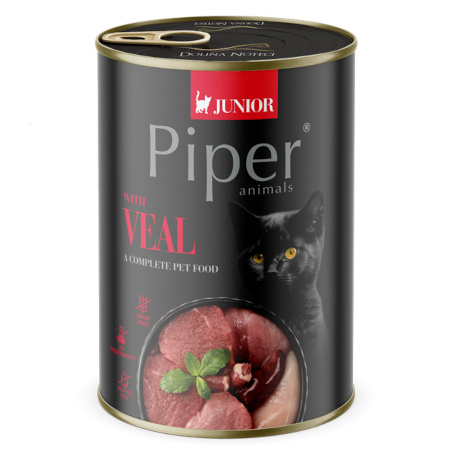
- wet cat food, high-meat content, well-balanced,
- tailored to age and activity level,
- that promotes hydration (which is important because....in.(for the urinary tract).
Constant access to fresh water and weight control are key to prevention.
Who is Neva Masquerade for??
This is a good choice for people who:
- they want a cat that is sociable and involved in the family's daily life,
- enjoy spending time with a pet and aren't looking for an independent cat,
- will provide regular playtime and basic coat care,
- appreciate a talkative cat (sometimes a really "chatty" one).
Neva might not be the best choice for someone who wants a quiet cat or leaves their pet alone for many hours every day.
How to Choose a Good Breeder?
A purebred cat should have a multi-generational pedigree and come from a legally operating, ethical cattery.It is safest to choose breeders affiliated with federations under the World Cat Congress (WCC)—this increases the chances of proper socialization and ensures that kittens are not sold before they are 12 weeks old.week of life.Otherwise, it is easy to unwittingly support breeding practices focused solely on profit at the expense of animal welfare.
FAQ - frequently asked questions
Is the Neva Masquerade difficult to care for??
Usually not—their fur doesn’t tend to mat much, but during shedding season, it’s a good idea to brush them more often.
Is this a cat for people who work a lot outside the home??
Probably not.Nevas are sociable and may not handle long periods of solitude well, so they need human interaction and plenty to keep them occupied.
Does Neva Masquerade meow a lot??
That's often the case.This is one of the features caregivers like best—or… one that can come as a surprise.
Author: M.Biegańska-Hendryk
Recommended

Luger’s Daily Pleasures karma suszona dla kota z łososiem i pstrągiem 1 kg