My dog won't drink water—what does that mean?? When you need to act?
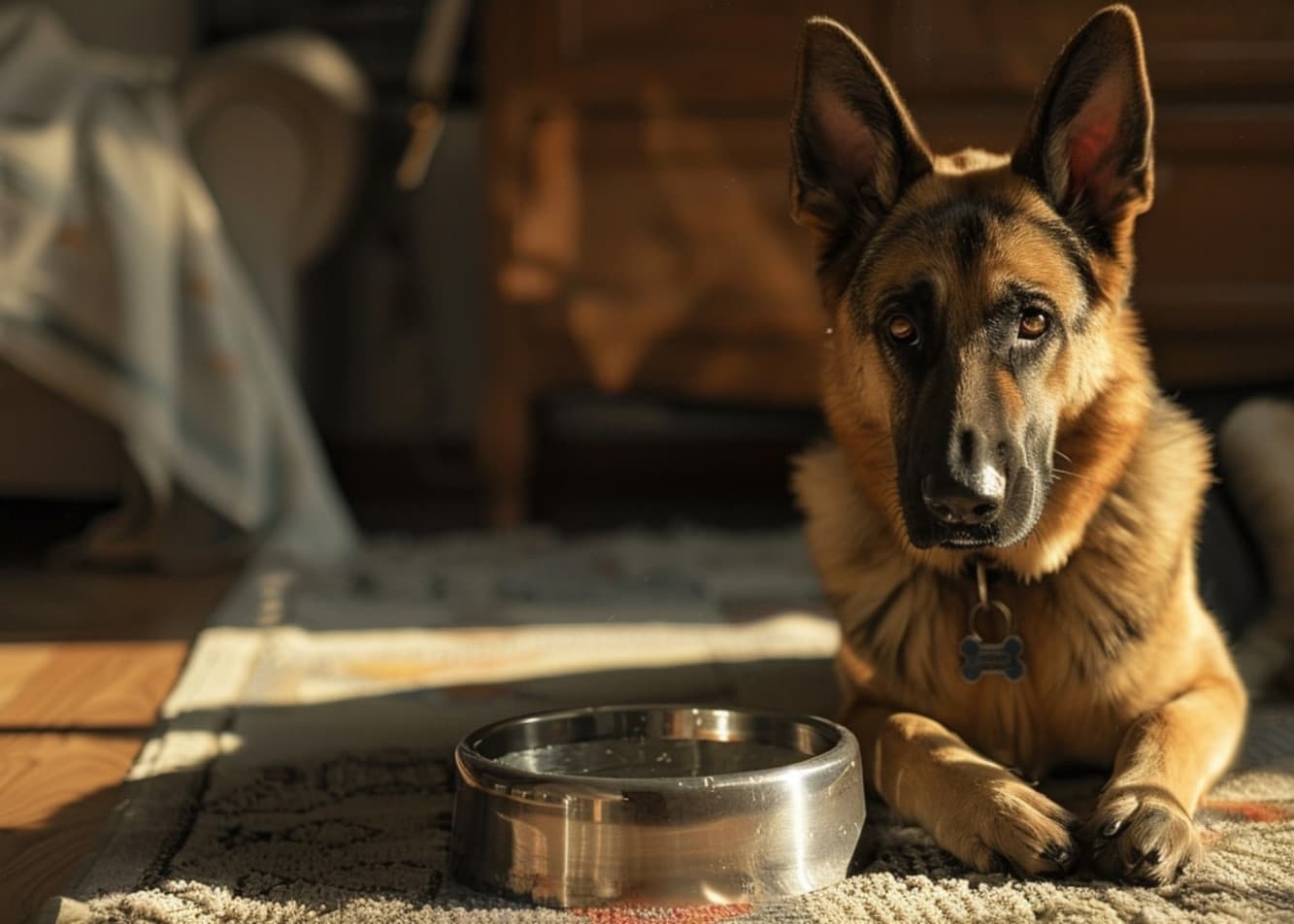
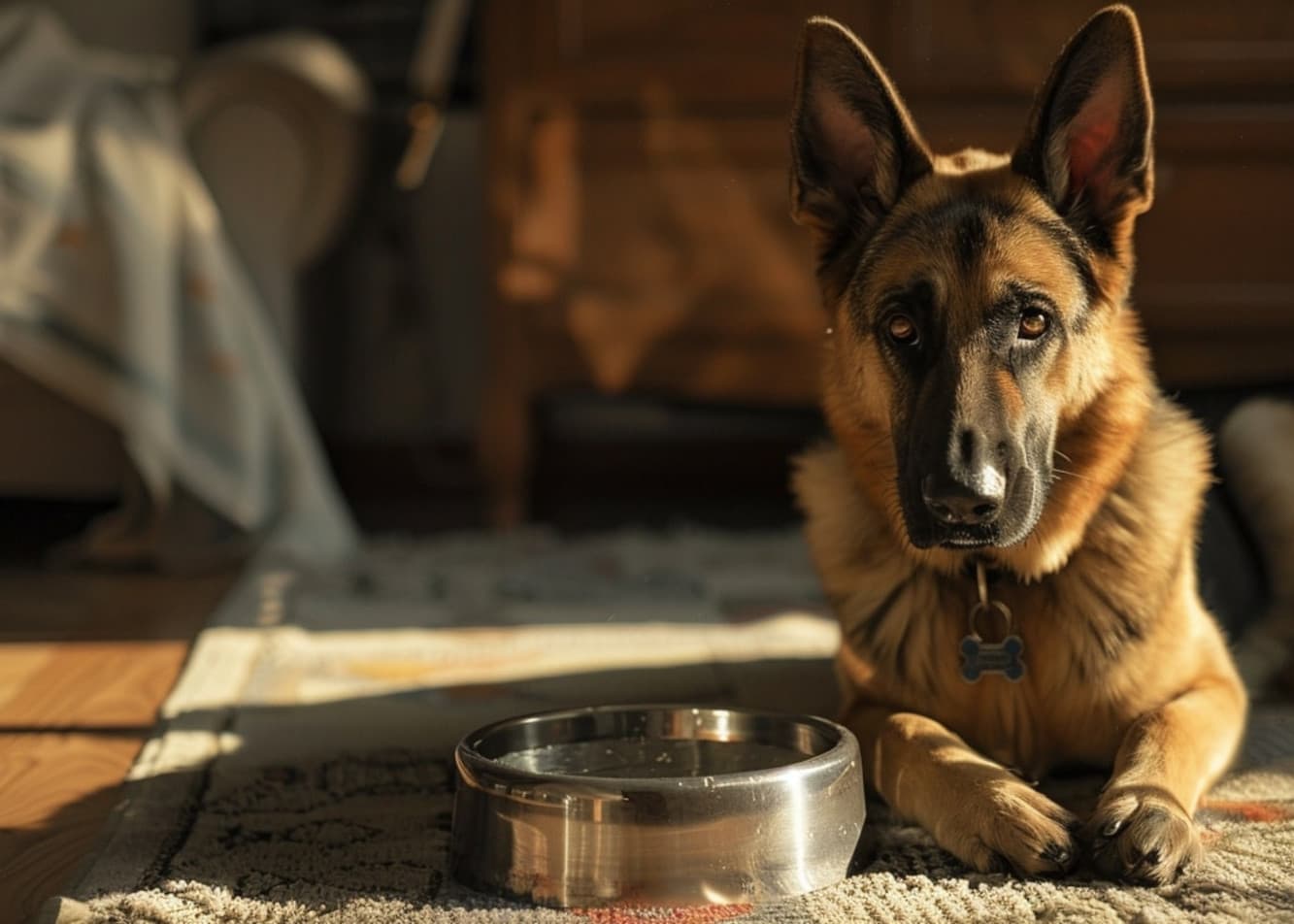
Water is one of the essential components of life—without it, the body cannot function properly.This is obvious to us, but it’s just as important for our dogs, who rely heavily on their owners to ensure they have constant access to fresh water.Some pets finish their bowl of water in a matter of minutes, while others seem to ignore it completely.Although it may not seem serious at first glance, a lack of thirst may have more to do with your health than you might think.High temperature, fatigue, or perhaps something more?
When a dog refuses to drink water, many owners ask themselves: is this just a temporary phase, or do I need to take action??The answer isn't always obvious—sometimes it's the little things that matter, the ones that are easy to overlook.What seems innocent may be the first sign of something more serious.Before you dismiss this as just your pet’s antics, it’s worth taking a closer look at the issue, because when it comes to hydration, it’s not just about the amount of water in the bowl, but what lies behind that bowl.
Table of Contents:
- How much water should a dog drink??Standards for different breeds and ages
- Why won't my dog drink water??The most common causes
- Symptoms of dehydration in dogs – when to act immediately?
- How to encourage your dog to drink water?Practical tips
- When should you consult a veterinarian if your pet isn't drinking water??
How much water should a dog drink??Standards for different breeds and ages
It is generally accepted that a healthy adult dog needs about 50–60 ml of water per kilogram of body weight per day.This means that a dog weighing 10 kg should drink an average of 500–600 ml of water per day. For larger breeds, such as Labradors or German Shepherds, daily water intake may exceed 1.5 liters, while small dogs like Yorkies or Chihuahuas often quench their thirst with as little as 300 ml a day.
For puppies, the requirements are higher, reaching up to 80 ml per kilogram of body weight.So if a young dog isn't drinking water, that's a reason to act quickly.On the other hand, older dogs, especially those with reduced activity levels or kidney disease, may need less water, but their risk of dehydration is significantly higher.It’s important to pay attention if an older dog refuses to drink water, as his body may not signal thirst in an obvious way.
Some breeds, especially brachycephalic ones like bulldogs and pugs, have a limited ability to cool their bodies by panting.For these breeds, owners should monitor their dog’s daily water intake on a regular basis to ensure the dog remains properly hydrated.
Why won't my dog drink water??The most common causes
One of the most common reasons a dog refuses to drink water is a change in its daily routine or a change in its environment.Moving, renovations, or even rearranging furniture can cause stress in a pet, which suppresses its natural thirst mechanisms.
Another reason why a dog might not want to drink water could be that the water tastes bad or is the wrong temperature.Pets have a sensitive sense of smell, so tap water with too much chlorine or lukewarm water that has been sitting for a long time can discourage them from drinking.Sometimes it’s enough that a dog simply refuses to drink water from a bowl because it associates it with a negative experience, such as the noise made while washing the bowl or the bowl sliding across the floor.
Another cause is often a lack of physical activity.Pets that spend most of the day lying down may drink less water because their fluid needs are lower.However, a dog’s lack of appetite isn’t always due to laziness—it can be a symptom of an illness, such as neurological problems, stomatitis, or pain in the teeth, throat, or larynx, or a fever.
Note!Dogs infected with rabies do not drink water.
Symptoms of dehydration in dogs – when to act immediately?
The first sign is a loss of skin elasticity.To check this, simply gently pinch the skin on the back of your neck—if it doesn't spring back immediately, your hydration level is abnormal.Another important sign is dry, sticky gums and a coated tongue.A dehydrated dog often becomes lethargic, avoids physical activity, and may have rapid breathing, even at rest.
Other symptoms include loss of appetite and difficulty urinating.Strongly concentrated, dark urine—or no urine at all for several hours—indicates that the body is unable to regulate its fluid balance.In such cases, oral rehydration may not be sufficient, and veterinary care is necessary.
| Symptom | Description | Recommended action |
|---|---|---|
| Loss of skin elasticity | The skin on the back of the neck slowly returns to its normal position. | Perform a skin pinch test; if the skin doesn't spring back quickly, consult your veterinarian. |
| Dry, sticky gums | The gums are dry, red, and sticky. | Check your dog's gums; if they're dry and sticky, give your dog some water and keep an eye on him. |
| A dull tongue | The tongue is dry and lacks luster. | Make sure your dog has access to fresh water; if the symptom persists, consult your veterinarian. |
| Sunken eyes | The eyes look sunken and dull. | This is a serious sign of dehydration; consult your veterinarian immediately. |
| Dry nose | The nose feels dry and warm to the touch. | Make sure your dog has water; watch for other signs of dehydration. |
| Rapid breathing | The dog is breathing rapidly and shallowly, even at rest. | Make sure your dog has access to a cool place and water; if the symptoms persist, consult your veterinarian. |
| Weakness and apathy | The dog is lethargic and avoids activity. | Make sure your dog gets plenty of rest and water; if its condition doesn't improve, consult a veterinarian. |
| Loss of appetite | The dog refuses to eat or is eating much less than usual. | Keep track of your pet’s water and food intake; if the loss of appetite persists, consult your veterinarian. |
| Dark, concentrated urine | The urine is dark and passed in small amounts. | Give your dog more water; if the symptom persists, consult your veterinarian. |
| Vomiting or diarrhea | The dog is vomiting or has diarrhea, which leads to fluid loss. | Give your dog small amounts of water; if the symptoms persist, consult your veterinarian. |
| Muscle tremors | The dog is experiencing involuntary muscle spasms. | Keep your dog calm and give it water; if the symptom persists, consult your veterinarian. |
| Altered consciousness | The dog is disoriented and may have trouble keeping its balance. | This is a serious symptom; consult your veterinarian immediately. |
| Fever | Elevated body temperature in dogs. | Make sure your dog has a cool place to rest and plenty of water; consult your veterinarian. |
How to encourage your dog to drink water?Practical tips
To increase the amount of water you drink, it’s best to start by ensuring its quality and availability.Some dogs refuse to drink water from their bowl because they detect an unpleasant smell of detergent or metal.In such situations, it may be helpful to use ceramic or glass dishes instead of plastic ones.Clean, fresh water should be available in several locations around the clock.It’s also worth checking whether the dog bowls we use are too shallow, too deep, or too slippery—an unsuitable shape or material can also discourage drinking.

Dogs often respond well to water that is slightly cooler, so you should change it several times a day, especially in the summer.Another good option is pet fountains, which keep the water moving, making it more appealing while also encouraging regular hydration.
When it comes to food, we recommend wet dog food from and, which naturally help keep your dog hydrated throughout the day, especially if your pet is reluctant to drink water from its bowl.Additionally, you can try adding a small amount of wet food to a bowl of water—this mixture may encourage your dog to drink.However, it is important to remember that this amount of water should be drunk immediately and should not be left standing for too long to prevent the growth of bacteria.
When should you consult a veterinarian if your pet isn't drinking water??
It is essential to consult a veterinarian if your dog refuses to drink water and the symptoms discussed earlier in this article persist.If your dog isn't drinking water and has also stopped eating, is losing weight, or is having trouble urinating, any delay could worsen its condition. Neurological symptoms—such as lack of motor coordination, weakness, or seizures—are also cause for concern.In such cases, the veterinarian must assess the degree of dehydration as soon as possible and initiate appropriate treatment.The next step in treating a dehydrated dog is to change its diet once the patient has stabilized.
In cases of chronic lack of thirst—for example, if a dog hasn’t been drinking water regularly for several days or if its hydration levels are consistently abnormal—the veterinarian may recommend additional tests, including checks of the kidneys, liver, and electrolyte levels.
From our article, you already know, among other things, why a dog might not want to drink water and how much fluid dogs of different ages need before their health starts to decline.Dehydration in dogs is a problem that should not be taken lightly—especially since its early signs can be difficult to spot. Being aware of your pet’s needs, observing them daily, and knowing how to respond to warning signs is the best form of prevention.If your dog isn't drinking water, sometimes a small change in routine is all it takes, but other times you'll need to consult a specialist.
Recommended