
My dog pulls on the leash!
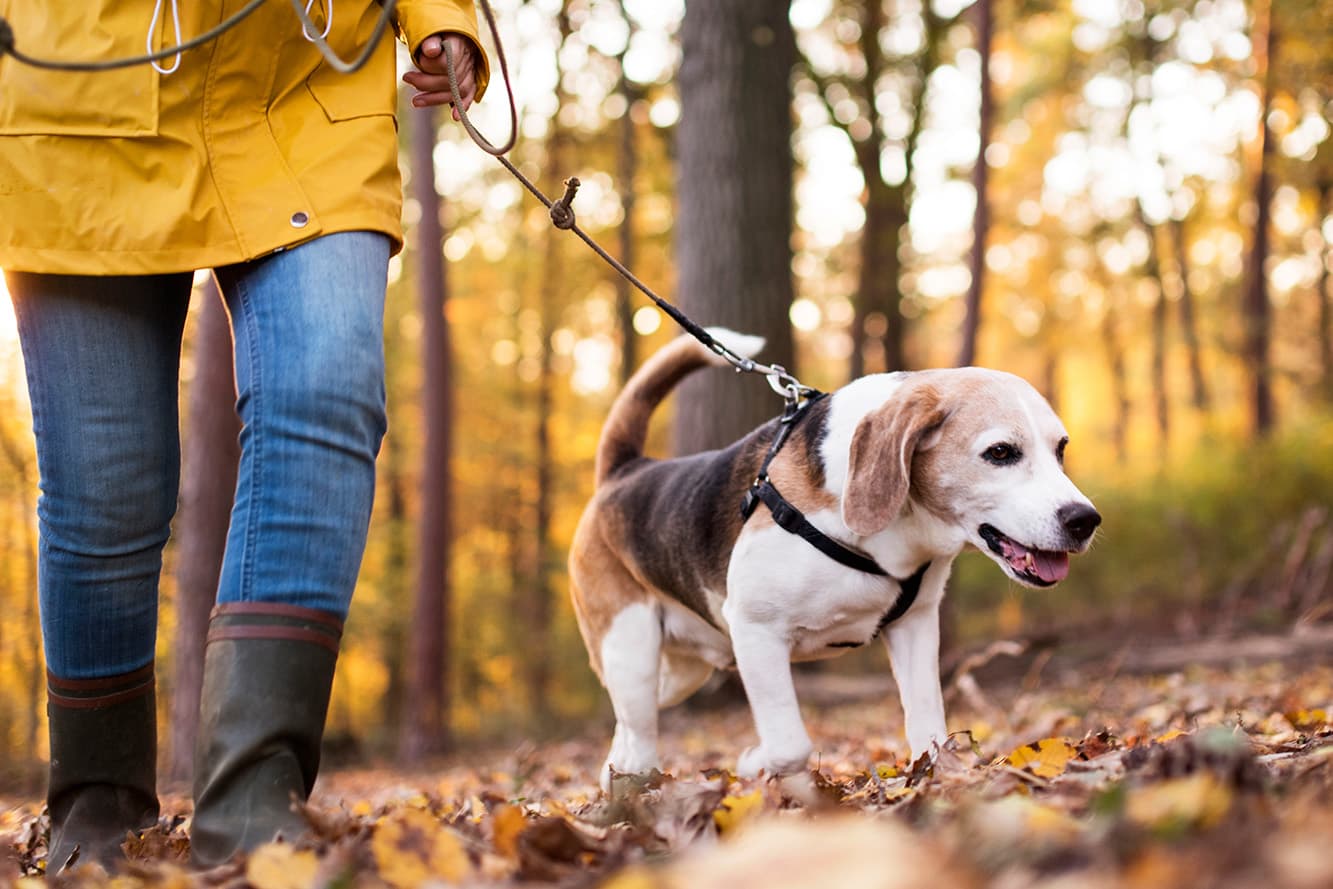
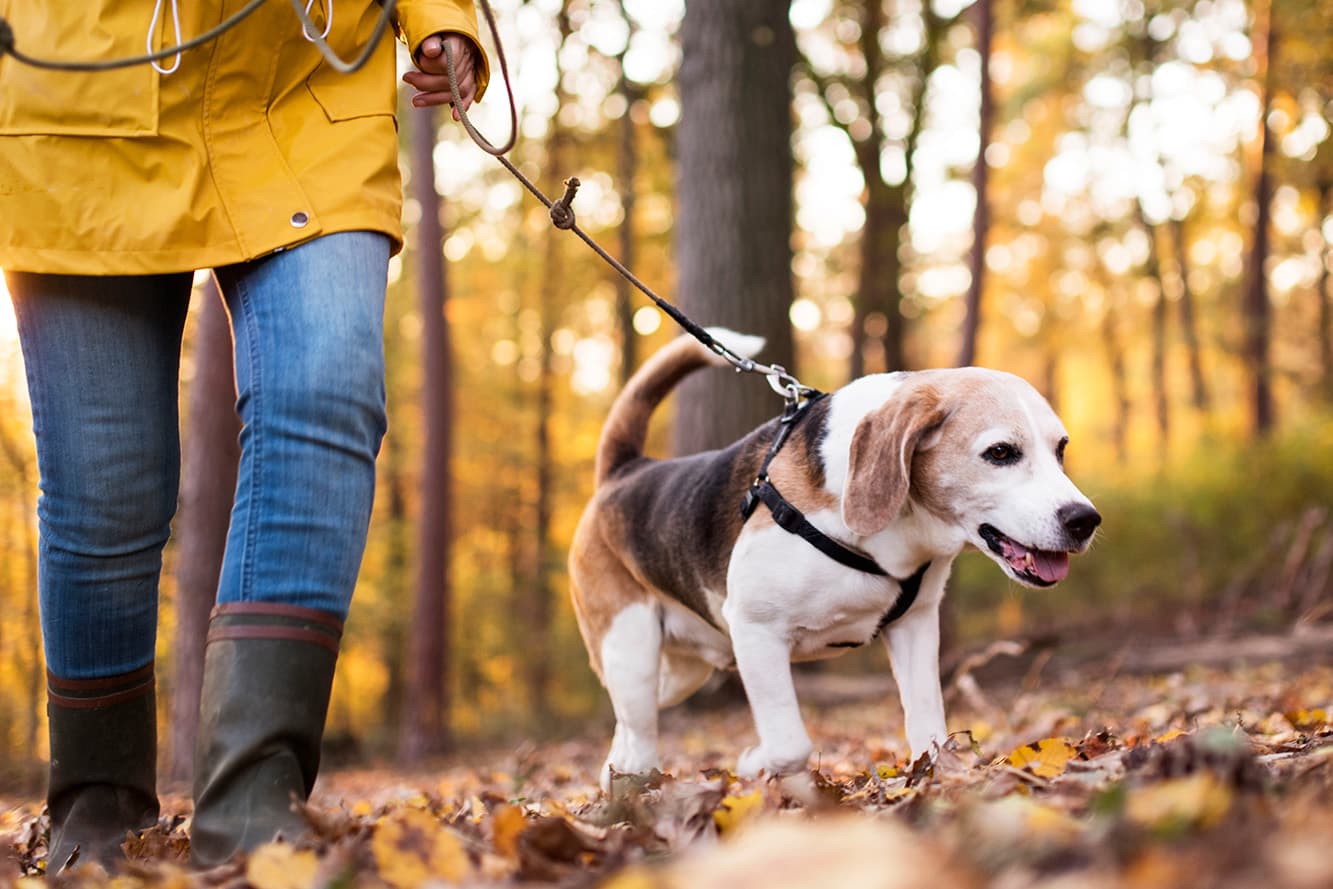
One of the most common problems we encounter is a dog that pulls on the leash.This is extremely annoying behavior on the dog's part, which discourages us from going for walks.By focusing on the result—a taut leash—we often forget the cause of this behavior.
Where to start?
Right from the start, it’s important to determine whether pulling on the leash is due to a lack of training or whether it has already become a behavioral problem.It’s worth paying attention to when your dog pulls on the leash.Is it, for example, the sight of a person or a dog passing by, or perhaps the dog is pulling on the leash the whole walk?.Let’s take a closer look at our walks, because we might be unintentionally overstimulating our dog, which is why he can’t manage his emotions?Observation is the first step, but it’s also worth looking back at history.
If you’ve had a pet since it was a puppy, it’s worth asking yourself what its socialization process looks like.Do we let our dog approach every other dog and every person??
The mistakes of youth
One of the main reasons dogs pull on a leash is improper socialization.When we hear the word "socialization," we often immediately think of meeting every dog or person in the neighborhood, but that's not a good idea.This way, we teach the dog from the very beginning that I am the one holding the leash, rather than an attractive companion on walks.That's why it's important to distinguish between a social worker and a good social workeral.
We often take our dog to clearings, dog parks, and meadows where he can run around with other dogs.Dogs learn by pattern, so when they recognize a route, they run as fast as their legs can carry them, because that’s the only place where they feel free.However, we must remember that we can never be sure whether our pet feels comfortable there.Often, what we think is fun isn't fun at all.Just because a dog pulls us toward another dog doesn’t mean it wants to say hello, and just because they’re wagging their tails doesn’t mean they’re happy.By learning about a dog’s body language and how it communicates, we’ll completely change our perspective!
We correct mistakes but overlook the good things
When we have a puppy, we try to set boundaries for what it’s allowed to do and what it shouldn’t do.We reward outdoor bathroom breaks and overlook accidents.Based on the potty training process, we can apply the same principle when teaching your dog to walk on a loose leash.Babies exhibit a range of desirable behaviors that we do not reward, such as following their caregiver or paying attention.It’s a good idea to encourage this behavior so that our four-legged friend will do it more often!By ignoring them, we achieve the opposite effect.
Inappropriate walking accessories
Few people realize it, but pulling on the leash may be due to the leash being too short!When we walk our dog on a 2-meter leash, we often don’t allow it to explore the area freely.At 2 meters tall, our dog won't get to see much, so he tries to pull us along to see as much as possible.Owners of small dogs often choose this type of leash, but it’s important to remember that small dogs—just like large ones—need to explore their surroundings.There are many long leashes on the market designed to fit your dog’s size—for example, special lightweight carabiners or the material the leash is made of—so it’s worth taking a closer look, because this small change could be the key to success.
Retractable leash or traditional leash
Now that we know that leash length matters, it’s time to ask ourselves whether a retractable leash is a good option.Yes and no.This accessory is convenient for us humans because nothing gets tangled up under our feet.However, from a dog's perspective, to move forward, you have to pull.We don't feel it, but our pet does.That's why, even when the leash is fully extended, the dog keeps pulling.Like any other leash, you just have to get used to it, but at first it might make it harder to learn to walk on a loose leash because it’s always taut.
Anxiety, fear, a lack of security!
If we watch a dog when it pulls on the leash, we may notice that this sometimes happens at specific moments.Sometimes our pet speeds up and bolts when it sees another dog behind the fence.It may also start to speed up when it hears a loud noise.This is a sign to us that the dog is pulling on the leash because it's scared.In this situation, the best thing to do is to let the dog run away from there.And at home, take some time to think about how you can help him in this situation.It’s a good idea to consult a specialist who can develop a personalized plan tailored to your specific issue.
Summary
As we can see, a single problem can have many causes, and the ones listed in the article above are not all of them—they are simply the most common reasons why a dog pulls on the leash.That’s why it’s a good idea to consult a specialist who can evaluate your dog and develop an appropriate plan of action.The wrong method will not only fail to solve the problem, but in extreme cases may even make it worse!
