
Moving a cat into an apartment – how to do it right?
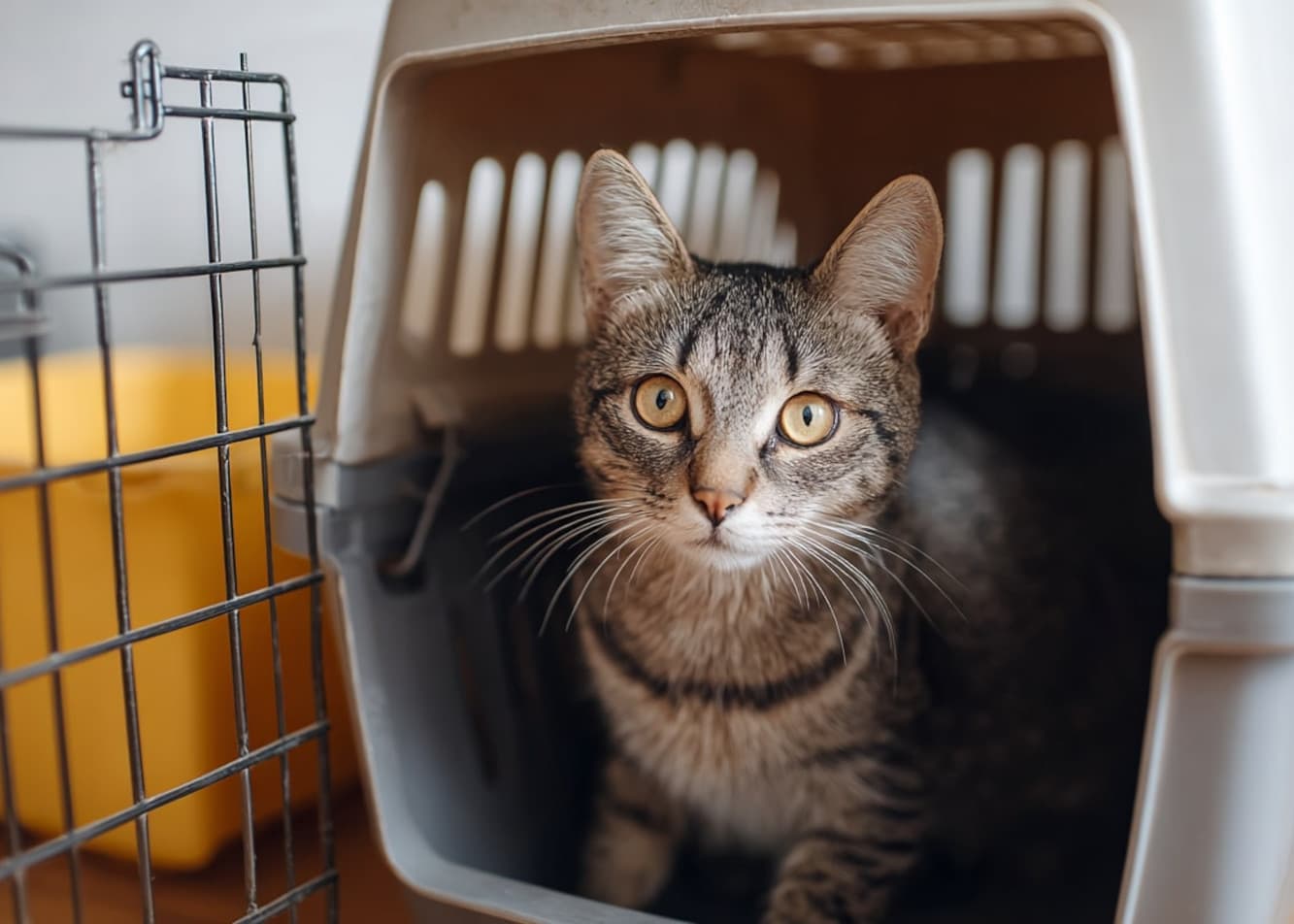
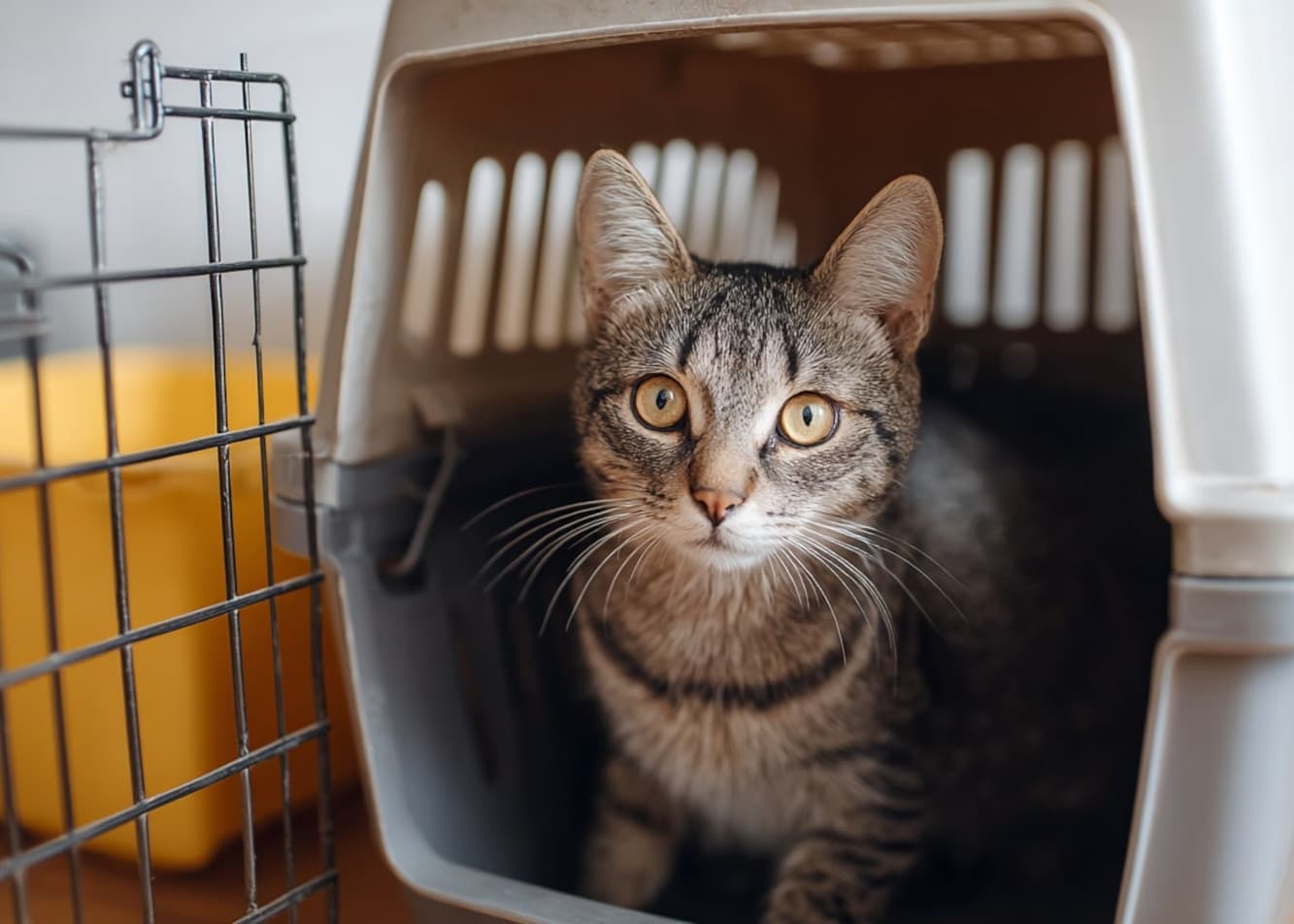
Moving to a new home is a challenge not only for people, but also for pets, which are territorial animals.Unfamiliar sounds, new room layouts, or the presence of neighbors next door can cause temporary anxiety in your pet.That is why moving with a cat should be a well-planned process that takes its behavioral needs into account.
Special preparation is required when planning to move a cat to a city where it has previously been allowed to roam freely.Such a change in environment involves not only a new location but also the potential introduction of new stimuli that may affect your pet’s behavior.
To help your cat feel safe in a new place, it’s a good idea to learn some proven methods for gradually helping it get used to its new surroundings.In this article, you'll find practical tips to help your cat adjust smoothly to life in an apartment building and avoid unnecessary stress.
Table of Contents:
- How to Plan Your Moving Day with a Cat?
- How to prepare a new apartment in a high-rise building for a new cat?
- What to Avoid in the First Few Days After Moving?
- How to help your cat adjust to a new environment?
- How to tell if your cat is having a hard time adjusting to a new environment?
How to Plan Your Moving Day with a Cat?
Moving day should be as calm as possible, especially for a sensitive cat that doesn’t handle noise, unfamiliar smells, and unpredictability well.A few days before packing, it’s a good idea to minimize clutter and chaos at home while maintaining a familiar daily routine—consistent times for feeding, play, and rest help reduce stress and provide a sense of control.It’s also important not to let your cat roam freely, because if it senses anxiety or commotion, it may suddenly disappear and not return for several days!For animals that are more prone to stress, it is also advisable to introduce a mild calming supplement, in consultation with a veterinarian.
On moving day, it’s best to keep your pet in a quiet room with a litter box, food and water bowls, and its favorite toys.Moving a cat to an apartment requires safe transportation, so the pet should travel in a well-ventilated carrier lined with a fabric that has a familiar scent.A calm atmosphere and covering the carrier significantly reduce stress levels and make it easier to cope with this exceptionally challenging situation.
How to prepare a new apartment in a high-rise building for a new cat?
Before you decide to move your cat to a new home, make sure the apartment has all of its familiar items: a scratching post, its favorite armchair or other piece of furniture where the cat likes to relax, blankets and other items that smell like the old home, favorite toys, bowls—even the mat in front of the litter box and the litter box itself must remain “the same”.So if you’re planning to replace your cat’s accessories when you move, wait at least 2–3 months after the move.To start with, the more familiar things there are, the better it is for the cat.
Before bringing your pet into its new home, make sure to put the necessary safety measures in place.High floors and access to open windows and balconies pose a real danger, which is why installing safety nets on windows, balconies, and terraces is an absolute necessity.
Window screens must be installed without exception, regardless of which floor the apartment is on!
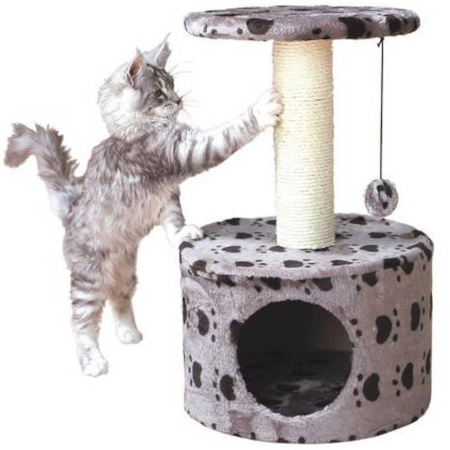
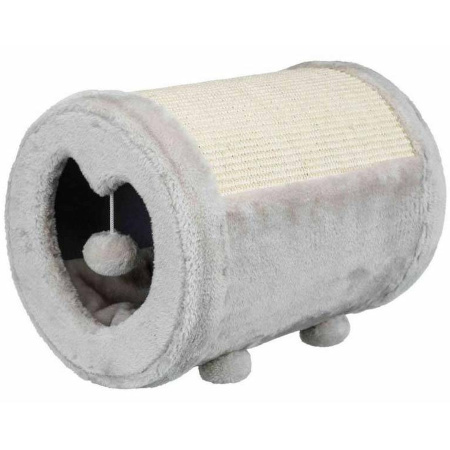
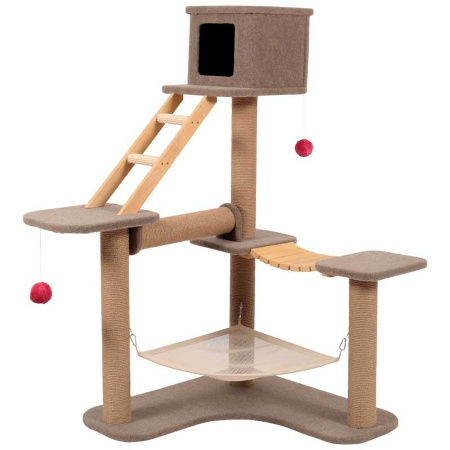
As soon as you arrive at your new home, it’s a good idea to confine your pet to a single room, ideally equipped with a bed, a litter box, food and water bowls, and cat scratching posts , which will help them relieve stress.A cardboard box or a little house where your pet can hide might also come in handy.Gradually expanding the territory, at the animal's own pace, is the best way to ensure a smooth transition. The room should primarily contain the child’s familiar belongings—the scent of familiar objects is soothing and provides a sense of continuity.
What to Avoid in the First Few Days After Moving?
The first few days in a new home are a time when your pet needs peace, stability, and the chance to gradually get used to its surroundings.A cat in a new home should not be forced to explore the space if it does not initiate it on its own—pressure from the owner can increase the cat’s anxiety and prolong the adjustment process.
It’s best to avoid loud noises (especially those associated with finishing up renovation work), major rearrangements of furniture, and inviting guests over, as an overload of stimuli in the early stages can make it difficult for your pet to adjust to its new surroundings.It is equally important to maintain the cat’s current routine (for example, if the cat has been sleeping in your bed, it should be able to do so in the new home as well) and to avoid sudden changes in its diet.Even minor changes can disrupt a sense of security and also have a negative impact on your pet’s health.Limiting contact with other animals—including those outside your front door, windows, or balcony—will help minimize stress levels.
How to help your cat adjust to a new environment?
Moving a cat into an apartment means being suddenly exposed to many unfamiliar stimuli—new smells and sounds—as well as a new environment.At times like these, it is crucial for the caregiver to remain calm and patient, allowing the pet to process its emotions calmly and at its own pace. Even if your pet initially avoids contact or hides for most of the day, you shouldn’t force it to interact.
Daily, gentle play that follows the same routine as before—one carried over from the previous home—can be extremely helpful during the adjustment process.Cat toys like these are great for this, as they help create positive associations with the new environment and strengthen the bond between the pet and its owner.It’s also a good idea to provide observation spots, such as window ledges, tall scratching posts, or beds on the windowsills, as well as quiet nooks that will give your pet a sense of security.
Additional support comes in the form of cat treats , which can be used as rewards for exploring on their own and for positive behavior.By letting your pet settle in at its own pace, you greatly increase the chances of a quick and safe adjustment.


How to tell if your cat is having a hard time adjusting to a new environment?
The anxiety caused by moving a cat to an apartment building can manifest itself in various ways.The most common symptoms include loss of appetite, aggression, hiding, excessive vocalization, and changes in litter box behavior. If these symptoms persist for more than a few days, it’s a good idea to consult a veterinarian or a behaviorist, as prolonged stress can lead to health problems.
Signs to look out for:
- The cat avoids contact with people, even if it used to be friendly;
- Stops eating or using the litter box (even partially);
- The dog licks or scratches itself excessively, which can lead to psychogenic alopecia;
- He vocalizes loudly and at length—mostly at night;
- It seeks shelter in hard-to-reach places and refuses to leave them.
To help alleviate a cat’s stress in a new environment, owners can use products such as synthetic cat pheromone diffusers that plug into an outlet, as well as mild supplements that reduce stress and anxiety, administered with food. In cases of severe stress and adjustment difficulties, however, it may be advisable to consider anti-anxiety or antidepressant medication.However, the choice of medication and its dosage should always be determined by a veterinarian, preferably in consultation with a behaviorist or animal psychologist.
Moving a cat to a new home, while it may seem stressful, doesn't have to be a source of lasting discomfort.All you need to do is understand that cats value routines, consistency, and familiar scents, so any changes should be made with your pet’s needs in mind.A well-prepared home, the owner’s patience, and attention to detail will help your cat settle into its new home faster than you might expect.
A smooth transition is the best gift you can give your cat after moving.Give him time, watch over him with care, and create a new place where he can feel at home again.
Author: M.Biegańska-Hendryk