Maine Coon – Personality, Grooming, and Health. Is this big cat right for you??
If you're looking for a large, sociable cat with a majestic appearance, a Maine Coon might be the perfect choice.This majestic, semi-long-haired animal has an impressive build, is highly intelligent, and has a very sociable disposition.Find out if this gentle member of a large breed is right for you and how best to care for its health and coat.
What is a Maine Coon??Breed description, temperament, grooming, and health
The Maine Coon is one of the most popular breeds of large cats.Although he may look intimidating, at home he usually turns out to be a warm, calm, and friendly companion.These cats thrive in homes with children, often enjoy the company of other pets, and many owners jokingly describe their dog-like nature—Maine Coons love to follow people around, take part in household activities, and don’t like to be left out.
It’s worth remembering, however, that a large size isn’t just a visual advantage—it also comes with specific requirements: from larger accessories to being mindful of joints and heart health.Maine Coons thrive best when their routines are respected, they have the companionship of their owner, and they have space for quiet activities.
Basic information about the Maine Coon breed
- Country of origin: USA
- Body weight: approx..5 kg (females) – 11 kg (males)
- Average life expectancy: usually 12–18 years
- Body type: long, muscular, with a strong bone structure, distinct sexual dimorphism
- Head and eyes: medium-sized head, with angular features and a strong chin; large, oval (not almond-shaped) eyes, set wide apart; all colors are acceptable
- Ears and tail: ears large, set high, with a broad base and desirable “lynx tufts” (a type of brush made of longer hair), tail very long, broad at the base, and bushy
- Coat: medium-length, dense, with a ruff; characteristic tufts of hair between the toes and on the pads
- Fun fact: despite its American roots, this breed is also considered one of Canada’s national breeds.
The History and Origins of the Maine Coon – How Much of It Is Legend??
Cats of this breed have become the subject of many myths.Some speculated about crossbreeds with raccoons or lynxes (which is biologically impossible), while others traced their ancestry back to Norwegian forest cats brought over by the Vikings.The truth, however, is that this semi-longhaired cat is a natural breed—shaped by its environment and natural selection, not by deliberate crossbreeding.
The first representatives of the breed were shown at exhibitions as early as 1860 in New York.The breed was recognized by FIFe in 1983 (code MCO), and it was approved for breeding in Poland in 1997.Since then, the popularity of these cats has continued to grow.
Maine Coon – Appearance and Characteristics
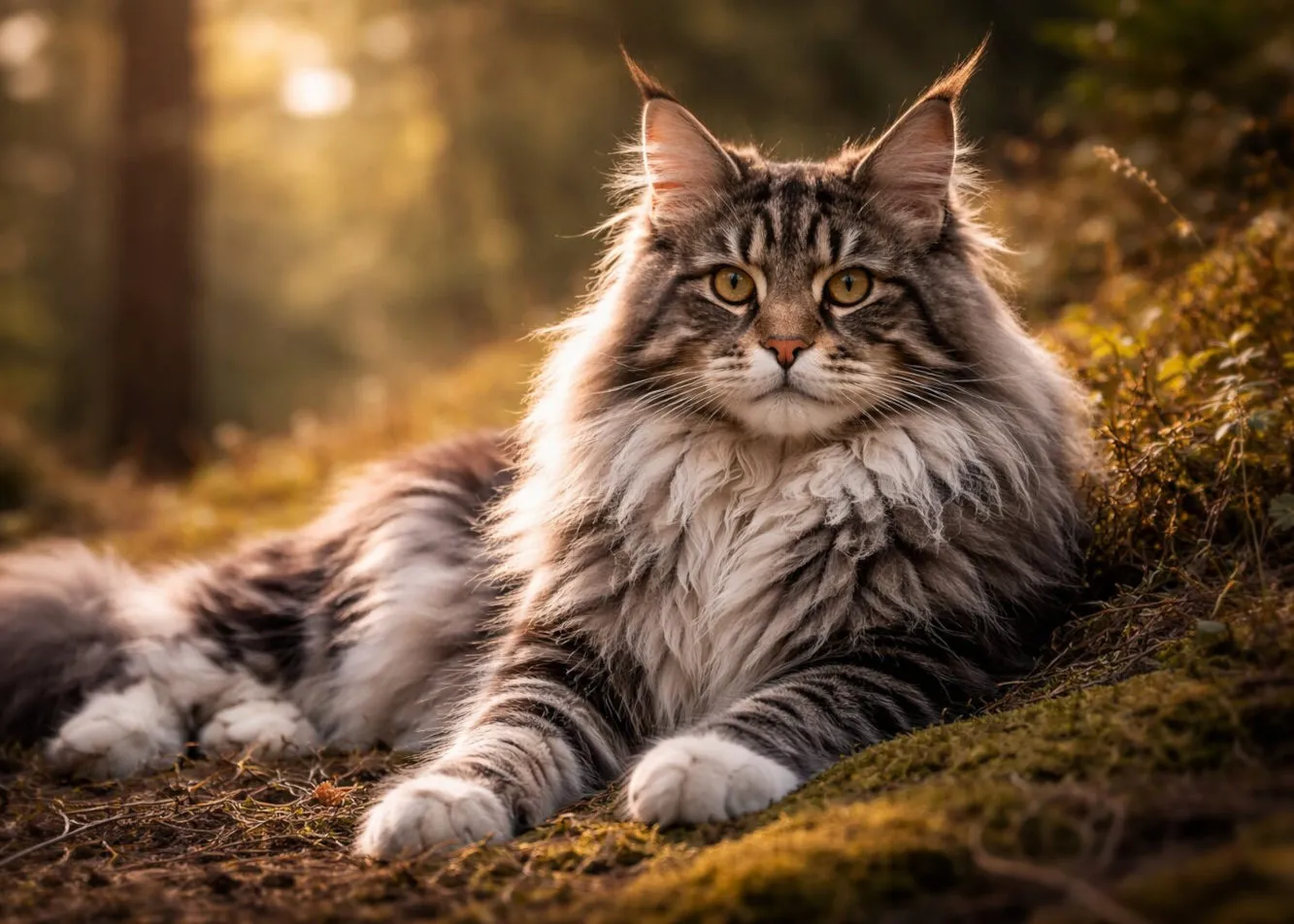
This is a cat that evokes images of wildness and strength, but in a friendly, "domestic" form.Its silhouette is majestic, and its fur makes it look like a fluffy giant.
Body type
The Maine Coon has a long, well-proportioned, well-muscled body.The neck is strong, especially in males.Cats of this breed mature slowly, remaining in a "youthful" stage of growth and weight gain for a long time.
Coat and color
The coat is medium-length and dense, with a distinct ruff around the neck (i.e., longer hair around the neck that resembles a collar) and longer hair on the belly and tail.There are tufts of hair between the toes—you shouldn't trim them, because they serve a protective function.The breed comes in many coat colors, and the exact variations depend on the feline organization.
The Maine Coon's personality and temperament
Maine Coons are most often:
- social and family,
- smart, curious,
- gentle yet confident,
- eager to play and learn,
- communicative (they often "coo" or make "soft" sounds instead of loud meows).
They like to be around people, watch them from above, and sometimes gently get involved in household activities.They love playing with a fishing rod, solving puzzles, using scent mats, and some are learning to fetch.They can be very boisterous when playing—given their size, they might accidentally “bump into” someone, so cat chases require a bit more attention from household members.
Maine Coons, Children, and Other Pets
They usually get along well with children, as long as the children respect the cat's personal space.They often get along just fine with other animals—even dogs—especially if they were socialized from a young age.
How to care for a Maine Coon?Requirements and Care
The Maine Coon's size means it has greater needs in terms of equipment and grooming.
XXL Accessories and Home Decor
It is a good idea to ensure:
- a large litter box,
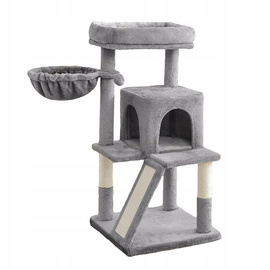
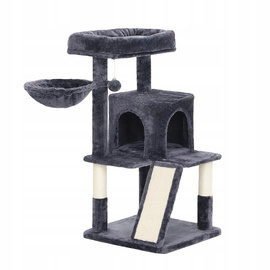
- sturdy, tall scratching post,
- sturdy shelves and cat furniture,
- a larger conveyor,
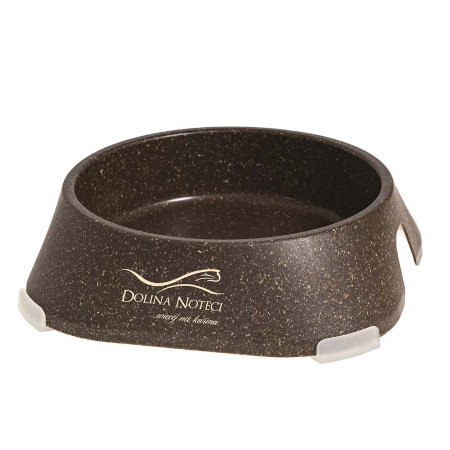
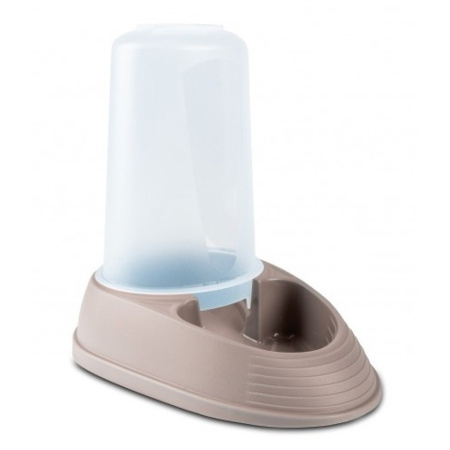
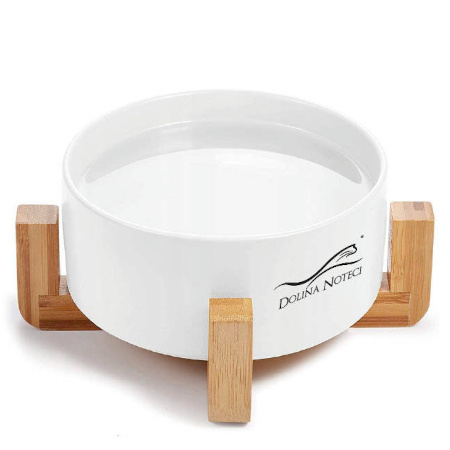
- larger cat bowls (important for cats with large heads).
Maine Coons love vantage points, but you need to make sure the access points are comfortable for them: “steps” and ledges should be placed so that the cat doesn’t have to jump too high, especially when coming down—this protects their joints.
Fur Care
- brushing a few times a week,
- check areas prone to mats (collar, armpits, belly),
- Bathe only when necessary, using products designed for semi-long-haired cats,
- Thoroughly dry your skin after bathing—moist skin promotes skin conditions and fungal infections,
- Do not shave – it damages the hair coat and impairs thermoregulation.
Safety and Exiting
You shouldn't let a Maine Coon out without supervision.Its friendly nature means that the cat may approach strangers and become an easy target for thieves or fall victim to an accident.On the other hand, a well-secured balcony or garden is a great solution—many Maine Coons enjoy spending time there even in the winter.
Maine Coon Health – Common Health Issues
It is a beautiful breed, but unfortunately one with a genetic predisposition.The most commonly mentioned are:
- hypertrophic cardiomyopathy (HCM),
- polycystic kidney disease (PKD),
- spinal muscular atrophy (SMA),
- pyruvate kinase deficiency (PKdef),
- hip and elbow dysplasia (especially in overweight dogs),
- a tendency for the small intestine to form invaginations—often as a result of obstruction.
That is why regular visits to the veterinarian and periodic cardiac and orthopedic checkups are very important.
Feeding a Maine Coon – What Should Be in Their Bowl?
A Maine Coon's diet must include:
- high in meat and well-balanced,
- tailored to age and activity level,
- supporting joints and the heart,
- that helps maintain a healthy weight.
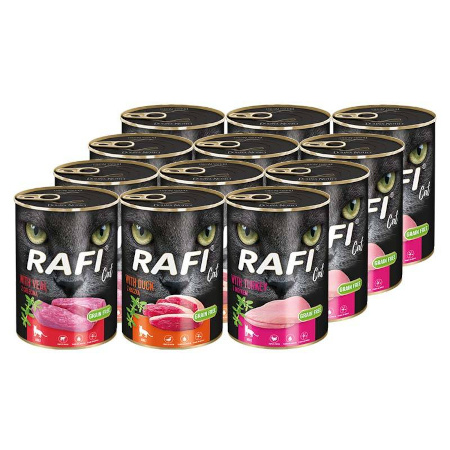
A good choice is high-quality wet cat food .A proper diet also affects the appearance of the coat, reduces shedding, and lowers the risk of matting.
Who is the Maine Coon for??
This is the right choice for people who:
- want a large, sociable cat at home,
- enjoy being close to their pet and spending time together,
- are available for XXL accessories and cat furniture,
- are ready for regular grooming,
- they focus on preventive health care and diet.
A Maine Coon may not be the best choice for someone who is looking for a completely independent cat or who doesn't have the space or time for daily care.
How to Choose a Good Breeder?
A purebred cat should have a multi-generational pedigree and come from a legally operating, ethical cattery.The safest option is to choose catteries that are members of federations affiliated with the World Cat Congress (WCC).This ensures that the kittens are properly socialized and that they will not be placed in a home until they are at least 12 weeks old.week of life.In doing so, you are supporting animal welfare rather than indiscriminate breeding for profit.
FAQ – Frequently Asked Questions About Maine Coons
Is a Maine Coon a good choice for first-time cat owners??
Yes, as long as they are prepared to groom their fur, accommodate their need for more space, and ensure regular health checkups.
Is the Maine Coon a very active cat??
He's usually full of energy when playing, but he also likes to relax.The level of activity depends on the individual.
Do Maine Coons shed a lot??
They may shed their fur seasonally.Regular brushing and a healthy diet significantly reduce the amount of pet hair in the house.
Author: M.Biegańska-Hendryk