
Lack of independence in dogs – causes, symptoms, and consequences
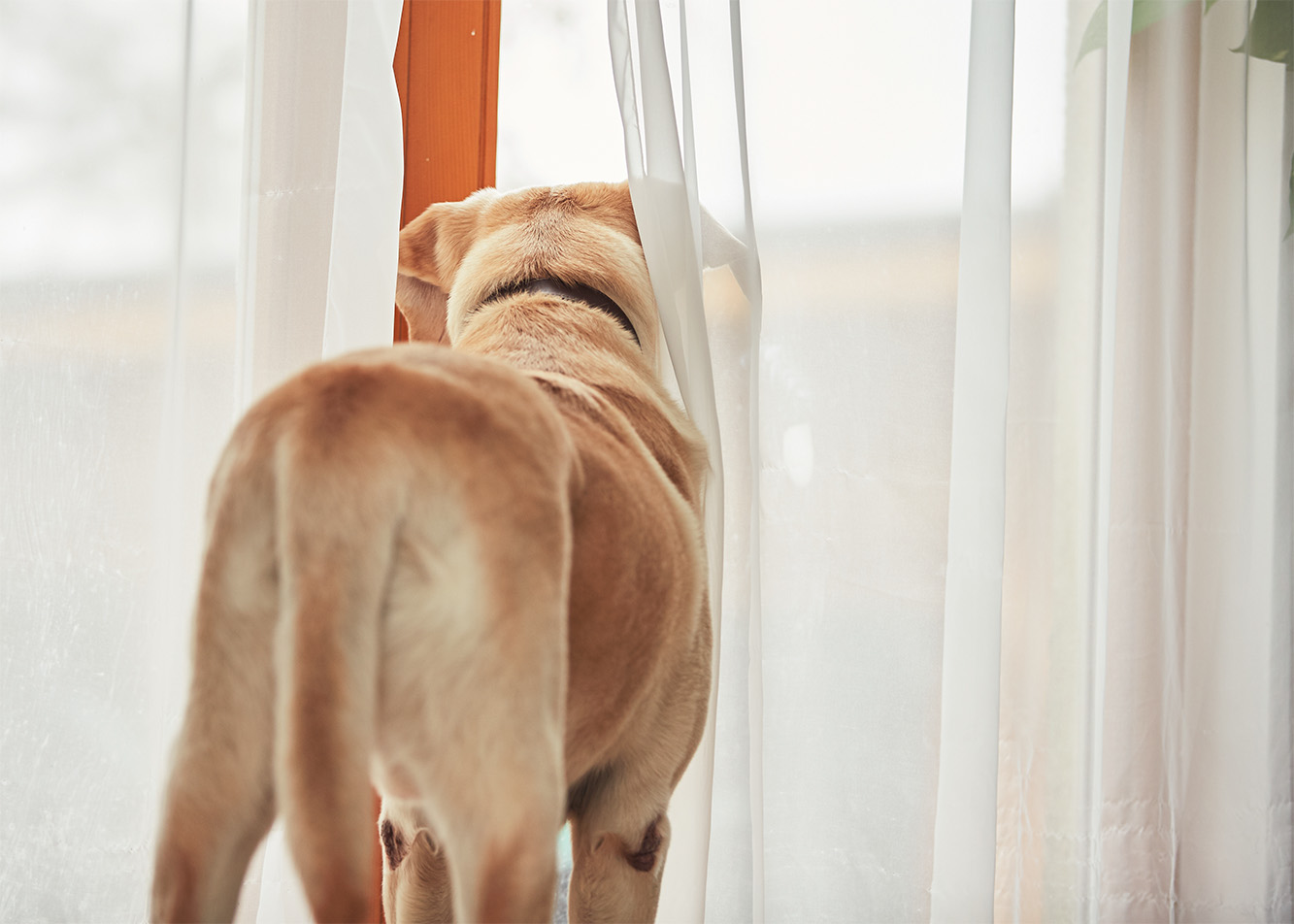
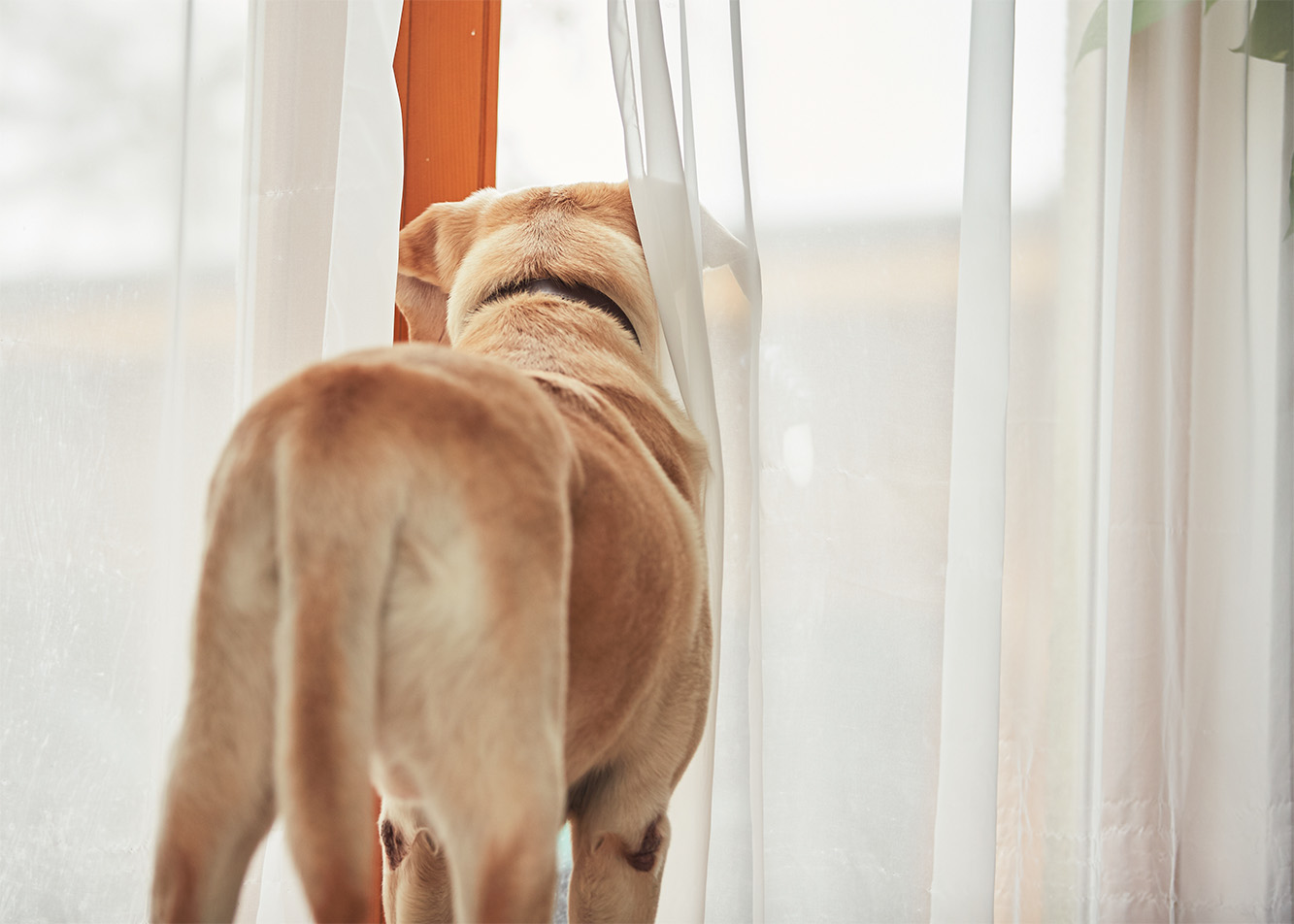
Many pet owners don't realize that their pet may need help developing independence.Although it may seem insignificant at first glance, a lack of independence has a significant impact on a dog’s behavior and well-being.Understanding the causes, symptoms, and potential consequences of this phenomenon allows you to better care for your pet’s well-being and help them build confidence and independence.
Table of Contents:
- Reasons for a lack of independence in dogs
- How a caregiver can exacerbate a dog's lack of independence?
- How does a lack of independence manifest itself in dogs??
- The consequences of a dog's lack of independence
- How to Help Your Dog Become More Independent?
- Exercises and therapies to promote independence in dogs
Reasons for a lack of independence in dogs
A lack of independence in pets is often due to several factors that may overlap:
- An overly strong bond with the caregiver – dogs that are constantly dependent on people and do not have the opportunity to explore their surroundings on their own or take the initiative may become overly emotionally attached.
- Lack of socialization – pets that haven’t had the chance to explore new places, meet new people, or interact with other animals often fear interacting on their own.
- Inappropriate socialization – due to an excess of diverse stimuli introduced in an inappropriate manner, dogs may become fearful or overreact to environmental stimuli.
- Overprotective human care – if a caregiver controls every aspect of a pet’s life, not allowing it to explore the world on its own, the pet will not learn to be independent.
- Exaggerated reactions from the owner and projecting their own fears onto the dog—owners’ emotions have a huge impact on their dogs’ behavior.A person's fearful reactions can reinforce an animal's insecurity and lack of independence.
- Trauma and negative experiences – dogs that have experienced neglect or abuse may have difficulty taking the initiative and developing self-confidence.
- Genetics – some breeds are more prone to becoming dependent on humans, such as herding dogs or companion dogs.However, it is important to remember that herding dogs, although naturally inclined to work with humans, should also be capable of acting independently.
- A lack of knowledge or insufficient awareness on the part of caregivers—such as a lack of understanding of dogs’ natural behaviors, their predispositions, or their individual needs—can lead to an inappropriate approach to training.Breed descriptions on the internet are also often misinterpreted—choosing a pet based on one’s own expectations rather than the breed’s actual characteristics can lead to behavioral issues.
- Social changes affecting people’s lifestyles—increasing social isolation, remote work, and staying at home—mean that dogs spend most of the day in close proximity to their owners.This limits their ability to learn how to function independently and adapt to different situations.
How a caregiver can exacerbate a dog's lack of independence?
Owners often unknowingly contribute to their dog’s excessive dependence by:
- Constantly being with your pet – if a dog is never left alone, it won’t learn to cope on its own.
- Responding to every attempt at contact—immediately petting or responding to every glance or touch from your pet—reinforces its dependence.
- No permission to explore – keeping your pet on a short leash and controlling its every move during walks limits its independence.
- Overprotecting your dog—avoiding situations that might challenge your pet—prevents it from developing self-confidence.
- Solving all of your pet’s problems for them—a caregiver who always helps the animal, for example, by getting a treat or overcoming an obstacle—doesn’t give the animal a chance to cope on its own.
How does a lack of independence manifest itself in dogs??
A lack of independence in pets can be observed through various behaviors, m.in.:
- Excessive seeking of attention from the caregiver – the animal constantly demands physical and emotional contact.
- Reluctance to explore the surroundings – the dog is afraid of new places and does not want to wander off on its own.
- Difficulty making decisions – the animal doesn't know how to react to new situations without guidance from its owner.
- Excessive submissiveness – a lack of self-confidence and a tendency to defer to everyone without any clear reason.
- Problems interacting with other dogs – your dog may show signs of fear, stay close to you, avoid interaction, display submissive behavior, or react nervously when other dogs try to play with them.
- Separation anxiety – restlessness, barking, howling, or destructive behavior when the owner is away.
The consequences of a lack of independence in dogs
An inability to cope with various situations can lead to:
- Increased stress and anxiety – a dog that doesn’t feel confident in itself may exhibit chronic anxiety.
- Behavioral problems—aggression stemming from fear, excessive excitement, destructive behavior, or compulsive licking and biting.
- Difficulty adapting to new situations – a dog may have trouble adjusting to a move, a change in routine, or interaction with other animals.
- Reduced quality of life – a pet that struggles to be independent may experience constant stress, which limits its ability to enjoy play and exploration.
How to Help Your Dog Become More Independent?
If you notice that your dog lacks independence, it’s a good idea to take steps to help him become more confident:
- Gradually increase independence – let your dog explore its surroundings, gradually increasing the distance between you.Importantly, don't get in his way!Please remain calm and quiet.
- Behavioral training – it’s a good idea to consult an experienced behaviorist who can help build your pet’s confidence.
- Enriching the environment – interactive toys, varied walking routes, and training to promote independence.It’s also a good idea to introduce interactive feeding.
- Positive reinforcement training – rewarding your pet for making decisions on its own boosts its confidence and encourages exploration.
- Learning to be alone – separation training will help your pet feel comfortable even when you’re not around.
Exercises and therapies to promote independence in dogs
- Scent games and activities—hiding treats in various spots around the house and outdoors (e.g., in tree bark, on a bench, on a low wall, on boulders)—encourage your dog to explore and make decisions on its own.
- Independent problem-solving – interactive toys and interactive feeding using my method, e.g., serving food from a metal muffin tin – once the dog learns to retrieve food from it, fill the spaces in the mold with food and cover it with a cloth so that the dog can retrieve the food from under the cloth on its own.During these types of exercises, stay with your dog—don’t interfere, but make sure it doesn’t try to eat the cloth.After the training session is over, put the tag and cloth away immediately so that your pet cannot access them.These simple tasks help your dog learn to cope with challenges and boost its confidence.
- Distance command training – gradually increasing the distance between the handler and the dog while giving commands helps build confidence.
- Working with a behaviorist – behavioral therapy can help you develop methods to support your dog’s emotional development.
- Exploratory walks – letting your pet choose its own path during a walk boosts its confidence and curiosity about the world.
- Group classes – interacting with other dogs in a controlled environment helps your dog learn how to socialize without constant human supervision.
- Dog daycare – well-organized daycare for dogs, featuring scheduled activities, promotes socialization and helps build relationships with other dogs.
- A dog hotel—a facility tailored to the needs of your four-legged friend, run by caring owners and trained staff—provides tremendous support in building your dog’s confidence and independence.A prerequisite: experienced staff and suitable living conditions.
- The gradual separation method involves leaving your dog alone at home for short periods of time and gradually increasing the length of time it spends alone, allowing it to gradually get used to being without its owner.
A lack of independence in dogs is not an unsolvable problem.The right approach, patience, and support from the owner help the pet develop the skills necessary for a calm and happy life.If you notice signs of excessive dependence in your pet, it’s important to take appropriate steps as soon as possible to support its emotional and behavioral development.Don't be afraid to seek help from experienced professionals—their support will help you avoid mistakes and significantly reduce the time it takes to train your dog.
Author: Katarzyna Bargiełowska