Is the Tonkinese cat the perfect companion?? Breed characteristics, care, and requirements
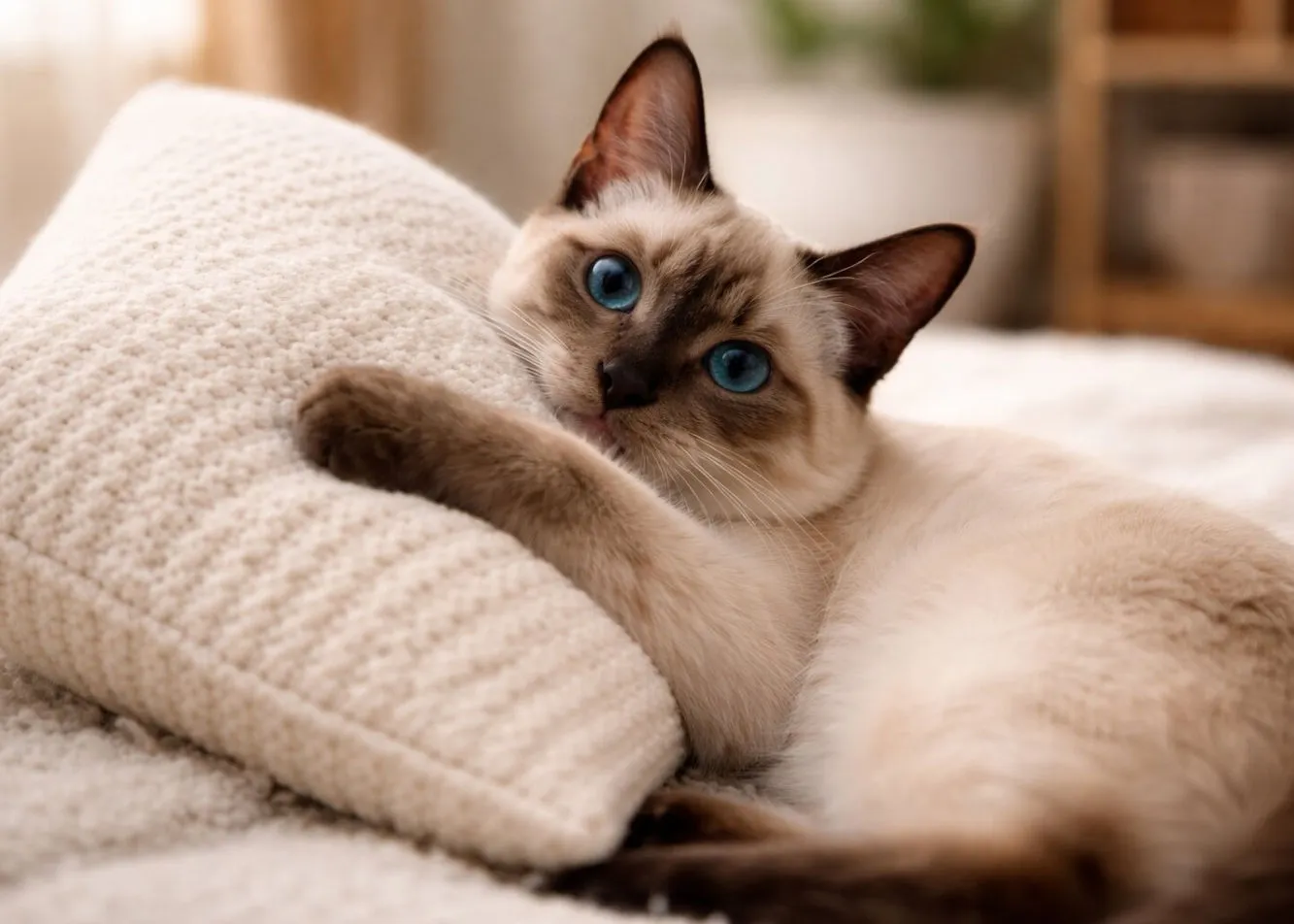
The Tonkinese is a breed developed in the United States through a cross between the Siamese and the Burmese.It stands out for its graceful silhouette, silky fur, and mesmerizing eyes.He is usually very sociable, intelligent, and curious, and he sees his relationship with people as an important part of his daily life.It is worth remembering, however, that behind this gentle disposition lies a strong need for closeness, attention, and appropriate stimulation.
What is a Tonkinese cat??Breed description, temperament, grooming, and health
The Tonkinese cat is best suited for people looking for a sociable pet.This is a breed that enjoys being close to people, being part of their daily lives, and forming strong bonds.However, this is not an overly demanding cat—it adapts well to various conditions, as long as it receives affection and attention.If you're often away from home, you might want to consider getting a second pet, as being alone can be difficult for a Tonkinese cat.
Basic Information About the Tonkinese Breed
- Origin: USA.
- Body weight: approx..3 kg (females) – 5 kg (males).
- Average life expectancy: usually 12–18 years.
- Physical description: medium-sized, muscular, harmoniously combining the characteristics of Siamese and Burmese cats.
- Head and eyes: head slightly wedge-shaped with rounded contours; eyes large, slightly slanted, in a characteristic aquamarine shade (though other colors are also acceptable depending on the coat color).
- Ears and tail: ears large, tilted slightly forward; tail proportional, tapering toward the tip.
- Coat type: short or medium-short, silky, smooth, and close-fitting, without an undercoat.There are three main coat colors:
– mink,
– point,
– solid. - Fun fact: The record for the largest litter (19 kittens) belongs to a Tonkinese cat.
The History and Origins of the Tonkinese Cat
The Tonkinese cat is a breed artificially created by crossing a Siamese cat with a Burmese cat.Initially, it was developed, so to speak, "as a side project" to the development of Burmese breeding, but its distinctive features—especially the eye color—quickly caught the attention of breeders.
It first appeared at exhibitions in the 1960s.in the 20th century, and gained official recognition in the 1970s.Over time, two types emerged: the American type (stockier, with a rounder head) and the English type (slenderer, with a more oriental appearance).
The Tonkinese Cat – Appearance and Characteristics
This breed has a very well-proportioned build—neither as slender as the Siamese nor as stocky as the Burmese.It combines elegance and strength, giving the impression of a well-proportioned and agile cat.
Body type
The Tonkinese cat is muscular, yet light and agile.It’s very active—it jumps, climbs, and loves to explore its surroundings, though it’s usually not quite as “wild” as typical Oriental breeds.
Coat and color
Tonkijski fur is short, smooth, and very soft to the touch.The lack of an undercoat means that the fur lies close to the body and is easy to groom.
Characteristics of coat colors:
– mink – the most distinctive, with subtle contrast and aquamarine eyes,
– point – with a more pronounced contrast, as in Siamese cats,
– solid – a uniform coat color resembling a burmese.
The personality and temperament of the Tonkinese cat
Tonkinese cats are most often:
- very sociable and very attached to their owner,
- balanced, yet curious,
- intelligent and eager to learn,
- communicative, though less "chatty" than Siamese cats,
- bold, but not impulsive.
This is a cat that enjoys being part of family life but isn't overly demanding.Many people describe it as the "happy medium" between the active Siamese and the calmer Burmese.
The Tonkinese Cat and Children and Other Pets
It usually does very well in families with children and in homes with other pets.He is gentle, patient, and eager to form bonds—both with people and with other pets.However, proper socialization and providing him with a safe space are key.
How to care for a Tonkinese cat?Requirements and Care
Caring for a Tonkinese cat is relatively simple, but it requires consistency.Proper care of your cat’s skin and coat is essential , as it helps keep their fur in good condition and supports your pet’s overall health.
Home life and activities should include:
- scratching posts and climbing structures,
- interactive toys,
- a daily dose of fun and interaction with a caregiver.
Coat care and hygiene include:
- regular but not too frequent brushing (the coat does not tend to mat),
- ear checks and cleaning as needed,
- clipping nails,
- an occasional eye exam.
The Health of the Tonkinese Cat – Common Health Issues
Although the breed is considered relatively healthy, the following conditions may occur:
- hypertrophic cardiomyopathy (HCM),
- progressive retinal atrophy (PRA),
- amyloidosis,
- dental problems,
- gastrointestinal diseases (including IBD),
- upper respiratory tract infections in young individuals.
Regular visits to the veterinarian and choosing a reputable breeder are crucial.
Feeding a Tonkinese cat
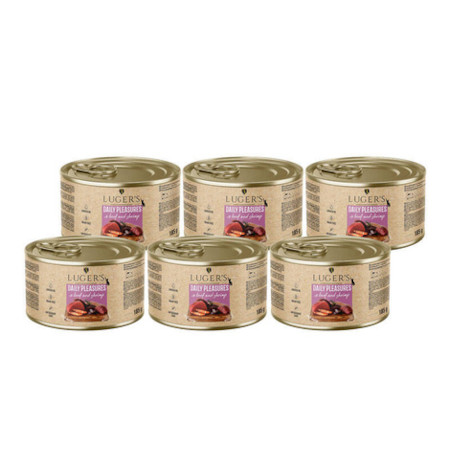
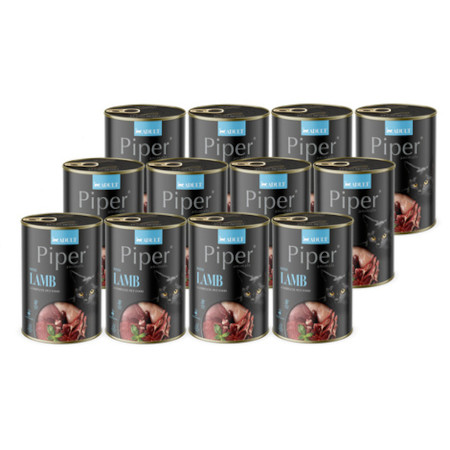
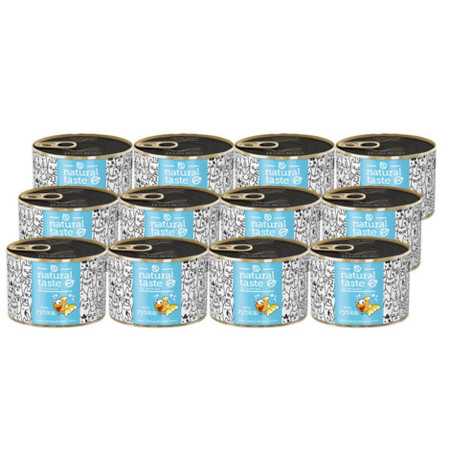
Wet cat food, which is rich in high-quality animal protein and properly balanced in terms of fat content, should play an important role in a Tonkinese cat’s diet.A single-protein diet also works well for cats prone to digestive issues.
Who is the Tonkinese cat for??
This is a good choice for people who:
- They want a sociable cat, but not one that’s too demanding,
- have time for daily interaction,
- are looking for a smart and adaptable pet.
It may not be the best choice for people who often leave their cat alone for long periods of time.
How to Choose a Good Breeder?
A purebred cat should come from a legitimate, ethical cattery and have a multi-generational pedigree.It is best to choose breeders who are members of organizations affiliated with the World Cat Congress (WCC).This provides greater assurance regarding the kittens’ health, socialization, and the conditions in which they are raised.
FAQ - frequently asked questions
Is the Tonkinese cat active??
Yes, but usually in moderation—he likes to have fun, but he also knows how to relax.
Does the Tonkinese cat like to be alone??
No—it’s a sociable breed that prefers the company of people or other animals.
Is this breed difficult to care for??
No—its short coat is easy to maintain and doesn't require intensive grooming.
Recommended
Dolina Noteci Superfood Wet Cat Food with Beef, Pheasant, and Coconut: Pâté & Filet, 12-pack (185 g each)
Wet cat food for spayed cats: duck with guinea fowl and goji berries Dolina Noteci Superfood Pâté & Filet, 12-pack (185 g each)
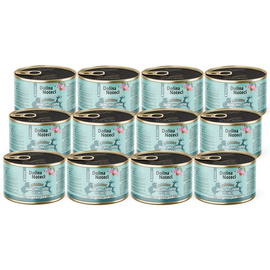
Dolina Noteci Superfood Wet Cat Food for Spayed Cats: Lamb with Venison and Echinacea, Pâté & Filet, 12-Pack (185 g each)