
Is an Exotic Persian a good choice?? Health, needs, and the realities of living with this breed
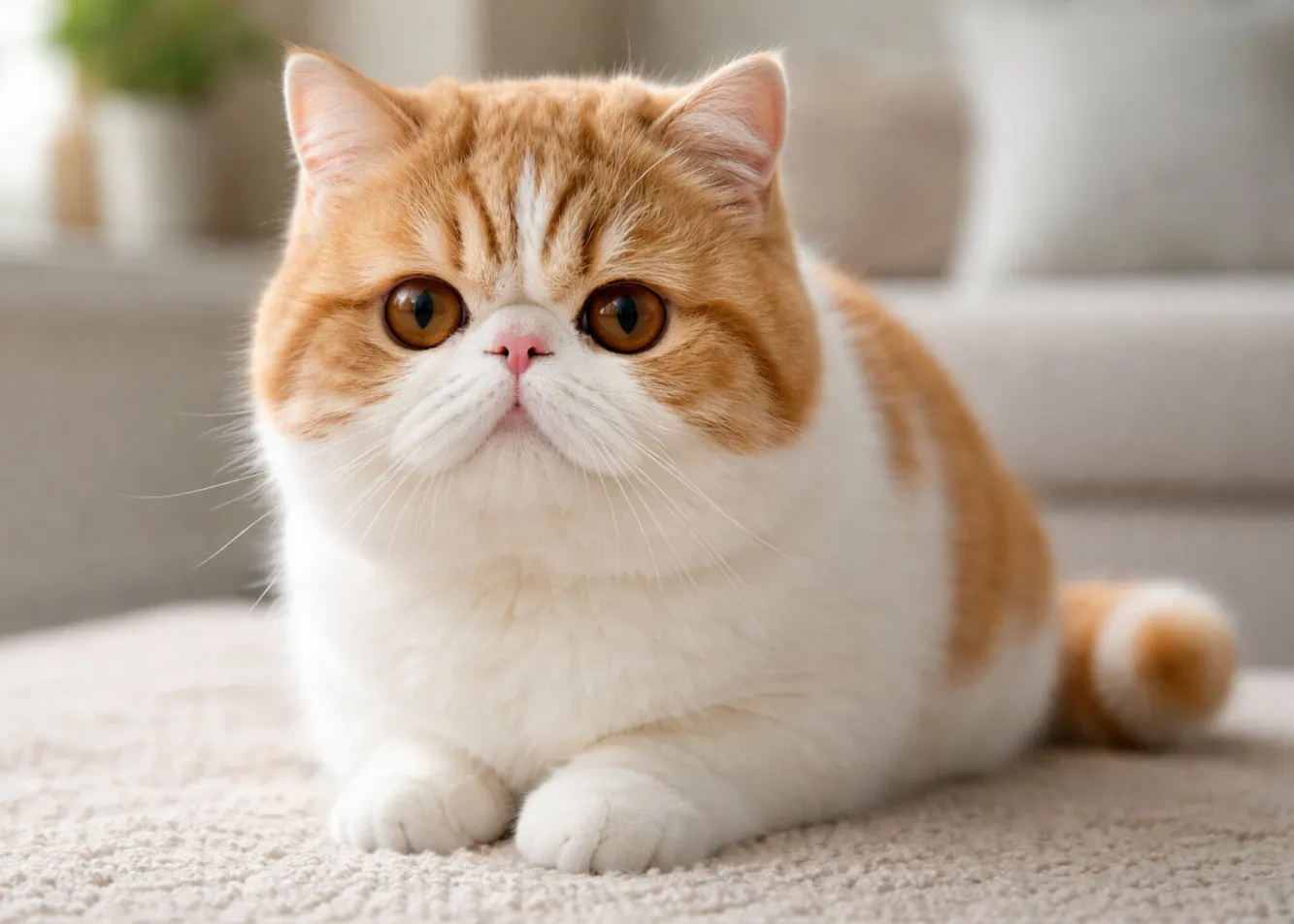
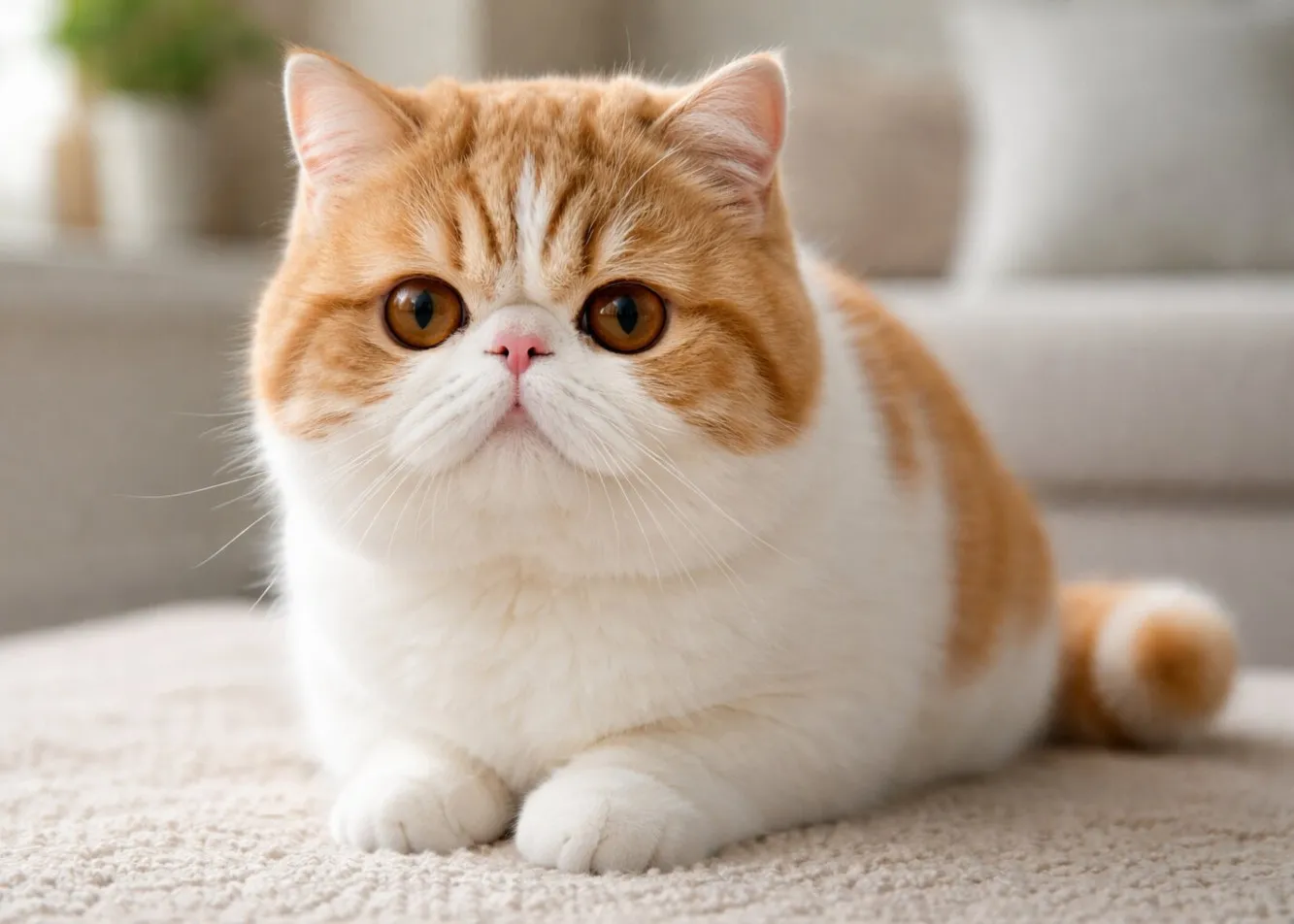
The Exotic Shorthair (Exotic Persian) is a breed developed through selective breeding; it is a shorthaired variety of the Persian cat.It retains nearly all the physical characteristics of its long-haired ancestor—including a flat muzzle and a stocky build—while having shorter fur.Although it is sometimes seen as an “easier-to-care-for Persian,” in practice it is a cat prone to numerous health problems, often even more serious than those found in classic Persians.
What is an exotic Persian??Breed characteristics, care, and health
The Exotic Persian is a completely artificial breed, developed in the United States in the 20th century.Its popularity stems mainly from its appearance—its large, round eyes, stocky build, and "plush" fur.Unfortunately, these characteristics are inextricably linked to a brachycephalic skull structure—that is, an anatomical shortening and flattening of the muzzle—which leads to narrowing of the airways and significantly affects the animal’s health and daily quality of life.
Basic information about the Exotic Persian breed
- Country of origin: USA
- Body weight: approx..3 kg (females) – 6 kg (males)
- Average lifespan: usually 12–15 years
- Build: stocky, massive, squat
- Head and eyes: head large, round; eyes very large, round, set wide apart, in a color matching the coat
- Nose: very short, often pathologically receded
- Ears and tail: small, low-set ears; short, thick, rounded tail
- Coat: short, very dense, soft, and "standing away" from the body
- Fun fact: A fictional representative of this breed is Garfield—the star of many comic strips and animated films.
The Origin and Development of the Breed
The Exotic Persian was developed in the 1960s.in the 20th century in the United States as a result of crossbreeding Persian cats with American Shorthairs.The breeders' goal was to preserve the Persian's appearance while shortening the coat, which was intended to reduce the time-consuming grooming required.
The breed was officially recognized in 1966, and in the 1980s.it has also gained popularity in Europe.Over time, however, increasing attention began to be paid to the scale of the health problems associated with its design.As a result, some European countries, such as Germany, Austria, the Netherlands, and Switzerland, are imposing restrictions or bans on the breeding and ownership of cats of this breed.
The personality and temperament of the Exotic Persian
In terms of temperament, the Exotic Persian closely resembles the long-haired Persian cat:
- he is calm and gentle,
- forms a strong bond with its caregiver,
- enjoys being petted and interacting with people,
- he is usually "reserved" and unobtrusive.
He loves to play, especially in short sessions that mimic hunting, after which he quickly settles down to rest.It gets along well with other animals, including dogs, and adapts relatively easily to new surroundings, as long as it isn't left alone for long periods of time.
How to care for an Exotic Persian?Requirements and Care
Activity and Space
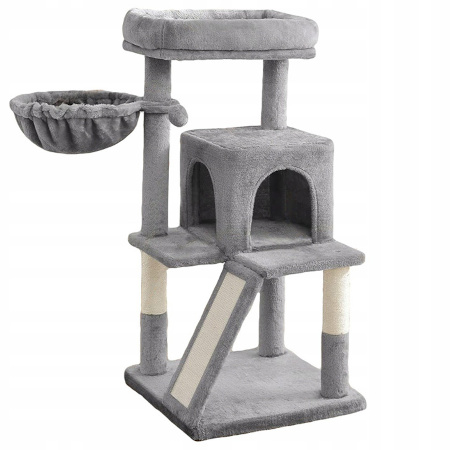
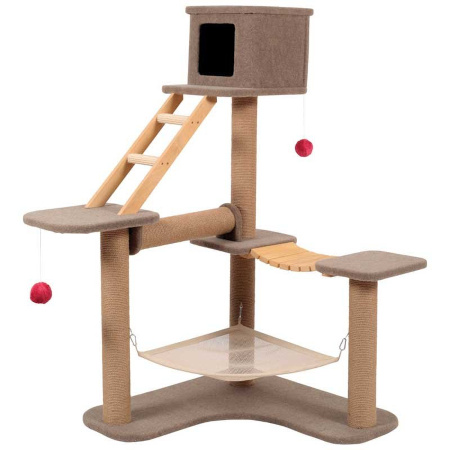
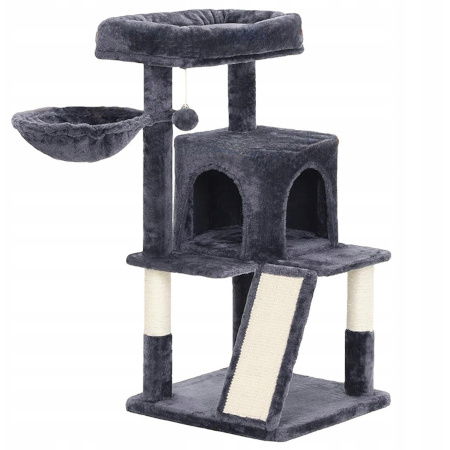
Exotics are cats with low or moderate activity levels.They don't need elaborate cat towers, but they'll appreciate:
- stable scratching post,
- shelves or higher shelters,
- quiet, cooler places to rest.
Due to breathing difficulties, they should not be exposed to strenuous physical activity or high temperatures.
Basic care
- Regular brushing of short, dense fur (especially during shedding seasons),
- daily care of the eyes and nose due to constant tearing,
- assessment of the condition of the nostrils – in some cases, surgical procedures are necessary to improve airway patency.
Nutrition
The following is recommended:
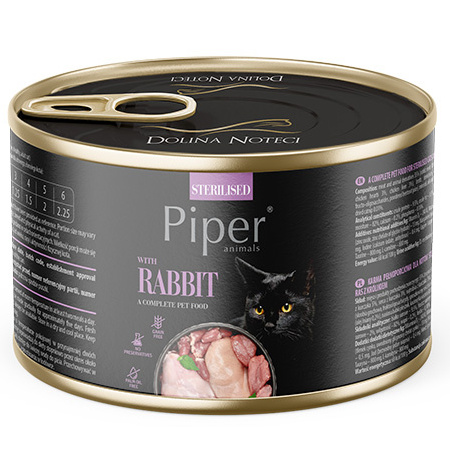
- A high-protein diet; wet cat food is the best option ,
- the presence of omega-3 fatty acids,
- raised bowls, designed to make eating easier for dogs with shortened muzzles.

Health of Exotic Persians – Common Health Issues
The Exotic Persian is one of the breeds with the most health issues.The most common problems include:
- PKD (polycystic kidney disease),
- HCM (hypertrophic cardiomyopathy),
- brachycephalic airway syndrome,
- eye diseases (corneal sequestration, retinal atrophy),
- hip dysplasia,
- patellar dislocations,
- lower urinary tract diseases,
- skin and periodontal diseases,
- problems with thermoregulation.
Many of these conditions are chronic and require ongoing veterinary care.
Who (doesn't) the exotic parrot suit??
This breed is not recommended for people who:
- for those looking for a low-maintenance cat,
- not ready for regular visits to the veterinarian,
- who don't have time for daily skincare,
- looking for a very active cat.
Remember!
A purebred cat should have a multi-generational pedigree and come from a licensed cattery affiliated with federations belonging to the World Cat Congress (WCC).Otherwise, there is a risk of supporting practices that are contrary to animal welfare.
FAQ – Frequently Asked Questions About This Breed
Is the Exotic Persian suitable for first-time owners??
Usually not.This breed requires experience, a great deal of attention, and a commitment to providing intensive health care.
Do Exotic Persians shed a lot??
Yes.Although their coat is short, they shed heavily, especially during certain seasons, so regular brushing is necessary.
Do Exotic Persians like company??
Yes.This cat forms a strong bond with its owner and does not handle being left alone for long periods of time well.
Recommended

Dolina Noteci Wet Cat Food: Premium Rabbit Meal (Set of 10 x 85 g) + Free 85 g Tuna Meal

Luger's Daily Pleasures Sterilised Wet Cat Food with Beef and Chicken Hearts, 6x400 g Set

Dolina Noteci Premium Wet Cat Food Rich in Turkey, 12-Pack (400 g each)