Is a Ragdoll the right cat for you?? Temperament, Grooming, and Health of the Breed
Meet the Ragdoll breed—a gentle, family-friendly cat with a distinctive appearance and an exceptionally sociable disposition.See if this gentle giant of a cat would make the perfect companion for you!
What is a Ragdoll??Breed description, temperament, grooming, and health
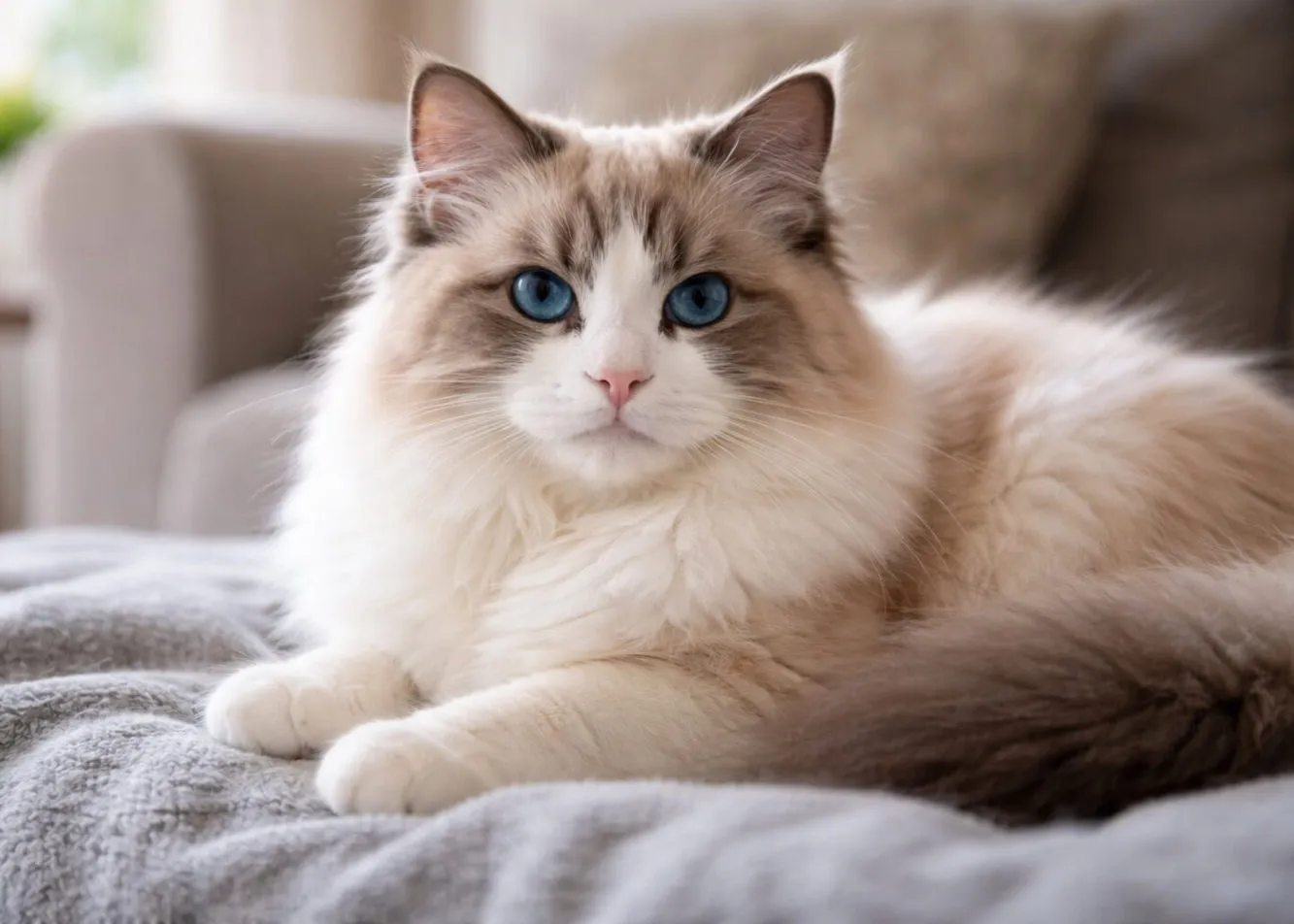
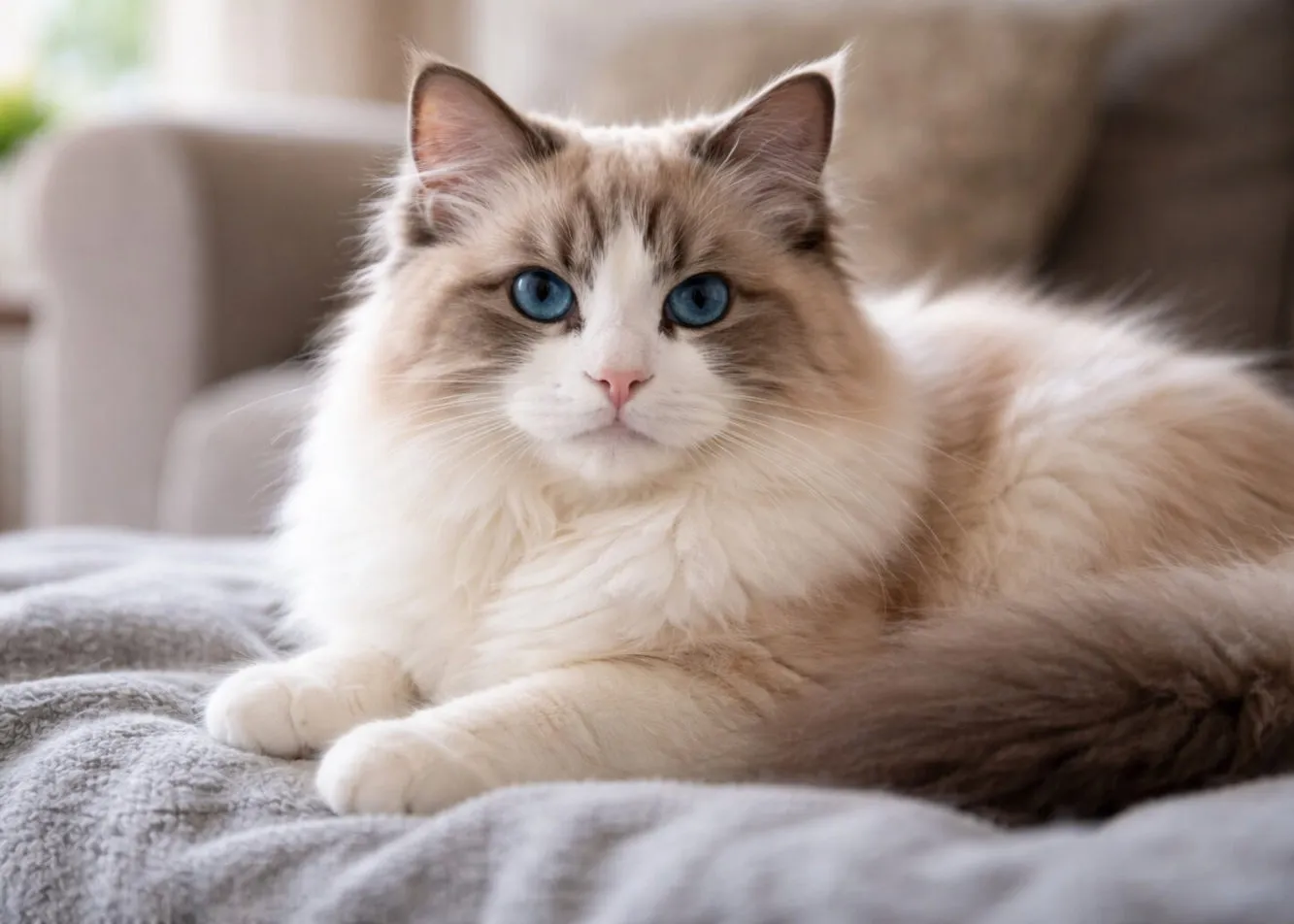
The Ragdoll is one of the most recognizable semi-long-haired cat breeds.The name means “rag doll,” and it didn’t come out of nowhere: when picked up by a human, the animal relaxes its muscles, lets its guard down, and becomes exceptionally docile compared to other breeds.These are cats that often seek affection; they usually do well in families with children and can also be excellent candidates for feline-assisted therapy.
It’s worth remembering, however, that even the most “docile” cat has its own temperament and limits.A Ragdoll isn't a pet—the best relationship is always built on calm interaction, routine, and respect for the cat's needs.
Basic information about the Ragdoll breed
- Country of origin: USA
- Body weight: approx..3.5 kg (females) – 10 kg (males)
- Average lifespan: usually 12–17 years, and with good care, up to about.19 years old
- Physical description: large, sturdy, long and muscular body, medium-length legs, short neck
- Head and eyes: large, wedge-shaped head; large, oval eyes set wide apart, usually blue
- Ears and tail: medium-sized ears with rounded tips; long, bushy tail
- Coat: medium-length, dense, with a ruff and longer hair on the chest and belly
The History and Origins of the Ragdoll – Where Did This Breed Come From??
The Ragdoll breed dates back to the 1960s.20th century in California.A Persian cat breeder decided to create a new breed with a calm temperament and striking appearance.She crossed a semi-wild female cat resembling a Turkish Angora with a Burmese male, and subsequent litters were also crossed with other breeds (most likely Persian, Burmese, and Burmese).This is how the gene pool of modern Ragdolls came to be.
The breed was registered in the United States in 1965 and in the United Kingdom in 1983.Today, Ragdolls are popular all over the world—including in Poland—mainly because of their even temperament and exceptional beauty.
Ragdoll – Appearance and Characteristics
The Ragdoll is a large cat with a gentle, almost plush appearance.Unlike many breeds of similar size, it doesn't look "wild"—its appearance is more associated with gentleness and calmness.
The Ragdoll's physique
This is a species with pronounced sexual dimorphism: males are often significantly larger and more robust than females.The body is long and stocky, with well-developed muscles.Ragdolls mature slowly—both in terms of weight and coat color.
Ragdoll coat and color
The medium-length coat is dense, but generally less prone to matting than that of many other long-haired breeds.A distinct ruff—the fur around the neck—adds to a cat’s elegance.Ragdolls come in many coat colors, and which ones are recognized depends on the cat breed organization.What they all have in common are the basic colors (m.in.(seal, blue, chocolate, lilac, red/cream, and tortie) and two main types of white: mitted and bicolor, sometimes with a van variant.Some organizations also allow additional patterns (e.g., lynx, silver/smoke) and other colorpoint or solid varieties that are not yet officially recognized everywhere.Interestingly, kittens are born white, and the first signs of their future coat color usually appear between 2.and 8.week of life.The coloring process usually lasts until around 3.year old.
The Ragdoll's personality and temperament – is it really the "perfect cat"??
They are most often described as cats:
- peaceful, balanced, and quiet,
- attached to their caregivers,
- designed for human interaction and affection,
- curious about the world, but not pushy.
Ragdolls like to be close to people—they often follow their owners around, sleep in bed, and “take part” in daily life.He usually handles visitors and new situations well, as long as he feels safe.Ragdolls don't need constant attention, but they don't do well when left alone for long periods—they're happiest when their owner is nearby.
Ragdolls and Children and Other Pets
When properly socialized, the Ragdoll is patient and gentle, which is why it is often chosen by families with children.However, it’s important to teach children to respect a cat’s personal space: even the gentlest cat can get fed up with loud noises or overly tight hugs.He usually gets along well with other animals, especially if he was socialized with them from a young age.
How to care for a Ragdoll?Requirements and Care
The Ragdoll isn't a particularly high-maintenance breed, but it does have a few specific needs.
Fur Care
- regular brushing (several times a week),
- occasional dusting or a gentle bath, if the fur requires it,
- Check areas prone to mats: armpits, belly, neckline.
Home conditions
Ragdolls like comfort and peace and quiet.It’s a good idea to provide him with:
- soft beds and resting spots,
- safe havens where he can unwind,
- scratching posts and shelves/cat furniture – the myth of the “floor cat” isn’t always true; many Ragdolls love to watch the house from above.
Ragdoll Health – Common Health Issues
Like most breeds, the Ragdoll has certain genetic predispositions.The most commonly cited diseases include:
- hypertrophic cardiomyopathy (HCM),
- polycystic kidney disease (PKD),
- myopia and retinal detachment,
- muscular dystrophy.
In addition, Ragdolls may be prone to joint problems (especially if they are overweight) as well as dental and periodontal diseases.Regular visits to the veterinarian and checkups significantly increase your cat’s chances of a long, healthy life.
Ragdoll Nutrition – How to Feed a Ragdoll Cat?
A Ragdoll's diet should be high in meat, well-balanced, and tailored to its age and activity level.Some cats tend to gain weight, so it’s a good idea to monitor their weight and avoid giving them snacks between meals.A consistent feeding schedule works well, as does high-quality cat food that is suitable for large-breed cats.
Who is the Ragdoll for??
This is a great choice for people who:
- They want a calm and friendly cat,
- enjoy close contact with animals,
- have time to groom and care for their fur every day,
- They're looking for a family cat, not a loner.
A Ragdoll may not be the right choice for someone who travels frequently, works long hours away from home, and leaves the cat alone for hours at a time, or who is looking for a completely independent pet.
How to Choose a Good Breeder?
A purebred cat should have a multi-generational pedigree and come from a legally operating, ethical cattery.It is safest to choose breeders affiliated with federations that are members of the World Cat Congress (WCC)—this increases the likelihood that the kitten has been properly socialized and will not be placed in a new home until at least 12 weeks of age.week of life.By doing so, you are supporting animal welfare rather than random or unethical breeding.
FAQ – Frequently Asked Questions About Ragdolls
Is a Ragdoll a good choice for first-time cat owners??
Usually, yes.This is a gentle and predictable breed, though it requires regular grooming and human interaction.
Is the Ragdoll a less active cat??
He's pretty laid-back, but he likes to have fun.Activity levels vary from cat to cat—many Ragdolls love to chase a fishing rod or learn simple tricks.
Do Ragdolls shed a lot??
It may shed seasonally, but regular brushing goes a long way toward reducing the problem.
Author: Małgorzata Biegańska and Henryk
Recommended