Is a Persian cat a good choice?? Temperament, Grooming, and Health Issues of the Breed
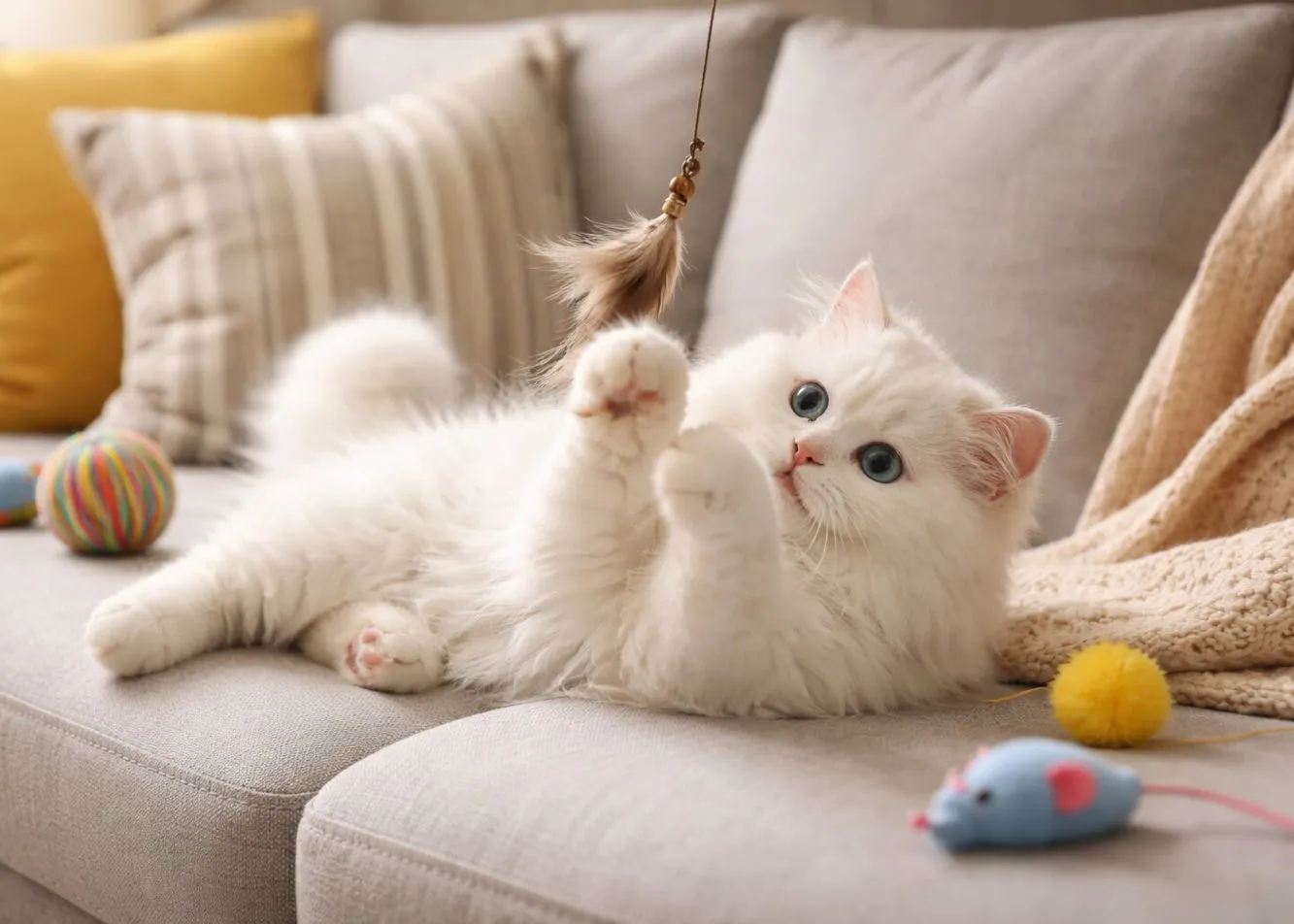
The Persian cat is one of the oldest and most recognizable domestic cat breeds.It is distinguished by its long, thick coat and characteristic flat muzzle, which has become the hallmark of modern Persians.At the same time, this breed is becoming increasingly controversial—among both veterinarians and animal welfare organizations—due to the numerous health issues stemming from its anatomical structure.Find out what a Persian cat is like, what its needs are, and why breeding them raises so many ethical concerns.
What is a Persian cat??Breed characteristics, care, and health
Persian cats—along with Himalayan cats—belong to a small group of long-haired breeds (other breeds with longer coats are classified as semi-long-haired).Their appearance is the result of many years of intensive selective breeding, which has led to the development of very specific anatomical features, including a brachycephalic skull structure.
It is precisely these characteristics that make it so that in many European countries (m.in.In Austria, Germany, the Netherlands, and Switzerland, bans on breeding Persian cats have been implemented or are under consideration, as the practice is deemed inconsistent with animal welfare principles.
Basic Information About the Persian Cat Breed
- Country of origin: Iran (Persia) or Turkey
- Body weight: approx..2.5 kg (females) – 6 kg (males)
- Average lifespan: usually 12–15 years (on average about.(12.5 years)
- Build: stocky, compact, with a deep chest
- Head and eyes: large, broad head; prominent forehead; full cheeks; receding nose; large, round eyes set wide apart (usually orange or blue; heterochromia is possible)
- Ears and tail: small, low-set ears with tufts of fur; fluffy, rather short tail
- Fur: long (on average approx..10 cm), with an undercoat and guard hairs, a distinct ruff (longer, dense hair growing around the cat’s neck and chest, creating the effect of a fluffy collar) and characteristic trousers (longer hair covering the hind legs)
- Fun fact: The breed comes in nearly 150 color varieties, making it one of the most color-diverse breeds in the world.
The Origin and Development of the Breed
Initially, attempts were made to trace the origins of Persians back to Asian manuls, but modern genetic research unequivocally refutes this theory.The most widely accepted theory holds that Persian cats originated in the region of ancient Persia and arrived in Europe as early as the 13th century, brought back by knights returning from the Crusades.
Their exotic appearance quickly won the admiration of the European aristocracy, making Persians the "jewel" of the courts.The breed’s popularity saw another surge in the 19th century, following the first cat show in the United Kingdom in 1871, which—according to accounts—Queen Victoria was delighted by.
Originally, Persians had a normally shaped muzzle (known as the "doll face" or "classic Persian").It was not until the 20th century, particularly in the United States, that selective breeding led to the development of the "peak face" variety—with an extremely flattened muzzle.This breeding direction was subsequently incorporated into the breed standards, which had a significant impact on the animals’ health and quality of life.
The Persians are the origin of m.in.:
- Exotic Shorthair cat,
- Himalayan cat (or Himalayan Persian),
- long-haired chinchilla (with lighter fur and often a less flattened muzzle).
The personality and temperament of the Persian cat
Persians are often referred to as the "cat aristocracy" because they are:
- calm and balanced,
- gentle and sociable,
- not very active, but attached to their caregiver.
They generally get along well with other animals and are neither aggressive nor possessive.They enjoy being petted, though they prefer gentle forms of contact.Despite their apparent laziness, they retain their hunting instinct, which is why appropriately chosen, gentle play is an important part of their daily routine.
How to Care for a Persian Cat?Requirements and Care
Caring for a Persian cat is time-consuming and demanding, especially when it comes to grooming.
Caring for a Persian cat includes:
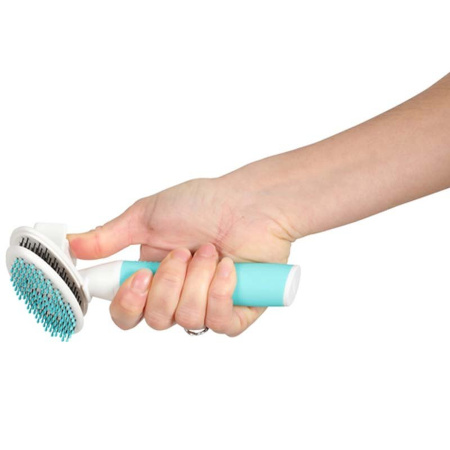
- daily brushing of long fur.It’s a good idea to buy the right cat combs for this: ,
- washing the area around the eyes and nose daily (watery eyes),
- Regular oral hygiene – Persians are particularly prone to dental and periodontal disease,
- Ambient temperature control – impaired thermoregulation contributes to overheating.


Diet and Body Weight
The following is recommended:
- , a high-quality wet cat food,
- the presence of omega-3 fatty acids and vitamin E,
- Regular weight checks – Persians tend to be overweight.

Persian Cat Health – Common Health Issues
Persians are among the breeds with the most health issues.The most common are:
- hypertrophic cardiomyopathy (HCM),
- polycystic kidney disease (PKD),
- brachycephalic airway syndrome,
- eye conditions (entropion, glaucoma, congenital epiphora),
- skin problems,
- hip and elbow dysplasia.
Many of these conditions significantly reduce quality of life.
Who (isn't) a Persian cat for?
A Persian cat is not a good choice for people who:
- looking for an active and independent cat,
- who don't have time for daily skincare,
- who are unprepared for the high costs of veterinary care.
Remember!
A purebred cat should have a multi-generational pedigree and come from a licensed cattery affiliated with federations belonging to the World Cat Congress (WCC).Otherwise, there is a risk of supporting practices that are contrary to animal welfare.
FAQ - frequently asked questions
Are Persian cats suitable for people with allergies??
Usually not.Persians have very thick, long fur and a dense undercoat, which can contribute to the spread of allergens in the home.Allergies are primarily caused by proteins in saliva and dander, not the fur itself; however, heavy shedding and grooming can exacerbate symptoms.
Can a cat of this breed live in an apartment building??
Yes.Persians generally thrive in quiet, home environments, as they aren't particularly active and don't need a lot of space.However, it is essential to provide them with a comfortable environment, a clean place to rest, and regular care.
How often should you clean a Persian cat's eyes??
For many Persians, the area around the eyes requires daily or every-other-day care, as the breed is prone to tearing due to the shape of its skull.The frequency should be tailored to the individual cat, and if irritation or increased discharge occurs, consult your veterinarian.
Recommended

Dolina Noteci Premium Wet Cat Food: Tuna Meal 10 x 85 g + a free 85 g tuna meal

Dolina Noteci Premium Junior Wet Cat Food for Kittens, Rich in Turkey, 12-Pack (185 g each)