How to help your cat lose weight? Useful tips
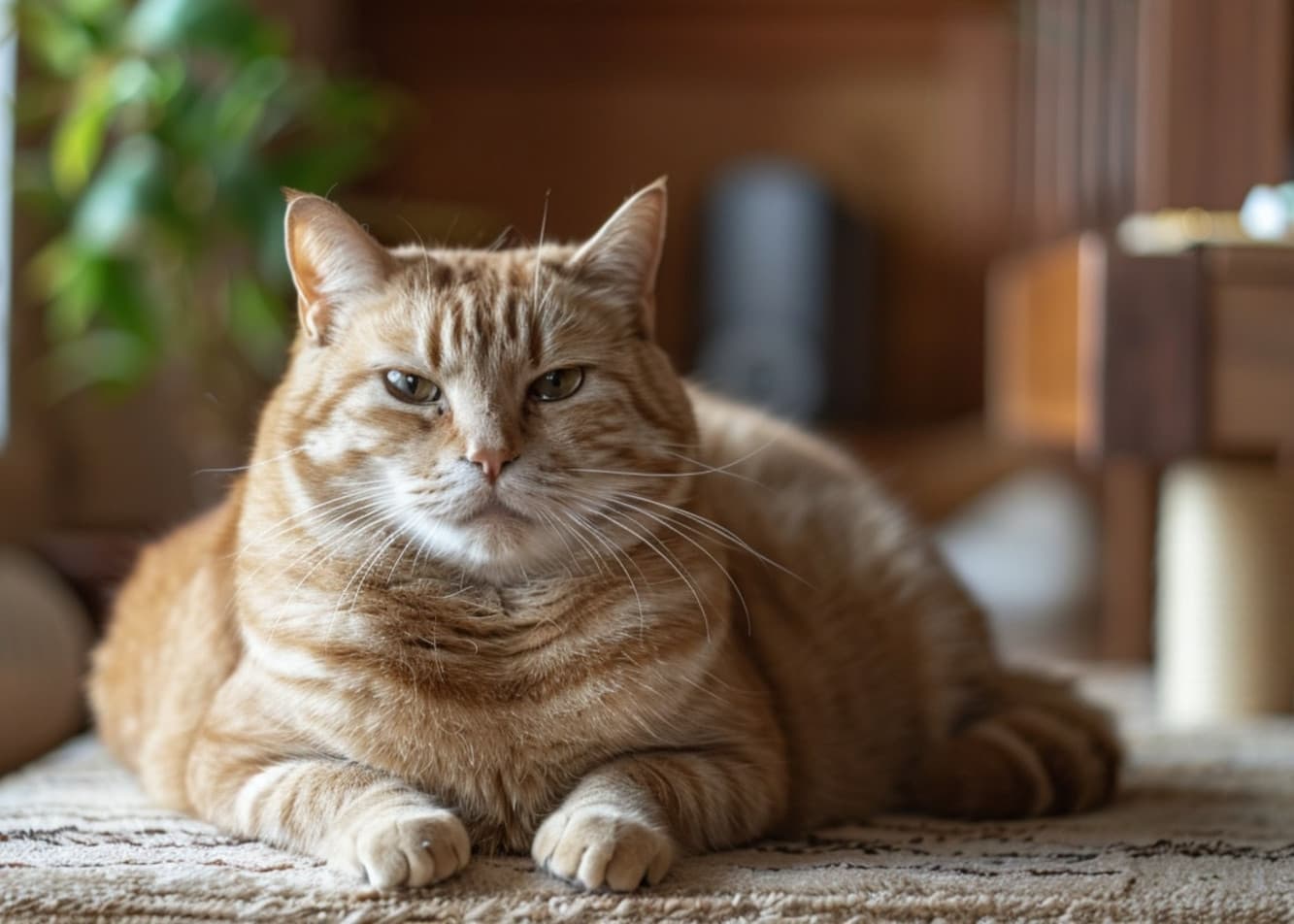
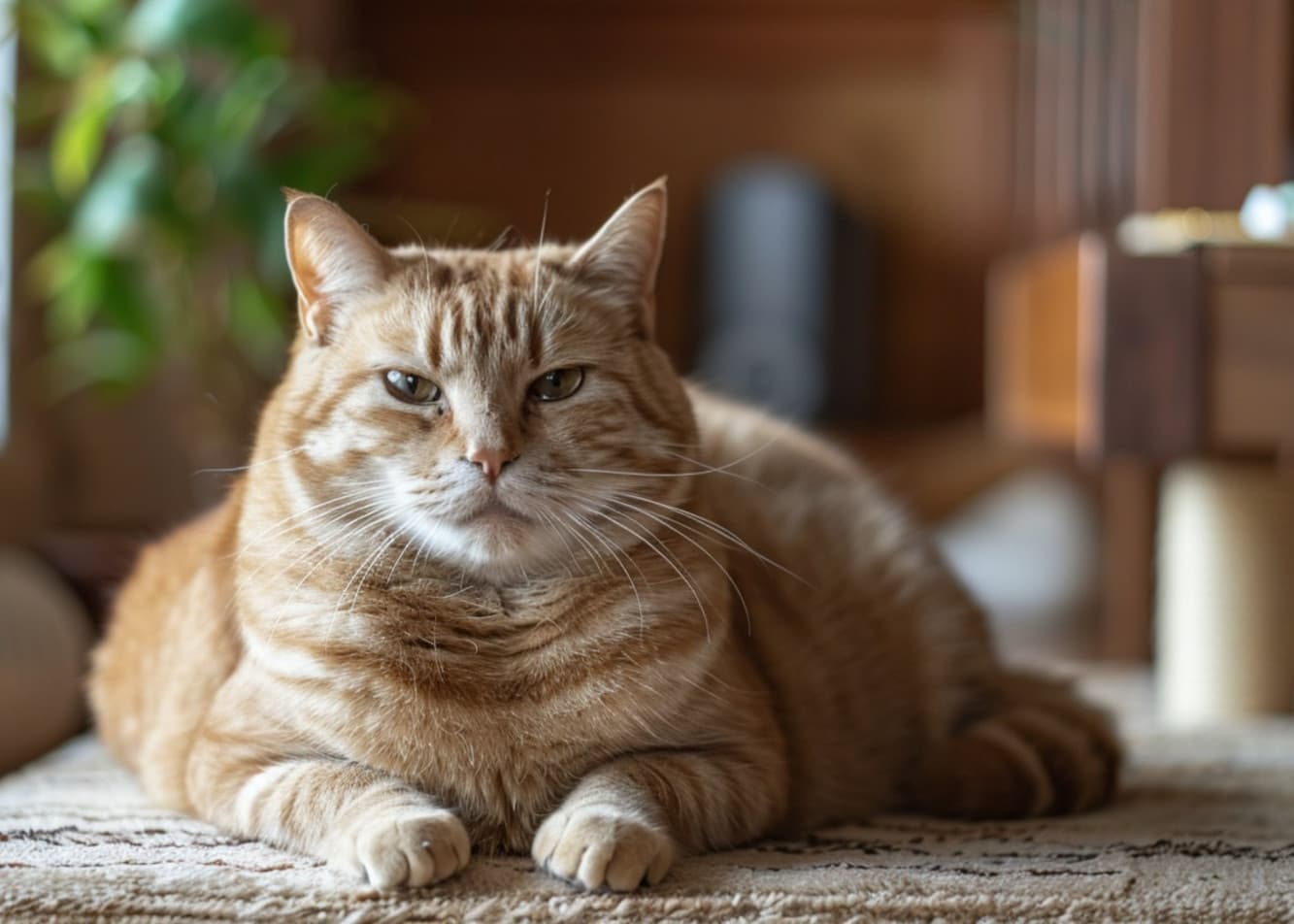
Obesity in cats is a serious health problem that can lead to m.in.heart disease, diabetes, joint problems, and a shorter lifespan for your pet.Many pet owners wonder how to help their cat lose weight in a safe and effective way.It is essential to adopt a proper weight-loss diet, adjust portion sizes, and increase physical activity.
An overweight cat often eats too much and doesn't get enough exercise, which leads to metabolic problems.It’s worth considering a weight-loss diet for cats that provides essential nutrients but is lower in calories.Regular play, such as using fishing rods or cat toys, helps keep your cat in good shape and supports weight loss.
How to help your cat lose weight using home remedies?The most important thing is to take it slowly—a sudden reduction in calories can be dangerous for your cat's health.In this article, you'll find effective tips to help your pet get back to a healthy weight and enjoy a long, healthy life.
What causes cats to be overweight??Poor dietary habits and lack of exercise
The main causes of overweight in animals are an improper diet and low physical activity.An overweight cat is usually fed too large portions of food or a diet high in carbohydrates, which in most cases is synonymous with feeding them dry food.Key factors include:
- feeding the animal more calories than its actual daily energy requirement;
- feeding with dry food;
- frequent feeding of high-calorie treats with an inappropriate composition (containing grains, dairy products, plant extracts, and sugars);
- feeding human food;
- nutrition ad libitum (the so-called "full bowl" method, i.e., constant access to food);
- genetic predisposition;
- certain medications that may contribute to the development of obesity (e.g., glucocorticoid therapy);
- lack of physical activity and too little active play.
A weight-loss diet for cats should include a proper balance of nutrients and be tailored to the cat’s age, health, and activity level.
It is also worth noting the impact of neutering, which can slow down metabolism and increase the tendency to gain weight.Statistically, this problem is observed more frequently in female cats than in male cats, and it primarily affects animals that were spayed or neutered after reaching sexual maturity and completing their growth.For this reason, early neutering, performed between 4 and 6 months of age, is widely recognized as the simplest and most effective way to prevent post-neutering obesity in cats of both sexes.
However, if the pet is neutered later, certain dietary restrictions may be necessary; these restrictions relate not so much to changes in the composition of the diet as to the number of calories provided in the daily food portion.For neutered animals, restrictions are usually imposed on around.8–15 weeks after the procedure, because during this time any hormonal imbalances caused by the neutering process will stabilize and metabolism will return to normal.During this time, it is therefore advisable to reduce calorie intake by about 25–30% compared to the usual amount (these restrictions do not apply to lean or growing animals).
What matters is the number of calories, not their source — therefore, there is no reason why the fat content in the diet of neutered cats should be reduced in favor of increasing the carbohydrate content, which is, unfortunately, a common practice observed in the composition of “sterilized” or “light” products.
Your cat should therefore continue to eat a high-meat, balanced wet food, as this, combined with a little water, will be the safest dietary choice that meets the species’ needs.
How much should a cat weigh??Your pet's weight depends on its breed, build, and age, but on average, an adult house cat (a so-called "stray") should weigh between 3 to 5.5 kg, while larger breeds, such as the Maine Coon, can weigh as much as 8–10 kg and still remain in good health.
How to help your cat lose weight?An Effective and Healthy Diet
Weight loss in cats should be approached gradually to avoid health problems and ensure long-lasting, effective results.That’s why, when trying to lose weight, it’s important to keep the following factors in mind:
- examinations and assessment of the animal’s physical condition - Before starting a weight-loss program, every cat should undergo comprehensive blood tests (complete blood count, biochemistry, electrolyte panel, thyroid hormones) and urine tests (general urine analysis with sediment evaluation) and should be assessed for its current condition based on a 9-point.the BCS scale (Eng..Body Condition Score.This assessment makes it possible to determine the severity of the animal’s current condition and the weight it should aim for to achieve optimal body condition (ideally a 5/9 on the BCS scale).
- Adjusting the daily food portion to your cat’s weight and activity level - To do this, determine your cat’s daily caloric needs.You can try to do it yourself using available zootechnical calculation formulas, but it is definitely better to consult an experienced specialist for this purpose.If your cat only needs to lose a small amount of weight (up to 0.5 kg), it may be enough to ensure that its diet is properly balanced and to stick to the recommended daily calorie intake.However, if the pet needs to lose a few kilograms (e.g., the pet needs to go from 12 kg to 7 kg), it is necessary to set calorie thresholds and plan the diet in stages, taking into account two phases: weight loss and weight maintenance.Unfortunately, the pet owner is usually unable to handle this on their own, which is why working with a pet nutritionist is essential;
- completely removing dry food from the diet (if it is being fed) and replacing it with wet food - even if the wet food isn’t high-quality at first, it will still be better than any dry food.This is because dry products are not only characterized by the fact that they contain large amounts of obesity-promoting carbohydrates (often as much as 40% of the product’s dry weight), but also, as a result, are high-calorie products, which makes it impossible to achieve a calorie deficit while maintaining portion sizes.For this reason, it is impossible to effectively help a cat lose weight on a dry food diet, and changing its diet is a must for the owner;
- dividing meals into several smaller portions throughout the day - For a cat on a weight-loss diet, the minimum number of meals per day is 4..On the other hand, if you can feed your pet more often (e.g., 6 times a day), it’s a good idea to do so.Special timed feeders that open at set times can be helpful in this regard, allowing the cat to eat while the owner is away (e.g., while at work) or at night.However, it is important to remember to space out your meals within your daily calorie allowance without exceeding it;
- Weighing your cat regularly - A cat undergoing weight loss therapy must be weighed regularly throughout the course of treatment.Measurements should be taken every two weeks and the results recorded.This is an essential set of data for anyone conducting weight-loss therapy, as it allows them to monitor progress and make necessary adjustments;
- If, despite switching to a high-meat wet diet, your cat still isn’t responding to the weight-loss treatment, you can try switch them to a high-meat raw BARF diet — for many obese patients, this is a very good, healthy, and effective solution.Keep in mind, however, that if you’re not familiar with this type of diet, you should definitely work with an experienced pet nutritionist at first to avoid harming your pet.
With the right diet, your cat will gradually return to a healthy weight without the risk of nutritional deficiencies.It is important that the changes you make are sustainable and tailored to your pet’s individual needs, which will help keep them in good health for longer.Weight loss can be considered successful if the cat maintains a healthy weight (with acceptable fluctuations of +/- 200 g between measurements) for one year after the end of treatment.
The technical aspects of weight loss
Reducing portion sizes is a key part of the weight-loss process, but there are also a few other factors to consider:
- make sure to stick to the proper daily food portions - it is very important to actually stick to the daily portions calculated for a specific stage of the diet.This requires the caregiver to weigh food portions precisely every day (to the nearest gram), so it’s a good idea to get an electronic kitchen scale before starting the diet, as this will make the process easier.It’s also a good idea to get a glass food container with a lid, into which you can portion out the cat’s daily food, so that whoever is feeding the cat only uses that portion, which will prevent the daily calorie intake from being exceeded if several people feed the pet at home;
- Serve meals in slow-feeding bowls so your cat eats more slowly - this is a good method for cats that eat too quickly.Special silicone mats or bowls (known as "lick mats") slow down the process of eating a single serving, causing the cat to eat more slowly, which is healthier for it.
- support the body with supplements - Supplementing the gut microbiota can be very beneficial, especially during the first few weeks of weight loss.Especially if it involves a change in diet (e.g., from dry to wet food).For this purpose, it is best to use synbiotics specifically formulated for carnivores, administered in an amount appropriate to the pet’s body weight.In addition, for cats that need to lose a significant amount of weight (several kilograms) and are losing weight very slowly, a good solution is to add L-carnitine which, just as in humans, aids in fat burning.It is best to discuss the dosage and duration of use for both supplements with your doctor or a veterinary nutritionist.
Reducing portion sizes doesn’t mean your cat has to go hungry – to prevent this, it’s best to choose high-meat wet foods with a relatively low calorie content (between 75 and 90 kcal/100g of product), which you can serve your cat in larger volumes, while maintaining the proper daily energy intake.In addition establishing regular feeding times (at least 4 times a day) will help your pet get used to the new routine and reduce snacking between meals.
How to increase your cat's physical activity?Games and exercises for a lazy pet
To increase physical activity, it’s a good idea to introduce a variety of exercise for your cat:
- cat fishing rods are a great way to encourage your pet to hunt and jump;
- Another option is cat balls , which stimulate the hunting instinct and encourage running and chasing;
- scratching posts and tunnels are other items that can add variety to daily activities, providing entertainment and stimulating natural hunting behaviors.
Hiding treats inside interactive toys is also a great way to get your cat moving—this way, your cat has to move around and exert itself to get the food, which has a positive effect on its fitness and health.You can roll up a towel and hide treats in its folds, or use a special snuffle mat—this is sure to pique your cat’s curiosity!
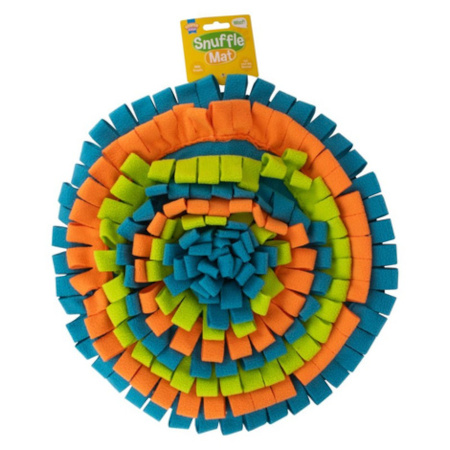
Cooper & Pals Scent Mat
Keep in mind, however, that treats must meet dietary requirements—they should be low-calorie pieces of lean meat, either dried or freeze-dried.A cat may eat about.5–6 small snacks throughout the day.If there are more of them, they should be included in the daily calorie intake.
Don't forget that severely obese cats may have joint problems and be in poor physical condition. Therefore, don’t make them run fast or jump vigorously, as this could put additional strain on their joints and heart.
If you notice that your pet is having trouble moving around, consult a veterinary physical therapist and consider seeing a veterinary orthopedist.Joint problems may require additional supplementation, rehabilitation, and therapy.in.pain relievers.
How quickly does a cat lose weight??
Unfortunately, helping a cat lose weight isn't easy.These animals are able to store excess weight very quickly in the form of subcutaneous fat, but their bodies are reluctant to lose it.That is why the process of helping a cat lose weight must proceed slowly, which means it can take months and sometimes, including the stabilization period after weight loss, it can take years.However, it is definitely worth taking on this difficult challenge, as it not only improves your pet’s health but also its mental well-being.
A safe rate of weight loss for a cat should not exceed 5–6% per month.However, this is not the EXPECTED rate of weight loss, but the MAXIMUM ALLOWABLE rate. If your cat is losing weight more slowly—that's fine!The important thing is that he loses weight at all.However, if your pet is losing weight more quickly, this could be a sign of health issues or improperly portioned meals; in such cases, you should immediately contact a veterinarian or a pet nutritionist who oversees the entire process.
Helping your cat lose weight is a process that requires patience and consistency.The most important steps are:
- switching to an easily digestible, wet, balanced, high-meat diet;
- adhering to appropriate portion sizes in accordance with the calculated caloric requirements specific to the given stage of work;
- increasing physical activity through games and exercises;
- Regular weight checks and consultations with a veterinarian.
Being overweight can lead to serious health problems in cats, such as diabetes, heart disease, osteoarthritis, and liver disease, which significantly reduce their quality of life and life expectancy.In addition, it causes chronic inflammation in the body, leads to hygiene issues, and increases the risk of complications when the animal must undergo anesthesia, such as during surgery.In addition, an obese cat is less active, which exacerbates the problem and makes it harder to lose weight effectively.
Take care of your pet's health and help them get back in shape! Don't forget that every cat is different and may need a personalized approach to weight loss.The key to success is consistency and careful observation of changes in your cat’s behavior and condition.
Recommended
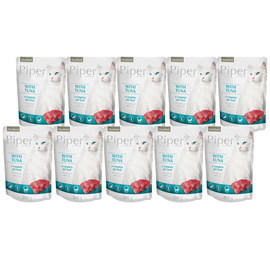
Piper Animals Sterilised Wet Cat Food with Tuna for Spayed/Neutered Cats, 10 x 100 g Pack

Dolina Noteci Premium Sterilised Wet Cat Food: Duck Flavor 10 x 85 g + Free Tuna Flavor 85 g