How to bathe your dog? Tips for a Relaxing Bath
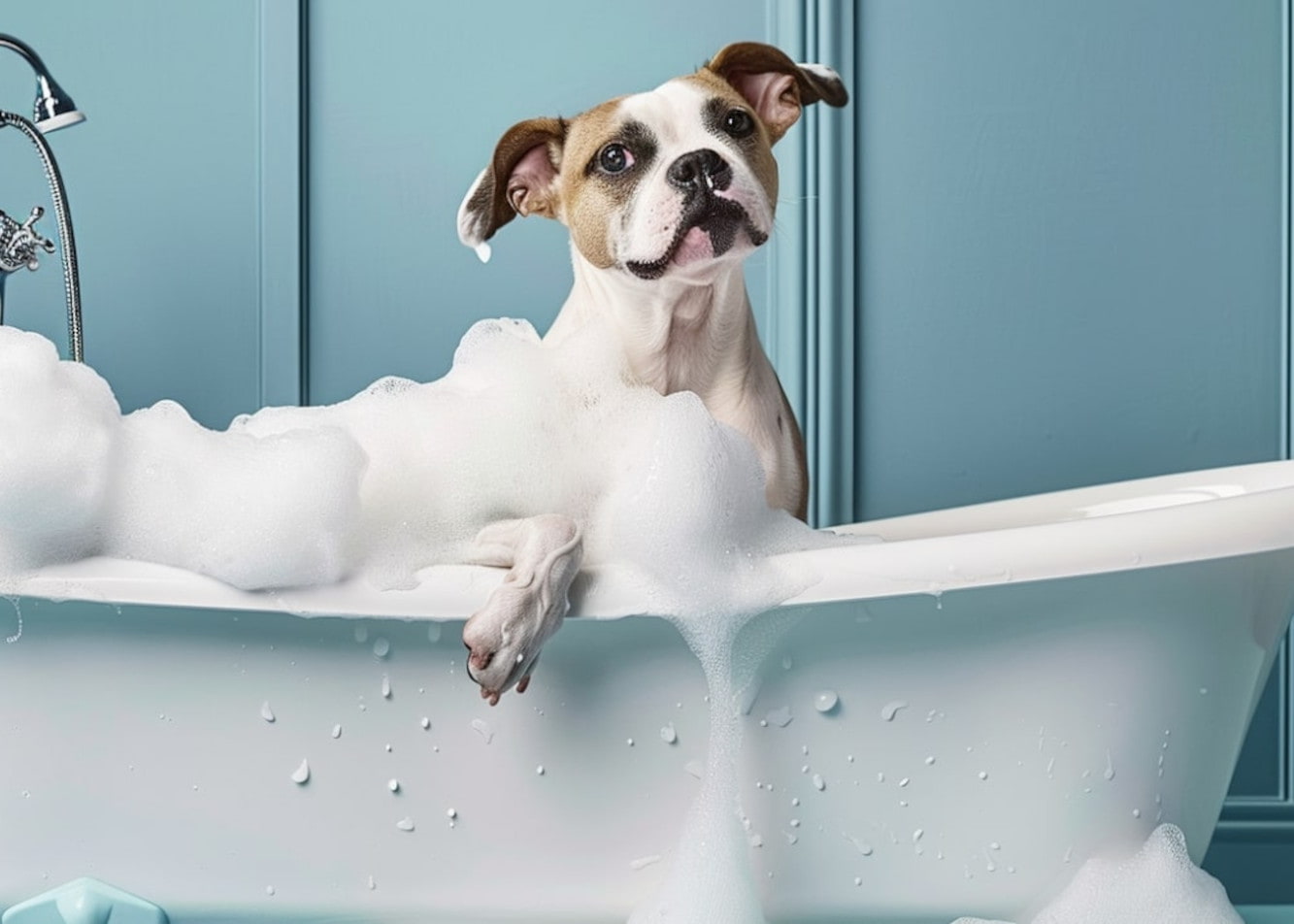
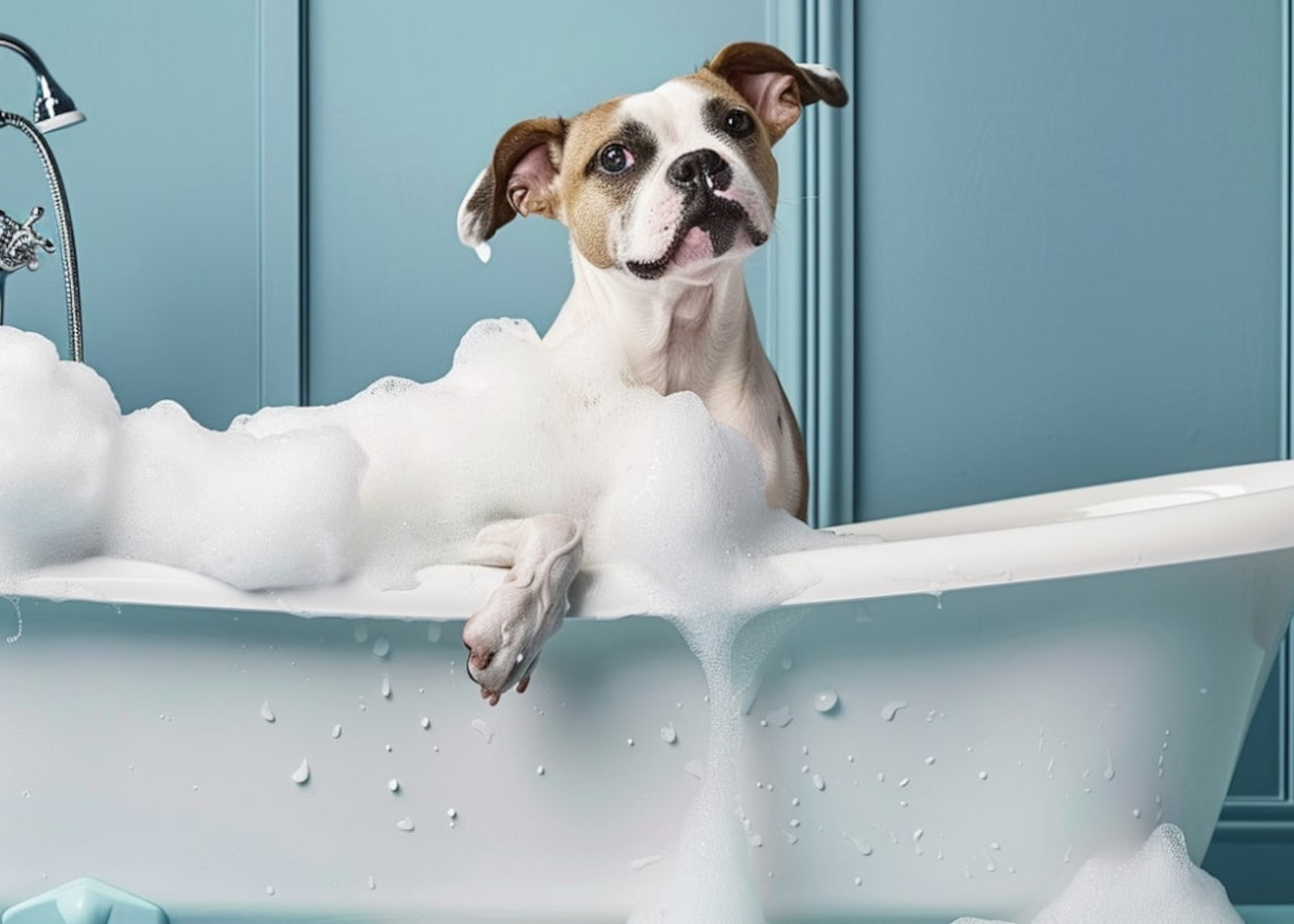
Bathing a dog may seem like a simple task, but every dog owner knows that it requires the right knowledge and preparation.Below is a comprehensive guide on how to bathe your dog to ensure the process is both safe and comfortable for your pet.
Bathing Your Dog: How to Prepare?Getting a dog used to water
How to get your dog ready for a bath?Before giving your dog a bath, it’s important to prepare them properly.Starting at a young age, you should gradually get your dog used to water to avoid stress during bath time.Start by gently spraying their paws on hot days or when playing in shallow water.By incorporating water into playtime, you help your dog develop positive associations.
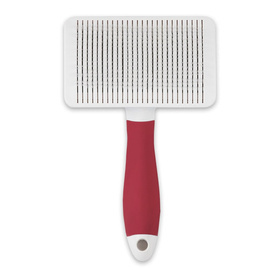
Make sure you provide a warm, quiet place for your dog to bathe, where he won’t slip and the water temperature is just right—not too hot and not too cold.Before bathing your dog, make sure to thoroughly brush its coat, especially if it’s a long-haired breed.Use the right accessories for this purpose, such as dog brushes , which will help remove tangled hair and dirt.
How to calm your dog during bath time?Keeping things calm is key to making bath time enjoyable for everyone.You can use special bath toys or giveyour dog naturaltreats to distract him and reward him for staying calm.Speaking softly and petting the animal will also help calm it down.
How often should you bathe your dog??Recommendations for different breeds
How often should you bathe your dog??How often you bathe your dog depends on many factors, including the type of coat and the dog’s lifestyle.How often should you bathe a puppy, and how often should you bathe adult dogs??The rules vary:
- Bathing a short-haired dog (such as a Beagle or Boxer) – once every 2–3 months,
- Bathing a dog with medium-length hair (such as a Border Collie) – every 4–6 weeks,
- Bathing a long-haired dog (such as a Yorkshire Terrier or Shih Tzu) – every 3–4 weeks to prevent matting.
- puppies of all breeds – once every 4–6 weeks
For indoor dogs that rarely get dirty outside, baths may be needed less frequently.However, it’s important to remember that bathing your dog too often can dry out its skin and coat.
How often should you bathe your dog??For dogs that need regular baths due to allergies or dermatological health issues, it is recommended to consult a veterinarian to adjust the frequency and type of grooming products used.
Choosing a dog shampoo: what to look for?
When choosing a shampoo, it is essential that it be suited to your dog’s coat type and skin needs.There are dog shampoos and conditioners available on the market , which come in a variety of formulas:
- For dogs with sensitive skin – hypoallergenic shampoos,
- For dogs that play outside—shampoos with insect repellents,
- For dogs with dry, flaky skin – moisturizing shampoos with added oils.
The best dog shampoos are those that are tailored to a dog's needs and coat type.When choosing a product, it’s important to consider not only the ingredients but also the shampoo’s pH level, which should be suited to your dog’s skin.Products intended for human use that are too harsh can seriously damage a dog’s natural protective skin barrier.
How to bathe your dog?Step-by-step guide
Bathing your dog isn't just a matter of hygiene—it's also an important part of grooming that affects the health of your four-legged friend's skin and the condition of their coat.Below you'll find a detailed guide on how to bathe your dog so that it's a pleasant experience for both you and your pet.
A dog's first bath can be stressful no matter how old it is, so it's a good idea to be well prepared.Before you start bathing your dog, make sure you have everything you need on hand.To bathe your dog, you'll need:
- the right dog shampoo,
- towels,
- brushes,
- hair dryers (optional),
- treats as rewards.
So, how do you bathe a dog??The first step is to thoroughly brush your dog's coat.Removing tangled fur and debris will make the rest of the grooming process easier and help prevent the fur from becoming dull when wet.
- Wet the coat – use warm (not hot) water to evenly wet your dog’s coat, taking care to avoid the ears and eyes.The water should feel pleasant to the touch so as not to startle the animal.
- Applying shampoo: Apply a shampoo specifically designed for dogs, gently massaging it into the dog’s skin and coat.Dog shampoo is essential because human products can disrupt a dog's skin pH.
- Rinsing – thoroughly rinse out the shampoo with warm water, making sure no product residue remains that could irritate your dog’s skin.
- Drying – gently pat your dog dry with a towel, then use a hair dryer set to the cool setting, keeping it at a safe distance.Be sure not to use hot air, which can burn your dog’s delicate skin.
How to dry your dog after a bath?Proper drying is just as important as the bath itself.Leaving a dog with wet fur, especially on cold days, can lead to a cold or the development of skin infections.Use a towel to gently squeeze out the excess water, then use a hair dryer on a cool setting to help your dog dry off quickly.
My dog is afraid of baths—what should I do??A fear of water is a fairly common problem among dogs.To help your pet overcome its fear of baths:
- Start with small steps—get your dog used to the water gradually, using treats and positive reinforcement.
- Use treats—reward your dog with treats during bath time so that he associates water with something pleasant.
- Create a welcoming environment—provide warm water and a comfortable setting, and avoid loud or sudden noises.
When not to bathe your dog?
Not every moment is the right time to bathe your dog.Here are some situations when you should wait to bathe your dog:
- Illness - Do not bathe your dog if it is sick or weak.A bath could put additional strain on his body.
- Cold weather—avoid bathing your dog on very cold days, unless you can dry its coat quickly and thoroughly.
- Right after eating—bathing a dog immediately after a meal can cause discomfort or even lead to gastric torsion, especially in large breeds.
By using specialized products, such as professional dog skin care products , you can provide the best possible care for your four-legged friend’s skin and coat, ensuring that every bath is safe and enjoyable.Remember, proper care after bathing your dog—including thorough drying—is essential for maintaining your dog’s health and hygiene.
Knowing how to bathe your dog is extremely important.Bath time not only cleans your dog’s coat, but it can also be a great opportunity to strengthen the bond between you and your dog.Regular baths help keep your dog healthy, allow for the early detection of skin problems, and ensure your pet’s overall comfort and well-being.