How should I store cat food?
Have you ever opened a packet of cat food and, a moment later, noticed an unpleasant smell coming from the bowl??Or maybe you've noticed that your pet suddenly turns away from food that, just a week ago, it was devouring with gusto?This isn't always a sign of fussiness—very often, the culprit turns out to be improper food storage.Although the topic may seem trivial, it actually has a huge impact on a cat’s daily health and well-being.Food that isn't stored properly can oxidize, become damp, or simply spoil—and this isn't always obvious to the caregiver.
Keeping pet food fresh is more than just a matter of aesthetics or convenience.It’s the daily care you take to ensure your cat’s nutritional well-being, which can easily prevent various problems.If you want to make sure your pet always has fresh, flavorful, and safe food, this article is for you.Here are some practical tips and proven solutions to help you effectively manage your daily cat food storage—no unnecessary theory, just a focus on your pet’s health.
Table of Contents:
- Can cat food go bad??How to tell?
- Risks associated with a low-carb diet
- How to store wet cat food?What to do with an endless can?
- Why is it so important to store cat food properly??
- What are the most common mistakes when storing cat food??
Can cat food go bad??How to tell?
How you store cat food directly affects its shelf life and quality.The first sign that food has gone bad is its smell. ’s fresh wet cat food has a strong aroma that is generally quite pleasant to the human nose, although certain notes may be particularly noticeable—for example, if the food contains fish. If you detect a sour, rancid, or rotten smell, do not feed it to your cat.Spoiled dry food may also smell different than usual—it becomes bland or smells like rancid fat.Another sign is the appearance.Wet food changes color—it turns gray, darkens, or becomes slimy.In extreme cases, mold may form or the package may leak.In the case of dry food, dust, residue, or discoloration of the kibble may be visible.
Texture is also important.If the food in the bowl becomes runny, clumpy, or buttery to the touch, it is most likely no longer safe to eat.Dry food that used to be crunchy may become chewy or crumbly and powdery.It’s also worth observing your cat’s behavior; if it clearly avoids its food bowl, it may be sensing changes that we haven’t noticed yet.
Risks associated with a low-carb diet
It is worth noting here that feeding a cat dry food goes against its species-specific needs as an obligate carnivore and raw-food eater.As a result, a low-fluid diet can lead to serious health problems such as:
- kidney and bladder diseases,
- problems with the pancreas and digestion (including the development of inflammatory bowel disease),
- the rise in overweight, obesity, and diabetes,
- allergic symptoms.
In addition, over the years, there have been numerous instances of mycotoxin contamination in dry pet foods.These are substances produced by molds that may be present in the raw materials used to produce pet food, particularly in grain-based products, which often account for as much as 30–40% of the composition of dry pet food.Because of their high resistance to high pressures and temperatures, they can withstand all manufacturing processes, which means they are present in the final product even before it hits store shelves. If animals (not only cats, but also dogs) consume them, it can lead to the development of various health conditions, such as m.in.damage to internal organs, loss of appetite, a weakened immune system, and increased susceptibility to disease.Corn is a component of dry pet food that is particularly susceptible to the growth of mycotoxins.
How to store wet cat food?What to do with an endless can?
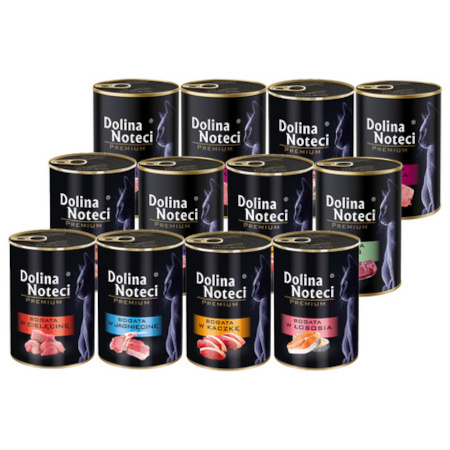
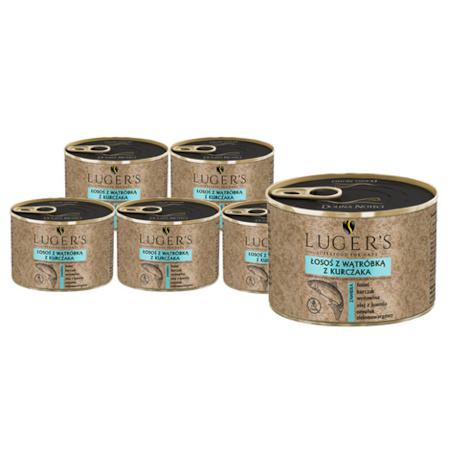
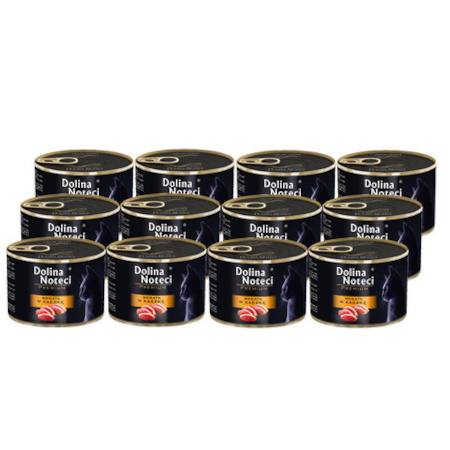
Because of its moisture content and ingredients, wet food spoils quickly if not stored properly.The first thing you should do after opening a can or pouch is to seal it immediately. This is extremely important because leaving it uncovered on the kitchen counter exposes the food to flies, temperature fluctuations, and humidity.And that's a surefire way to ruin things.That’s why it’s not just about how to store wet cat food, but also about how quickly we act once the package is opened.
Any leftover food that wasn't put in a bowl right away should be transferred to an airtight glass or plastic container suitable for food storage, and then placed in the refrigerator.This container should be washed with warm water and a mild detergent after each use. Another option is a special silicone lid that can be placed directly over the can—it effectively protects the food from air and odors in the refrigerator.
However, it is not recommended to store wet food in an already opened can, as the metal the can is made of can oxidize when exposed to air, which may result in the formation of toxic substances.The temperature at which wet food should be stored after opening is between 5 and 10°C.
As for how long wet food can sit in the bowl, the correct answer is, of course: as short a time as possible.However, it can be stored in the refrigerator for up to 48 hours, although most experts recommend consuming it within 24 hours.Therefore, if you have only one cat that doesn’t eat much, it’s better to choose smaller packages of wet food (200-gram cans or pouches) so you don’t have to store an opened product for too long.
It’s also important to make sure that food stored in the refrigerator is warmed up before serving it to your cat.This can be done, for example, by adding a small amount of warm water to the meal (approx..70 degrees C).This practice enhances the palatability of the meal and protects the cat from the adverse health effects of eating food that is too cold.
If you end up with a lot of leftovers, it’s best to divide them into smaller portions right away, store each portion separately, and even freeze them.This makes daily feeding easier and prevents unnecessary exposure to air.In this context, the location of the container is also important—it’s best to place it at the bottom of the refrigerator, away from strongly scented foods that could affect the taste and smell of the cat food.
Why is it so important to store cat food properly??
Storing cat food under the right conditions is a key part of daily care that directly affects your pet’s health.When pet food goes bad, it becomes a breeding ground for bacteria and fungi.Above all, spoiled food poses a health risk to cats.
It’s also worth noting that the claim that cats won’t eat stale or spoiled food is a myth!If the pet is really hungry, it will try to eat anything, even if it's harmful to it.That’s why ensuring the food stays fresh is the owner’s responsibility, and you shouldn’t rely on your cat’s reactions in this regard.
Vomiting, diarrhea, stomachaches, and weakness are the most common reactions the body has to eating spoiled food.That’s why storing cat food requires awareness and regular checks of its condition—it’s not enough to rely on the expiration date.Even if the cat food hasn't expired, how you open and store it can significantly affect its quality.
The freshness of food is essential for proper nutrition.Rancid fats, oxidized proteins, and degraded vitamins are not only a taste issue but also a real reason for the loss of nutrients that were meant to support a cat’s immune system, skin, coat, and metabolism.
What are the most common mistakes when storing cat food??
One of the most common mistakes is storing pet food in an open, non-airtight container.Cardboard boxes or open, unsealed pouches allow air and moisture to enter, which accelerates spoilage and impairs the taste. Another common problem is storing food in places that are too warm, such as on the kitchen counter, near a window, or in a cabinet above a radiator.
Caregivers often transfer food into unsuitable containers, such as buckets that previously held other products, without checking whether they are airtight and chemically neutral.Failing to follow the manufacturer's storage instructions is another mistake.There’s a reason why the packaging includes instructions on how to store cat food, and ignoring them shortens the product’s shelf life.Finally, it is worth mentioning that the package size does not match the rate of consumption.A bag that's too big may not be used up before the expiration date, and leftovers left in the corner of the cupboard usually lose their quality.
From our article, you already know, among other things, how long wet cat food can be stored in the refrigerator.All of the above information clearly shows that by storing food properly in a cool place, we are taking steps that make a real difference to our pet’s health.It is these seemingly small gestures that keep your cat from feeling under the weather and allow it to enjoy a burst of energy every day.Let’s remember that storing cat food properly is a sign of care and awareness of the potential consequences.A responsible owner pays attention to what goes into the bowl and the condition of the food when it reaches the cat’s stomach.
Recommended
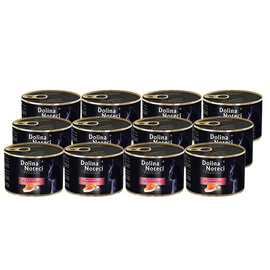
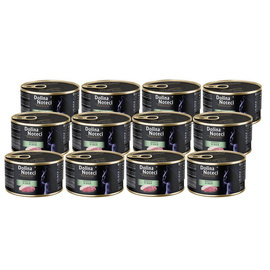
Dolina Noteci Premium Wet Cat Food Rich in Salmon, 12-pack (12 x 185 g)