How much should a large dog eat?
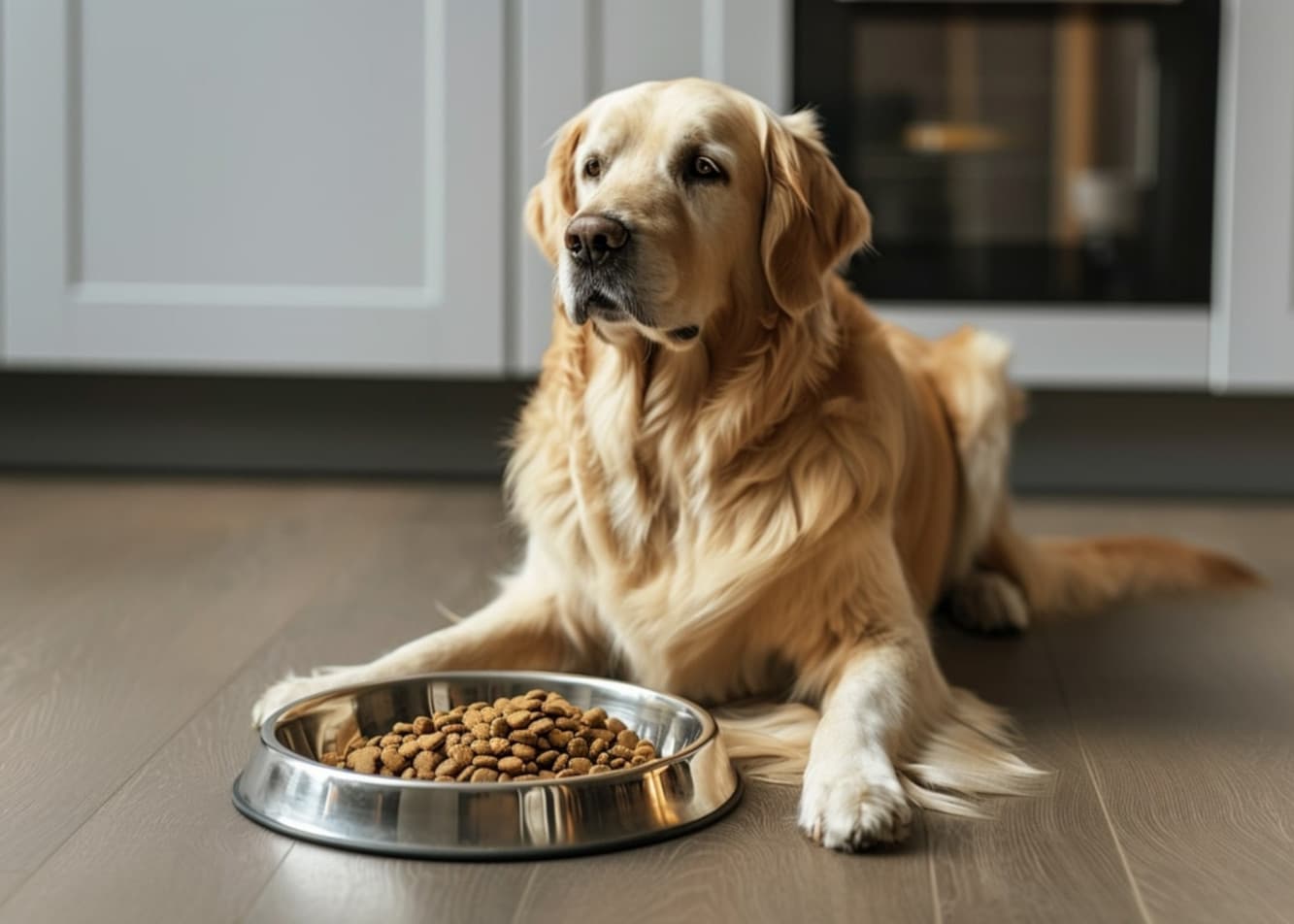
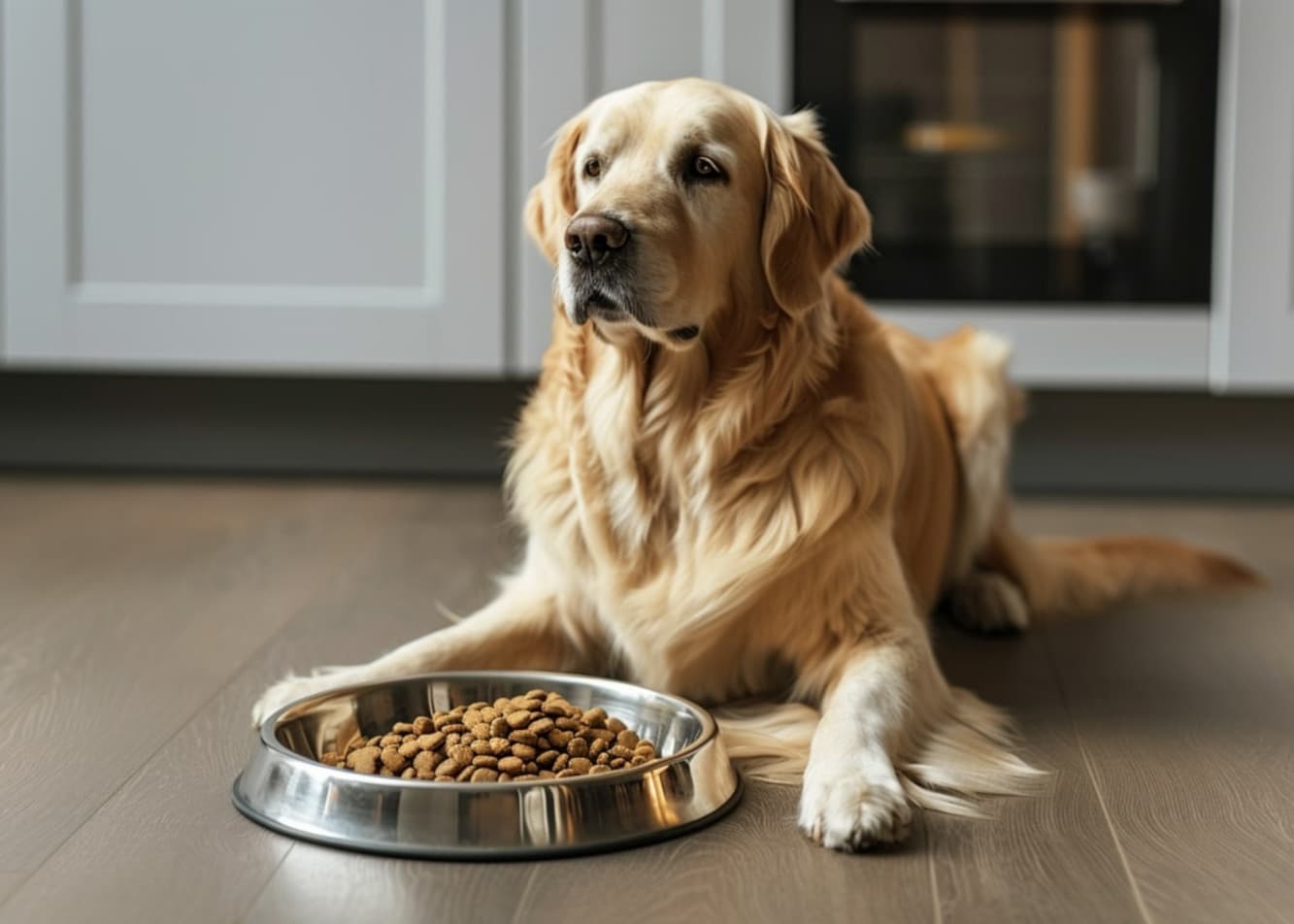
Choosing the right food for your dog is one of the most important aspects of caring for your pet, especially when it comes to large breeds.Do you know how much a large dog should eat to stay healthy and energetic every day??A balanced diet is the key to his well-being and a long life.That’s why we’ve put together this article to help you understand the specific nutritional needs of larger dogs and find the perfect solution for your pet.
In the text below, you'll find practical tips on how to calculate your dog's daily food intake to ensure they get the right amount of calories and nutrients.We will also discuss what type of food best meets the needs of large dogs, taking into account their physical activity, age, and health.
Every pet is different, so it’s worth taking a moment to assess its needs and behavior.A diet for a large dog should not only be balanced but also tailored to its individual needs—from the right food composition to the appropriate portion size.
We invite you to read this guide, which will walk you through how to ensure a balanced diet for your large dog and create the best conditions for your pet to enjoy energy and good health every day!
Table of Contents:
- How much food does a large dog need??Basic Principles of Nutrition
- How to calculate the daily food portion for a large dog?
- How many times a day should you feed a large dog??Set the optimal schedule
- Wet or dry food for a large dog?Discover the best options
- What to Avoid When Feeding Large Dogs?
How much food does a large dog need??Basic Principles of Nutrition
Large dogs, such as German Shepherds, Labradors, Rottweilers, and Saint Bernards, have higher calorie needs than smaller breeds, but that doesn’t mean you can feed them “by eye.” The appropriate portion of food should be tailored to the dog’s weight, age, activity level, and overall health. Portions that are too large can lead to weight gain, while portions that are too small can lead to malnutrition and health problems.So, what should the daily food portion be for a large-breed dog??
For example, for a German Shepherd weighing 40–45 kg, the daily food portion can range from 800 to 1,200 grams, depending on the type of food and activity level.Similarly, St. Bernards, which can weigh up to 70 kg, need large portions, but their diet should be particularly well-balanced due to their tendency to develop joint problems.
When considering how much a large dog should eat, keep in mind that feeding guidelines take into account differences between breeds. wet dog food contains more water than dry food, so the portions naturally need to be larger in volume.
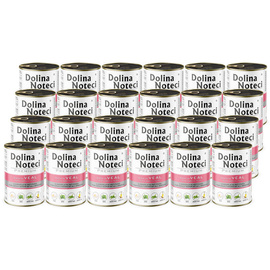
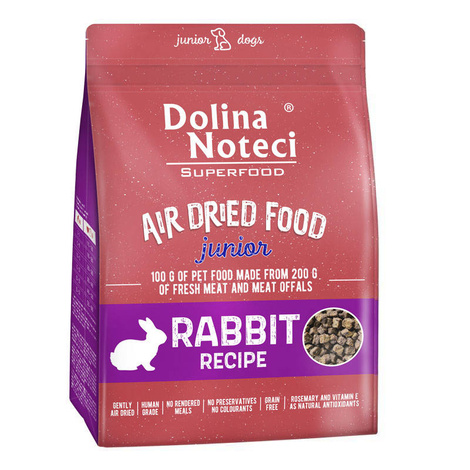
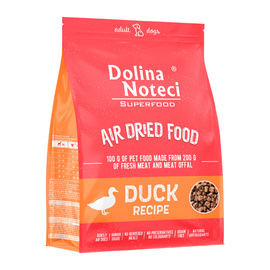
Don't forget about the quality of the food you feed your dog.A good diet for a large dog, such as a Golden Retriever, is one that provides all the necessary nutrients in the right proportions, without unnecessary fillers. Products from reputable manufacturers, such as Dolina Noteci, especially specialized foods for large breeds, are tailored to their specific needs.
How to calculate the daily food portion for a large dog?
Calculating the daily food portion for a large dog requires taking into account its body weight, activity level, and individual metabolic needs.For large dog breeds, such as Great Danes, Leonbergers, English Mastiffs, and Caucasian Shepherd Dogs, caloric requirements are not simply proportional to body weight.This is because these dogs have different metabolic rates, and their energy requirements differ from those of small breeds.
Large-breed dogs of normal weight and with moderate physical activity have a daily caloric requirement ranging from 2,100 to 2,300 kcal.The final calorie count depends on:
- Level of physical activity (e.g., a working dog will need more calories than a pet dog).
- Life stage (puppy, adult dog, senior dog).
- A dog's individual characteristics, such as metabolism or health.
Remember that the feeding guidelines for a large dog should follow the feeding chart on the food packaging, but you can always consult your veterinarian to adjust the portion size to your pet’s individual needs.Also remember that dry dog food is always more nutritious than wet food.Therefore, you need to be careful about the size of the portions you give your pet.
How many times a day should you feed a large dog??Set the optimal schedule
Now that you know how much a large dog should eat, find out how to feed it.Dividing meals into smaller portions served several times a day is essential for feeding large dogs.Because they are prone to gastric torsion, which can occur after eating a single large meal, it is recommended to feed them 2–3 times a day. This reduces the risk of health problems and helps your dog maintain a steady energy level throughout the day.
So, how many times a day should you feed a large dog??Puppies and young dogs should be fed more frequently—up to 4 times a day—while adult dogs can be fed 2–3 times a day.Older adults, especially those who are less active, may need smaller but more frequent meals to avoid straining their digestive system.Keep in mind that eating meals regularly is just as important as the size of the meals.
Wet or dry food for a large dog?Discover the best options
The choice between wet and dry food depends on the dog's individual needs and its owner's preferences.Dry food is easier to store, more economical, and effectively promotes oral hygiene by helping to remove tartar. It is also more calorie-dense, which means that portions can be smaller.
Wet food, on the other hand, is more flavorful and easier to digest, making it a good choice for dogs with sensitive stomachs or those who have trouble chewing. It has a higher water content, which helps maintain proper hydration, especially in dogs that don't drink much.
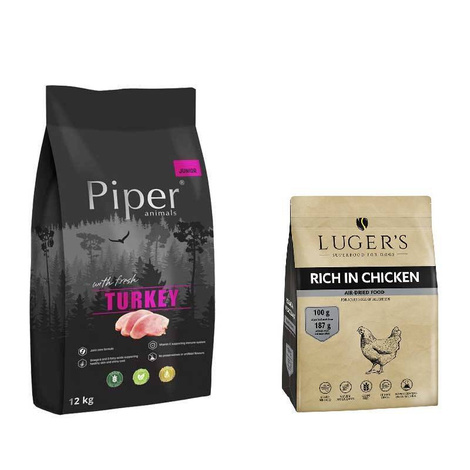
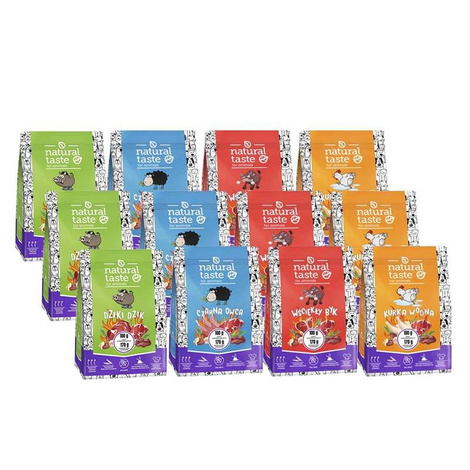
The best approach may be to combine both types of food, which allows you to take advantage of their benefits.Dried treats can also be an interesting addition to your diet. 's dry dog food is packed with nutritious ingredients, and its formulation ensures a delicious taste that often appeals even to the pickiest eaters.
What to Avoid When Feeding Large Dogs?
Feeding dogs table scraps is one of the most common mistakes dog owners make.Such products may contain spices, fats, or ingredients that are harmful to pets, such as onions or chocolate.Besides, it’s impossible to determine exactly how much a large dog should eat if you’re feeding it or supplementing its diet with leftovers.
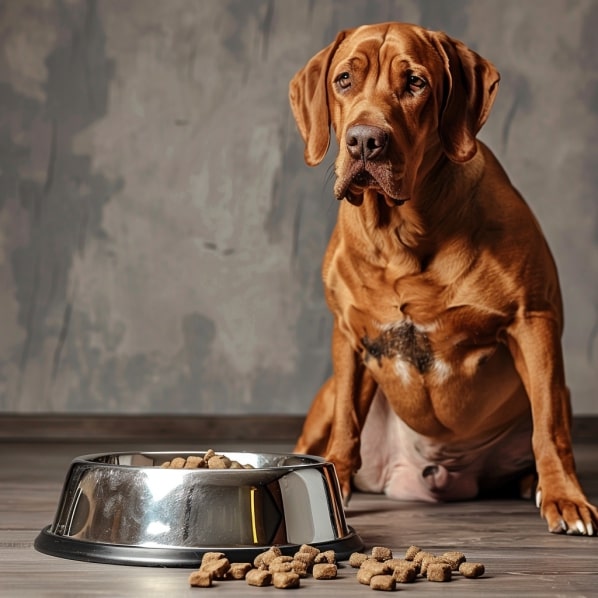
Inappropriate portion sizes can also be a problem.Portions that are too large can lead to weight gain, which increases the risk of joint and cardiovascular diseases.On the other hand, too small an amount can lead to nutrient deficiencies.
Also, be sure to avoid low-quality foods that contain large amounts of grains, artificial additives, and by-products.Your dog's daily food intake should come from nutritious sources, such as high-quality meat, healthy fats, and natural supplements that support your pet's health.
Remember to always tailor your pet’s meals to its individual needs and follow the nutritional guidelines for large dogs, which take into account their weight, age, and activity level.Take care of your dog today and check out our proven tips and products to ensure he gets a balanced diet!
Recommended
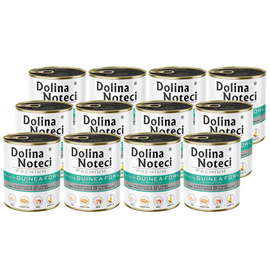
Dolina Noteci Premium Wet Dog Food, Rich in Guinea Fowl and Apple, 12 x 800 g Set