How long does a dog's heat cycle last?
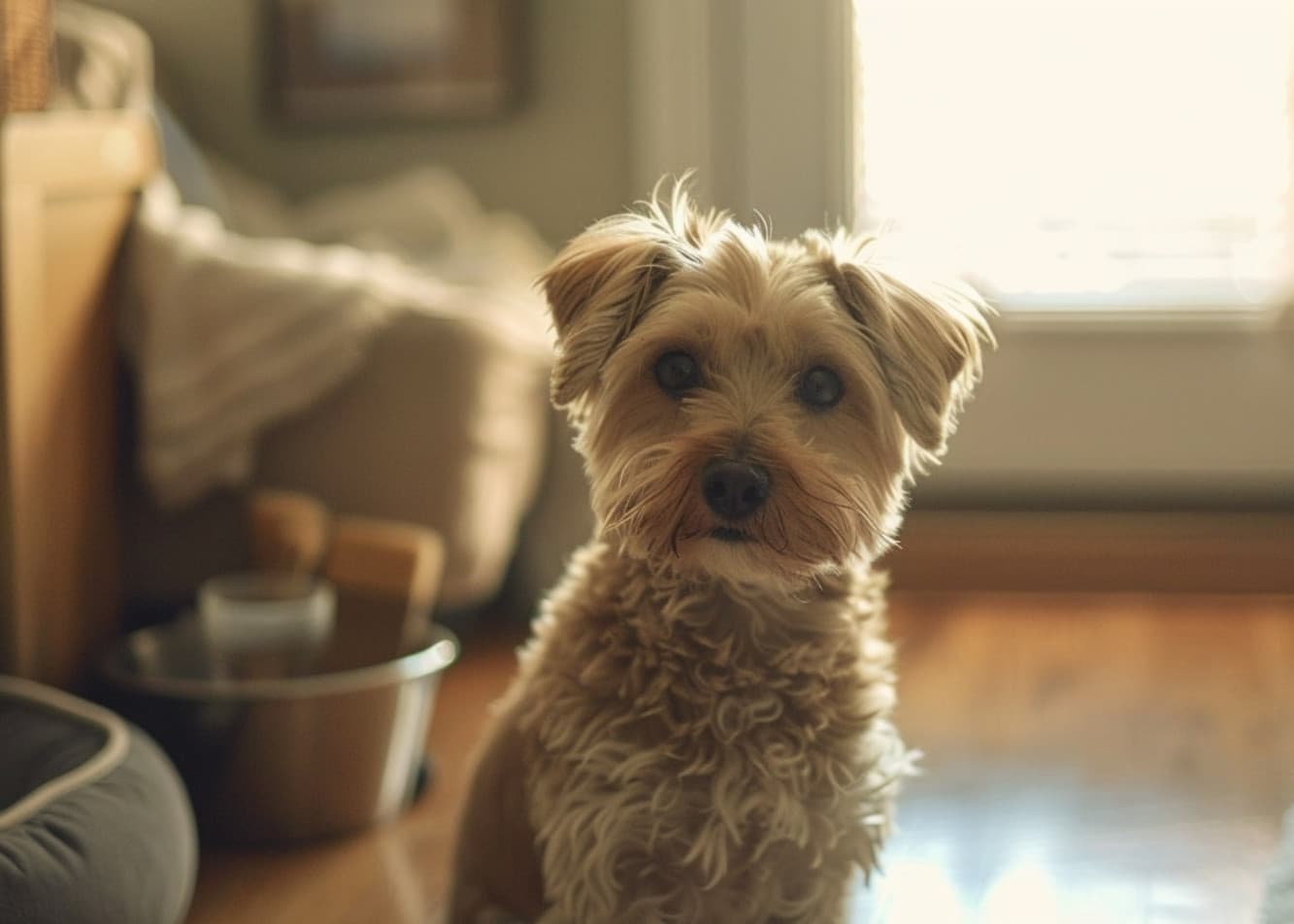
A dog's heat cycle is a natural process that occurs periodically and requires proper preparation on the part of the owner.During this time, the female dog undergoes numerous hormonal changes that can affect her behavior, physical condition, and needs.It’s worth knowing how long a dog’s heat cycle lasts, what its stages are, and how to keep your pet comfortable during this time.
A dog's heat cycle typically lasts 2 to 4 weeks, though this duration may vary depending on the breed and size of the animal.In smaller female dogs, it lasts for a shorter period, while in larger ones it may last longer.
The hormonal changes associated with this process can lead to mood swings, a decreased or increased appetite, and other symptoms.The main symptoms of estrus in dogs include bloody discharge, swelling of the genital area, and changes in behavior.
To ensure the female dog’s comfort during this time, it’s important to maintain proper hygiene and provide nutritional support and supplements.If concerning symptoms such as excessive bleeding, lethargy, or signs of pain appear, it may be necessary to consult a veterinarian.
Table of Contents:
- What is a dog's heat cycle??Basic Information
- How long does a dog's heat cycle last??The individual phases of the cycle
- How often do dogs go into heat??
- Symptoms associated with a female dog's heat cycle
- How to care for your dog during heat?
What is a dog's heat cycle??Basic information
Every dog owner should know what a dog's heat cycle is.In sexually mature animals, a natural reproductive cycle occurs regularly, indicating that the body is ready to reproduce.A dog's estrus cycle is a physiological process that occurs throughout most of a female dog's life and affects her hormonal balance, appearance, and behavior.
Although it can be compared to menstruation in humans, it differs in both duration and course.During this period, the animal may exhibit mood swings, increased interest in its surroundings or, conversely, avoid contact and be more irritable.
The stages of a dog's heat cycle consist of several phases, and the length of the cycle can vary depending on age, breed, and individual factors.In large breeds, estrus often lasts longer, and its frequency may be lower than in small dogs, where the cycle is shorter and may occur more frequently.
Important: If an adult female dog experiences an unusual heat cycle or does not go into heat, it is necessary to consult a veterinarian.
How long does a dog's heat cycle last??The individual phases of the cycle
On average, the entire estrus cycle lasts 18 to 21 days, but depending on the female, it can range from 2 to even 4 weeks.The duration of a dog's heat cycle depends on the animal's individual characteristics and size.
The estrus cycle is divided into four phases:
Proestrus (pre-estrus) – lasts 7–10 days
- Swelling of the vulva
- The appearance of bloody or pink discharge
- Increased interest in male dogs
- Behavioral changes: hyperactivity or irritability
Estrus (heat) – lasts 5–10 days
- Bleeding decreases, and the discharge becomes lighter
- The female dog is ready to breed
- The area may have a more significant role
Diestrus (the post-estrus period) – lasts 60–90 days
- Decreased interest in males
- Hormone levels return to normal
- There is a possibility of a false pregnancy
Anestrus (resting phase) – lasts 3–6 months
- No signs of estrus
- Recovery before the next cycle
How often do dogs go into heat??
It usually occurs twice a year, but in some breeds, especially small ones, it can happen more frequently, even every 4–5 months.In older female dogs, heat cycles may occur less frequently, and the symptoms may be less pronounced.If your female dog shows no signs of being in heat for an extended period of time, it’s a good idea to consult your veterinarian.
Symptoms associated with a female dog's heat cycle
What does a dog's heat cycle look like??In addition to hormonal and physical changes, other symptoms may also appear:
- More frequent urination
- Oral sex
- Apathy or hyperactivity
- A reluctance to go for walks or an increased interest in other dogs
- Change in appetite – the female dog may eat less or have a greater appetite
Warning signs that require a visit to the veterinarian:
- Prolonged or excessive bleeding
- Unpleasant odor of discharge
- Fever and lethargy
- Loss of appetite over an extended period
- Swelling that persists after the end of estrus
If your female dog exhibits any of these symptoms, don’t panic, but consult your veterinarian as soon as possible to rule out more serious health issues.
How to care for your dog during heat?
A dog's heat cycle is a special time when a female dog requires extra care and attention from her owner.Hormonal changes affect not only her body but also her behavior, which can lead to increased sensitivity, mood swings, or changes in appetite.Proper care during this period will help minimize your pet’s discomfort and give them a sense of security.
To take the best possible care of your dog during her heat cycle, it’s important to keep a few key rules in mind:
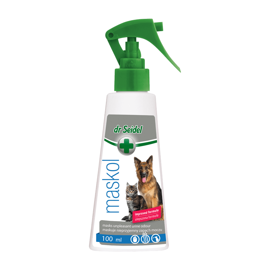
- hygiene – special protective pants andcleaning products for dogs will help keep your home clean;
- a proper diet and supplementation – during heat, a female dog may have increased nutritional needs.You can buy vitamins for your dog at and to support her health;
- Avoiding stressful situations – heat is a major strain on the body, so it’s important to provide her with a calm environment and limit contact with other dogs;
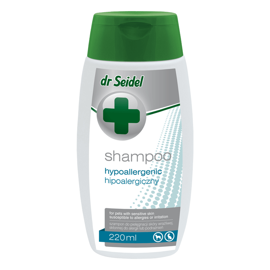
- coat and skin care – regular grooming will help keep your dog comfortable.It’s worth using dog grooming accessories from , such as soft brushes, wet wipes or special shampoos, which will help keep the skin clean and prevent irritation;
- health check – if you notice any concerning symptoms, you should consult a veterinarian.
Heat is a natural stage in a female dog’s life that requires proper preparation and care from her owner.The duration of a dog’s heat cycle depends on many factors, so it’s important to keep an eye on your pet and provide the best possible care.With proper hygiene measures, supplementation, and regular veterinary checkups, this period can be comfortable for both the dog and its owner.
Recommended