How do you put together a first-aid kit for your cat?
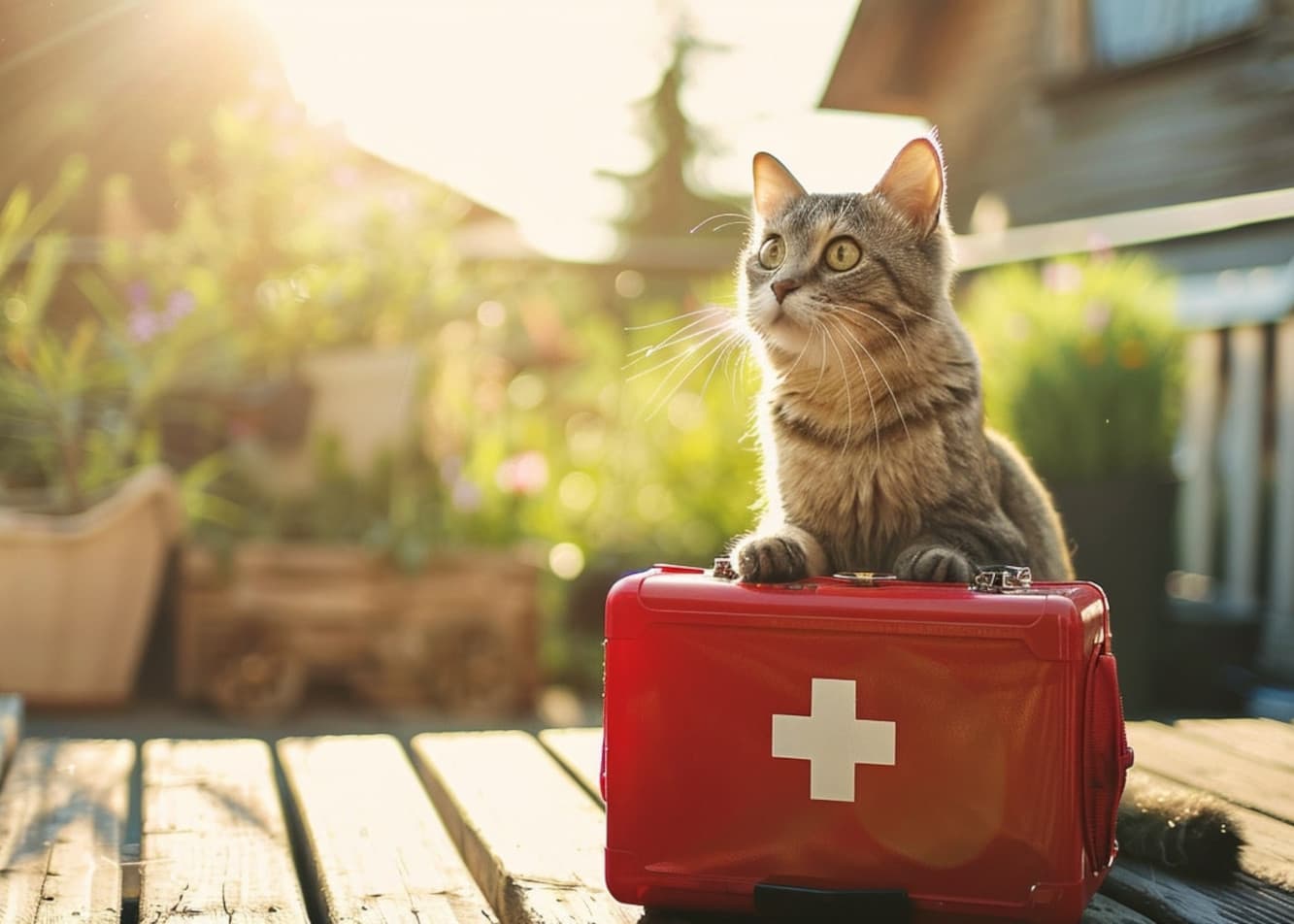
In everyday life with a cat, it’s easy to get used to its presence, its routines, and the calm it brings to the home.Most pet owners view their pets as members of the family—someone we care for with the same devotion as our loved ones.Even though home seems like a safe place, reality can take you by surprise.Falling out of a closet, injuring a paw, a sudden allergic reaction—these are just a few of the situations that can happen unexpectedly and require an immediate response.
One essential item is a home first-aid kit for your cat—a kit that cannot replace professional medical care but can play a crucial role in the first few minutes following an accident or a sudden deterioration in health.Do you know why you should have a first-aid kit for your cat??What first-aid supplies and medical equipment should you keep on hand??You'll find answers to these questions and much more in this article.
Table of Contents:
- Why You Should Have a First-Aid Kit for Your Cat?Emergencies
- What is first aid??
- Essential items for a cat first-aid kit
- Medications and supplies for your cat's first-aid kit—what might come in handy?
- Bandages and medical supplies in a cat first-aid kit
- When a first-aid kit isn't enough – symptoms that require a visit to the veterinarian?
Why You Should Have a First-Aid Kit for Your Cat?Emergencies
All it takes is a moment of inattention for an injury, a cut, or an insect bite to occur.Poisoning from a houseplant, burns from a hot surface, cuts from glass, or contact with another animal—these are real dangers that can affect a cat even in a home environment.At times like these, a home first-aid kit for cats becomes indispensable.It allows you to quickly disinfect a wound, protect a paw with a bandage, or soothe skin irritation.However, it is important to store it in a dry place, away from light and heat sources, and out of the cat’s reach.
It’s worth remembering that a first-aid kit for home use differs from one designed for travel, as a travel first-aid kit for cats should be compact, contain only the essentials, and be easy to take along on trips.But that's not all!Below you'll find information on how to stock a first-aid kit for your cat.Read more!
What is first aid??
By definition, this is a set of actions aimed at protecting the injured animal in such a way as to prevent its condition from worsening until professional assistance is provided by qualified medical personnel (in the case of a cat, this is, of course, veterinary personnel).The so-called "golden hour"—the first 60 minutes following an accident or injury—is critical here. It is the actions taken during this initial, critical period that have the greatest impact on the patient’s condition and, in some cases, even on their survival.After securing the wound or applying another type of dressing to your pet, take it to the nearest veterinary clinic as soon as possible so that specialists can take over its care.Therefore, even if you successfully administer first aid to your cat, never skip a veterinary consultation.
Essential items for a cat first-aid kit
A well-stocked home first-aid kit allows you to respond quickly and assess your cat’s health before visiting the veterinarian.Some of the most important items you should always have on hand include:
- dressing supplies, such as sterile gauze, cotton bandages, and compresses;
- tweezers and a special hook for safely removing ticks;
- a flea comb for quick inspection of the skin and coat;
- a flashlight that allows you to examine the eyes, ears, or mouth closely;
- plastic containers for storing samples—such as stool, urine, or vomit.
As you can see, the items that should be included in a cat’s first-aid kit don’t require a significant investment, but they greatly increase your chances of providing assistance in the immediate aftermath of an injury or a sudden decline in health.However, it is important to remember that a first-aid kit for cats is no substitute for a visit to the veterinarian.
Medications and supplies for your cat's first-aid kit—what might come in handy?
A well-stocked home first-aid kit for cats should include both safe over-the-counter (OTC) products and a supply of medications prescribed specifically for that animal.
In the OTC category, it’s a good idea to keep veterinary products containing activated charcoal on hand, as well as saline solution, which can be used to clean wounds or, for example, rinse the eye.It is also a good idea to stock up on flea and tick treatments and wound disinfectants. However, when it comes to medications, it is also important to adjust the dosage according to the cat’s weight, age, and overall health.A product that is safe for an adult cat may be too strong for a kitten or too weak for a senior cat with chronic health conditions.Therefore, even over-the-counter medications should be discussed with a doctor beforehand, who will determine their suitability and the correct dosage.
Also, remember to NEVER give your pet human medications, as many of them are highly toxic to animals and can even be fatal (a good example here are nonsteroidal anti-inflammatory drugs found in every home, such as acetaminophen).Everything in your first-aid kit must be discussed with your veterinarian, who will prescribe the correct dosage and explain exactly when to use each product.

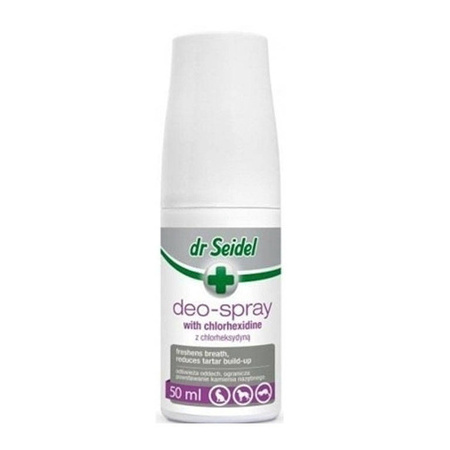
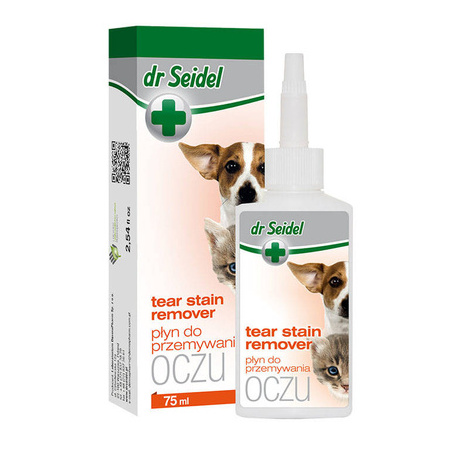
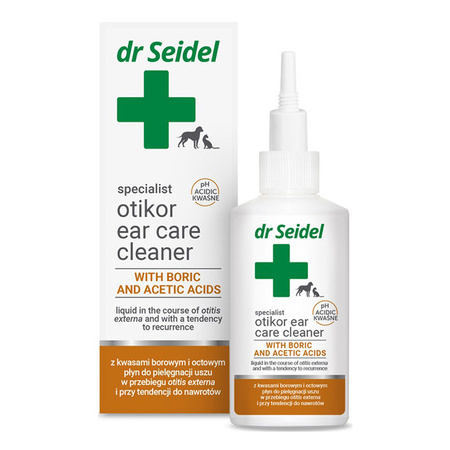
If your pet has a chronic condition, you should always keep a supply of the medications prescribed by your veterinarian, provided they are stored according to the instructions and have a valid expiration date. This last point is extremely important, because expired medications may lose their effectiveness or be harmful to your cat's health.Having the right medications for your cat in your first-aid kit allows you to act quickly in an emergency, but they should not be used routinely without supervision.
Bandages and medical supplies in a cat first-aid kit
A well-stocked first-aid kit for cats should include the appropriate dressing materials mentioned earlier. It is these measures that often determine whether a wound can be properly dressed, bleeding stopped, or a limb immobilized while waiting for medical assistance.
Unassuming accessories that are often overlooked can play a crucial role in providing first aid to an animal.They allow for an assessment of the cat's condition, help alleviate the stress associated with the injury, and reduce the risk of infection.That is precisely why it is so important for a cat's home first-aid kit to include both medications and practical tools to ensure quick and safe treatment. Even the most carefully selected medications will not be effective without the proper support of dressing supplies.
When a first-aid kit isn't enough – symptoms that require a visit to the veterinarian?
Although a first-aid kit for cats is extremely useful in emergencies, there are certain symptoms that should always prompt the owner to contact a veterinarian immediately.In cases of shortness of breath, difficulty breathing, loss of consciousness, seizures, severe bleeding, repeated vomiting, excessive drooling, acute diarrhea, or sudden paralysis—every minute counts.
Symptoms such as prolonged lethargy, refusal to eat or drink for more than 24 hours, a sudden deterioration in coat condition, difficulty urinating or complete inability to urinate, coughing, intense scratching or licking of the skin, fever, as well as palpable lumps under the skin.If you have concerns about your cat’s condition or if the symptoms persist despite the care you’ve provided, a visit to the vet is essential.Only a specialist can assess the extent of the problem—if it turns out to be nothing serious, they may recommend appropriate supplements for cats to the owner , which support immunity and recovery.However, in the case of more serious conditions, targeted drug therapy or surgical treatment will be implemented.
From our article, you already know how to stock a first-aid kit for your cat.It is one of those items that every responsible caregiver should keep on hand.A properly stocked first-aid kit for cats allows you to respond quickly in emergencies and protect your pet’s health even before a visit to the vet.Its purpose is not to replace professional help, but to enable immediate action at a critical moment.It is therefore important to ensure that every cat first-aid kit is well-stocked, regularly checked, and always ready for use.
Recommended