
How do you prepare for a trip with your cat?
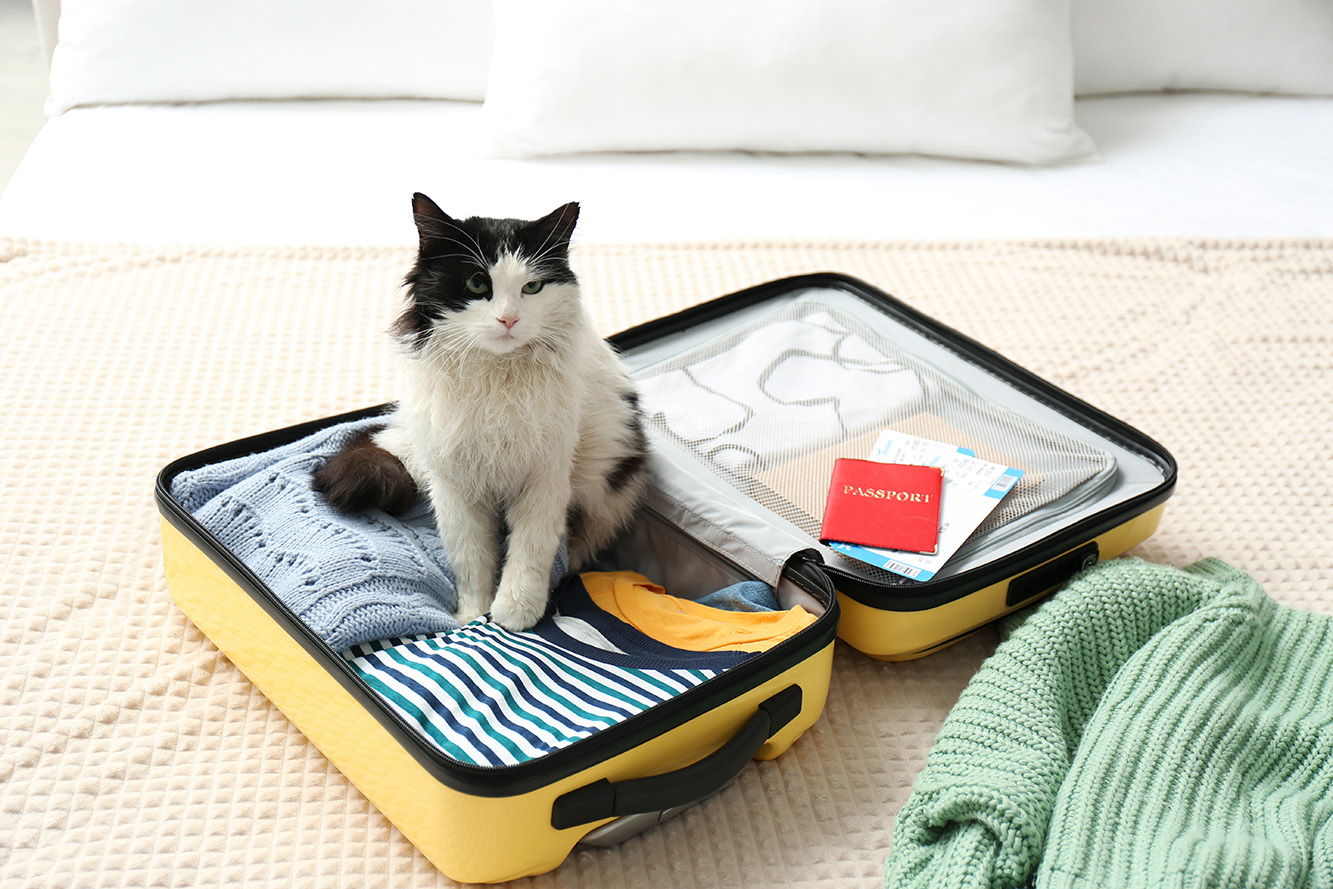
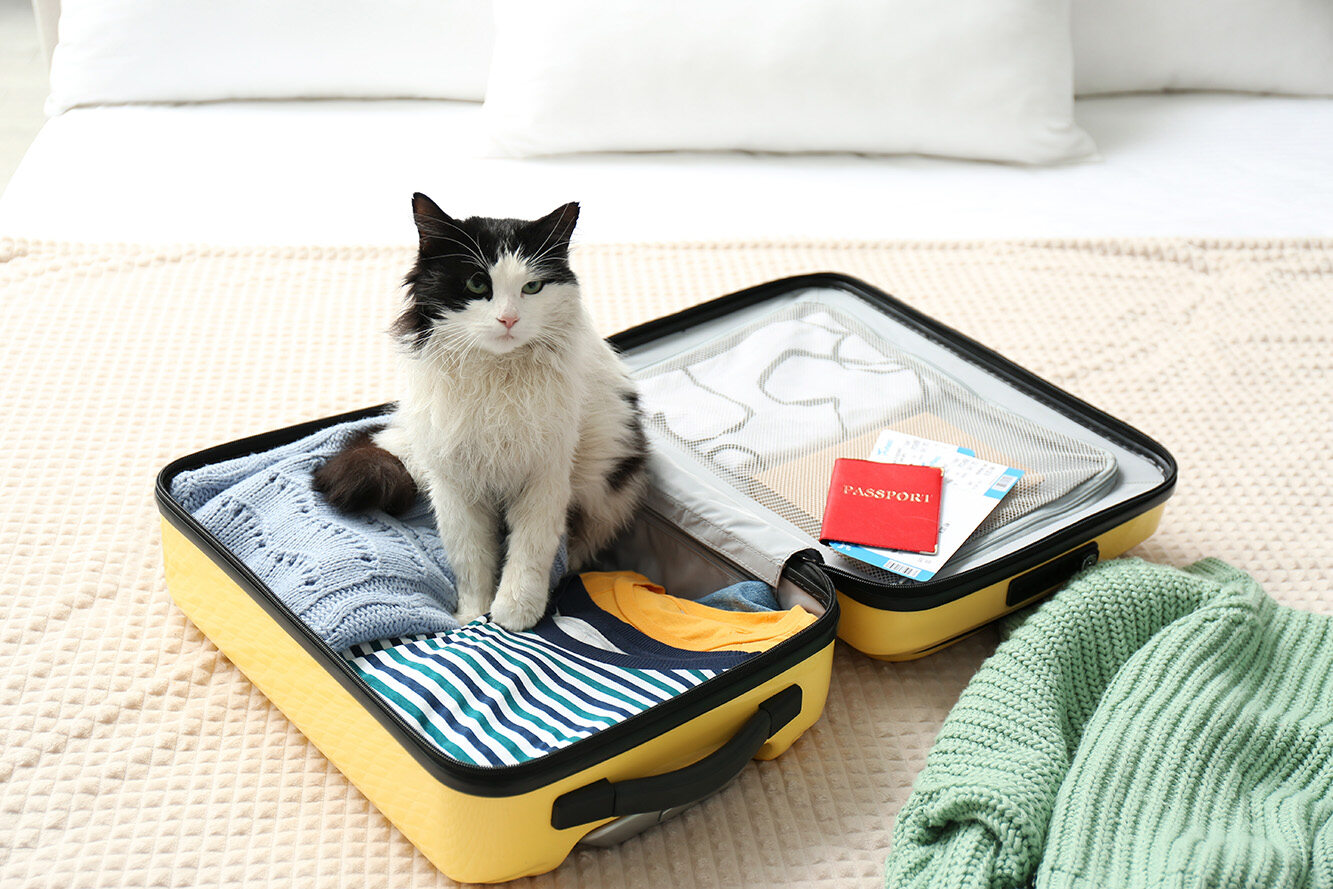
Although we tend to associate trips mainly with the summer, you can go on a short or long getaway at any time of year.What about our feline pets??Is it worth bringing your pet along on a trip??And if so, how should I prepare for it??
Cats on the go and homebodies
When it comes to travel, cats can be divided into two groups: those who are happy to change locations and eagerly embrace new surroundings, and those for whom leaving home is a source of stress and trauma that can affect their health.What determines which group our cat will belong to??Unfortunately, this depends on many factors: genes, individual personality traits, health, general well-being, and the process of socialization.
It is believed that cats that travel a lot when they are young will cope better with being away from home when they grow up.In fact, for example, cats that are intended to work in feline therapy in the future are taken to various unfamiliar places very frequently and regularly even during the initial socialization phase (the first 12 weeks of life).This is done so that kittens become accustomed to such situations from the very beginning, which helps minimize potential stress in the future.And in fact, the result is often satisfactory.
Unfortunately, it is also the case that the trips a cat takes only when it is young are not enough—so it is better if these trips continue as regularly as possible throughout the rest of the cat’s life.Why?Because cats forget and get used to certain things.As a result, if a child was regularly taken out during the first few months of life—for example, to visit family or friends—and then didn’t go out practically anywhere for two years, you may have to start from scratch after that break.
Does that mean you can't teach an adult cat to travel??Of course not.However, you should pay close attention to your pet’s personality traits, predispositions, and well-being when trying to take them outside.After all, if a cat is outgoing, has an adventurous spirit, and loves a challenge, you might find that going on outings together is the best fun in the world for them.However, if the animal is sensitive, shy, and easily startled, forcing it to travel could end badly.
How to prepare for a trip with your cat?
First and foremost, it’s worth seeing how your cat reacts in an unfamiliar environment that isn’t a veterinary clinic (unfortunately, pets are usually very stressed in such settings, so this cannot be considered an objective indicator of their reactions).It’s a good idea to take your cat to a place not too far from home (preferably no more than a 15-minute drive), to visit family or friends who don’t have other pets or small children that might scare your cat.Once there, take the cat into the room where you’ll be spending time with it, open the carrier, and...wait and see how your pet reacts.If, after a few moments, the cat comes out and starts calmly exploring its new surroundings, that’s a good sign.If, on the other hand, the cat refuses to leave the carrier—or worse, starts hissing, growling, or whimpering from inside—that’s a sign for us to head home as soon as possible and give up on further attempts.
The second step is to get your pet used to wearing a harness.They are a very important safety feature for your pet, not only during the trip itself, but also, for example, when taking walks in the area while on vacation.Harnesses should be chosen based on the cat’s size, build, and coat—it’s a good idea to consult with staff at professional pet stores, who can help you select the best product.
You should get your cat used to the harness gradually, starting with very short sessions during which you simply place the harness on its body without fastening it.Over time, the contact becomes longer and longer, and the harness fits more and more snugly.Next, attach the leash and get the cat used to having something “tugging” at it.All of this, of course, is accompanied by plenty of healthy, high-protein treats used to reward desired behavior.If your pet seems reluctant or nervous, don’t force a single session to go on too long—it’s better to keep it short than to make your pet resent the situation.Only once your cat is comfortable moving around the house in a harness and on a leash should you try taking it outside for the first time.
What if our pet absolutely won't tolerate a harness??In that case, it’s better not to force the issue against his will and capabilities.While this doesn’t completely rule out trips (in the sense of traveling from point A to point B), it does mean that the cat’s opportunities for exploration will be more limited once there.
Preparing for the trip: a bit about logistics
First of all, plan your trip and make sure you can bring your cat with you.After all, it’s still often the case that a sign saying “pets welcome” means you can stay at a particular hotel or guesthouse with your dog.
Once you’ve booked your accommodation, be sure to visit the veterinarian beforehand to get the necessary tests and preventive treatments.If your cat is traveling abroad, you’ll need a passport, the appropriate medical documents, and a microchip registered in an international database.In any case, it’s a good idea to get your pet microchipped, while also making sure to register it and enter the owner’s information into the system.This is very important in case your pet goes missing—without registration, the microchip is useless, and you won’t be able to get your pet back even if someone finds it and takes it to a vet clinic or animal shelter.
Another issue is parasite control and preventive vaccinations.If you plan to take your cat on outings, your pet must be protected against external parasites (fleas, ticks, lice, and others).) and have up-to-date vaccinations against viral diseases as well as, optionally, against rabies.
Before you leave, it’s also a good idea to find out where the nearest veterinary clinic is, as well as whether there’s a 24-hour clinic near your vacation spot.As we all know, accidents happen unexpectedly, and it’s better not to have to scramble to find a doctor who can help you when you’re already stressed out.
Travel essentials
Taking your cat on vacation basically means packing up half the house.You should bring the following items with you:
- a litter box and scoop—it’s best to just rinse the box with water so that traces of a familiar scent remain inside,
- enough cat litter for the entire trip—where we’re going, our cat’s favorite litter might not be available,
- a supply of food and treats for the entire trip—here we have to consider the same possibility as with cat litter,
- a favorite bed or box where the cat can feel safe in a new place,
- a carrier with a mattress and a supply of disposable pads to change during the trip in case of an "accident,"
- food and water bowls,
- favorite toys,
- portable cat scratcher – made of cardboard or in the form of a small post.This is very important because it reduces the risk of your pet causing damage in a new place, which the cat might want to “mark” with pheromones from glands on its paws that are released when it scratches,
- health record, any necessary medications and supplements if the cat takes them,
- stress-relief products – just in case your cat doesn’t feel quite right while traveling; it’s a good idea to discuss your choice of these products with a veterinarian or animal behaviorist beforehand,
- a cat first-aid kit—containing dressing and disinfectant supplies (e.g., Octanisept), sharp scissors, tweezers, non-woven bandages, cohesive bandage, eye and ear wash, cotton swabs, anti-diarrheal medication, and antispasmodic drugs used in case of symptoms of cystitis, which often occurs in cats due to stress; it is always a good idea to consult your veterinarian about the contents of your cat’s first-aid kit,
- a harness and leash – a must-have for cats that are going on walks.
Safety and comfort on site
We need to remember that if we take our cat with us on a trip, we shouldn’t leave it alone in a hotel room.You should plan your vacation time carefully so that you can help your pet adjust to its new surroundings and, later on, keep it entertained with various activities.So if you’re planning to spend the whole day at the beach, at a museum, or doing sports—it’s better to leave your pet at home and make sure it receives proper, regular care.This is a better solution than effectively leaving him in a strange place for hours on end, with no contact with his caregiver.
